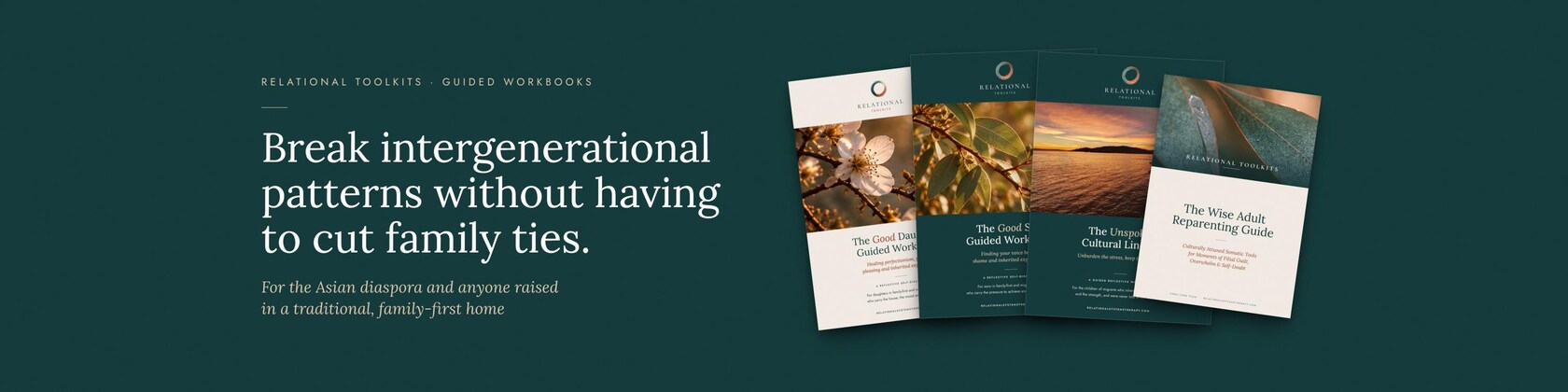
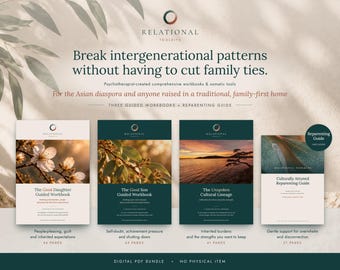

Psychotherapist-created workbooks for men’s wellbeing, family patterns, cultural expectations and relationships
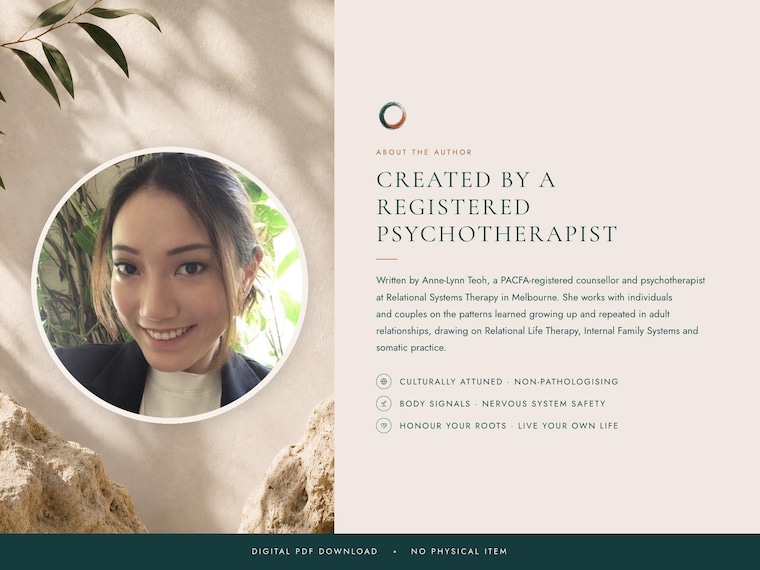
I'm Anne Lynn, a PACFA-registered counsellor and psychotherapist, men’s mental health researcher, and the founder of Relational Systems Therapy in Melbourne, Australia. Relational Toolkits is where I turn clinical thinking, research and therapeutic training into resources you can return to in everyday life.
I started writing these because I could not find quite what I was looking for.
In the therapy room, people would describe patterns they had carried for years. Feeling guilty when they had done nothing wrong. Saying yes before checking what they could manage. Achieving a great deal while quietly fearing they were not enough. Looking after everyone else and struggling to recognise what they needed themselves.
I wanted something they could take home that understood the context, not just the behaviour.
Making room for both truths
My work pays particular attention to Asian diaspora, migrant and other family-first experiences. Family connection can be a source of love, identity and strength. It can also carry expectations that are difficult to name, let alone change.
You may be grateful for everything your parents gave and still need something they could not offer. You may value caring for your family and still feel exhausted by being the one everyone relies on. You may have built an independent adult life while guilt, self-doubt and feelings of obligation keep following you.
These resources make room for both truths. Understanding what hurt does not require dismissing what was given. Making your own choices does not have to begin with rejecting your roots.
Men’s emotional lives and relationships
Men’s mental health is a particular focus of my research and work. I’m interested in how expectations around masculinity can shape what men feel able to express, how they respond when relationships become difficult, and whether asking for support feels possible.
You may be used to being dependable while finding it difficult to say you are struggling. You may want closeness but go quiet, defend yourself or try to fix things when you are unsure what else to do. These resources offer room to understand those responses and practise other ways of communicating, without making emotional openness another thing you have to prove.
What you will find here
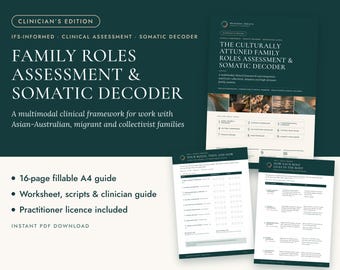
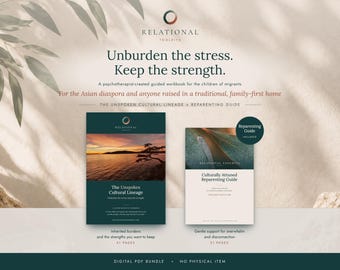
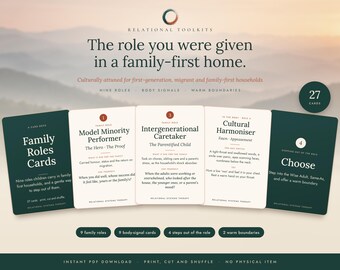
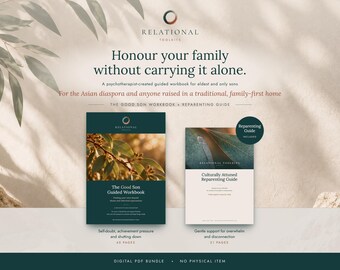
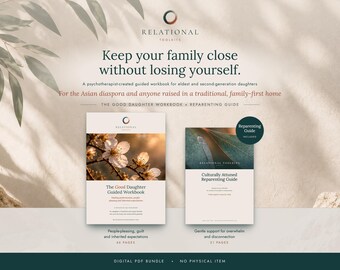
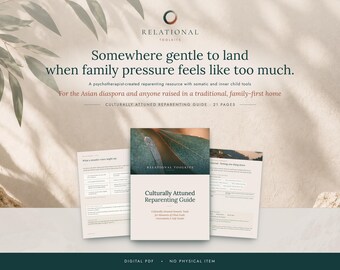
The collection begins with family roles, inherited expectations, cultural identity and reparenting. It explores experiences such as becoming the family's translator, carrying the pressure to succeed, keeping everyone comfortable, or feeling responsible for parents from nearby or far away.
Alongside this, I’m developing resources for men who want to understand their relationship patterns, find words for what matters and work through moments of defensiveness, shutdown or disconnection.
As the collection grows, it will also explore emotional shutdown, couple patterns, dating, relationship endings and the changes that come with parenthood. The connecting thread is the same: understanding what you learned to do to stay safe, loved or accepted, and making more room for how you want to live and relate now.
Designed for real days
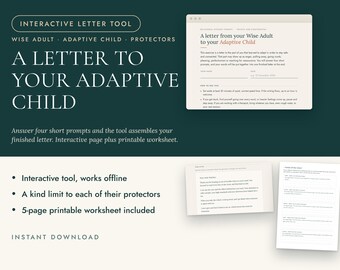
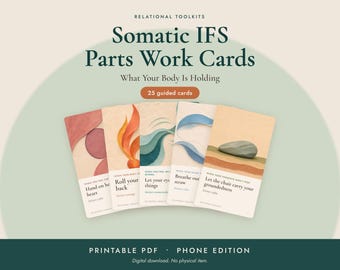
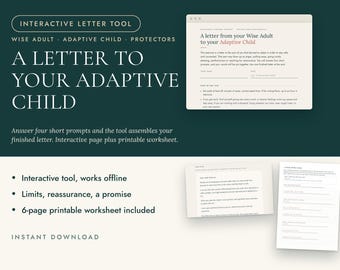
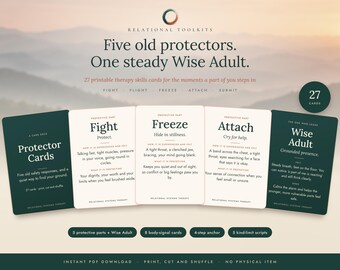
The workbooks combine explanations, practical exercises, optional body-based noticing and space for your own words.
Many exercises begin with a checkbox, a short prompt or one sentence rather than an empty page. You do not need to be fluent in feelings. You do not need to complete everything, work in order or turn reflection into another thing to get right.
Some days you may want to look more deeply. Other days you may need a little support without another task. Both belong here.
Grounded and transparent
These resources draw on research, clinical training and established therapeutic approaches, with attention to family systems, relationships, culture and the body. Sources are named, and research findings are distinguished from clinical frameworks and practice models.
I make these resources thoughtfully, including for experiences that are easily overlooked. My aim is to offer something useful, recognisable and kind, without reducing a complicated life to a label or a checklist.
No perfect answers required.
These are educational, self-guided resources, not individualised therapy or a substitute for professional care. Each workbook includes guidance on when to pause and seek additional support.