















La evolución de Tapdoodle
The Evolution of Tapdoodle
Hola, me llamo Carol y soy artista digital; sin embargo, mi carrera no empezó así. Siendo estudiante universitaria en mi último año, no estaba segura de qué técnica usaría ni qué rumbo tomaría mi estilo. Cuando descubrí el libro infantil ilustrado "¿Por qué los mosquitos zumban en los oídos de la gente?", las ilustraciones de Leo y Diane Dillon me inspiraron a dejar de lado mis lápices y probar algo diferente.
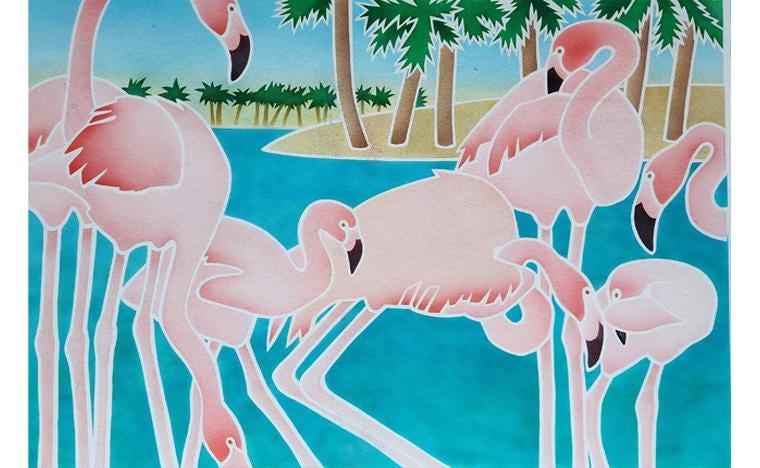
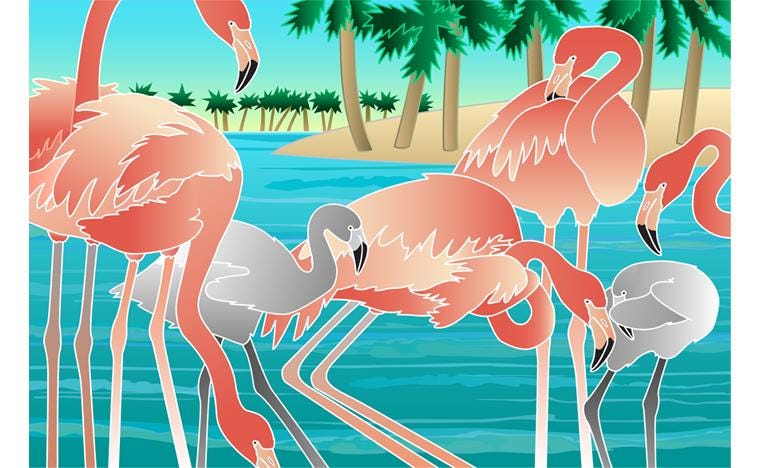
La primera ilustración de flamencos de mi presentación (muy descolorida después de 45 años) es resultado de ese cambio. Creé la pieza original transfiriendo las formas a papel de calco y recortándolas para hacer una plantilla. Usando un dispositivo que impulsaba aire a través de la punta de un rotulador, aerografié las formas recortadas. Poco después, aparecieron las computadoras y nunca miré atrás.
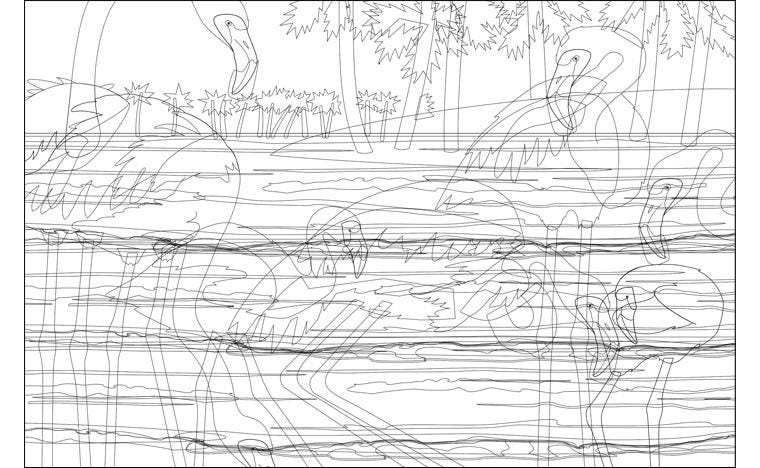
Recientemente, digitalicé mi obra original. La siguiente diapositiva muestra las líneas vectoriales que trazo con el ratón para obtener el resultado final.
Con una licenciatura en Ilustración y cinco hijos, mi trayectoria creativa ha sido a la vez irregular y gratificante. Tras ilustrar diez libros para la serie WantsToBe y dedicar doce años (y sigo) a dominar la tecnología de los libros electrónicos animados, he aprendido a crear entornos digitales que cautivan al espectador. De hecho, el nombre Tapdoodle surgió precisamente de ese concepto: tocar la pantalla para activar animaciones y efectos de sonido.
Ahora estoy adaptando mi catálogo de cientos de ilustraciones para convertirlas en herramientas prácticas para ti. Tapdoodle se centra en:
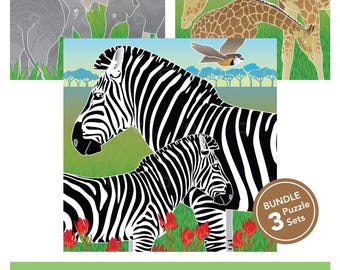
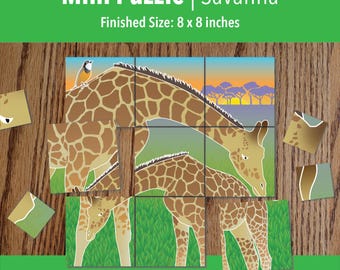
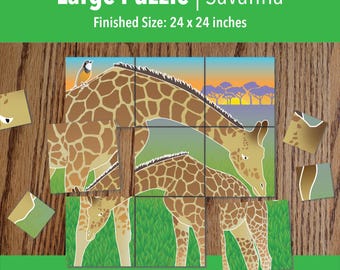
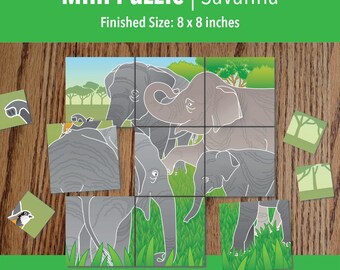
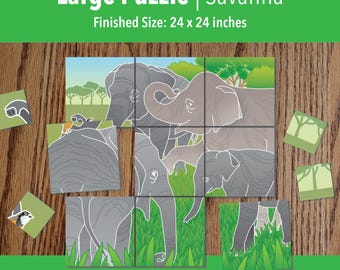
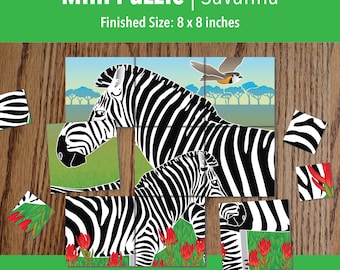
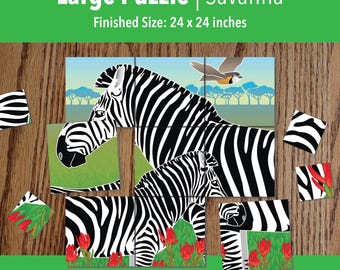
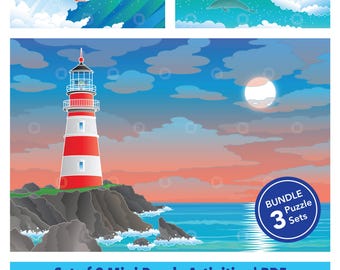
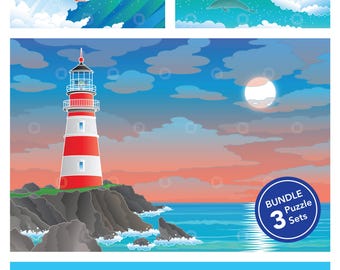
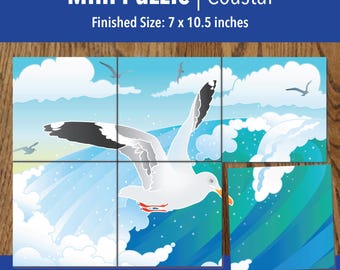
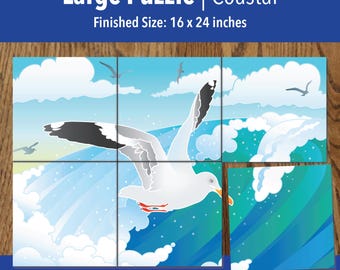
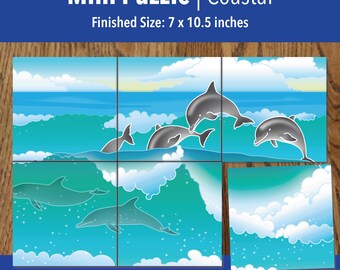
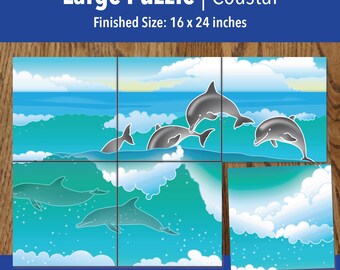
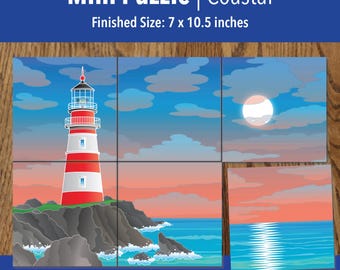
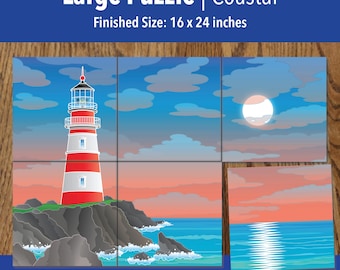
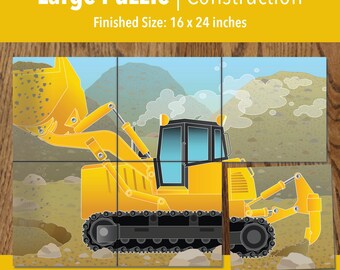
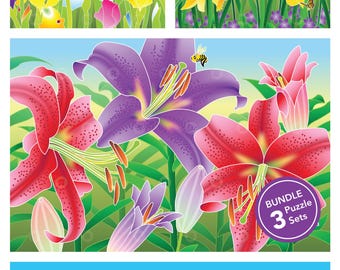
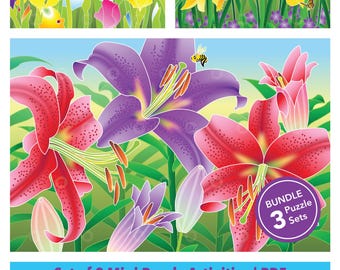
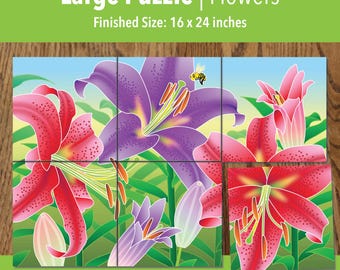
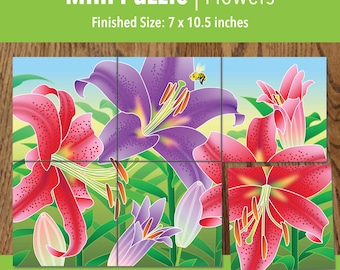
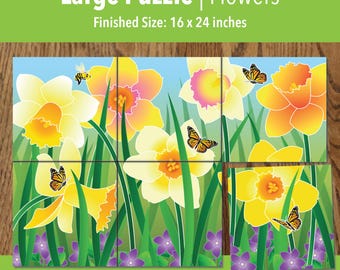
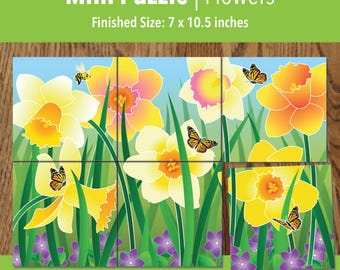
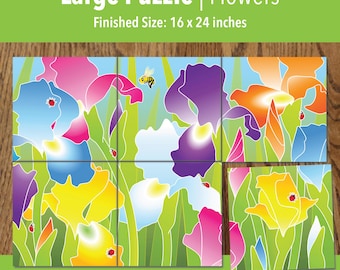
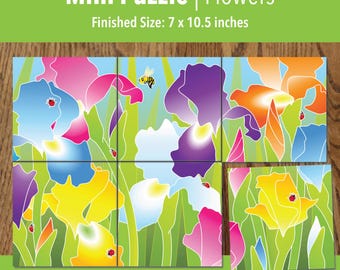
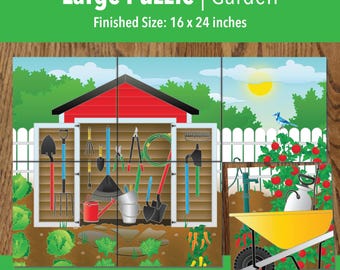
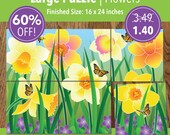
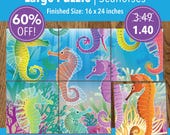
• Rompecabezas adaptativos: Diseños de alto contraste que evolucionan con el usuario, con niveles de dificultad flexibles. Están diseñados específicamente para ser respetuosos, dignos y atractivos tanto para personas mayores con problemas de memoria como para niños.
• Actividades basadas en la imaginación: Hojas de trabajo interesantes e imprimibles, como el Alfabeto de animales mezclados, que fomentan la narración de historias y el descubrimiento creativo.
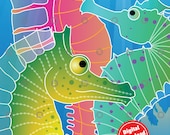
• Arte vibrante y funcional: Piezas diseñadas con alta visibilidad, excepcional claridad visual y contornos definidos para servir como herramientas accesibles para la exploración.
Espero que mi arte aporte una sensación de color, concentración y conexión a vuestro mundo.
P.D.: También tengo una tienda hermana en Etsy llamada Simpatterns; ¡no dudes en pasarte a saludar allí también!
LO QUE DICEN LOS DIRECTORES DE ACTIVIDADES:
• "Acabo de imprimir esto y quiero darte las gracias. ¡Es un trabajo precioso!" — A.D.
• "¡A mis residentes les encantan los rompecabezas! Son muy sencillos para los residentes con Alzheimer." — A.V.
• "Una participante necesita mucha ayuda, pero le gusta observar los colores. Son resistentes al tacto... y el rompecabezas se mantiene en buen estado." — A.V.
• "Se ven geniales, sencillos y no demasiado complicados. Me encantaría probarlos con mis residentes de la unidad de cuidados para personas con problemas de memoria." — E.D.
Hi, my name is Carol and I am a digital artist—however, my career didn’t start that way. As a college student in my final year, I was unsure of what medium I would use or what direction my “style” would take. When I became acquainted with the children’s picture book, Why Mosquitoes Buzz in People’s Ears, the illustrations of Leo and Diane Dillon inspired me to put away my pencils and try something different.
The first flamingo illustration in my slideshow (very faded after 45 years) is a result of that shift. I created that original piece by transferring the shapes onto tracing paper and cutting them out to make a mask. Using a unit that forced air through a marker tip, I airbrushed the cut-out shapes. Not long after that, computers became available, and I never looked back.
Recently, I took my original art and created a digital version. The next slide shows the vector lines that I draw with my mouse to create the final result.
With a BFA in Illustration and five children of my own, my creative years have been both sporadic and fulfilling. After illustrating ten books for the WantsToBe series and spending 12 years (and counting) mastering the tech behind animated eBooks, I’ve learned how to create digital environments that truly draw the viewer in. In fact, the name Tapdoodle came from that very concept—tapping on a screen to launch animations and sound effects.
I am now adapting my catalog of hundreds of illustrations into hands-on tools for you. Tapdoodle is focused on:
• Adaptive Puzzles: High-contrast designs that grow with the user, featuring flexible difficulty levels. These are specifically tailored to be respectful, dignified, and engaging for both senior memory care and children.
• Imagination-Based Activities: Engaging, printable worksheets—like the Mixed-Up Animal Alphabet—that encourage storytelling and creative discovery.
• Vibrant, Functional Art: Pieces designed with high-visibility, exceptional visual clarity, and clear outlines to serve as accessible tools for exploration.
I hope my art brings a sense of color, focus, and connection to your world.
P.S. I also run a sister shop on Etsy called Simpatterns—feel free to stop by and say hello there as well!
WHAT ACTIVITY DIRECTORS ARE SAYING:
• "I just printed this out and want to say thank you! This is beautiful work!" — A.D.
• "My residents love the puzzles!!! So simple for Alzheimer's residents." — A.V.
• "One participant needs a lot of guidance, but she likes to look at the colors. They are sturdy to handle... and the puzzle is holding up." — A.V.
• "These look awesome, simple and not too complicated, would love to try with my memory care residents." — E.D.