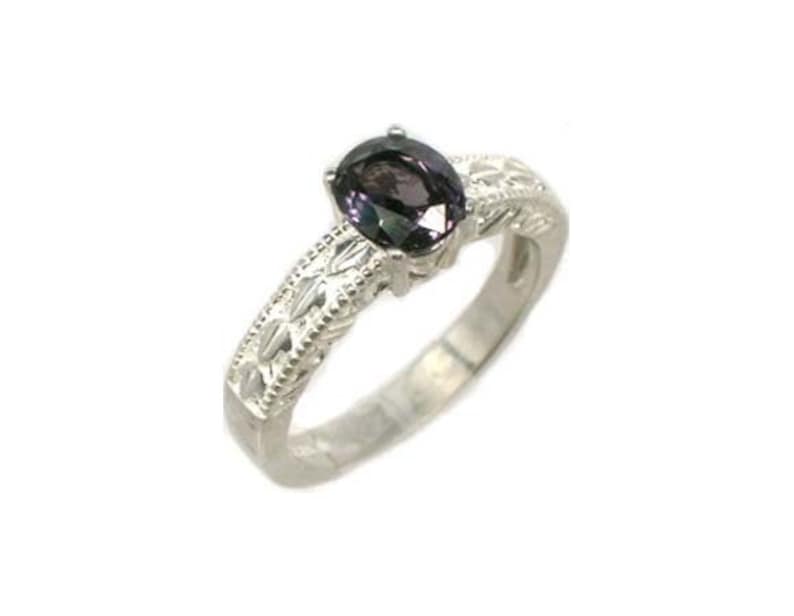
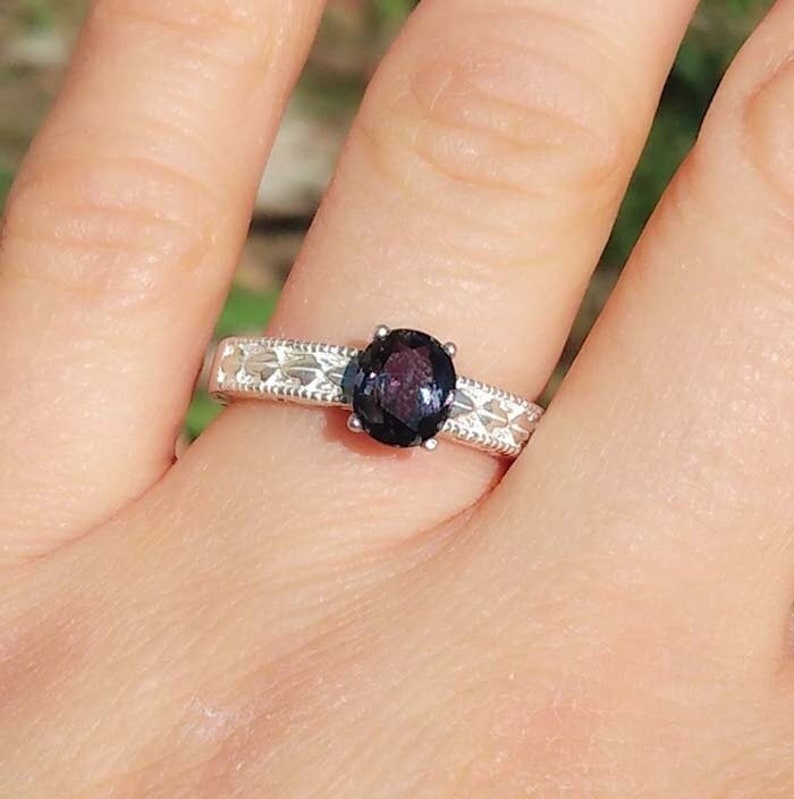
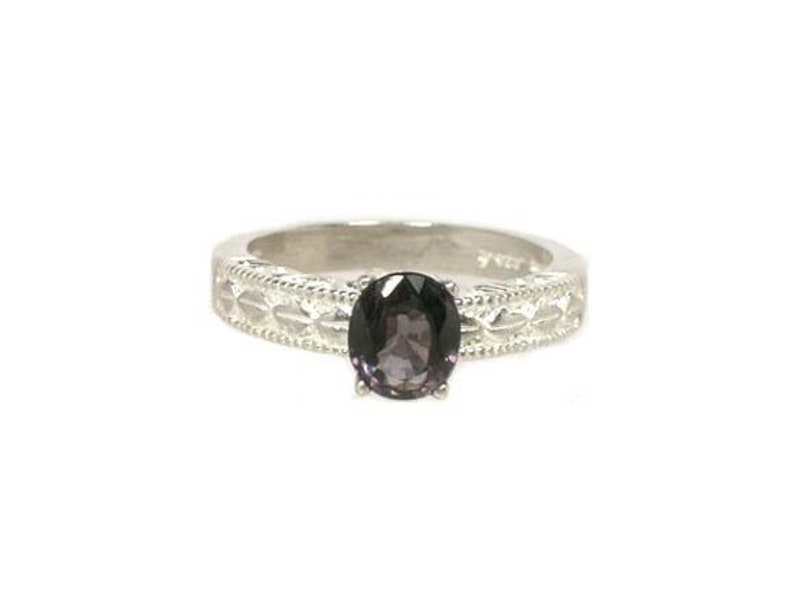
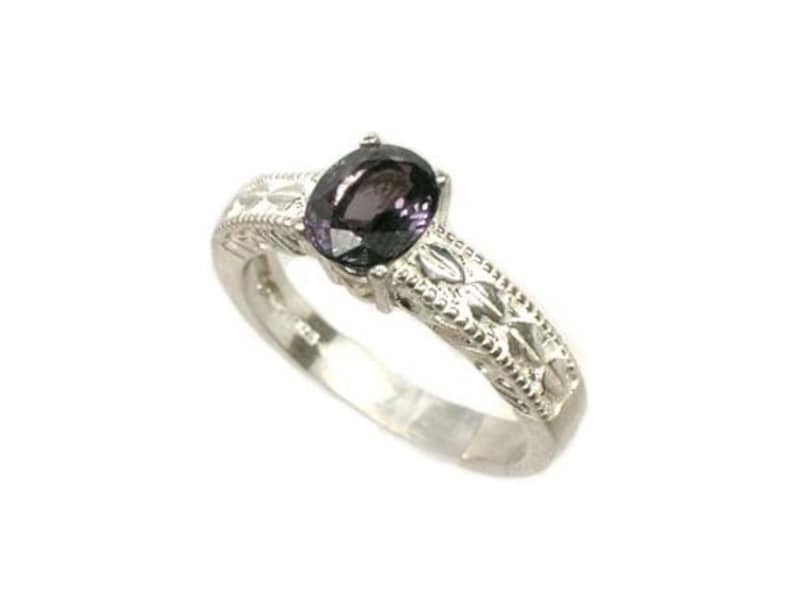
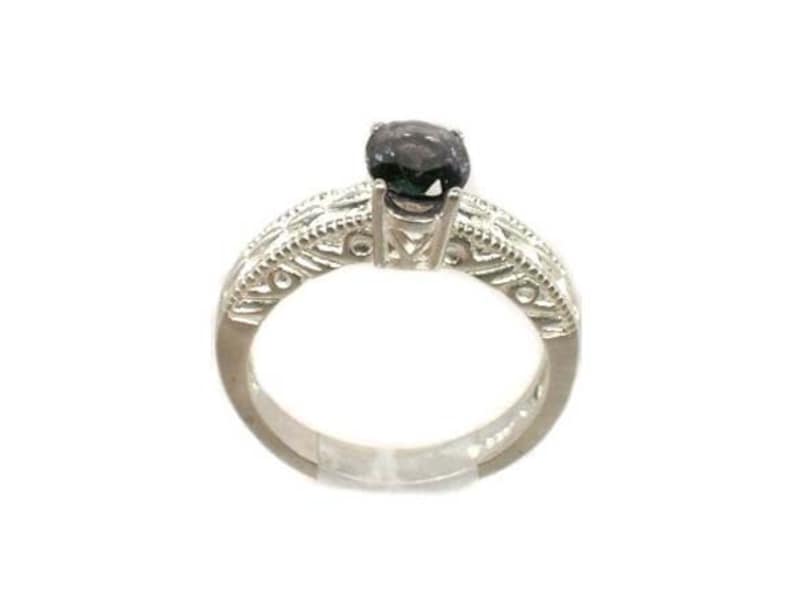
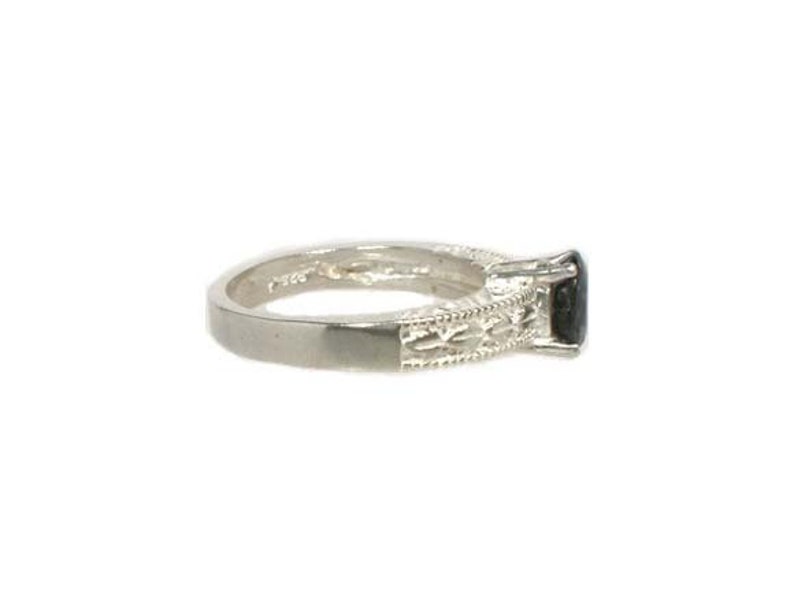
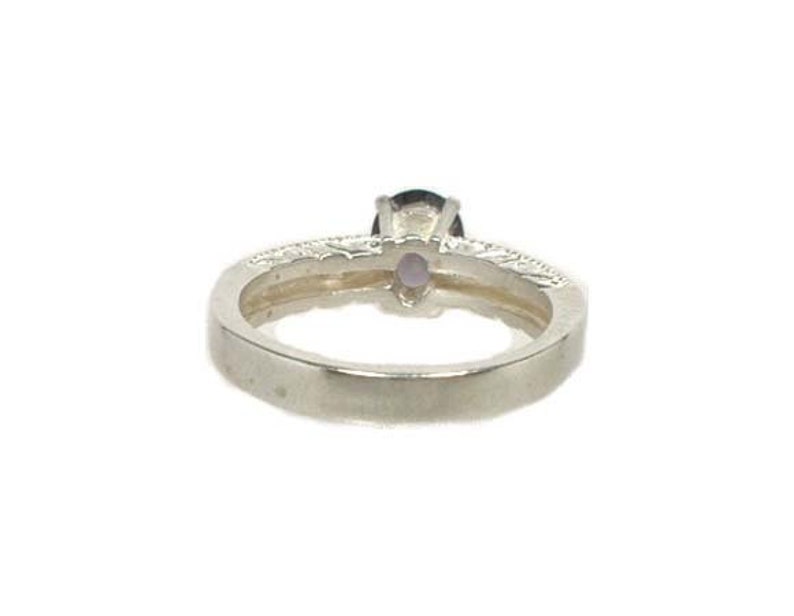
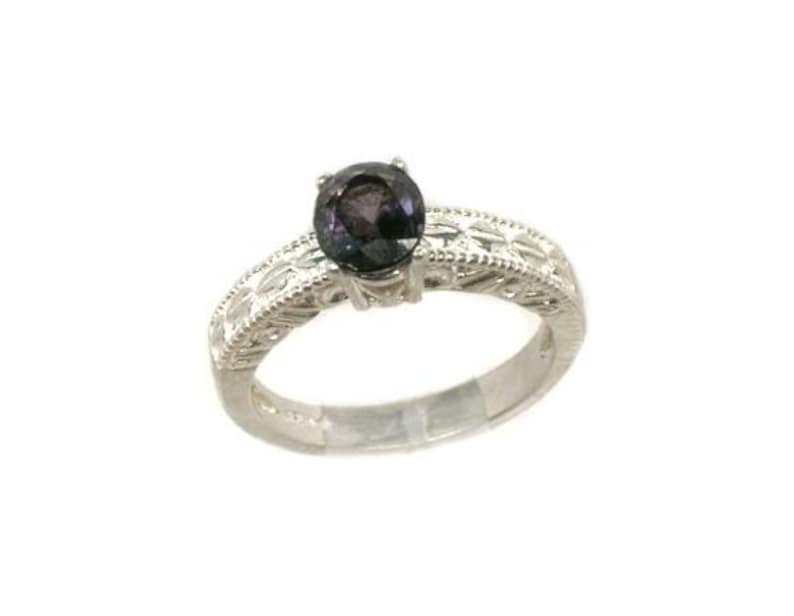
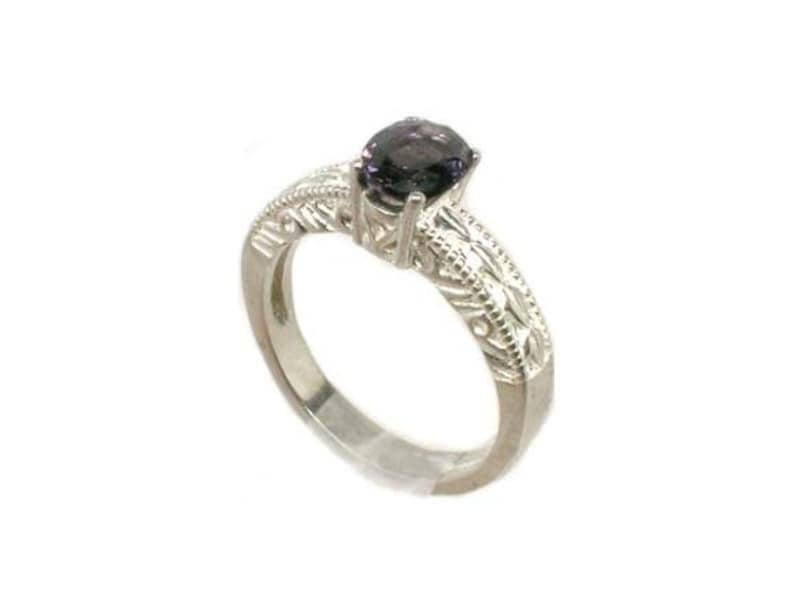
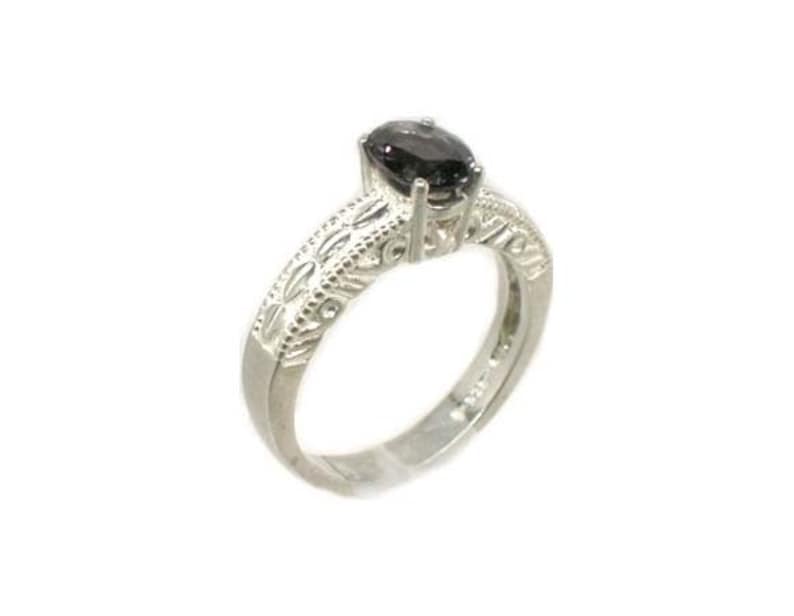


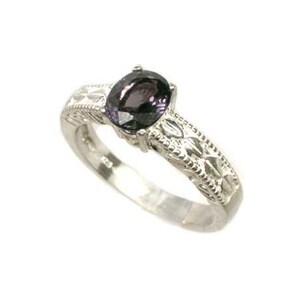
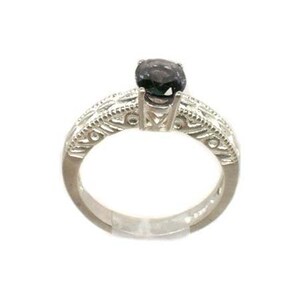
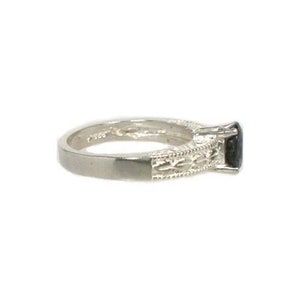
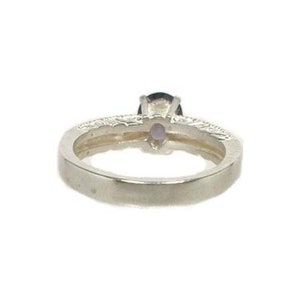
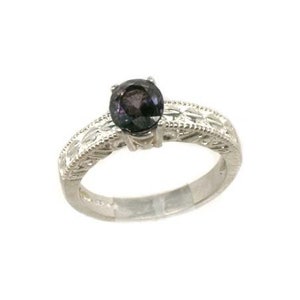
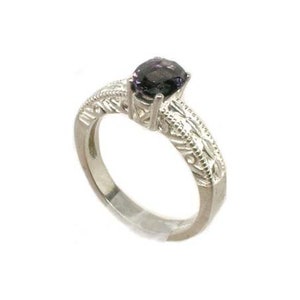
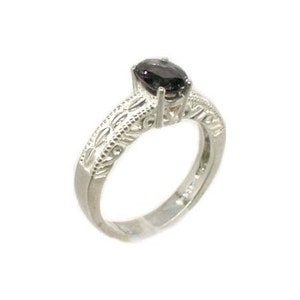
Velvety Purple Spinel Ring Medieval Europe Crown Jewel Gem, 19th Century Gem Antique Spinel Gemstone Black Prince Ruby Spinel Jewelry #59662
Rare find
Price:$269.99
Star Seller
Star Sellers have an outstanding track record for providing a great customer experience—they consistently earned 5-star reviews, shipped orders on time, and replied quickly to any messages they received.
Ships from Ohio
Your order should arrive by this date if you buy today. To calculate an estimated delivery date you can count on, we look at things like the carrier's latest transit times, the seller's processing time and shipping history, and where the order is shipping to and from.
Returns accepted
You can only make an offer when buying a single item
Star Seller. This seller consistently earned 5-star reviews, shipped on time, and replied quickly to any messages they received.
Highlights
Purple Velvet Spinel Ring, Medieval Europe Crown Jewel Gem, 19th Century Gem, Antique Spinel Gemstone, Black Prince Ruby, Gorgeous Spinel Jewelry, Perfect August Birthday Gift, Timeless Treasure Jewelry Gift, Sterling Silver Ring Size 7.5
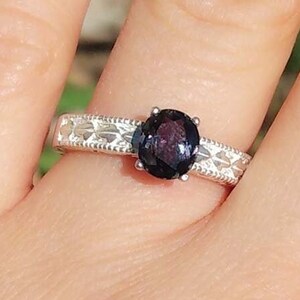
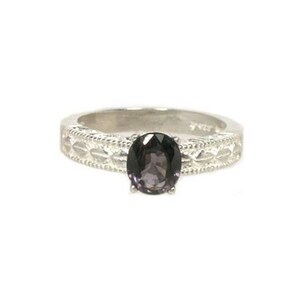
Antique, Handcrafted Genuine Natural One Carat Vibrant, Rich, Velvety Purple Colored Semi-Precious Spinel Faceted Oval Gemstone. Contemporary High Quality Sterling Silver Ring (Size 7 1/2 – Resizing Available).
CLASSIFICATION: Faceted Regal Purple Spinel Oval.
SIZE: Length: 7mm. Width: 6mm. Depth: 2 1/2mm. All measurements approximate.
WEIGHT: 1.01 carats.
NOTE: Resizing is available. 14kt solid gold setting is also available. If you would prefer a different setting style, odds are we have many different setting styles available which would fit this stone which could be substituted for no or very little additional cost. Write us for pictures and prices.
▶ See out store front here - https://timelesstreasureorg.etsy.com
▶ All store sections here
• Amethyst Citrine Jewelry - https://etsy.me/3LECbMr
• Aquamarine Emerald Jewelry - https://etsy.me/3n3QvVi
• Garnet Jewelry - https://etsy.me/3VgOvWf
• Alexandrite Jewelry - https://etsy.me/3LalyXk
• Black Opal and Pearl Jewelry - https://etsy.me/3YtJwDl
• Iolite and Tanzanite Jewelry - https://etsy.me/3Kzq3eC
• Jasper / Agate / Carnelian - https://etsy.me/3KsHFc8
• Lapis Lazuli and Onyx Jewelry - https://etsy.me/3KyLPir
• Moldavite Apatite Jewelry - https://etsy.me/440pRvG
• Ruby and Spinel Jewelry - https://etsy.me/3LFlNLD
• Sapphire Jewelry - https://etsy.me/40IW74R
• Smoky Quartz and Andalusite Jewelry - https://etsy.me/3LCsPAF
• Tourmaline Jewelry - https://etsy.me/4268p8t
• Topaz and Peridot Jewelry - https://etsy.me/3oUDb6c
• Turquoise Malachite Jewelry - https://etsy.me/3LEEHCn
DETAIL: Often mistaken for ruby or sapphire in Medieval and Renaissance Europe, many of the so-called "rubies" and “sapphires” in Europe's crown jewels are actually spinel. The most famous is the Black Prince's "Ruby", a magnificent 170-carat red spinel that currently adorns the Imperial State Crown in the British Crown Jewels. Long believed to be a ruby, this gem was once owned by the Arabian Emirs, who were the rulers of Granada (present-day Spain). Another of history’s most famous gemstones is a spinel known as the “Timur Ruby”, a 352-carat red spinel named after Tamerlane, who came to possess the gemstone as a result of his plunder of Delhi, and ordered that his name be carved upon it. Now owned by Queen Elizabeth, the gemstone has the names of some of the Mughal emperors who previously owned it engraved on its face.
Looking like a very vibrant, rich, regally hued purple sapphire, one instantly knows it is not merely iolite or amethyst due to the brilliance and flash of the gemstone. Is it a sapphire? It has all the fire and sparkle of a precious gemstone. Actually if you were able to examine the crown jewels of the royal families of Medieval, Renaissance, and Victorian Europe from England to Siberia, you would find many fabulous examples of this gemstone. And had you been able to ask the actual owners of these gemstone, royalty all, or their royal jewelers as to the identity of this stone, they would have answered ruby or sapphire – corundum. But history would prove them wrong, as many of the greatest, most massive, and most valuable rubies and sapphires in the crown jewels of Europe’s royalty were…spinel. With nearly the same hardness as corundum, and similar flash and brilliance (refractive index), it has been mistaken for ruby, sapphire, and other precious gemstones for centuries.
This very intensely colored and brilliant gemstone shares this heritage. The gemstone was hand crafted and faceted by a 19th century artisan, part of an heritage renown for the production of the elaborate gemstones and jewelry of the Czars of Medieval, Renaissance, and Victorian Europe. The result is an exquisite and incredibly rich purple colored gemstone with brilliant flashes and much the same hue, flash, and brilliance of a purple sapphire. In fact much more flashy than all but the highest quality sapphire, it is probably going to be most often mistaken for sapphire worth many times more should you be the fortunate new owner of this amazing gemstone. The setting is of contemporary origin. It is a high quality setting manufactured by one of the USA’s leading semi-custom mount producers. It is constructed of solid sterling silver. We do have the ability to have the ring sent out for resizing if requested. Additionally, if preferred, the mounting is also available in 14kt solid gold.
Spinel, like the rubies and sapphires it is so often mistaken for, is noted for being a rather “dirty” gemstone, much like emeralds and tourmaline as well. However this specimen is absolutely eye clean, and even in these 500% photo enlargements, it is difficult to discern any significant blemishes. To the naked eye it is without flaw, richly hued, and alive with sparkles. Good quality spinel is in extremely short supply, especially such clean specimens, and can be very costly. This is at the present time one of only a handful of specimens we have to offer. Even at the source, it is a quite uncommon and fairly scarce gemstone.
Under magnification the gemstone shows the unmistakable characteristics of having been hand crafted. The coarseness of the 19th century finish is considered appealing to most gemstone collectors, and is not considered a detriment, or detract from the value of a gemstone. These characteristics are not only expected of hand-finished gemstones, most serious collectors consider such gemstones more desirable, possessed of greater character and uniqueness when compared to today's cookie-cutter mass-produced machine-faceted gemstones. Unlike today’s computer controlled machine produced gemstones that approach flawlessness in a perfect finish, the cut and finish of a handcrafted gemstone such as this is the legacy of an artisan who lived two centuries ago.
This gemstone possesses superb luster and sparkle, and to the eye is completely transparent, but one cannot say with absolute certainty that it is unconditionally flawless. True, the blemishes it possesses are not visible to the naked eye, and the gemstone can be characterized at a minimum, to use trade jargon, as "eye clean". To the eye it is indeed flawless; however were one to examine it in a jeweler’s loupe, it’s almost certain that a few minute blemishes could be detected. Of course the same may said about almost any natural gemstone. An absolutely flawless gemstone simply is not the rule in nature. Most absolutely flawless gemstones will upon close examination be revealed to be synthetic. You might also notice under magnification occasional irregularities in the cut and finish. Naturally these characteristics are not only expected of hand-finished gemstones, you must also consider that two centuries ago the mining techniques prevalent did not allow the ultra deep mining operations which are so common today.
Keep in mind that two centuries ago mankind was more or less limited to surface deposits or near surface deposits of gemstones. Higher quality gemstones which today are routinely mined from beneath hundreds of meters, even kilometers beneath the earth's surface, were simply inaccessible then. For these reasons antique gemstones must be appreciated as antiques first, gemstones second. The relatively superlative quality of contemporary gemstones routinely mined from deep beneath the earth's surface today were simply not accessible two centuries ago, or at least, only rarely so. However for most, the unique nature and character of antique gemstones such as this more than makes up for minor blemishes both within the gemstone as well as in the finish, which by and large of course, are (if at all) only visible under high magnification.
HISTORY OF SPINEL: The name “spinel” is probably derived from the Latin word “spinella”, itself derived from the Greek work meaning “spark”, probably in reference to the bright red or orange color of some crystals. Mariners as early as the 11th century knew spinel as “lodestone”, which literally means “way stone”. Due to the unique magnetic properties of spinel, it literally “found the way” for ancient mariners as it was used to magnetize the compasses which they used to guide their ship's course at sea. This also saw the beginning of the art of cartography, as seaman began to plot the courses of their voyages and create the earliest maps of the world. One early known use of spinel was from about 100 B.C. in a Buddhist tomb in Afghanistan. There are also references to spinel in ancient Sanskrit texts, which referred to spinel as “the daughter of ruby”. Spinel was also extensively was used in jewelry by the Romans.
Spinel comes in a wide variety of beautiful colors and is especially prized for its red, blue, pink, and purple varieties. The red variety has oftentimes been mistaken for ruby, and many of the so-called “rubies” in Europe’s crown jewels are actually spinel. The most famous is the Black Prince's “Ruby”, a magnificent 170-carat red spinel that currently adorns the Imperial State Crown in the British Crown Jewels. Long believed to be a ruby, this gem was once owned by the Arabian Emirs, who were the rulers of Granada (present-day Spain). In the 14th century, Pedro the Cruel, the king of Castile, under the pretext of negotiations, drew into ambush the Emir Abu Said and ruthlessly murdered him and took the gemstone. The gemstone was given to England’s Edward the Black Prince, heir to the British throne, in return for military service putting down an insurrection raised against Pedro the Cruel. King Henry V then wore the gemstone on his battle helmet during the battle of Azincourt in 1415 A.D. King Richard III of England, the last of the Plantagenet dynasty, wore the same helmet during the Battle of Bosworth Field in 1485 A.D., where he was killed.
The Timur Ruby is a 352-carat red spinel named after Tamerlain, the Tartar conqueror who came to possess the gemstone as a result of his plunder of Delhi, and ordered that his name be carved upon it. The gemstone eventually returned to India, where it was incorporated into the famous “Peacock Throne”, which was subsequently brought back to Persia in 1739 by the conqueror Nader Shah. When Nader Shah was assassinated in 1747, the Peacock Throne itself disappeared from historical records (presumably disassembled), though the magnificent spinel which was its centerpiece survived. Now owned by Queen Elizabeth, the gemstone has the names of some of the Mughal emperors who previously owned it engraved on its face.
The Samarian Spinel is the world’s largest spinel weighing 500 carats, and is part of the Irian Crown Jewels, displayed at the Museum of the Treasury of National Jewels. According to legend the gemstone once adorned the Biblical Golden Calf, mentioned in Exodus 32. The Hebrews escaping from Egypt in the 13th century B.C. asked Aaron, the brother of Moses to fashion a golden calf, an idol that was then worshipped by the ancient Hebrews. Moses later came down from the Sinai carrying with him the tablets containing the ten commandments, and upon seeing his people worshipping the golden calf, ordered its destruction. However, the worship of the Golden Calf continued up to the 10th century B.C. till the age of Jeroboam I, King of Israel.
In the ancient world red spinel was also known as a “Balas Ruby”, and was mined in Northwest and Tajikistan, and traded throughout China and Europe. Although history does not document the mining of spinel until about 750 A.D., it is likely the source for the spinel of the Romans and the rest of the classical Mediterranean. Marco Polo mentioned the famous “Badakhshan” mine which produced this gemstone, describing the gemstone as “Balas Ruby”. The name for Badakhshan in the ancient world was “Balascia”, from which the name “Balas Ruby” was born. Though spinel is presently less expensive than ruby, it is many times more rare. And despite all of the confusion in Europe over what was spinel and what was ruby, in Ba where both gemstones have been mined for many centuries, spinel was recognized as a separate gem species as early as 1587 A.D.
However in Europe, confusion lasted for many centuries after that, red spinel still referred to as “Balas Ruby” or “Oriental Ruby” for several more centuries. As well, blue, pink, and purple spinel was oftentimes mistaken for sapphire. Spinel has been produced continuously from a nearby deposit since 1843 A.D. Now treasured for its own sake, spinel is a favorite of gem dealers and gem collectors due to its brilliance, hardness and wide range of spectacular colors. Red and orange spinel owes its color to chromium, violet to manganese, and to iron or cobalt for the very rare blue variety of spinel.
Throughout the history of the ancient world, gemstones were believed capable of curing illness and providing protection. Found in Egypt dated 1500 B. C., the "Papyrus Ebers" offered one of most complete therapeutic manuscripts containing prescriptions using gemstones and minerals. Gemstones were not only valued for their medicinal and protective properties, but also for educational and spiritual enhancement. In the ancient world spinel was associated with love, was worn as a protective talisman, and was said to help the wearer resolve contentious issues, to put their ego aside, and become devoted to another person. Spinel also was believed to encourage passion and is said to increase the duration of the wearer’s life, and was also said effective in relieving sadness.
-
Order today to get by Nov 2-9
Your order should arrive by this date if you buy today. To calculate an estimated delivery date you can count on, we look at things like the carrier's latest transit times, the seller's processing time and shipping history, and where the order is shipping to and from.
-
Returns accepted within 30 days
Buyers are responsible for return shipping costs. If the item is not returned in its original condition, the buyer is responsible for any loss in value.
-
Free shipping
-
Ships from: Cincinnati, OH
There was a problem calculating your shipping. Please try again.
Etsy Purchase Protection
Shop confidently on Etsy knowing if something goes wrong with an order, we've got your back for all eligible purchases —
see program terms

Be the first to review this item

Smooth shipping Has a history of shipping on time with tracking.
Speedy replies Has a history of replying to messages quickly.
Rave reviews Average review rating is 4.8 or higher.
More from this shop
Visit shop-

Bright Red Spinel Ring Ancient Mariner Jewelry 19th Century Gem Antique Gemstone Lodestone Way Compass Gem Silver Ring Spinel Jewelry #52210
$109.99
-
Gorgeous Ruby Pendant Ancient Hindu Ratnaraj King of Gems Warrior Amulet 19th Century Antique Gemstone Ruby Necklace 14kt Gold Fill #44404
$229.99
-
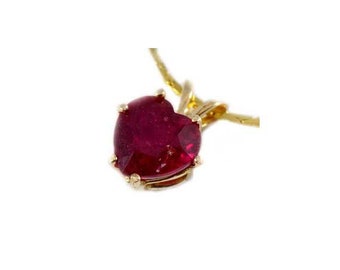
Genuine Ruby Pendant Ancient God Zeus Gemstone Ruby Heart Gemstone 14kt Gold Pendant Vintage Gemstone True Love Red Ruby Pendant #65293
$1,399.99
-

Red Spinel Earrings Forbidden Gemstone of Empress Catherine II Antique Gemstone Crown Jewel Gemstone Spinel Studs 19th Century Gem #66439.2
$239.99
-

Purple Spinel Cabochon Bracket Ring in Sterling Silver - Size 6
$235.00
-
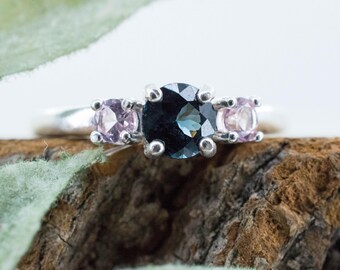
Blue Spinel and Tourmaline Ring, Natural Untreated Sri Lanka Blue Spinel
Sale Price $233.75
Original Price $275.00
-
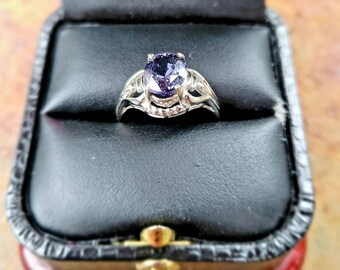
Purple spinel and white gold ring
$225.00
-
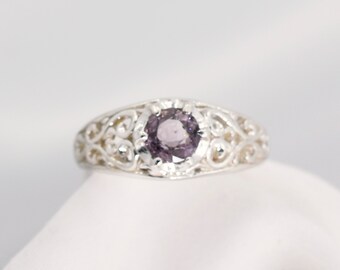
Purple Spinel Ring, Genuine Natural 6mm Round .90ct Gemstone, Set in 925 Sterling Silver Solitaire Scrolled Ring
$135.95
-
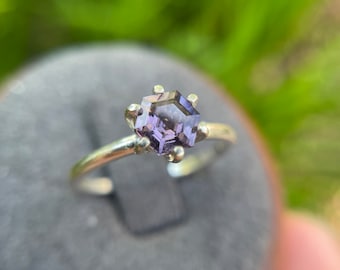
Purple Hexagon Spinel Ring, Sterling Silver Solitaire, US Size 6
Sale Price $247.50
Original Price $330.00
-
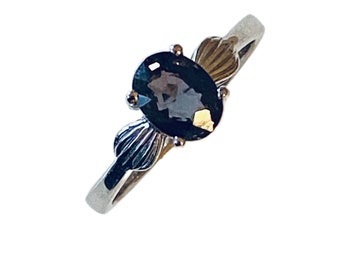
Burmese Multi-Colour Spinel Ring
$245.11
-
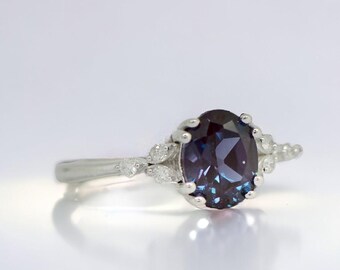
Sterling Silver Oval Gemstone And Diamond Rings
Sale Price $147.82
Original Price $164.25
-
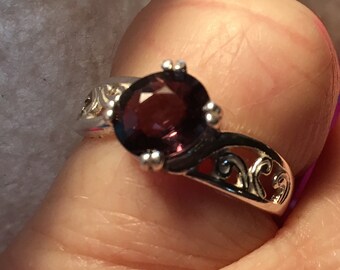
Purpleish Genuine Spinel Ring
$161.00
-
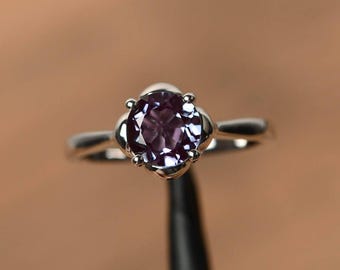
round cut alexandrite wedding rings color changing gemstone sterling silver rings June birthstone ring
Sale Price $138.57
Original Price $145.86
-
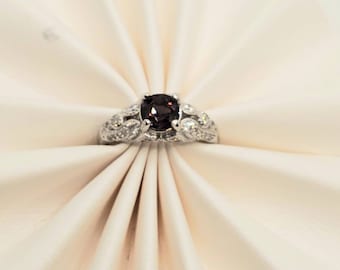
Vintage Art Deco Purple Spinel Ring: Sterling Silver Engagement Ring
$130.95
-
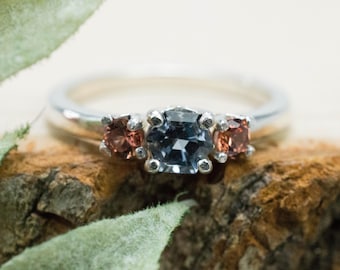
Gray and Pink Spinel Ring, Natural Untreated Mozambique and Vietnam Spinel
Sale Price $170.00
Original Price $200.00
-
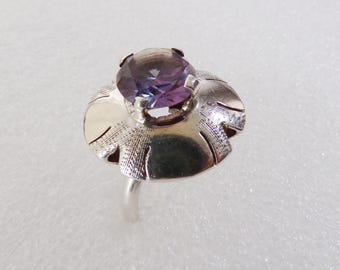
Vintage Purple Sapphire Ring Change Sapphire Sterling Silver Change Sapphire Ring T15
$155.00
Shoppers with similar taste loved these
-
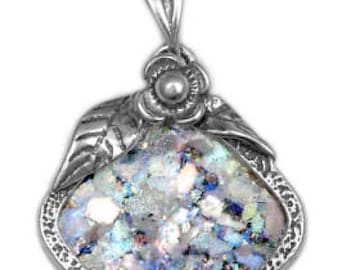
Beautiful Ancient Roman Glass Pendant, 925 Sterling Silver Pendant, Roman Glass Jewelry, Flower Jewelry, Flower Pendant
$180.00
-
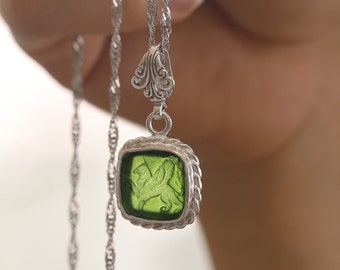
Pegasus Horse Pendant, Greek Coin 925 Silver Pendant, Ancient Glass Intaglio Pendant, Handmade Jewelry, Mythological Art Design Pendant
Sale Price $44.00
Original Price $62.86
-
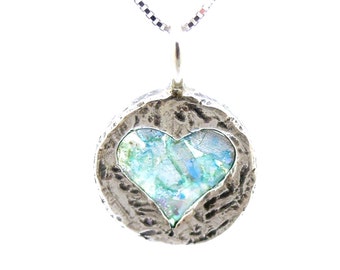
Hammered Sterling Silver Heart Pendant: 2000-Year-Old Roman Glass
$128.70
-
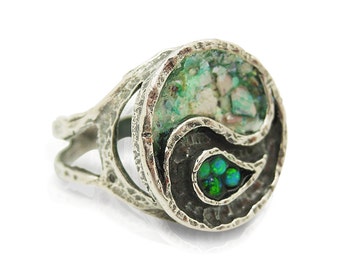
Yin Yang Ring: Mosaic Opal & Roman Glass, Sterling Silver Jewelry
$179.00
-

Beautiful Woman Pendant, 925 Sterling Silver Pendant, Ancient Roman Glass Pendant, Roman Glass Jewelry
$198.00
-
Sterling Silver Roman Glass Pendant Necklace - 15mm Round
$70.00
-
Roman Glass Necklace, Ancient Roman Glass Sterling Silver Pendant, Israeli Holyland Jewelry Handmade in Israel
$163.02
-
Georgian Spinner Intaglio, Antique Gold Filled Carnelian Eagle Crest Seal Fob
$525.25
-
14K Gold Victorian Carved Carnelian Intaglio Fob Pendant
$420.00
-

Victorian Intaglio Pendant, Carnelian Intaglio Pendant, Carved Intaglio
$1,625.00
-
Enamel Intaglio Aphrodite Pendant: 925K Solid Silver Ancient Jewelry
Sale Price $33.00
Original Price $110.00
-
Antique Victorian Carnelian Intaglio Pendant
$216.93


Looking for more? Find it on Etsy