



Rare find
Price:$139.00
Kabbalah Magic and Science Occult Metaphysical Book Jewish Qabalah Cabala Hebrew Torah Spiritual Book
Star Seller
Star Sellers have an outstanding track record for providing a great customer experience—they consistently earned 5-star reviews, shipped orders on time, and replied quickly to any messages they received.
Your order should arrive by this date if you buy today. To calculate an estimated delivery date you can count on, we look at things like the carrier's latest transit times, the seller's processing time and shipping history, and where the order is shipping to and from.
Returns & exchanges accepted
You can only make an offer when buying a single item
Star Seller. This seller consistently earned 5-star reviews, shipped on time, and replied quickly to any messages they received.
Highlights
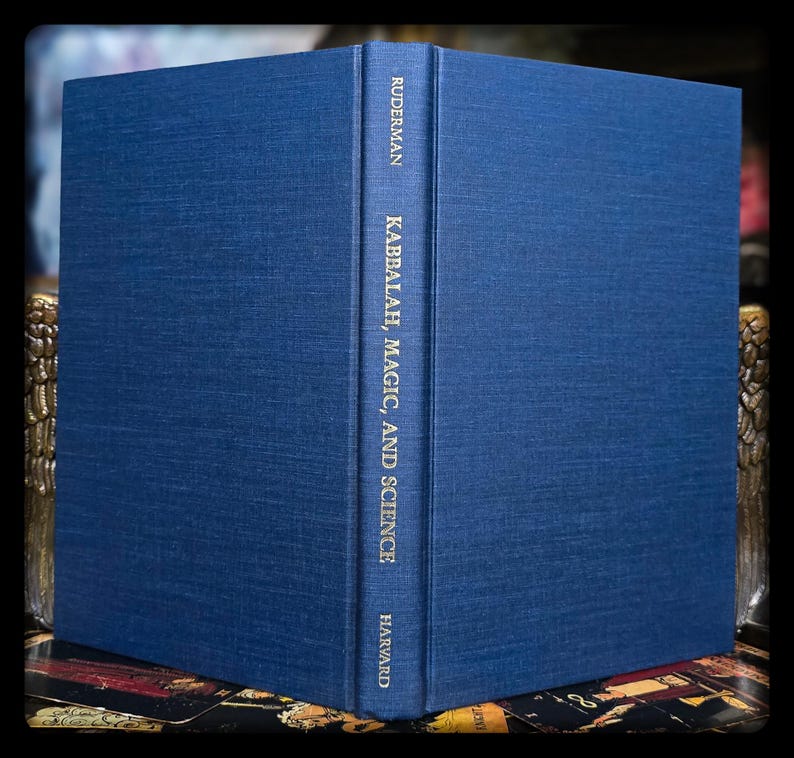
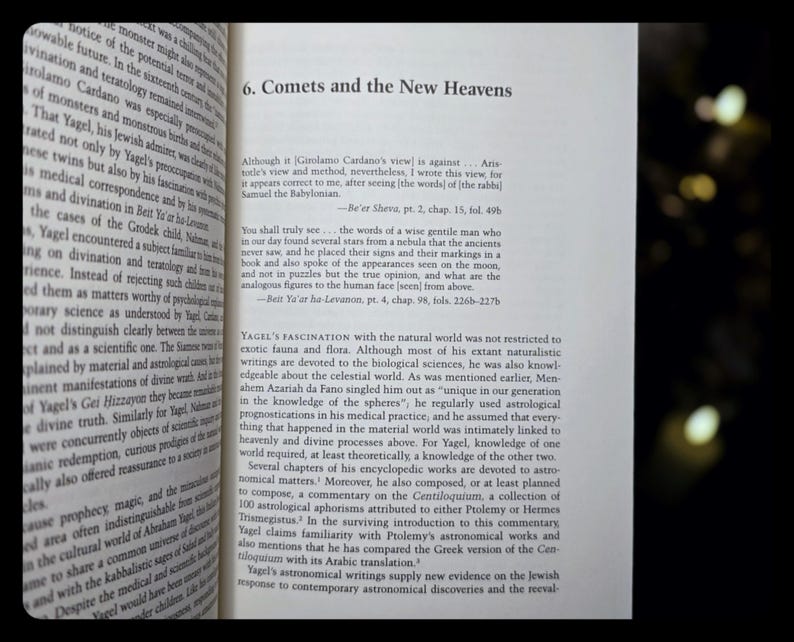
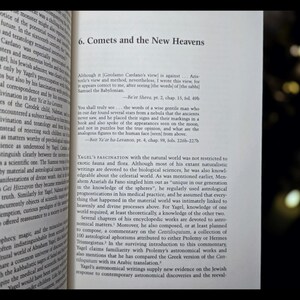
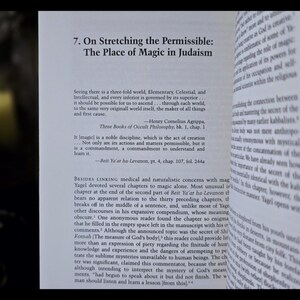
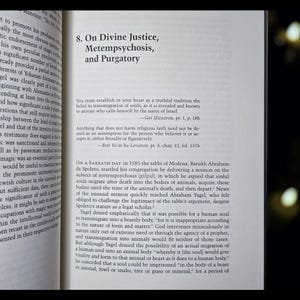
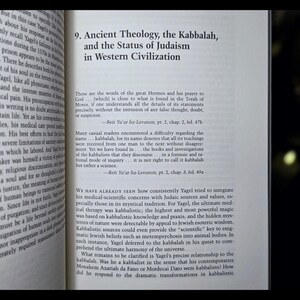
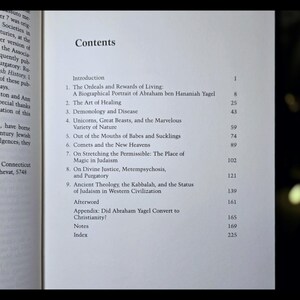
A beautiful and genuine 1st edition 1st printing with a correct ISBN code and descending publisher's number line from 10 to 1, ("1 denoting the first printing, first edition.) Stamped as released by the president and fellows of Harvard. The book is in excellent condition; it looks barely read, if at all.
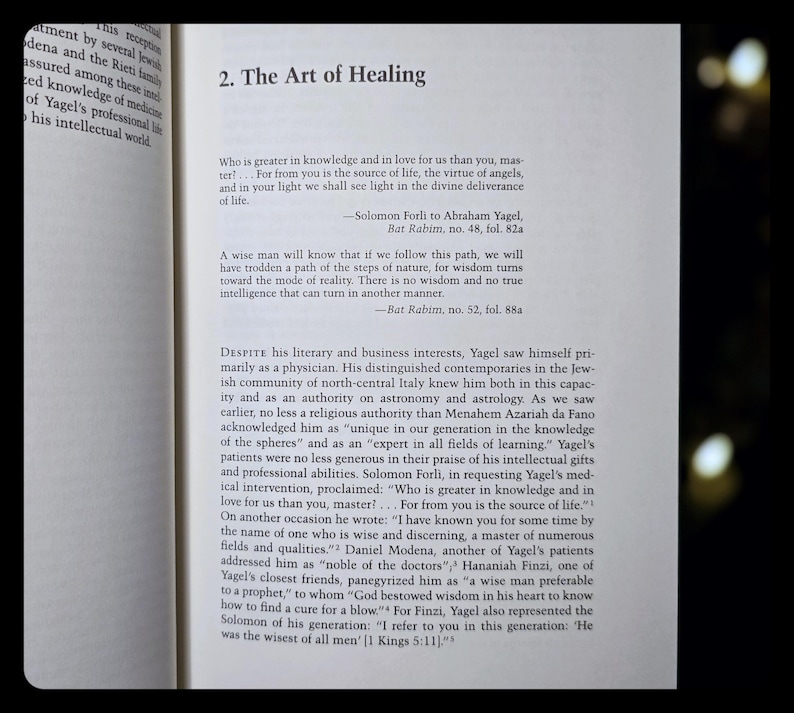
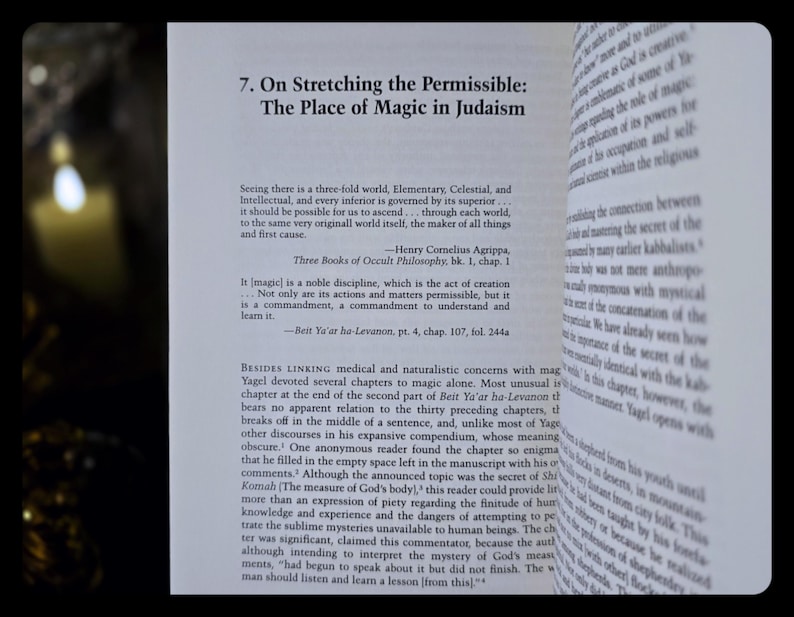
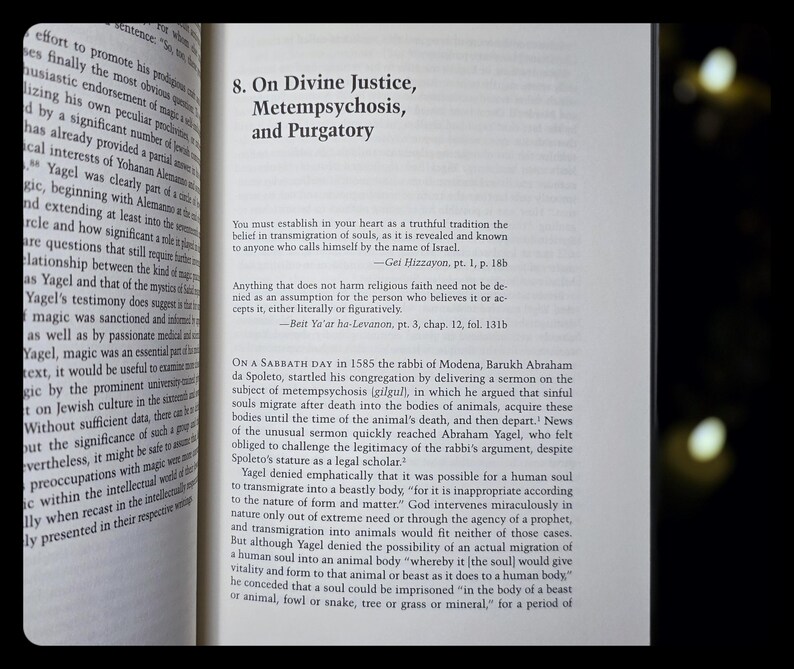
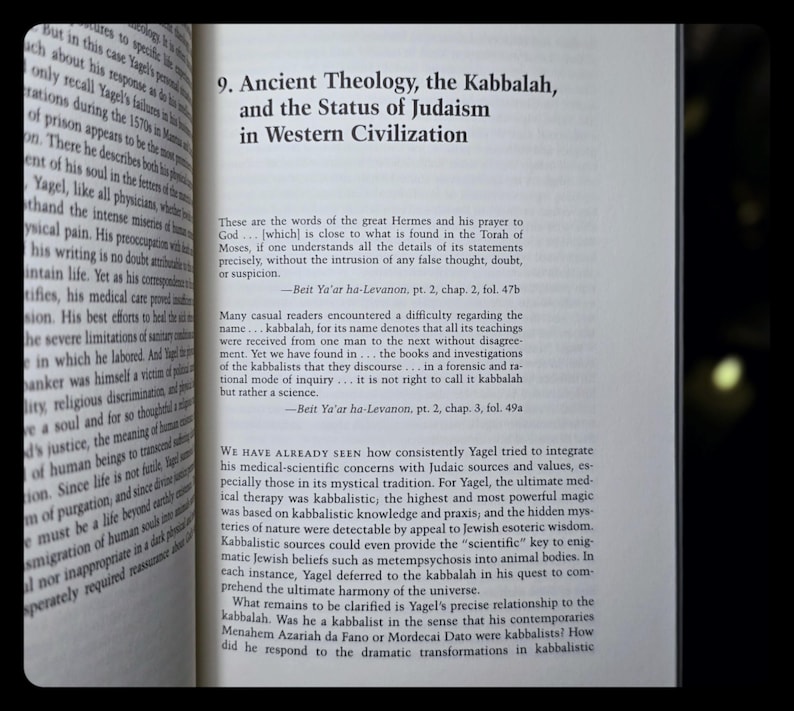
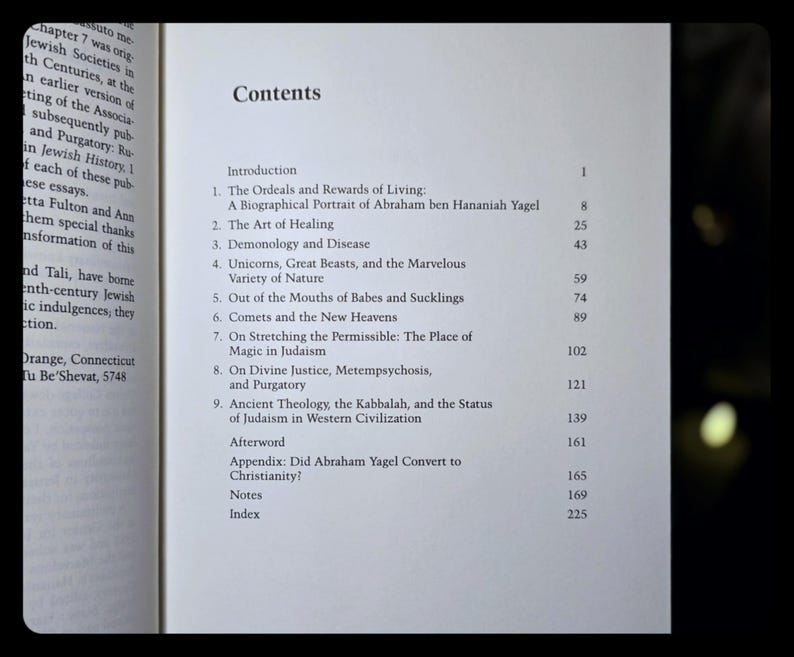
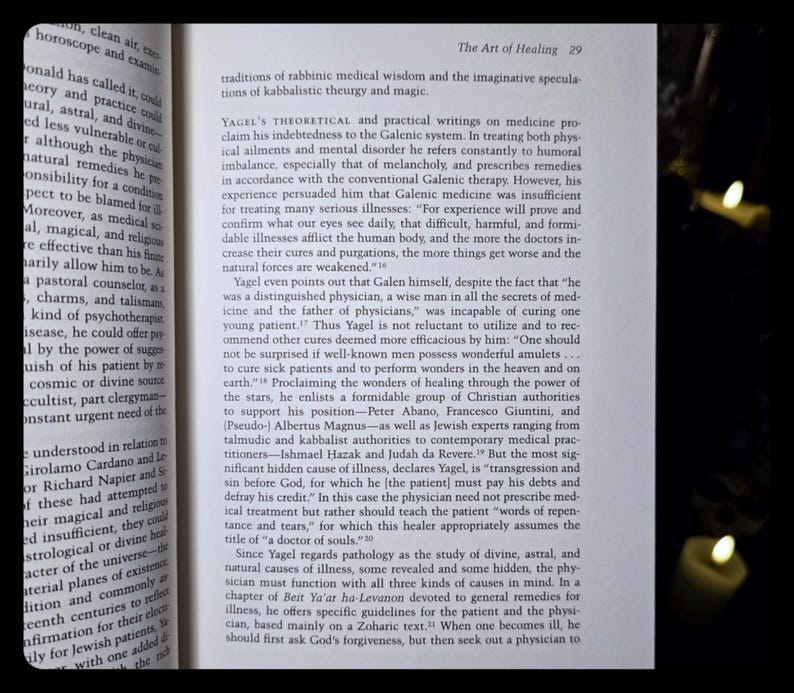
Discussed: The Kabbalah, The art of healing, Magic in Judaism, Divine Justice, Reincarnation (Metempsycosis or the transmigration of souls), Ancient Theology, Jewish mystical and magical traditions, Astrology, Exorcism, Christian theology, Laws of creation, Moses, Dreams, Witch of Endor, Hermetecism, Kabbalah, Magic, Merlin, Necromancy, Prophecy, Mythology, Pythagorus, Book of Creation, Talismans, Mysticism, Metaphysical science, Spirituality, and much more.
This is a beautiful first edition of this fascinating book on the Kabbalah and Jewish mysticism.
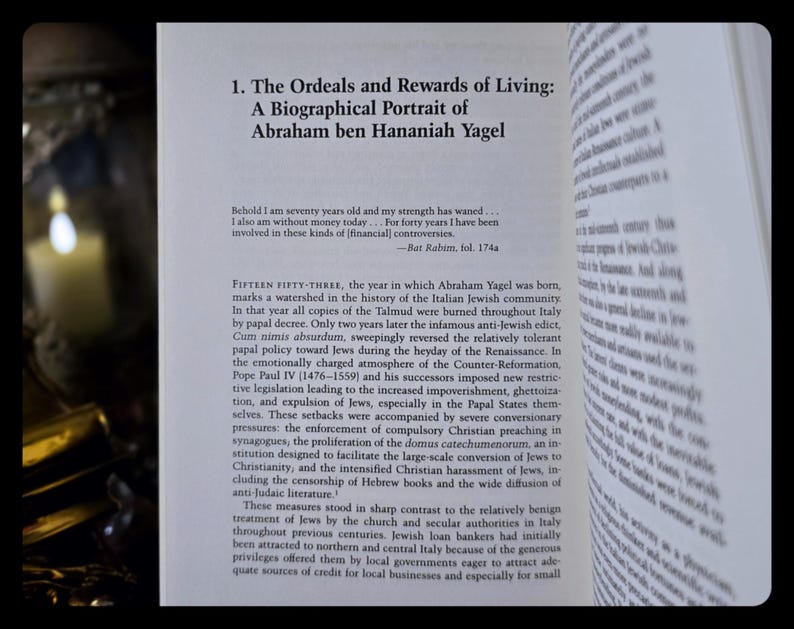
It explores the interplay between Jewish mysticism (Kabbalah), magical traditions, and emerging scientific thought during the 16th century. Ruderman focuses on the intellectual and cultural dynamics of Jewish scholars, particularly in Europe, during a period when Renaissance humanism, scientific inquiry, and mystical traditions intersected. The book centers on figures like Abraham Yagel, a Jewish physician and polymath, whose writings reflect the era’s complex blend of rational, mystical, and magical perspectives. Ruderman examines how Jewish thinkers engaged with Kabbalistic ideas, Renaissance philosophy, and early scientific developments, navigating tensions between tradition and innovation. It highlights how these intellectuals synthesized diverse knowledge systems, contributing to broader cultural and intellectual shifts. This particular edition is undoubtedly one of the finest I have ever seen and is a true first edition, first printing.
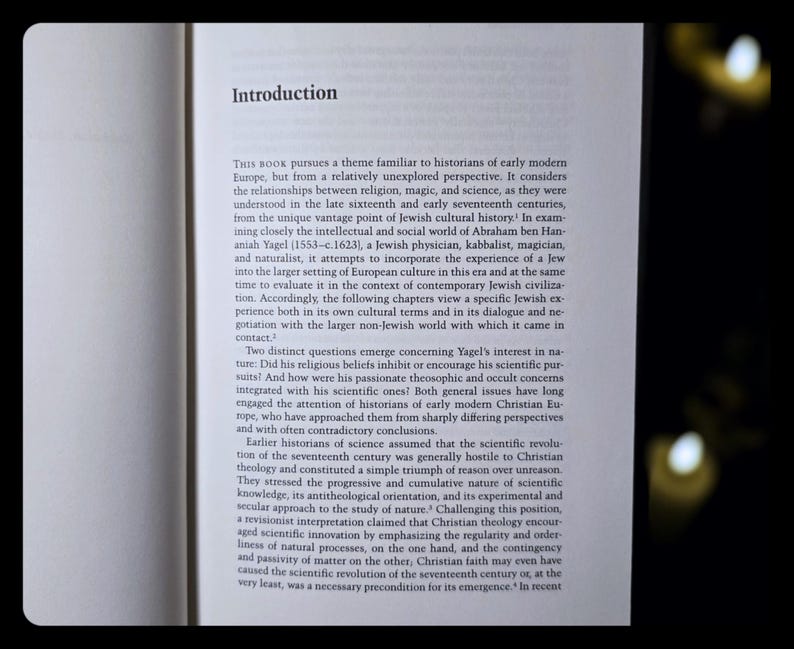
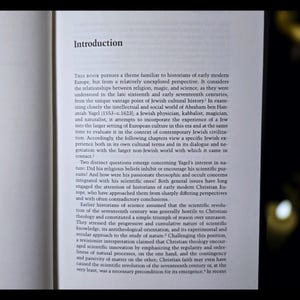
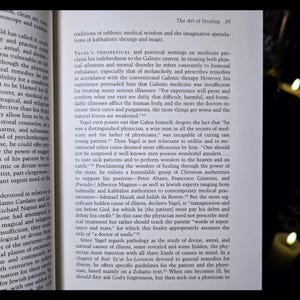
This Book pursues a theme familiar to historians of early modern Europe, but from a relatively unexplored perspective. It considers the relationships between religion, magic, and science, as they were understood in the late sixteenth and early seventeenth centuries, from the unique vantage point of Jewish cultural history.' In examining closely the intellectual and social world of Abraham ben Hananiah Yagel (1553-c.1623), a Jewish physician, kabbalist, magician, and naturalist, it attempts to incorporate the experience of a Jew into the larger setting of European culture in this era and at the same time to evaluate it in the context of contemporary Jewish civilization. Accordingly, the following chapters examine a specific Jewish experience, both in its own cultural terms and in its dialogue and negotiation with the larger non-Jewish world with which it came into contact.
The overall condition of this book is excellent. It was published in 1988 and features two date stamps, a matching ISBN code, and other corresponding documentation on the title page.
Two distinct questions emerge concerning Yagel's interest in nature: Did his religious beliefs inhibit or encourage his scientific pursuits? And how were his passionate theosophic and occult concerns integrated with his scientific ones? Both general issues have long engaged the attention of historians of early modern Christian Europe, who have approached them from sharply differing perspectives and with often contradictory conclusions.
Earlier historians of science assumed that the scientific revolution of the seventeenth century was generally hostile to Christian theology and constituted a simple triumph of reason over unreason.
They emphasized the progressive and cumulative nature of scientific knowledge, its anti-theological orientation, and its experimental and secular approach to studying nature. Challenging this position, a revisionist interpretation claimed that Christian theology encouraged scientific innovation by emphasizing the regularity and orderliness of natural processes, on the one hand, and the contingency and passivity of matter on the other; Christian faith may even have caused the scientific revolution of the seventeenth century or, at the very least, was a necessary precondition for its emergence.
-
Order today to get by May 21-23
Your order should arrive by this date if you buy today. To calculate an estimated delivery date you can count on, we look at things like the carrier's latest transit times, the seller's processing time and shipping history, and where the order is shipping to and from.
-
Returns & exchanges accepted within 14 days
Buyers are responsible for return shipping costs. If the item is not returned in its original condition, the buyer is responsible for any loss in value.
-
Free shipping
-
Ships from: Vancouver, WA
There was a problem calculating your shipping. Please try again.
Etsy Purchase Protection
Shop confidently on Etsy knowing if something goes wrong with an order, we've got your back for all eligible purchases —
see program terms

Be the first to review this item


Smooth shipping Has a history of shipping on time with tracking.
Speedy replies Has a history of replying to messages quickly.
Rave reviews Average review rating is 4.8 or higher.
More from this shop
Visit shop-
1906 LUMINOUS BODIES Metaphysics Reincarnation The Infinite Being
$149.00
-

Atlantis Book, Edgar Cayce, 1st Edition, 1987 Occult
$249.00
-
1927 Mystic World Signed Occult Book Magic Witchcraft Clairvoyance Freemasonry Cabala Khaballah
$1,295.00
-

1897 The Hereafter Spiritual Life After Death Book Metaphysical Religious Catholic Christian Bible
$195.00
-

Digital download
400+ Kabbalah books, Magick, Rare Occult Book, Qabalah Book, Witch Books, Occult Book Bundles, Rare Books
Sale Price $4.28
Original Price $5.71
-
Digital download
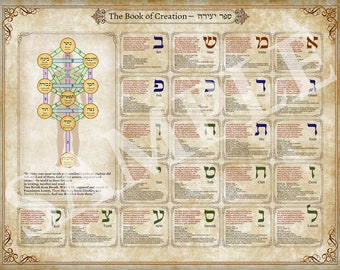
Sefer Yetzirah – the Book of Creation – large ornamented poster with vital information about the Hebrew Alphabet. Download & print your own
$4.50
-

Antique Book, Occult Magic Esoteric, Kabbalah Grimoire, Kabbalistic Hebrew Jewish Manual, Secret Societies Knowledge
Sale Price $205.70
Original Price $242.00
-
![The Kabbalah Unveiled - E-Book [Digital Download]](https://i.etsystatic.com/12105036/r/il/5ea92e/7411587800/il_340x270.7411587800_qm0o.jpg)
Digital download
The Kabbalah Unveiled - E-Book [Digital Download]
$1.11
-
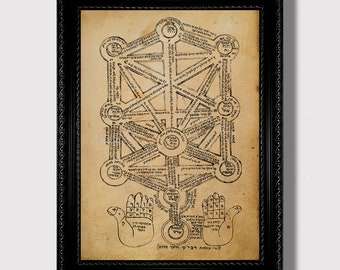
Sephiroth Kabbalah Chart – Hebrew Occult Print, Spiritual Gift for Esoteric Interiors, Jewish Mysticism Decor
Sale Price $9.00
Original Price $10.00
-

The Kabbalah Book of Creation – large ornamented poster containing vital information about the Hebrew Alphabet on quality satin paper
$114.50
-

Godwin's Cabalistic Encyclopedia Book Cabala Guidebook Kabbalah Qabalah Cabalistic Magic Witch Craft Witchcraft Wicca Pagan Jewish Magick
$65.00
-
Digital download
Mystical Qabalah, pdf digital download book, 280 pages
Sale Price $5.48
Original Price $6.09
-

Digital download
The Kabbalah Tree of life-Sacred Geometry-Coloring page-Printable-Jewish Kabbalist-Esoteric Sources-Spiritual Tool Healing-INSTANT DOWNLOAD
Sale Price $11.66
Original Price $15.55
-

72 Names of God Art Poster Kabbalah Wall Art Kaballah / Kabala / Qabalah Hebrew Chart Jewish Mystical Meditation Print Spiritual Study Decor
$13.00
-

Sitrei Torah:Secrets of the Torah
Sale Price $11.25
Original Price $15.00
-

72 Names of God on Canvas Kabbalah Wall Art Kaballah / Kabala / Qabalah Hebrew Chart Jewish Mystical Meditation Print Spiritual Study Decor
$63.00


