








20+ views in the last 24 hours
NowPrice:$13.49+
Original Price: $14.99+
10% off
Sale ends on September 16
Medieval Garden Seed Collection | 8 Rare Edible Medieval Plants | Good King Henry, Rampion, Orach, Medlar
Star Seller
Star Sellers have an outstanding track record for providing a great customer experience—they consistently earned 5-star reviews, shipped orders on time, and replied quickly to any messages they received.
Your order should arrive by this date if you buy today. To calculate an estimated delivery date you can count on, we look at things like the carrier's latest transit times, the seller's processing time and shipping history, and where the order is shipping to and from.
You can only make an offer when buying a single item
Star Seller. This seller consistently earned 5-star reviews, shipped on time, and replied quickly to any messages they received.
Highlights
Travel back in time to the gardens of the Middle Ages and unlock a world of new, unforgettable flavors.
NOTE: Good King Henry is on very short backorder as we prepare our 2027 packets and will ship separately at no charge in 1-2 weeks. Remainder of packets and order ships immediately as usual.
Imagine:
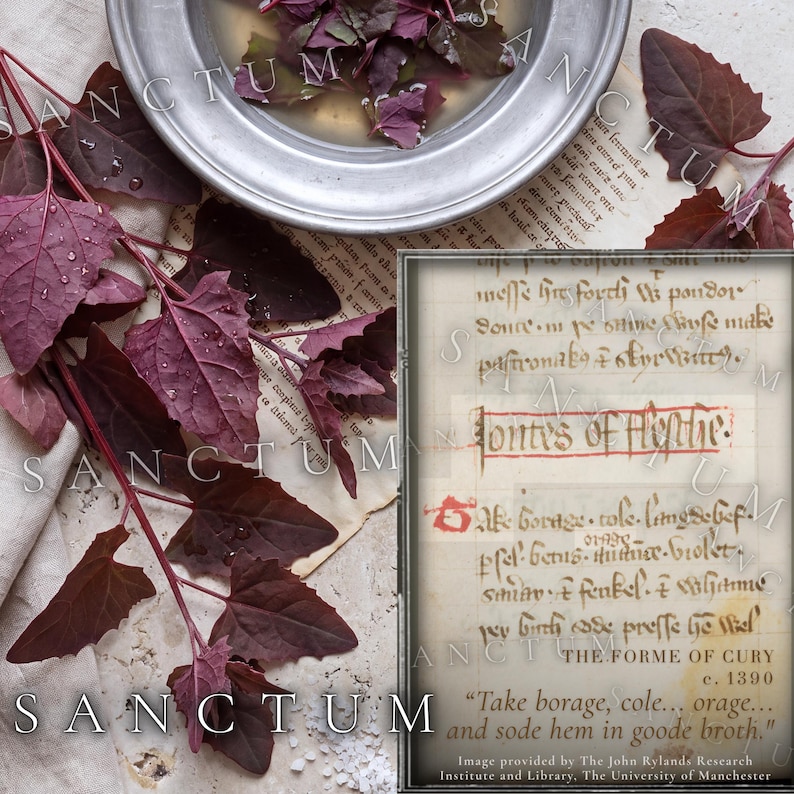
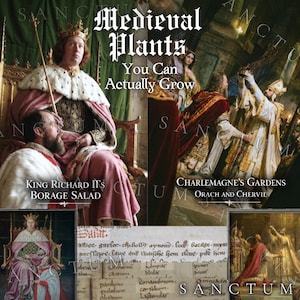
• Tasting orach and watching as your garden sprouts into beautiful magenta leaves, once important enough for Charlemagne's own royal gardens.
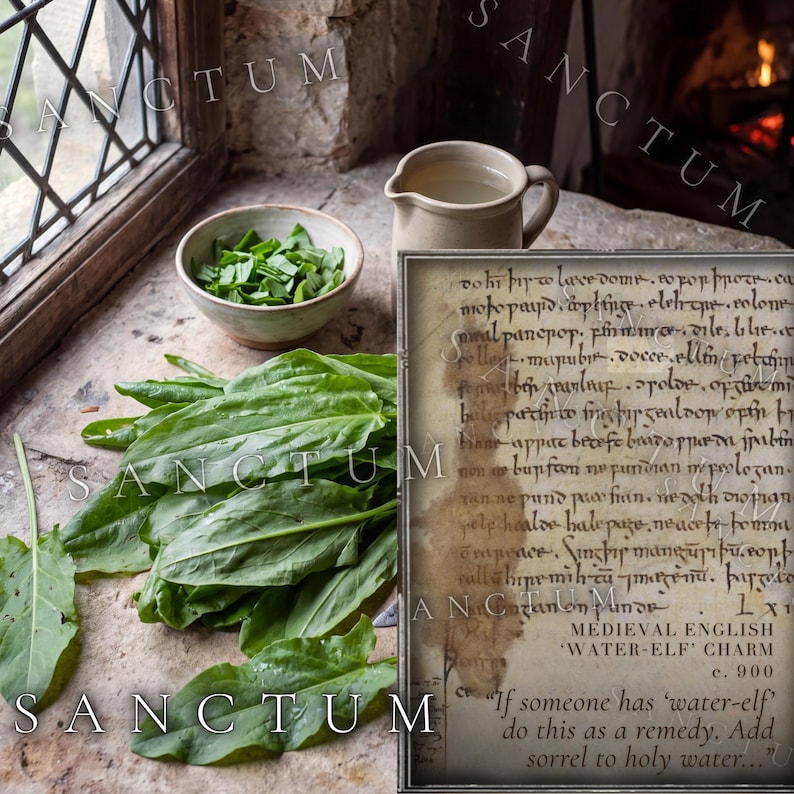
• Biting into a sorrel leaf that packs a tangy punch, used in medieval fritters and charms against "water-elf".
• Nibbling a borage flower that tastes like cucumber and was believed to fortify courage before battle.
• Harvesting Good King Henry shoots, the legendary old-world potherb celebrated as "poor man's asparagus."
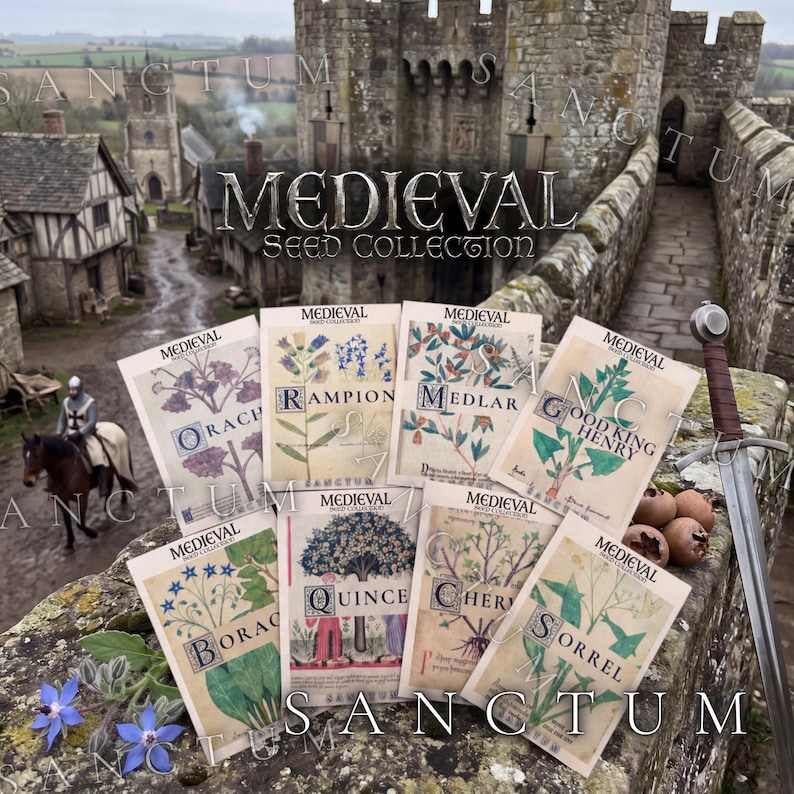
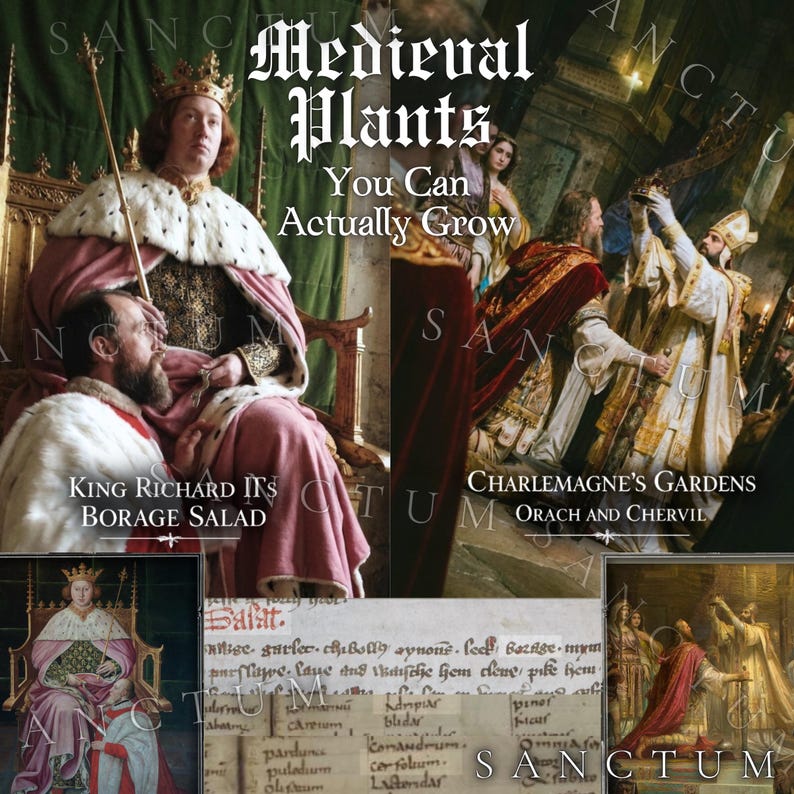
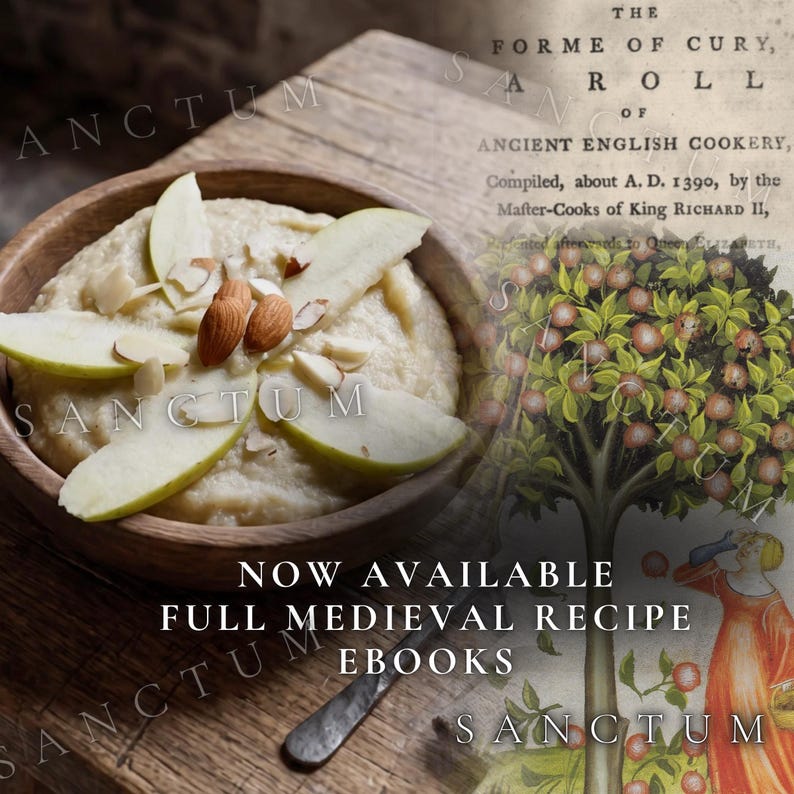
This is not a random “old-timey” mix like turnips and leeks you can find at the grocery store. Inside you’ll find seed packets featuring real, rare edible plants once grown across medieval England. Orach, Good King Henry, Sorrel, Chervil, Borage, Rampion, Medlar and Quince were culinary cornerstones in medieval cooking, each one immortalized in real manuscripts like King Richard II’s cookbook The Forme of Cury (c. 1390), allowing you to grow familiar ingredients that once graced the plates of royalty and peasants alike.
These plants brighten up a patio, fit into a backyard garden seamlessly, and add a unique twist to cooking. It is highly giftable for anyone who loves history, cooking, fantasy aesthetics, or just growing truly uncommon edibles.
What's included?
Compact Collection:
• A streamlined selection ideal for anyone wanting to start small or working with limited space.
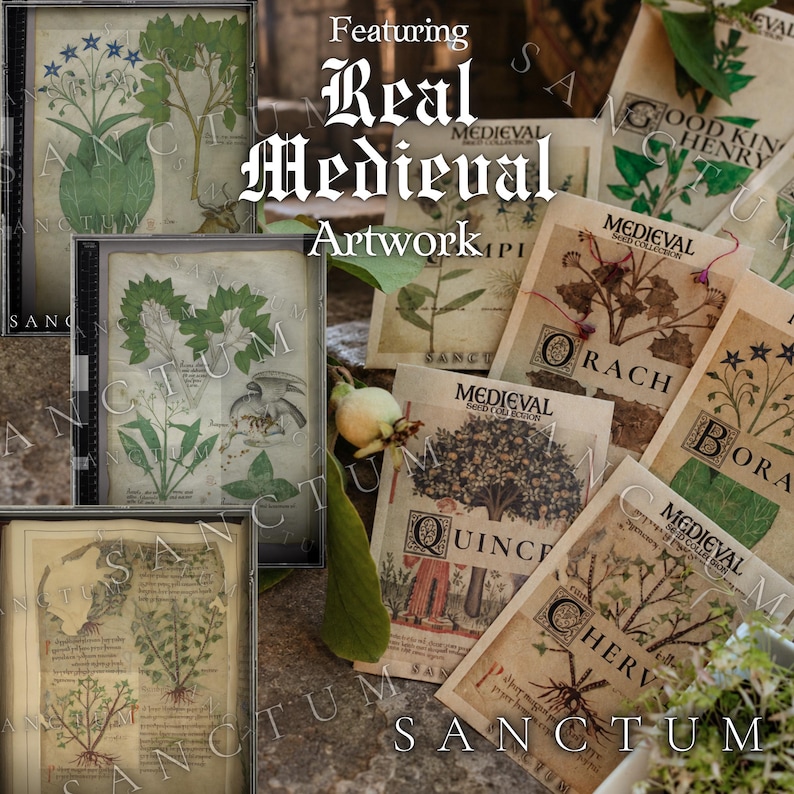
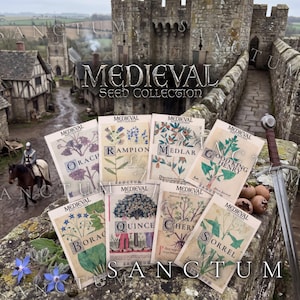
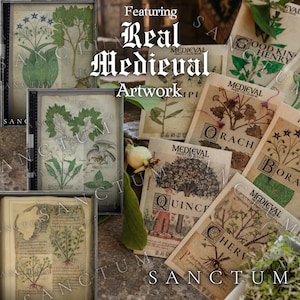
• 5x seed packets featuring artwork pulled straight from real medieval manuscripts.
• Approx. 100 Orach, 200 Sorrel, 100 Chervil, 50 Borage, and 50 Good King Henry seeds
Full Collection:
• The complete medieval experience, expanding the lineup to include rare Rampion root and fruit tree seeds.
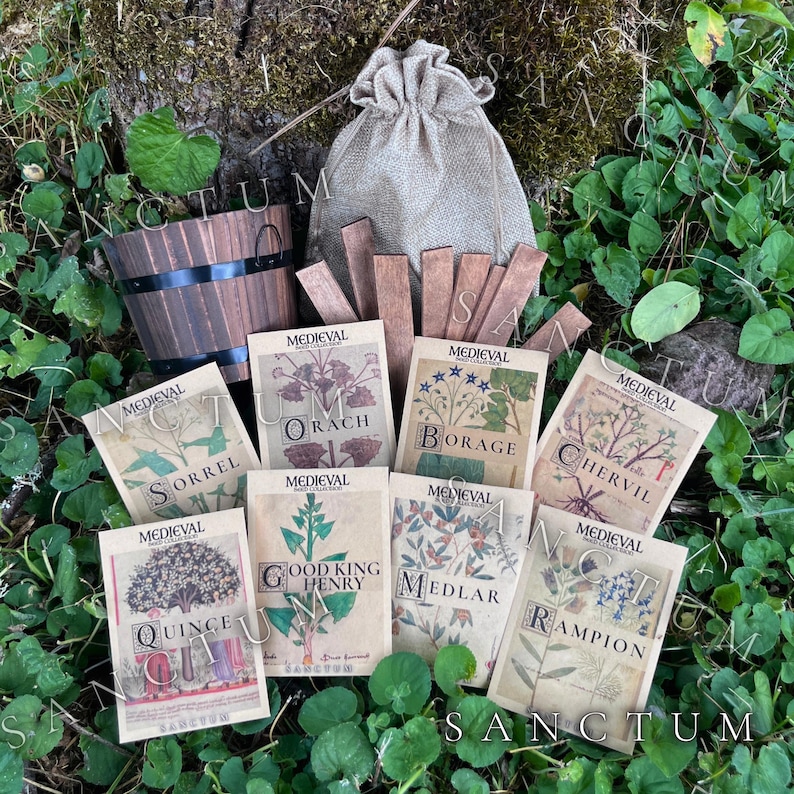
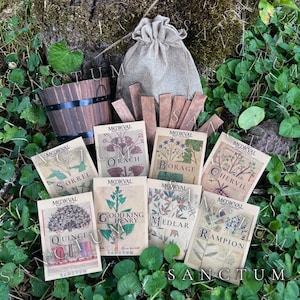
• 8x seed packets
• Includes everything in the Compact Collection plus 100 Rampion, 15 Medlar, and 20 Quince seeds
Deluxe Collection:
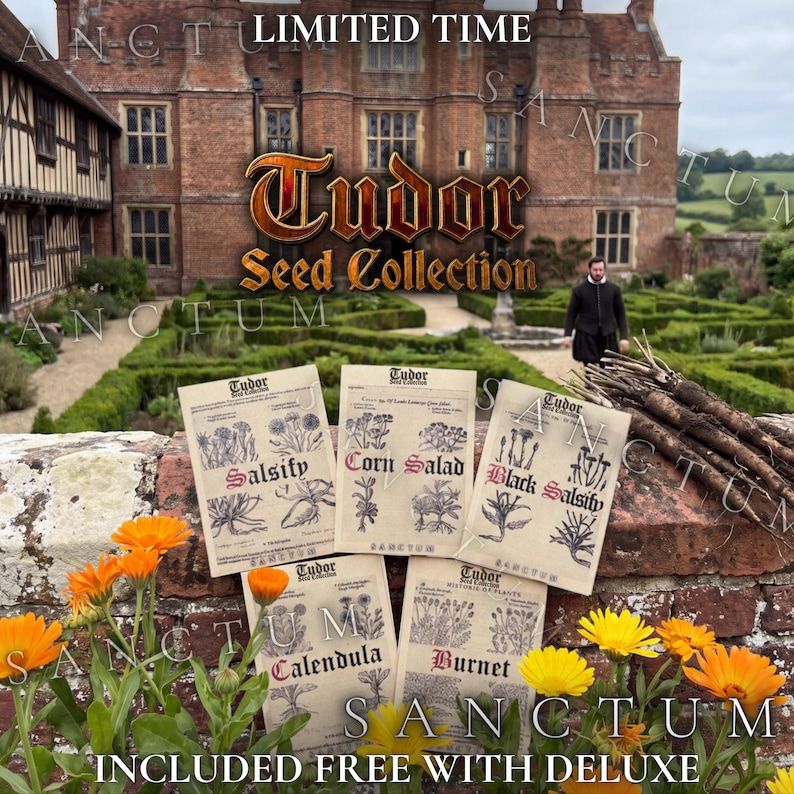
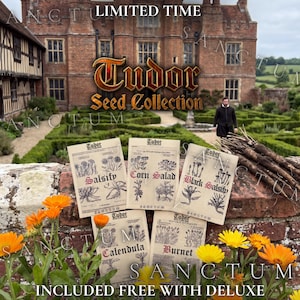
• Limited time only: the Deluxe Collection now includes the complete Tudor Seed Collection completely FREE ($14.99 value)
• 13 total seed packets, making this the largest and most complete version of the collection
• Includes the full 8-packet Medieval Garden Seed Collection plus the complete 5-packet Tudor Seed Collection
• Tudor bonus includes approx. 80 Salsify (Fiore Blu), 100 Calendula, 80 Scorzonera Black Salsify, 200 Corn Salad, and 75 Burnet seeds
• Mini burlap style storage bag
• 8 hand-stained thick wooden plant stakes
• Mini 5x4-inch medieval-style wooden barrel planter
• Waterproof plastic liner to protect the wood and your surfaces
• The perfect size for growing your chervil herbs right on the kitchen windowsill, or even starting orach or sorrel as mini microgreens indoors
• Best value option, gift-ready
All seeds are:
• Non-GMO, 100% open-pollinated
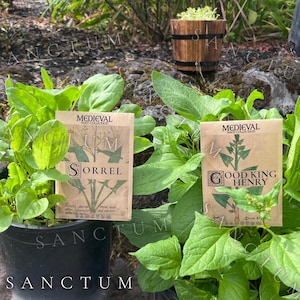
• Hand-packaged in custom printed, rustic kraft paper packets with detailed growing instructions on the back.
A note on Quince and Medlar: Unlike the herb and vegetable seeds in this collection, Quince and Medlar are orchard trees, requiring long cold stratification, ample outdoor space, and several years of growth before they begin producing. They are absolutely worth the wait, offering the chance to grow two remarkable medieval fruits rarely found in modern gardens.
Full Details:
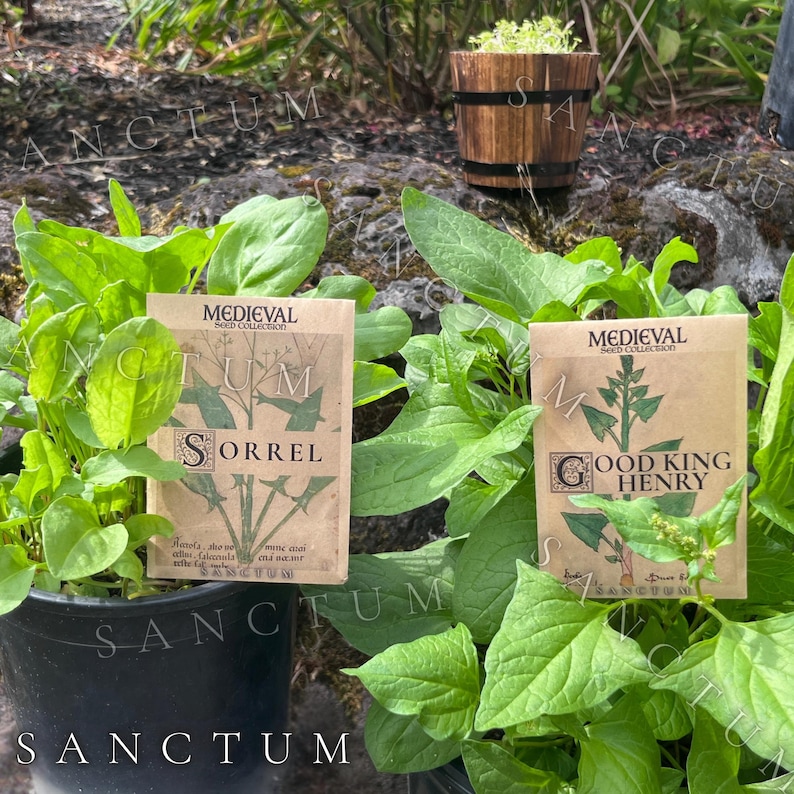
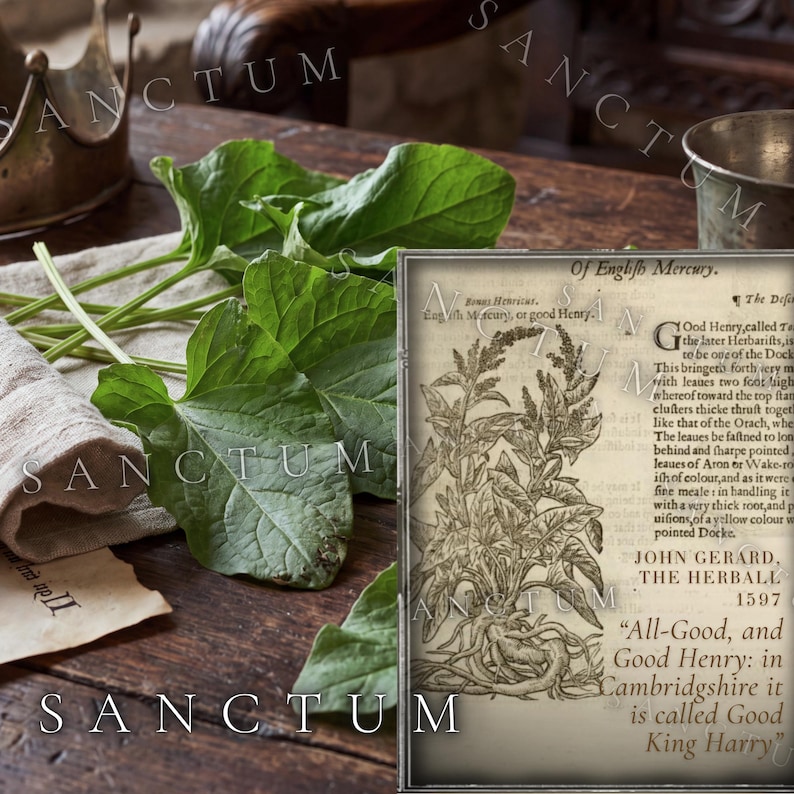
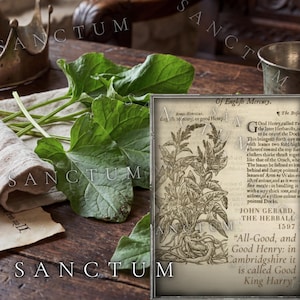
• Good King Henry (Chenopodium bonus-henricus): A living relic of the medieval garden, Good King Henry, also known historically as "All-good," “Lincolnshire spinach,” and “English Mercury,” was a cornerstone in the medieval kitchen long before modern greens took over. Perhaps the most fascinating aspect of this plant is its name. Despite the regal-sounding title, it has no concrete connection to English royalty. Instead, it likely traces back to the German Guter Heinrich (Good Henry), a name deeply tied to folklore for helpful household elves and goblins, distinguishing it from a poisonous wild plant known as Böser Heinrich (Bad Henry). Its culinary reputation is just as heavily documented; a 15th-century text instructs cooks to “Take malues [mallows], & mercurye, & seþe hem wyþ a messe of porke,” and by 1584, its foundational status inspired the proverb: “Be thou sicke or whole, put Mercurie in thy coole [pottage].” Growing into a handsome, upright clump with broad, arrow-shaped leaves, this resilient perennial thrives in partial shade or full sun and tolerates poor soils. The edible young leaves and shoots offer an earthy flavor perfect for soups, sautés, and traditional pottages.
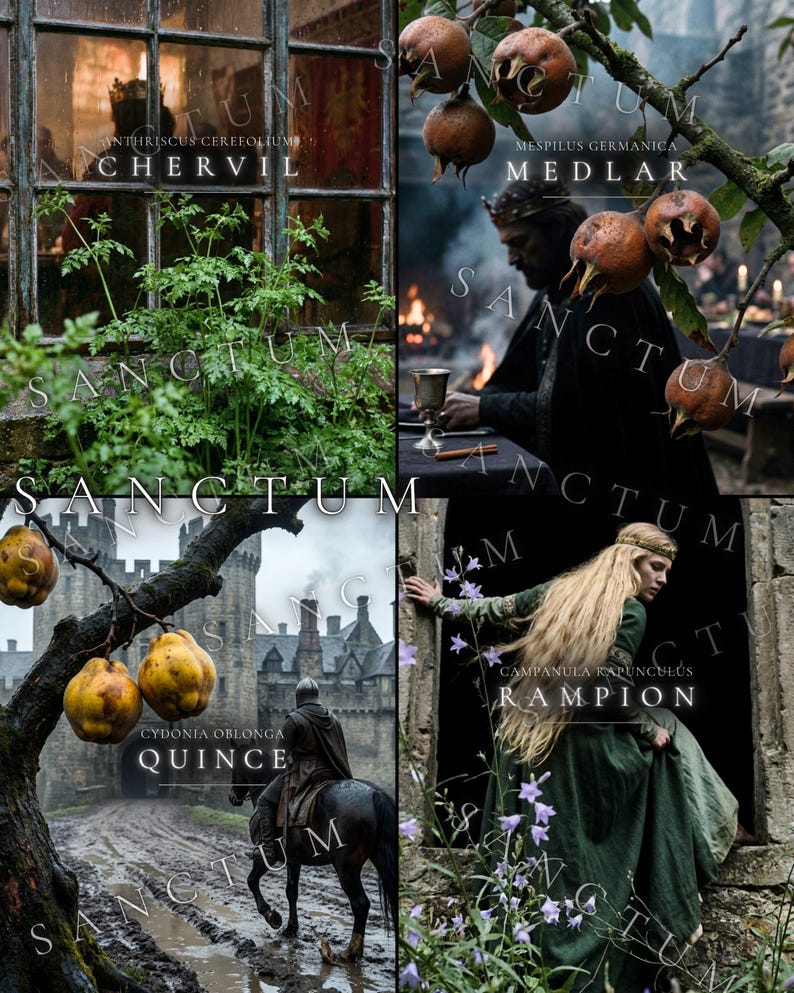
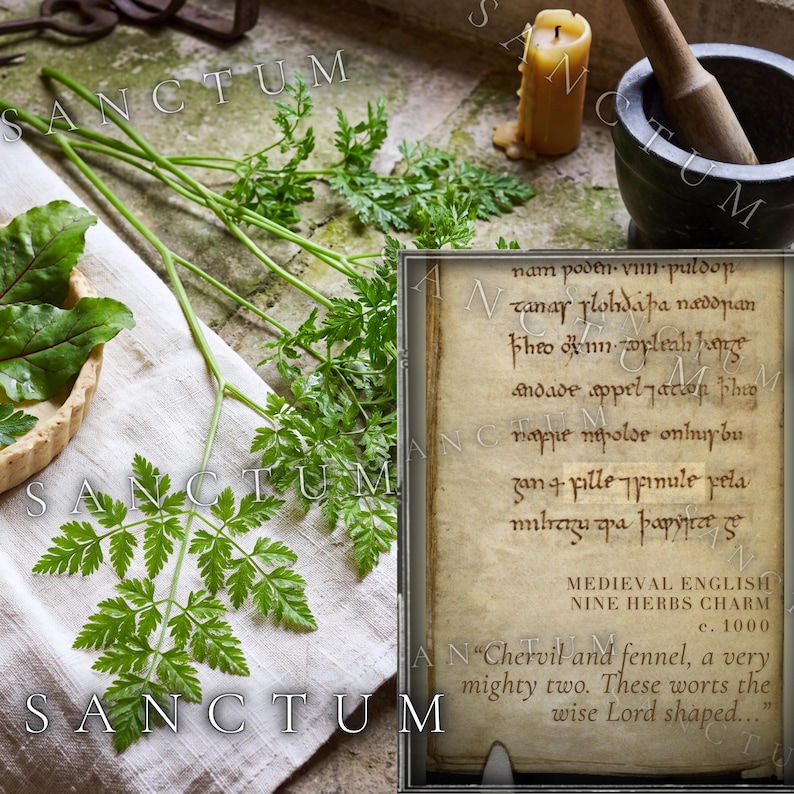
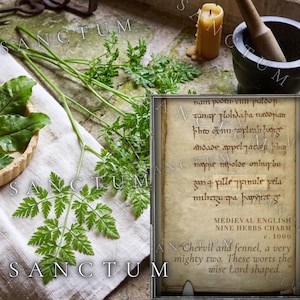
• Chervil (Anthriscus cerefolium, Winter): Known as cerfolium in medieval Latin and cerfille or fille in Old English, chervil produces delicate, lacy leaves with a fresh flavor resembling parsley crossed with anise or licorice. Its history stretches from Charlemagne’s royal estate gardens to the Old English Lacnunga, where a remedy instructs: “For a wen salve; take helenium and radish and chervil and ravens foot...” The manuscript’s mysterious Nine Herbs Charm praises it alongside fennel: “Chervil and fennel, a very mighty two; these worts the wise Lord shaped” (Fille and finule, felamihtigu twa, þa wyrte gesceop witig drihten). By 1393, Le Ménagier de Paris placed chervil firmly in the medieval kitchen: “To make a tart, take four handfuls of beet leaves, two handfuls of parsley, one handful of chervil.” This variety of chervil produces delicate, lacy, fern-like leaves that bring a soft, elegant texture to the cool-season garden.
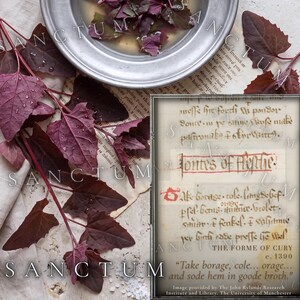
• Orach (Atriplex hortensis) (Ruby Red): Also known as "Orage" or "Arache" in the Middle Ages, this stunning showpiece was a vital source of greens in the medieval garden. Unlike many modern greens, which quickly bolt in the summer heat, Orach provided a reliable and abundant harvest well into the warmer months. Its historical pedigree is firmly established in early agricultural and culinary records, appearing as early as Emperor Charlemagne's 8th-century estate mandates. By the 10th and 11th centuries, it was featured in the Old English Lacnunga, which instructs: "This is the green salve; betony, rue, lovage... orache, valerian." It continued to hold a prominent place in medieval kitchens, appearing in King Richard II’s famous 14th-century recipe roll, The Forme of Cury. Most notably, it serves as a key ingredient in the traditional herb soup Eowtes of Flessh, where the cook is directed to "take borage, colewort, orage... and sode hem in goode broth." Orach's enduring status as a staple crop is perfectly captured a century later in the 15th-century cookery miscellany Sloane MS 1201, which catalogs it among "Herbys necessary for a gardyn by letter … O. Orage, Oculus Christi, Oynons." It adds incredible vertical interest and rich color to borders and vegetable plots alike, remaining a rewarding and highly functional heritage plant. The edible young leaves offer a mild, slightly salty spinach flavor, perfect for incorporating into fresh salads, traditional pottages, or lightly sautéing as a summer side dish.
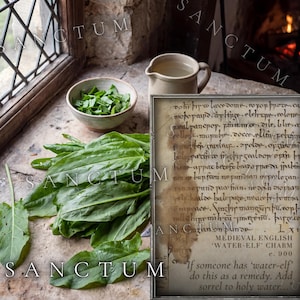
• Sorrel (Rumex acetosa, Garden Sorrel): Known in the Middle Ages as "Sour Dokke" or "Acetosa," garden sorrel was once a unique culinary souring herb. Before lemons and citrus were widely available, sorrel was a source of acidity in the European kitchen, offering a sharp tang alongside vinegar that cut perfectly through rich, heavy courses. The 1393 French guidebook Le Ménagier de Paris details a traditional preparation, instructing the cook to “Broyez bien l’oseille… dans du vieux verjus blanc.” (“Mash the sorrel well… in old white verjus”). It was also a cornerstone of King RIchard II's medieval Nysebek fritters, an early ancestor to modern funnel cakes. Beyond the kitchen, it held a prominent place in Anglo-Saxon folklore. The 10th-century Lacnunga manuscript references it in early apothecary traditions along with silverweed. Similarly, the 9th-century text Bald's Leechbook includes sorrel as a crucial ingredient in an elaborate charm against fantasy sounding ailments, directing: “If someone has ‘water-elf,’ do this. Add sorrel to holy water and sing this charm three times...” One of the earliest greens to rise from the dormant earth, sorrel forms lush, mounding bunches of arrowhead shaped leaves that signal the beginning of the growing season. The edible leaves deliver a bright, refreshing tartness that wakes up the palate after a long winter. It can be cooked down into traditional purées and creamy pottages, and the tender young leaves are also exceptional when used fresh, adding a natural, lemon-like acidity to spring salads or acting as a vibrant complement to fish and poultry. High in naturally occurring oxalates; moderation recommended.
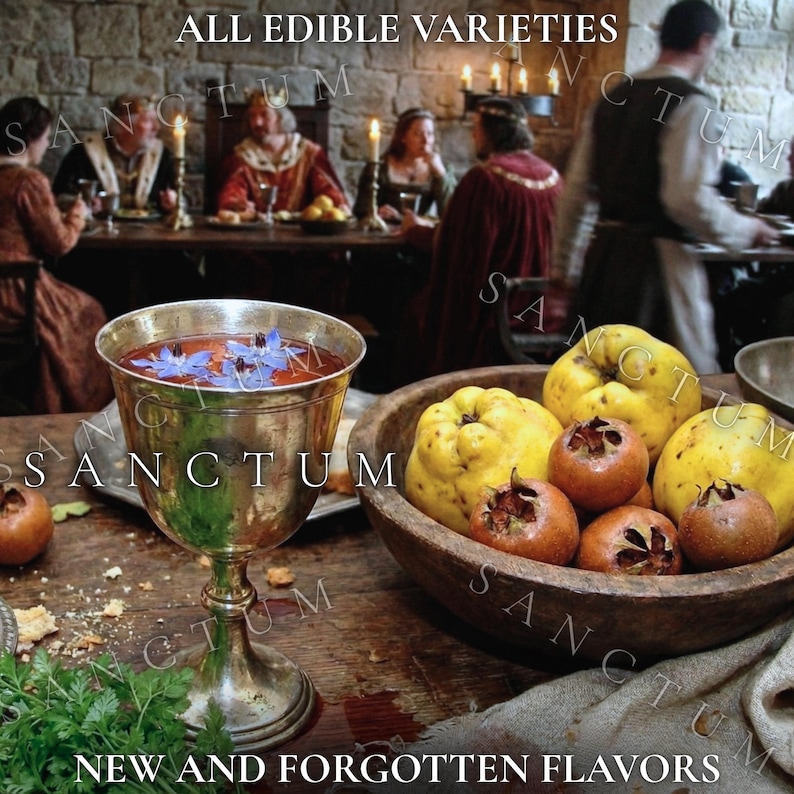
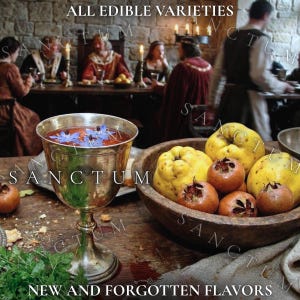
• Borage (Borago officinalis): Known simply as “Borago” in early herbals and famously celebrated as the “Herb of Gladness,” this striking annual holds a legendary place in the medieval garden. Herbalists of the era supposedly believed the plant would fortify courage and calm the nerves of knights, floating the blooms in wine cups to gladden the heart before feasts or battles. This reputation for lifting spirits is well-documented; the 15th-century Middle English text Gilbertus Anglicus (c. 1460) notes that “Sugar of borage is good for every trouble of melancholy, and it is made from borage flowers…” Its culinary presence was equally esteemed. Borage appears in King Richard II’s 14th-century recipe roll, where the cook preparing a traditional Salat is explicitly instructed to "Take borage... and pluk hem small." The edible, vibrant blue blossoms carry a crisp, refreshing flavor remarkably similar to fresh cucumber. While it was once more frequently consumed, today it is best utilized sparingly as an eye-catching garnish or historical novelty.
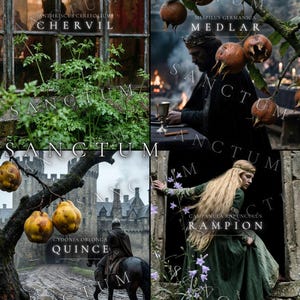
• Rampion / Rapunzel Bellflower (Campanula rapunculus): The real edible “Rapunzel” plant from the storybook, Rampion brings fairy-tale charm with tender leaves, pale turnip-like roots, and delicate blue bellflowers. The Fromond List of c. 1525 records Rapouncez/Rapounses as Rampion Bellflower, placing it in English gardens during Henry VIII’s reign. Thomas Tusser later listed “Rampions” among “Herbes and rootes for sallets and sauce,” while esteemed herbalist John Gerard (1597), who spent roughly twenty years overseeing the gardens of William Cecil, Lord Burghley, Queen Elizabeth I’s chief minister, devoted an entire chapter to “Rampions, or wilde Bell-floures,” noting that the roots were “especially vsed in sallads, being boiled and eaten with oile, vinegar, and pepper.”
• Quince (Cydonia oblonga): A quintessential fruit of the medieval orchard, Quince is a golden, aromatic relative of both the apple and pear. In the Middle Ages, its tart, astringent flesh was highly prized for transforming into rich, ruby-colored sweets and savory spiced dishes when cooked. It is prominently featured across numerous medieval cookbooks, particularly in King Richard II’s famous royal roll. There, it is the star of Connates (a dish dedicated entirely to stewed quinces) and essential to Sawse Madame, where the master cook is instructed to take "quinces and peeres, garlek and Grapes" to stuff a roast goose. It was equally beloved in France, appearing in the household guidebook Le Ménagier de Paris (1393) to make Cotignac, a rich quince marmalade.
• Medlar (Mespilus germanica): A strange and beautiful fruit of the medieval orchard. Medlar is an old-world relative of apples, pears, and quince, bearing white spring blossoms and distinctive russet-brown fruits with a wide, open crown. It appears in major medieval sources, including the 14th-century Tacuinum Sanitatis under the name Mespula, and in Le Ménagier de Paris, where medlars are served at the end of a feast with peeled nuts, hippocras, and wafers. It was also listed among the fruit trees desired for Charlemagne’s imperial estates. Unlike ordinary fruit, medlars are harvested hard in autumn and eaten only after bletting, when the flesh softens into a rich, apple-butter-like pulp.
© 2026 Sanctum Seeds. Original translations, editorial content, arrangement, and presentation protected. All rights reserved.
Note on artwork: The Orach manuscript illustration has been thoughtfully recolored to reflect the ruby-red form included in this collection.
Modern cultivars of historically documented plant species. No representation is made or implied that the seeds themselves are of historical or ancient origin/lineage.
-
Order today to get by Sep 12-17
Your order should arrive by this date if you buy today. To calculate an estimated delivery date you can count on, we look at things like the carrier's latest transit times, the seller's processing time and shipping history, and where the order is shipping to and from.
-
Returns & exchanges not accepted
But please contact me if you have problems with your order
-
Cost to ship: $5.97Enjoy free shipping to the US when you spend $35+ at this shop.
-
Ships from: Clackamas, OR
There was a problem calculating your shipping. Please try again.
Etsy Purchase Protection
Shop confidently on Etsy knowing if something goes wrong with an order, we've got your back for all eligible purchases —
see program terms

Reviews for this item
What buyers say, summarized by AI: Fast shipping Well packaged Love it Looks great Perfect gift Helpful seller Great quality

Seeds arrived fast and the packets include clear instructions on planting. This shop has made me so excited for gardening with all these rare plants. I never imagined tasting "rapunzel" vegetable! The expanded pack even includes fruit tree seeds! It's much more affordable to plant trees this way than to get a full grown one at a garden center. Plus, both quinces and medlars are self-fertile, so you only need one of each to get fruit. An excellent selection.
Love the packaging and looks great

Awesome
came within 2 days of order, superb service
Photos from reviews
Smooth shipping Has a history of shipping on time with tracking.
Speedy replies Has a history of replying to messages quickly.
Rave reviews Average review rating is 4.8 or higher.
More from this shop
Visit shop-
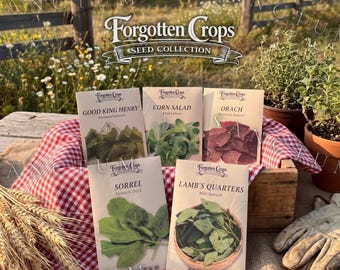
Forgotten Greens Garden Seed Collection | 5 Rare Edible Heritage Greens | Good King Henry, Sorrel, Orach
Sale Price $13.49
Original Price $14.99
-
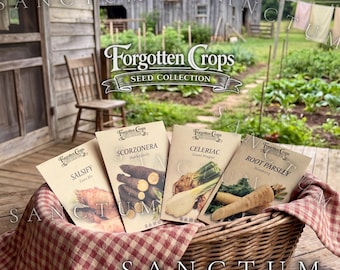
Forgotten Roots Garden Seed Collection | 4 Rare Edible Heritage Crops | Salsify, Scorzonera Seeds
Sale Price $11.69
Original Price $12.99
-
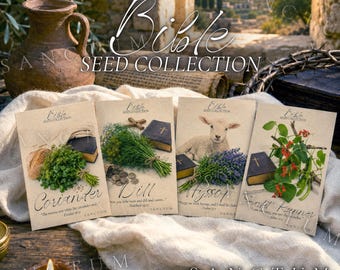
Bible Garden Seed Collection | 4 Edible Faith Inspired Plants | Grow God's Scripture Unique Herbs & Vegetables
Sale Price $10.79
Original Price $11.99
-
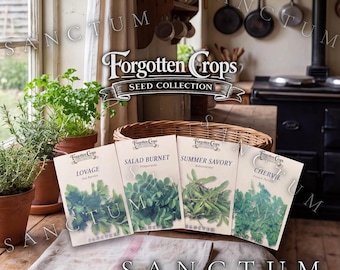
Forgotten Herbs Garden Seed Collection | 4 Unique Edible Heritage Herbs | Lovage, Chervil, Burnet Seeds
Sale Price $10.79
Original Price $11.99
-
Medieval Food Forest Box, Gift Box, Perennial Ancient Seeds, 12 Individual Packs, 01MC12
Sale Price $59.00
Original Price $118.00
-
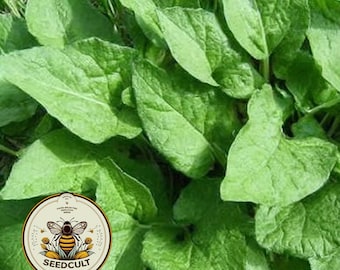
Good King Henry Seeds, Food Forest, Blitum Bonus-Henricus (formerly Chenopodium) BL9050
Sale Price $1.99
Original Price $3.98
-
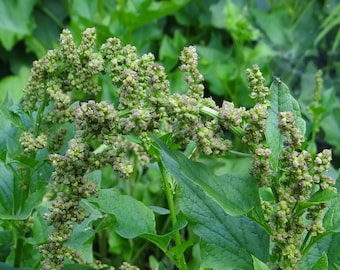
GOOD-KING-HENRY Seeds *Free Shipping!* Fresh & Organic English Mercury Goosefoot (Chenopodium bonus-henricus) Green Perennial Flower Seeds
Sale Price $3.99
Original Price $4.99
-
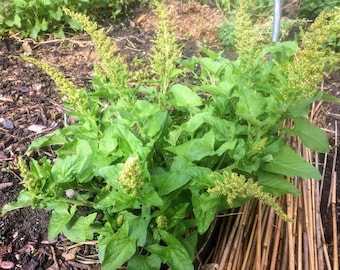
Good King Henry Seeds
$10.00
-
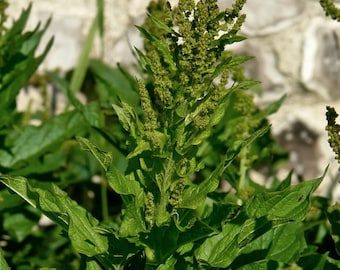
100 Good-King-Henry Seeds - Chenopodium bonus-henricus - Perennial Herb Greens - Heirloom
Sale Price $16.25
Original Price $25.00
-
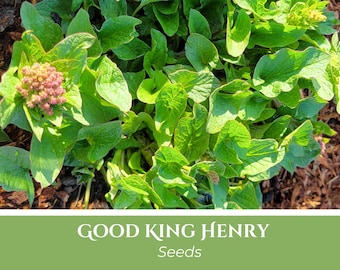
50 or 100 Good King Henry Seeds | Perennial, heirloom vegetable, Fat Hen, Poor Man's Asparagus, Blitum bonicus-henricus, Chenopodium
$3.50
-
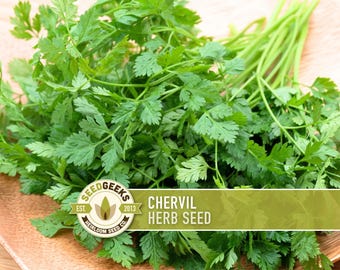
Chervil Herb Seed | 100+ Seeds, Organic, Non-GMO Culinary & Medicinal, Medieval Rare French Herb
Sale Price $1.99
Original Price $3.98
-
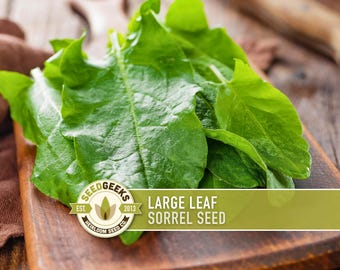
Sorrel Seeds | 200+ Seeds, Perennial, Organic, Lemon Flavor, Medieval Culinary Herb | Rumex acetosa
Sale Price $1.99
Original Price $3.98
-
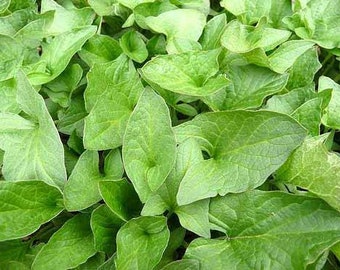
Good King Henry (Chenopodium bonus-henricus) SEEDS
$3.99
-
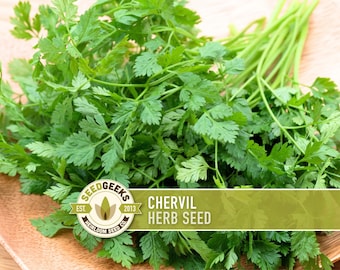
Chervil Herb Seed | 100+ Seeds, Organic, Non-GMO Culinary & Medicinal, Medieval Rare French Herb
Sale Price $1.99
Original Price $3.98
-
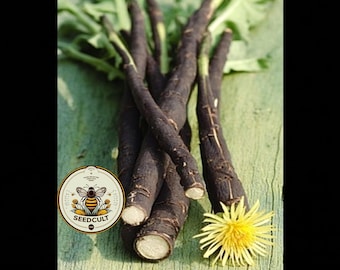
Black Salsify Seeds, Medieval Food Forest, Scorzonera Hispanica, SC901C
Sale Price $2.99
Original Price $5.98
-
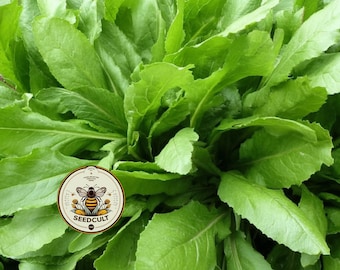
Sorrel Seeds, Broad Leaved Medieval Perennial Vegetables, Food Forest, Rumex Acetosa, RU705C
Sale Price $1.99
Original Price $3.98
Shoppers with similar taste loved these
-

Heirloom Medicinal Herb Seed Collection - 10 Essential Varieties
Sale Price $24.95
Original Price $49.90
-
Medieval Food Forest Box, Gift Box, Perennial Ancient Seeds, 12 Individual Packs, 01MC12
Sale Price $59.00
Original Price $118.00
-
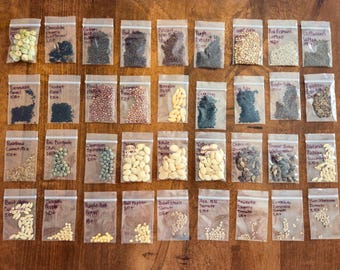
Heirloom Garden Seed Pack: 36 Non-GMO Varieties - Tomato, Pepper, Lettuce
$1.99
-

Shakespeare Flower Seed Collection | 4 Classic Poetic Varieties | Romantic Cottagecore Herbs & Flowers | BookTok Valentine's Gift
Sale Price $10.79
Original Price $11.99
-
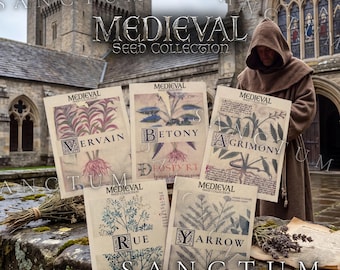
Medieval Apothecary Seed Collection | 5 Rare Old-World Leechcraft Medieval Flowers | Agrimony, Vervain, Betony
Sale Price $13.49
Original Price $14.99
-
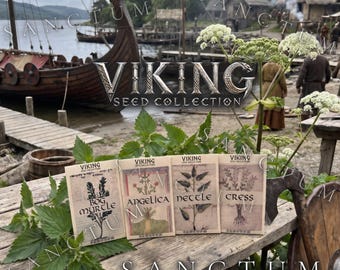
Viking Garden Seed Collection | 4 Rare Edible Norse Plants | Unique Historic Varieties | Bog Myrtle, Angelica
Sale Price $11.69
Original Price $12.99
-
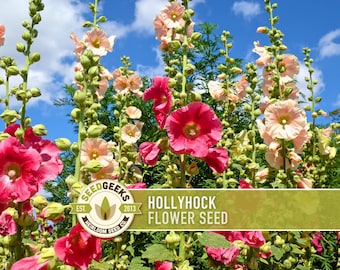
Hollyhock Flower Seeds | 25+ Seeds, Heirloom, Pink, Yellow, Red & White Blend, Non-GMO, Alcea Rosea
Sale Price $1.99
Original Price $3.98
-
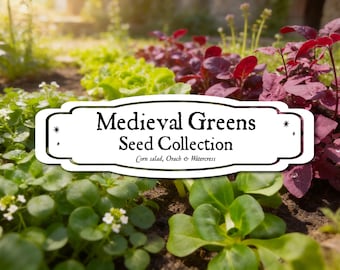
Medieval Greens Seed Kit Collection: Watercress, Orach, Corn Salad Heirloom Seeds
$8.99
-
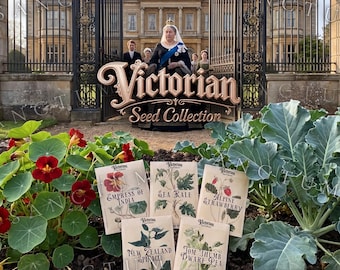
Victorian Garden Seed Collection | 5 Rare Edible Victorian Plants | Unique Herbs Berries & Greens | Sea Kale
Sale Price $13.49
Original Price $14.99
-
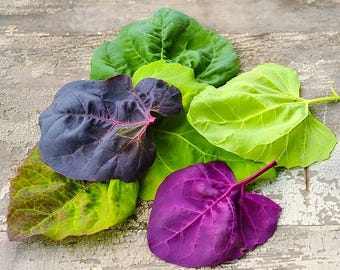
Red Fire Orach Seeds: Heirloom, Non-GMO, aka French or Mountain Spinach
$5.32
-
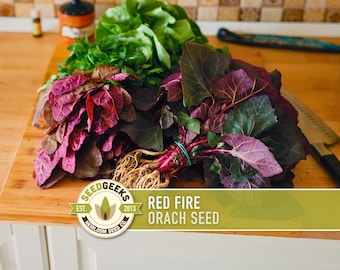
Red Fire Orach Seeds | 25+ Seeds, Heirloom, Microgreens, French Spinach, Medieval Garden | Atriplex hortensis
Sale Price $1.99
Original Price $3.98
-
Black Salsify Seeds, Medieval Food Forest, Scorzonera Hispanica, SC901C
Sale Price $2.99
Original Price $5.98


