

Low in stock, only 1 left
Price:CA$126.78
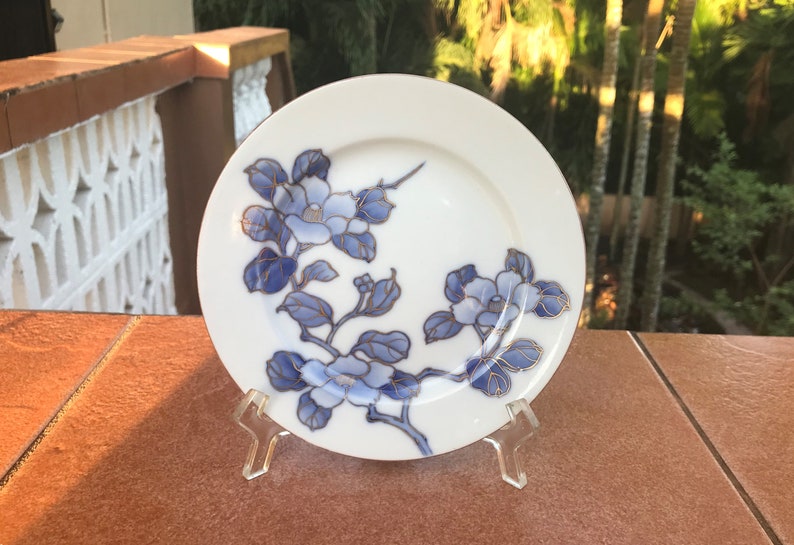
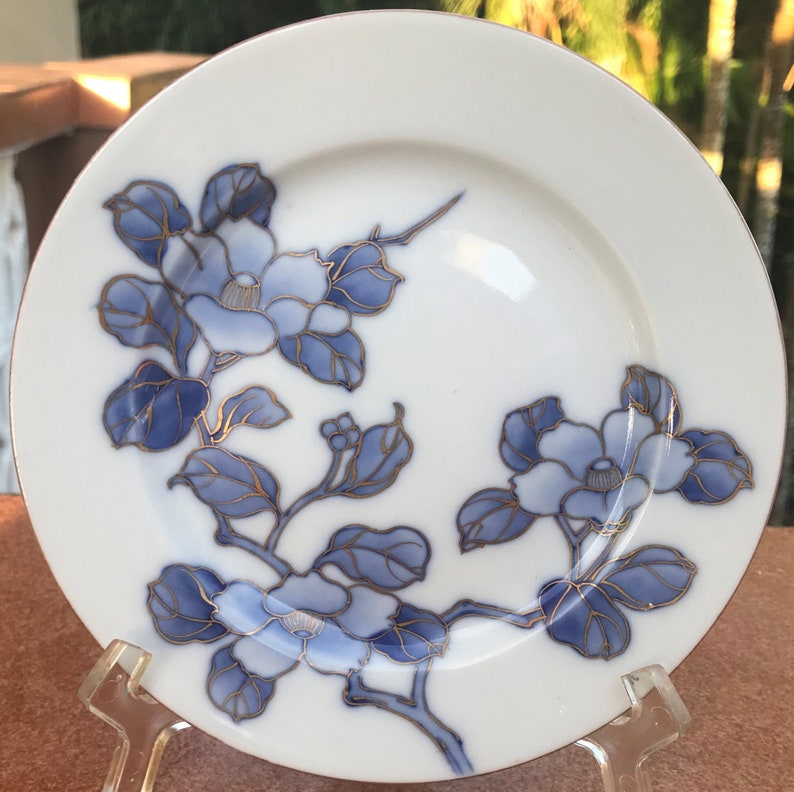
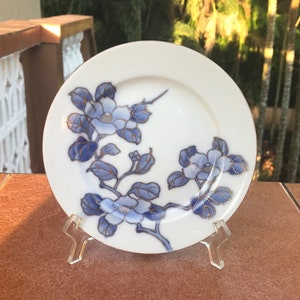
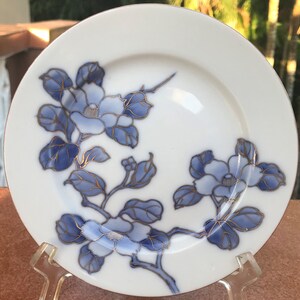
Fukagawa Plate 椿 Tsubaki Camellia Blossoms Dish Schotel Blue & White Gilded Flower Porcelain Gold Floral Schaal Arita Japan
You can only make an offer when buying a single item.
-
Order today to get by 28 Apr-06 May
Your order should arrive by this date if you buy today. To calculate an estimated delivery date you can count on, we look at things like the carrier's latest transit times, the seller's processing time and dispatch history, and where the order is dispatched from and delivered to.
-
Returns & exchanges not accepted
But please contact me if you have problems with your order
-
Delivery cost: CA$35.66
-
Dispatched from: Guam
-
Deliver to United States, 43215
There was a problem calculating your postage. Please try again.
What to know
About this item
hand painted classical CAMELLIA PLATE HAND PAINTED BY FUKAGAWA SEIJI Arita, Japan!
🌴Please click "Learn more about this item" for full description/size/condition🏺
FINE PORCELAIN!
TIMELESS BEAUTY!
Beautifully hand painted in sky blue and sometsuke blue. Outlines and veins are outline in gilt. If you're looking closely, you'll find a bud. I've always appreciated Japanese artisans that take the time to study their subject and reproduce it in their art either whether realistically or symbolically :-)
HANAKOTOBA - "Language of Flowers" >
--- Red Camellia - In love, perishing with grace
--- Yellow Camellia - Longing
--- White Camellia - Waiting
TSUBAKI 椿 Camellia - symbolizes the divine. It is often used in religious and sacred ceremonies. It also represents the coming of spring.
SPECS/CONDITION REPORT > please scroll down >
OTHER PHOTOS > related items that might be of interest >
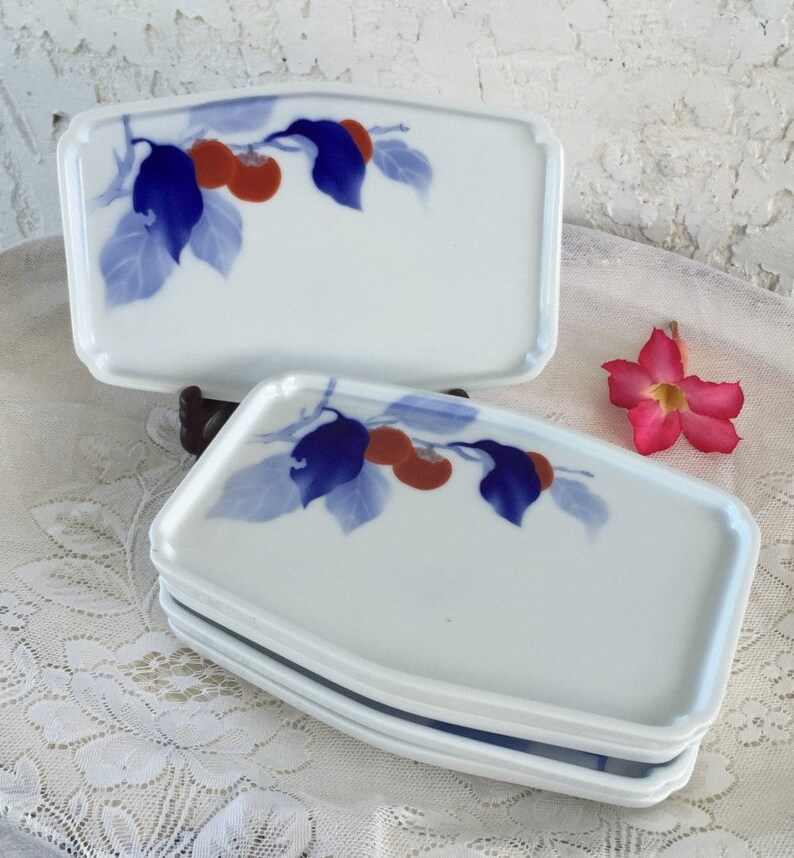
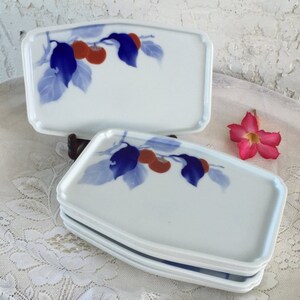
PIC 4 - FUKAGAWA PERSIMMON DINNER PLATES SET >
https://www.etsy.com/ca/listing/239853030/fukagawa-five-plates-5-piece-dish-set
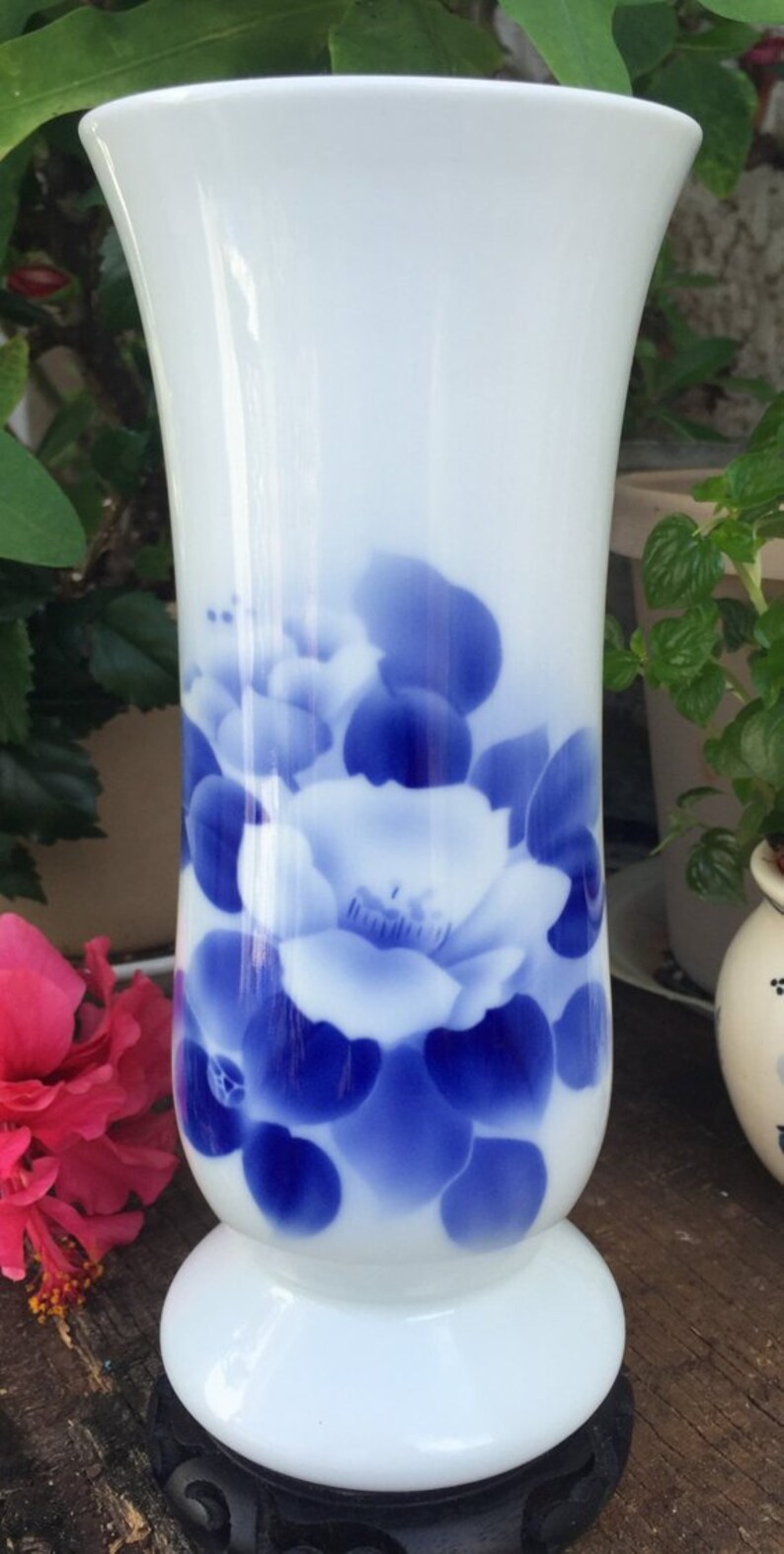
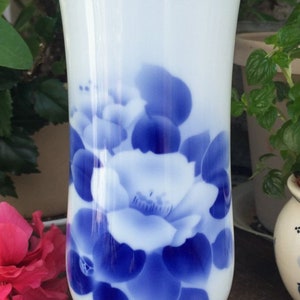
PIC 5 - BEAUTIFUL FUKAGAWA SEI CAMELLIA BLUE AND WHITE VASE >
https://www.etsy.com/ca/listing/232795819/fukagawa-sei-vase-japonais-chn-tsubaki
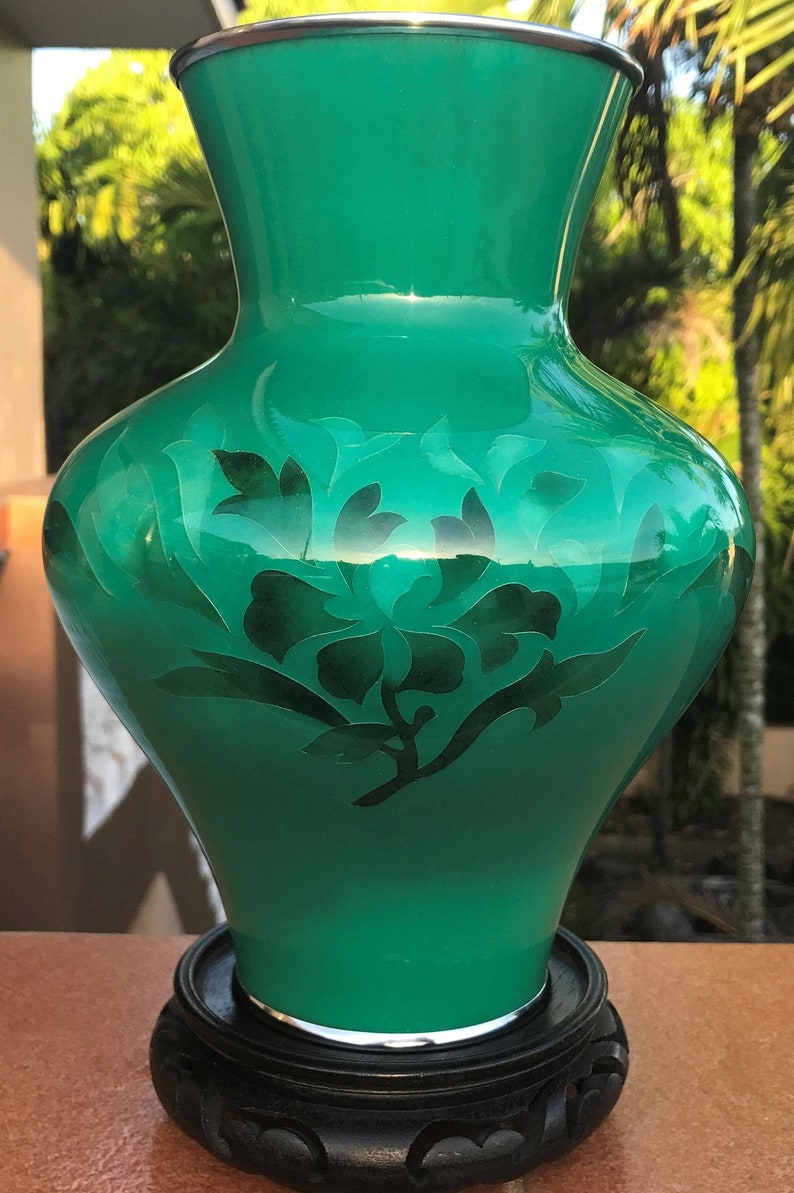
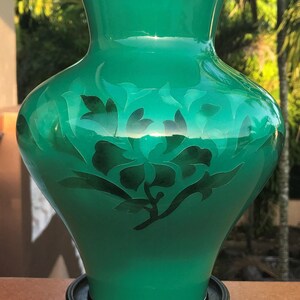
PIC 6 - LARGE CAMELLIA SACRED JADE GREEN CLOISONNE VASE >
https://www.etsy.com/ca/listing/533824933/yu-xian-q-bo-yusen-shippo-silver-wire
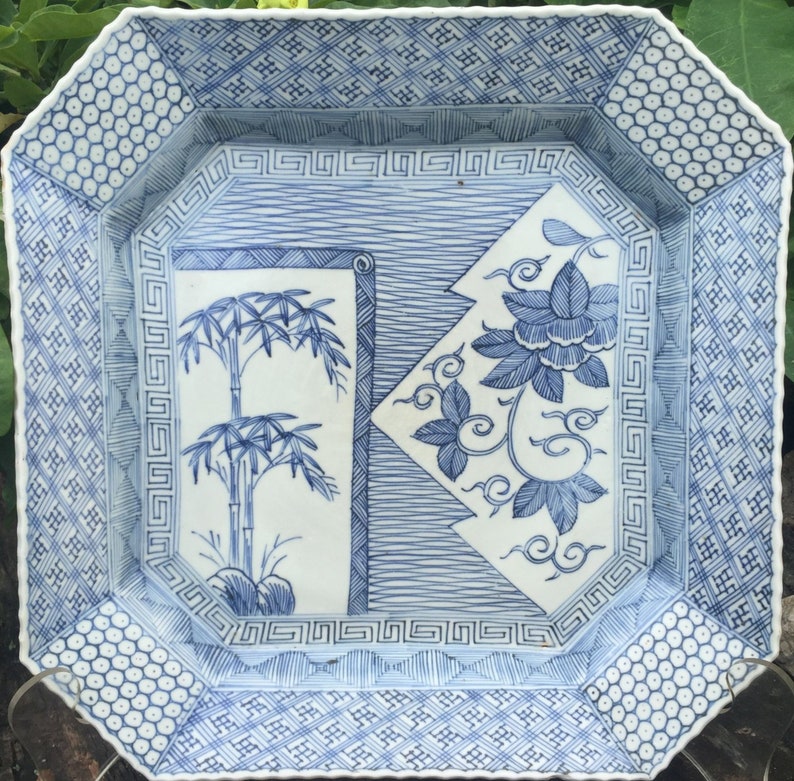
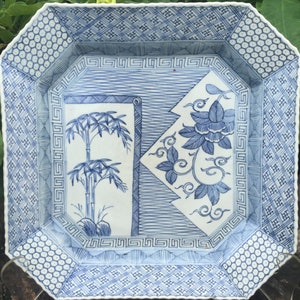
PIC 7 - 1700's LARGE CAMELLIA & SWASTIKA BLUE AND WHITE JAPANESE SOMETSUKE CHARGER >
https://www.etsy.com/ca/listing/454109828/reserved-1700s-wan-zi-swastika-chn
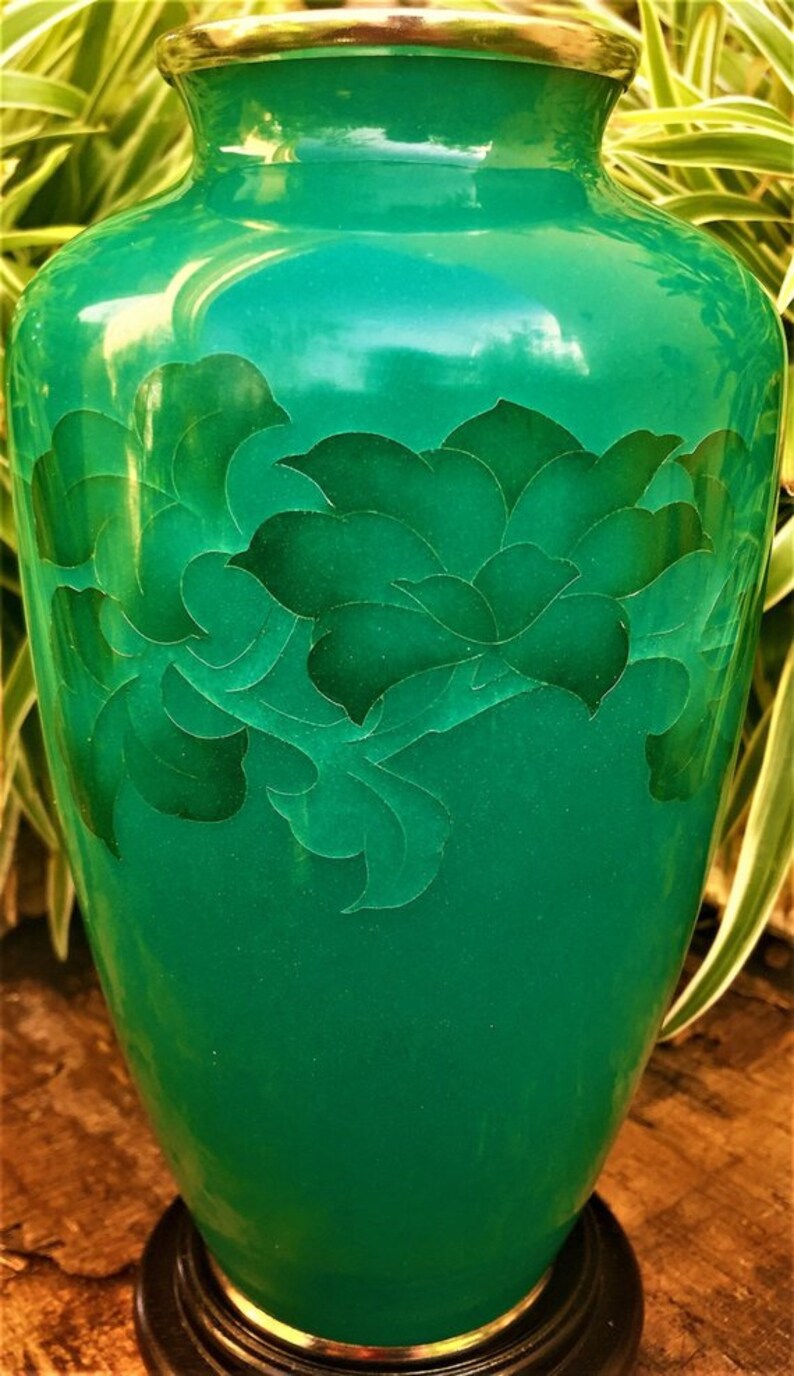
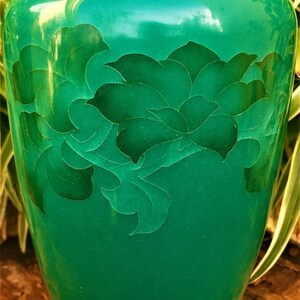
PIC 8 - STUNNING NOGUCHI CAMELLIA SACRED JADE GREEN CLOISONNE VASE >
https://www.etsy.com/ca/listing/498941367/y-ku-q-bo-dian-noguchi-shippo-ten
Looking for that PERFECT CHARGER/PLATE? Please stroll my shop with over 200 Wall Plaques/Chargers from Old Delft, Chinois, Faience to Antique Japanese Porcelain from the 1700's >
https://www.etsy.com/shop/GuamAntiquesNstuff?section_id=17085618
Would make a perfect gift for MOM'S BIRTHDAY or an excellent affordable addition to your own collection!
*SHIPPING MOST COUNTRIES
* Guahan local pu only
- Please click & review SHIPPING & POLICIES TAB above (just below pics)
- Combine Shipping and SAVE!!!
PHOTOS - integral to this description, please use zoom feature for detailed views.
FUKAGAWA INFO > 1894 - present (for additional info, pls. scroll down)
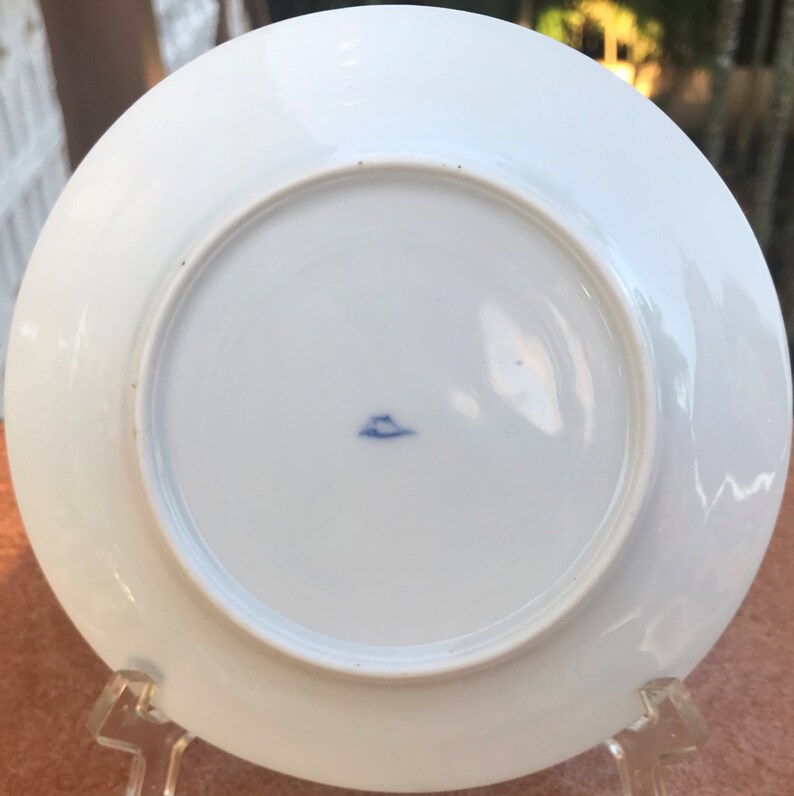
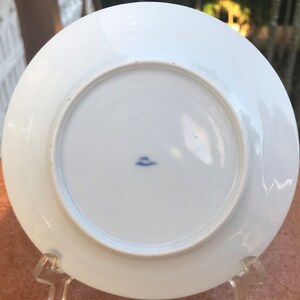
MARK - blue underglaze
- with Mt Fuji Dbl Stream Mark used on early 1900's pieces
SPECS- about 6.0625"D
CONDITION - Excellent!
- held at an angle, there are several superficial scratches to the glaze, nothing distracting
MY SUBJECTIVE GRADING GUIDE >
Outstanding - pristine, like new
Excellent - excellent as it's antique/vintage (minor issues)
Good - moderate issues
Fair - more than moderate issues, okay for display, but not a prized piece
Poor - major issues = a bargain deserving of continued existence
🌴 🌴 🌴WHERE AMERICA'S DAY BEGINS!🌴 🌴 🌴
🌺HÅFA ADAI from ISLA GUAHAN (Guam/USA)🌺
KORANSHA INFO >
1689 - Matasiro Fukagawa ( founder Eizaemon Fukagawa ) started to manufacture pottery in Arita.
1870 - By the command of the Ministry of telegraphic communication, the 8th Eizaemon Fukagawa succeeded in manufacture of the insulator for telegraphic communication first in Japan.
1875 - "KORANSHA" Scented Orchid Company was established by Ezaiemon Fukagawa with his partners. When those partners left, Ezaiemon Fukagawa reorganized the company.
1876 - Koransha upon exhibition at World Expos beginning at the Philadelphia Expo, won recognition and awards.
1896 - Appointed to supply pottery by the Imperial Household Ministry.
Upon his death, his eldest son Yotaro inherited while his second son established the FUKAGAWA PORCELAIN COMPANY - 1894.
FUKAGAWA INFO > 1894 - present
1900 - Paris Exposition - awarded the gold medal for large vase
1910 - appointed "Purveyor to the Imperial Household"
1916 - becomes the Japan Navy designated factories, to deliver the Western Tableware (up to 1918)
1947 - it had delivered the tableware in the United States Navy central purchasing office, further to receive the orders were mainly a dinner set
These two companies on occasion produced similar/almost exact patterns. I use on a daily basis two early rice bowls depicting an "aralia" pattern. Same except that Fukagawa depicts 6 red berries both inside/outside the bowl and the Ko Ran Sha 5 inside the bowl and 7 on the exterior. Slight difference in size and and thinness of porcelain. Both companies exist today and still do hand painted wares that sell for thousands of dollars. Both companies also manufacture electrical ceramic items. Both companies continue to win porcelain awards both domestically and worldwide. Their early popularity in Europe led to their success.
🌸 🌸 🌸 🌸 🌸 🌸 🌸 🌸 🌸 🌸 🌸 🌸 🌸 🌸
"Porcelain production began in Japan in the early seventeenth century, several hundred years after it had first been made in China during the Tang dynasty (618–906). This refined white ceramic requires more advanced technology than other ceramic types. The vessels are fired at very high temperatures so that they are strong and vitrified, as opposed to low-fired earthenware, which is porous and easily breakable. Unlike stoneware, which is high-fired but can be made from many different types of clay, porcelain is made from a specific clay mixture that includes a soft, white variety called kaolin. The smooth, semi-translucent surface of porcelain is ideal for painting delicate designs, and has been prized in both the East and West.
The Japanese porcelain industry was actually pioneered by Korean potters living in Japan. Many of them came to Japan during two invasions of Korea led by Toyotomi Hideyoshi in the 1590s. An appreciation of Korean ceramics had recently developed in Japan, and many of the feudal lords who accompanied Hideyoshi brought back Korean potters to build up the ceramic industry in their territories. The Nabeshima lord took Korean potters back to his province of Hizen on Kyushu, the southernmost of Japan's main islands. These potters would eventually become the first producers of porcelain in Japan, but they started out by reviving the production of a type of stoneware called Karatsu ware. This type of ceramic is usually simple, inexpensive, and made rapidly but skillfully on the potter's wheel. The potters also introduced a new type of kiln to Japan, the noborigama, or climbing kiln, which allows for greater precision during firing. Therefore, when in the early seventeenth century the Korean potters living in the Arita district of Hizen found suitable clay for the manufacture of porcelain, the infrastructure for its production was already in place. The Hizen region thus became the major center of porcelain production in Japan.
The first porcelain made in Japan by these Korean potters is known as early Imari. "Imari" refers to a port near the Arita kilns, from which these wares were shipped to the rest of the country. Since these porcelains were primarily for domestic consumption, the term "early" is added to distinguish them from later wares also classified as "Imari" which were typically for export. Most early Imari pieces feature designs painted in cobalt blue on a white ground, then coated in a transparent glaze, in the style known as underglaze blue . The porcelain has a coarse, grainy texture and the designs are generally carried out by a free, fluid hand. The technique of painting pictorial designs under a clear glaze was sometimes employed on Karatsu ware, so early Imari may have in part stemmed from this earlier tradition."
🌸 🎏 家族 🎏 家族 🎏 家族 🎏 家族 🎏 家族 🎏 🌸
I'm not an expert on Porcelain. The information above is based on my research as a collector. It's time to downsize and find an appreciative home for this exquisite piece!
Feel free to contact me if you have questions or need additional photos.
Be the first to review this item


More from this shop
Visit shop-
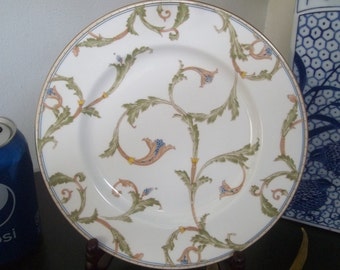
Talara Salad Plate (s) 8.5'' Dessert Dish Noritake 'New Lineage II' Pattern Bone China Porcelain Discontinued Thailand
CA$24.08
-
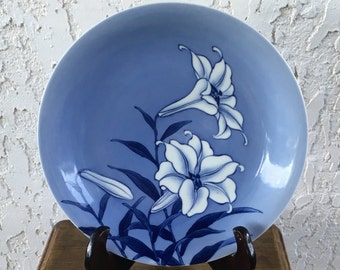
1800's Antique Hirado Porcelain Plate 白百合 Shirayuri White Lily Blossom Charger Floral Osara Dish Bowl Meiji Taisho Japan *Free S&H
CA$369.27
-
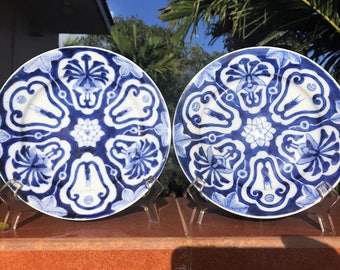
1800's TWO Plates #A Signed Dainippon Hizen Arita Aoki-sei 染付 Sometsuke 阿蘭陀海芋 Calla Lily Blossoms Dish Pair Floral Porcelain Wall Art Japan
CA$412.06
-
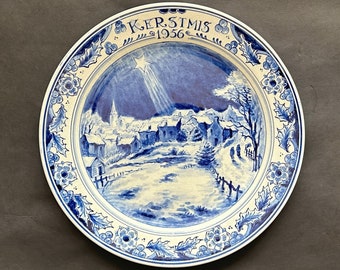
Royal Delft 1956 Christmas Plate "Star of Bethlehem" 10" Delfts Blauw Kerstmis Bord Schotel Wall Plaque Art Charger Dish De Porceleyne Fles
CA$697.34
-
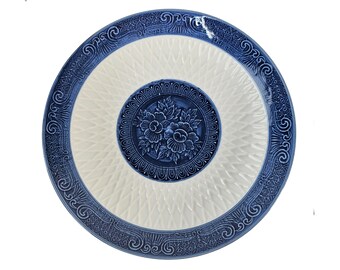
Vintage Arita Mansen Cobalt Blue Porcelain Platter, Embossed Camellia Flower, Japanese Art Decor
CA$80.98
-
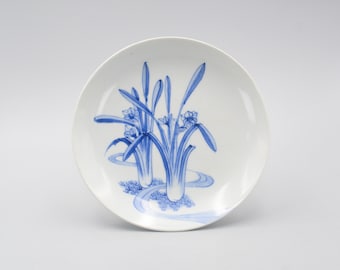
Antique Japanese Blue And White Porcelain Flower Decoration Dish
CA$92.72
-
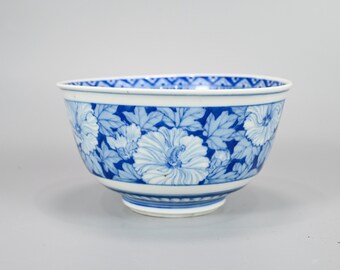
Antique Japanese Blue And White Porcelain Arita Floral Bowl
CA$92.72
-
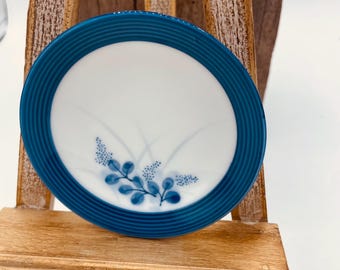
Vintage Japanese Arita Flower Kiln Porcelain Small Bowl or Plate
CA$25.68
-
Fukagawa Arita Yaki Ware Porcelain Plate Dish Flowers Gold Blue Japan Japanese
CA$92.72
-
Antique Large Japanese Blue And White Porcelain Floral Arita Bowl Meiji Period
CA$212.53
-
Vintage Japanese Porcelain Hand Painted Bowl
CA$64.19
-
Pair Of Antique Japanese Blue And White Porcelain Sometsuke Imari Dish
CA$121.24
-
Antique Japanese Edo Period Blue And White Porcelain Dish
CA$141.21
-
Mid-Century Japanese Arita Ware Bowl – Blue & White Floral – 5”
Sale Price CA$25.64
Original Price CA$39.45
-
Antique Japanese Blue And White Porcelain Arita Imari Landscape Bowl
CA$106.98
-
Antique Japanese Arita Blue White Plate
CA$55.94
