



Precio:14,23 €+
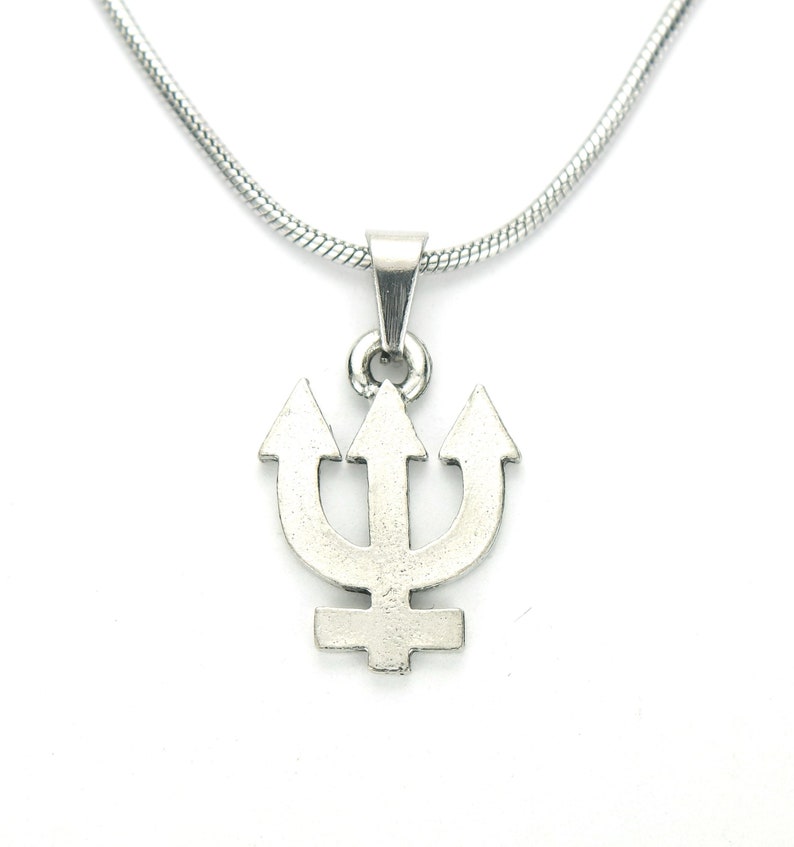
Neptune Necklace, Neptune Glyph Sign Pisces Symbol Charm Pendant any size long chain in Jewelry Gift USA Made Antique Silver Fine Pewter nb
Vendedor estrella
Los vendedores estrella tienen un excelente historial probado de experiencia de cliente: reciben reseñas de 5 estrellas de cada pedido, envían con puntualidad y responden rápido a los mensajes que reciben.
Se aceptan cambios y devoluciones
Solo puedes hacer una oferta por compras de un único artículo
Vendedor estrella. Este vendedor recibió sistemáticamente reseñas de 5 estrellas, envió los pedidos de manera puntual y respondió rápidamente a los mensajes que recibió.
Puntos destacables
For males or females
INCLUDES
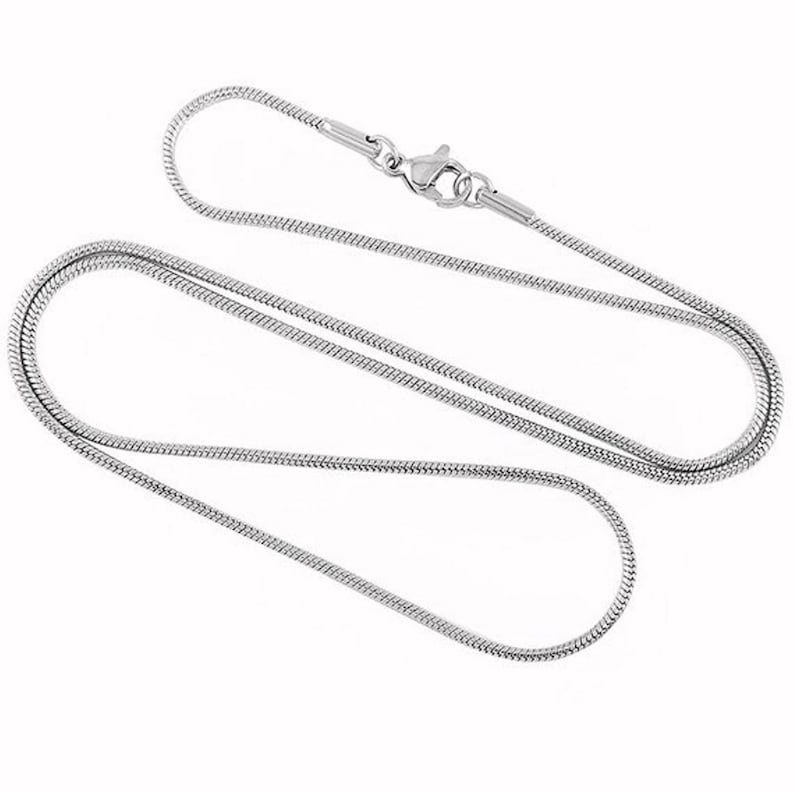
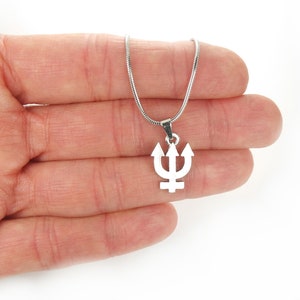
Pendant and snake chain necklace.
You can also purchase just the pendant alone to hang on your own cord or chain.
MEASUREMENTS
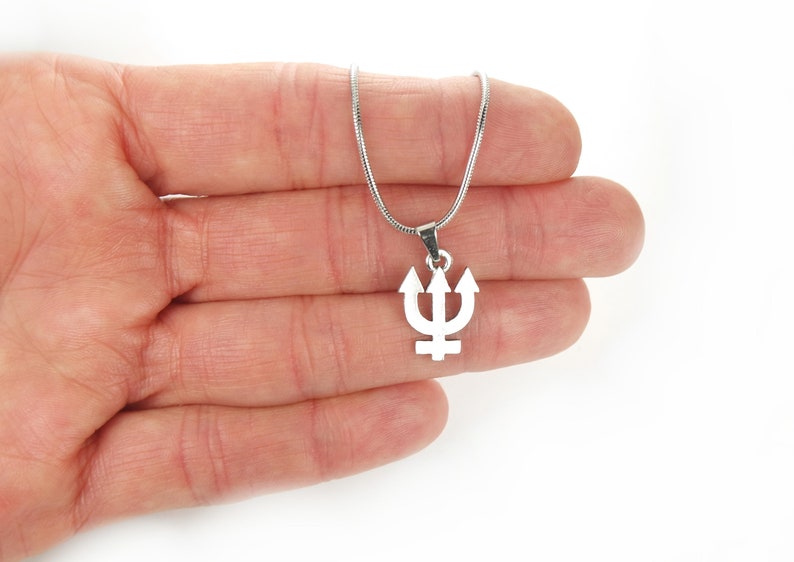
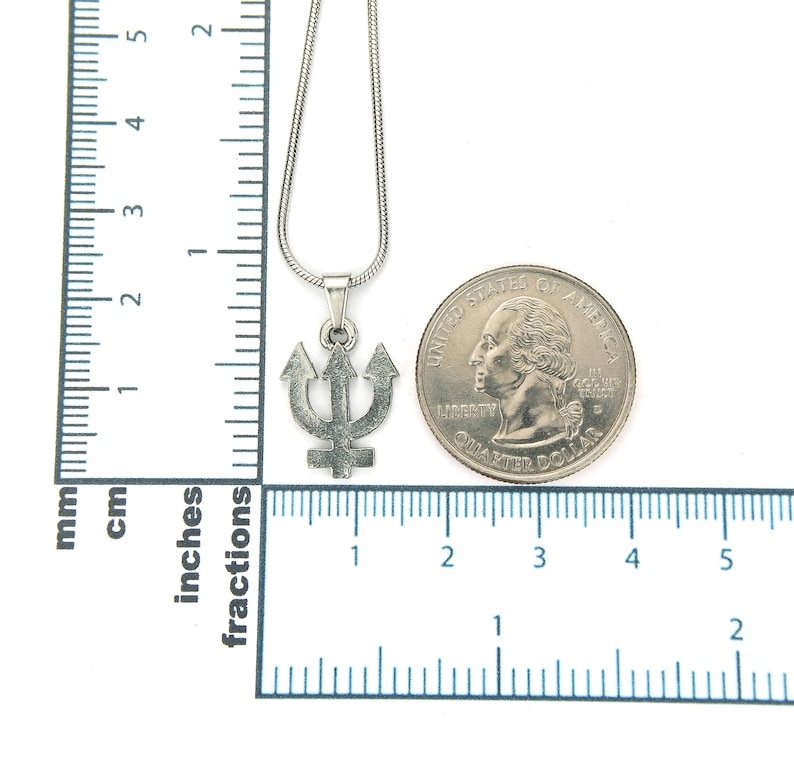
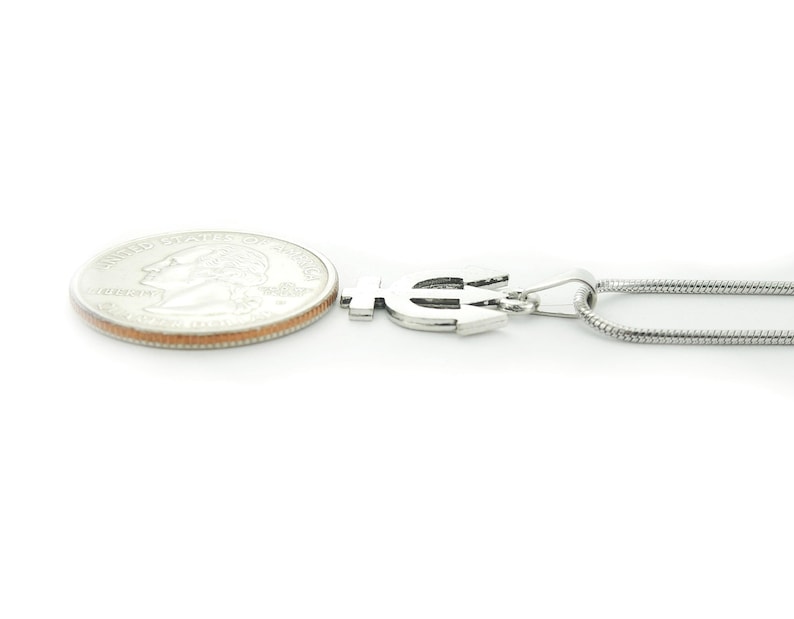
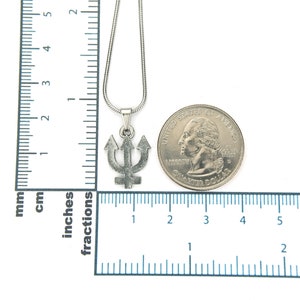
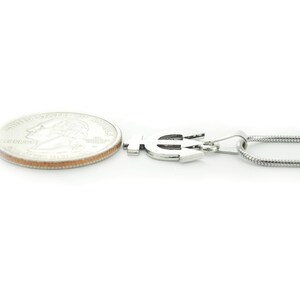
The pendant measures about .704" tall x .508" across x .047" thick (appx 17.9mm x 12.9mm x 1.2mm)
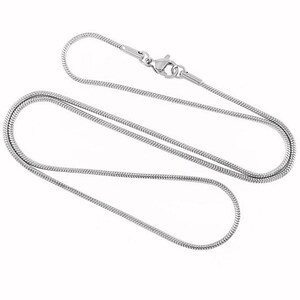
The necklace chain is offered in your choice of length from 16" to 36" (40cm to 92cm)
MATERIALS
The pendant is an antiqued silver pewter casting, made in USA.
The necklace chain and all its components are made of pure 304 Stainless steel. Stainless is non-tarnishing, hypo-allergenic, shiny, strong and durable. You can sleep, swim or shower in it!
IN ASTROLOGY
Neptune, God of the Sea, is the ruler of Pisces. In astrology, Neptune is considered a planet of inspiration, dreams, psychic receptivity, illusion, and confusion. Neptune rules spirituality, and all things subtle. A youthful, and sometimes naive, spirit characterizes those with a strong placement of Neptune in their birth chart.
IN ASTRONOMY
Neptune is the eighth and farthest known planet from the Sun in the Solar System. In the Solar System, it is the fourth-largest planet by diameter, the third-most-massive planet, and the densest giant planet. Neptune is 17 times the mass of Earth, slightly more massive than its near-twin Uranus. Neptune is denser and physically smaller than Uranus because its greater mass causes more gravitational compression of its atmosphere. Neptune orbits the Sun once every 164.8 years at an average distance of 30.1 au (4.5 billion km; 2.8 billion mi). It is named after the Roman god of the sea and the astronomical symbol is a stylised version of the god Neptune's trident.
Neptune is not visible to the unaided eye and is the only planet in the Solar System found by mathematical prediction rather than by empirical observation. Unexpected changes in the orbit of Uranus led Alexis Bouvard to deduce that its orbit was subject to gravitational perturbation by an unknown planet. The position of Neptune was subsequently calculated from Bouvard's observations, independently, by John Couch Adams and Urbain Le Verrier after his death. Neptune was subsequently observed with a telescope on 23 September 1846 by Johann Galle within a degree of the position predicted by Le Verrier. Its largest moon, Triton, was discovered shortly thereafter, though none of the planet's remaining 13 known moons were located telescopically until the 20th century. The planet's distance from Earth gives it a very small apparent size, making it challenging to study with Earth-based telescopes. Neptune was visited by Voyager 2, when it flew by the planet on 25 August 1989; Voyager 2 remains the only spacecraft to visit Neptune. The advent of the Hubble Space Telescope and large ground-based telescopes with adaptive optics has recently allowed for additional detailed observations from afar.
Like Jupiter and Saturn, Neptune's atmosphere is composed primarily of hydrogen and helium, along with traces of hydrocarbons and possibly nitrogen, though it contains a higher proportion of "ices" such as water, ammonia and methane. However, similar to Uranus, its interior is primarily composed of ices and rock; Uranus and Neptune are normally considered "ice giants" to emphasise this distinction. Traces of methane in the outermost regions in part account for the planet's blue appearance.
In contrast to the hazy, relatively featureless atmosphere of Uranus, Neptune's atmosphere has active and visible weather patterns. For example, at the time of the Voyager 2 flyby in 1989, the planet's southern hemisphere had a Great Dark Spot comparable to the Great Red Spot on Jupiter. These weather patterns are driven by the strongest sustained winds of any planet in the Solar System, with recorded wind speeds as high as 2,100 km/h (580 m/s; 1,300 mph). Because of its great distance from the Sun, Neptune's outer atmosphere is one of the coldest places in the Solar System, with temperatures at its cloud tops approaching 55 K (-218 °C; -361 °F). Temperatures at the planet's centre are approximately 5,400 K (5,100 °C; 9,300 °F). Neptune has a faint and fragmented ring system (labelled "arcs"), which was discovered in 1984, then later confirmed by Voyager 2.
IN MYTHOLOGY
Neptune (Latin: Neptunus) is the god of freshwater and the sea in Roman religion. He is the counterpart of the Greek god Poseidon. In the Greek-influenced tradition, Neptune is the brother of Jupiter and Pluto; the brothers preside over the realms of Heaven, the earthly world, and the Underworld. Salacia is his wife.
Depictions of Neptune in Roman mosaics, especially those of North Africa, are influenced by Hellenistic conventions. Neptune was likely associated with fresh water springs before the sea. Like Poseidon, Neptune was worshipped by the Romans also as a god of horses, under the name Neptunus Equester, a patron of horse-racing.
The theology of Neptune may only be reconstructed to some degree, as since very early times he was identified with the Greek god Poseidon: his presence in the lectisternium of 399 BC is a testimony to the fact. Such an identification may well be grounded in the strict relationship between the Latin and Greek theologies of the two deities. It has been argued that Indo-European people, having no direct knowledge of the sea as they originated from inland areas, reused the theology of a deity originally either chthonic or wielding power over inland freshwaters as the god of the sea. This feature has been preserved particularly well in the case of Neptune who was definitely a god of springs, lakes and rivers before becoming also a god of the sea, as is testified by the numerous findings of inscriptions mentioning him in the proximity of such locations. Servius the grammarian also explicitly states Neptune is in charge of all the rivers, springs and waters. He also is the lord of horses because he worked with Minerva to make the chariot.
He may find a parallel in Irish god Nechtan, master of the well from which all the rivers of the world flow out and flow back to.
Poseidon on the other hand underwent the process of becoming the main god of the sea at a much earlier time, as is shown in the Iliad.
In the earlier times it was the god Portunus or Fortunus who was thanked for naval victories, but Neptune supplanted him in this role by at least the first century BC when Sextus Pompeius called himself "son of Neptune." For a time he was paired with Salacia, the goddess of the salt water.
A Roman mosaic on a wall in the House of Neptune and Amphitrite, Herculaneum, Italy
Neptune was also considered the legendary progenitor god of a Latin stock, the Faliscans, who called themselves Neptunia proles. In this respect he was the equivalent of Mars, Janus, Saturn and even Jupiter among Latin tribes. Salacia would represent the virile force of Neptune.
In Rome Neptune had only one temple. It stood near the Circus Flaminius, the Roman racetrack, in the southern part of the Campus Martius. It already existed in 206 BC. It appears on a coin struck by Gn. Domitius Ahenobarbus around 40 BC doubtless because of a restoration carried out by this personage. It contained a famous sculpture of a marine group by Scopas Minor. The Basilica Neptuni, was built on the Campus Martius and dedicated by Agrippa in honour of the naval victory of Actium. This building substituted the older temple, which in its turn substituted a more ancient altar.
Neptune is one of only four Roman gods to whom it was appropriate to sacrifice bulls, the other three being Apollo, Mars and Jupiter, although Vulcan was also allowed the offering of a red bull and a red bull calf. The wrong offering would require a piaculum if due to inadvertency or necessity. The type of the offering implies a stricter connection between the deity and the worldly realm.
-
Pídelo hoy para recibirlo en torno al 18-29 jun
Tu pedido debería llegar en torno a esta fecha si lo compras hoy. Para calcular una fecha de entrega estimada fiable, nos fijamos en detalles como los tiempos de tránsito más recientes de la compañía de transporte, el tiempo de preparación del vendedor y su historial de envíos, y desde dónde y a dónde se envía el pedido.
-
Se aceptan cambios y devoluciones en el plazo de 30 días
Los gastos de envío de las devoluciones corren a cargo del comprador. Si el artículo no se devuelve en su estado original, el comprador será responsable de cualquier pérdida de su valor.
-
Gastos de envío: 24,52 €
-
Se envía desde: Estados Unidos
Ha habido un problema al calcular los gastos de envío. Vuelve a intentarlo.
Protección de compras de Etsy
Compra con confianza en Etsy sabiendo que estamos a tu lado si surge un problema con un pedido que reúne los requisitos.
Consulta las condiciones del programa

Reseñas de este artículo
Características que destacan los compradores, resumidas por IA: Buena calidad · Les encanta
De muy alta calidad, uno de los pocos artículos que pedí. ¡Me encanta, gracias!
Tamaño perfecto, cumplió mis expectativas.
MUCHAS GRACIAS QUIERO ESTO MUCHO MIENTRAS GUARDAR PARA DESPUÉS NO SOY EL SIGNO DE PISCIS SOY EL SIGNO DE TARUS FUNCIONA PARA MI PRÁCTICA QUIERO QUE SEA MI OTRO PADRE EN SIRENITA 🧜🏽♀️ MUCHAS GRACIAS BESAFE ESTOS FUNCIONAN PARA MI PRÁCTICA🙏🏽🙏🏽🙏🏽🙏🏽🙏🏽🙏🏽🙏🏽🙏🏽👀👀👀👀👀👀😭😭😭😭😭😭😭 😭🛐🛐🛐🛐🛐🛐🛐🛐💟💟💟💟💟💟🛒⭐️⭐️⭐️ ⭐️⭐️⭐️⭐️⭐️⭐️⭐️🤩🤩🤩🤩🤩🤩🤩🤩🪼🦐🦞🐙🦑🐡🦀🐠🐟🐬🐳🐋🦈🦭🐚🪸🪨🌊 🛍️🕯️📿🩵🏖️


Envíos puntuales Tiene un historial de envío puntual con seguimiento.
Respuestas rápidas Tiene un historial de respuestas rápidas a los mensajes.
Buenas reseñas La valoración media de las reseñas es 4,8 o más alta.
Más artículos de esta tienda
Visitar tienda-
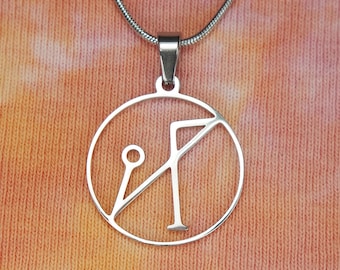
Sigil of Archangel Michael Necklace or Earrings, Waterproof Stainless Steel, Arch Angel Mikail Michael Charm Pendant Gift
14,23 €
-
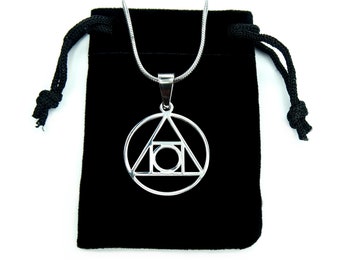
Collar de Piedra Filosofal, acero inoxidable 304 puro, colgante con símbolo del sello hermético de la luz del elixir de la vida de la alquimia, joyería mágica nb
14,23 €
-

Collar o aretes de oso bailarín de Grateful Dead, colgante con dije de cabeza de Greatful Dead
14,23 €
-

No hay religión más alta que la verdad, collar Ouroboros, luna creciente, estrella David, ankh egipcio, hindú, sánscrito, Om, Islam, coexistencia, Thelema
14,23 €
-
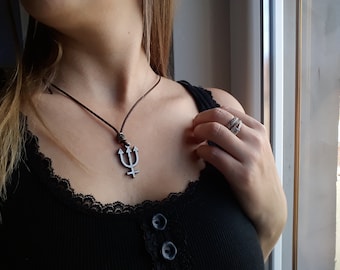
Collar de cuero con glifo del tridente de Neptuno, collar con símbolo astrológico, amuleto de signo astrológico, joyería del zodíaco, glifo planetario de Neptuno, unisex
24,10 €
-
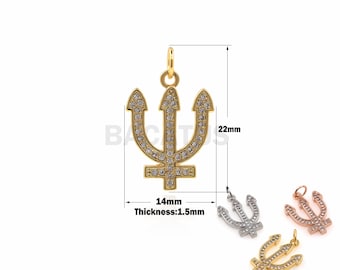
1 colgante de Neptuno. Colgante con símbolo de Neptuno, tridente en miniatura, micropavé, relleno de oro de 18 quilates, 22 x 14 x 1,5 mm.
Precio en oferta 3,60 €
Precio original 4,24 €
-
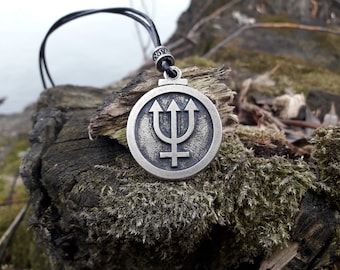
Collar de cuero con el glifo planetario de Neptuno, joyería con el signo del planeta Neptuno, símbolo astrológico, horóscopo, zodíaco, símbolo astrológico del tridente de Neptuno
24,10 €
-
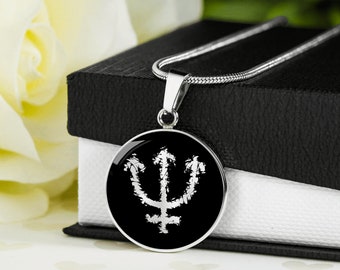
Collar de signo de Neptuno personalizado, símbolo de Neptuno grabado, regalos espirituales de collar celestial personalizado, collar grabado
Precio en oferta 50,82 €
Precio original 72,60 €
-
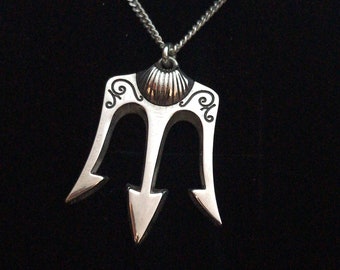
Collar con el tridente de Poseidón, collar con el tridente de Neptuno, joyas de Poseidón, joyas de Neptuno, collar griego, joyas romanas, collar de plata, regalo
221,80 €
-
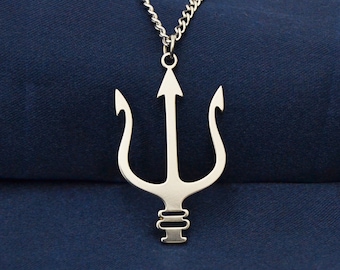
Símbolo tridente del dios Neptuno
18,90 €
-
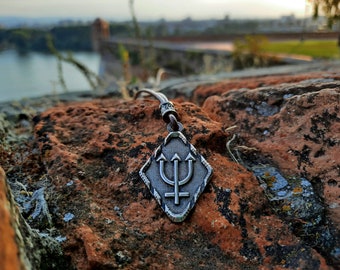
Collar de cuero con el glifo del tridente de Neptuno, collar con símbolo astrológico, amuleto de signo astrológico, joyería del zodíaco, glifo planetario de Neptuno, hecho a mano
24,10 €
-
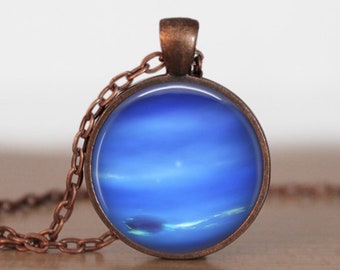
Collar de Neptuno, Colgante de Neptuno, Joyería de Neptuno, Amuleto de Neptuno, Collar Espacial, Colgante Espacial, Joyería Espacial, Amuleto Espacial
21,90 €
-
Collar de plata con el tridente de Poseidón, colgante para hombre, dios de la mitología griega, dios romano Neptuno, océano, lanza, collar griego, collar para hombre
Precio en oferta 33,86 €
Precio original 48,38 €
-

Colgante vintage de plata con el tridente de Poseidón y Neptuno
26,00 €
-
Collar con tridente de Poseidón y Neptuno, collar para hombre, colgante con tridente de Poseidón griego, acero inoxidable, collar para hombre, regalo para él.
Precio en oferta 33,86 €
Precio original 48,38 €
-
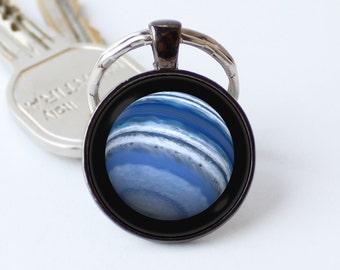
Llavero Neptuno Joyas Neptuno Joyas Neptuno Llavero Neptuno Regalo espacial Colgante Neptuno Llavero Planeta Llavero Planeta Regalo Planeta
Precio en oferta 14,39 €
Precio original 16,00 €
A los compradores con gustos similares les han gustado estos artículos
-
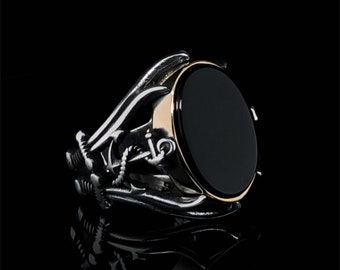
Anillo de ancla de plata de ley para hombre, joyería gótica marinera de ónix negro.
Precio en oferta 108,45 €
Precio original 120,49 €
-
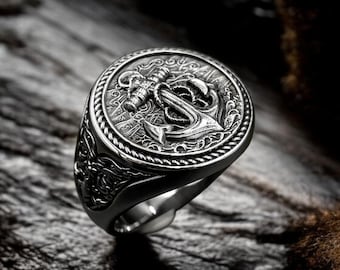
Anillo de ancla de plata de ley 925, joyería náutica
Precio en oferta 45,35 €
Precio original 50,39 €
-
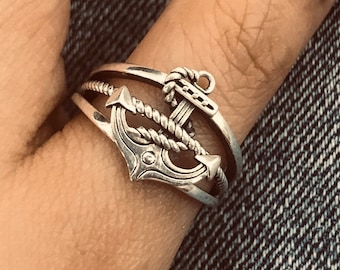
Anillo de ancla de plata de ley hecho a mano: joyería punk motera oxidada
Precio en oferta 50,93 €
Precio original 67,92 €
-

Anillo Náutico de Calavera & Ancla – Joyería Pirata para Hombre en Plata de Ley con Detalles en Oro
Precio en oferta 164,31 €
Precio original 181,06 €
-

Anillo de brújula con ancla de plata de ley 925, joyería náutica oxidada de estilo marinero.
Precio en oferta 96,40 €
Precio original 175,27 €
-
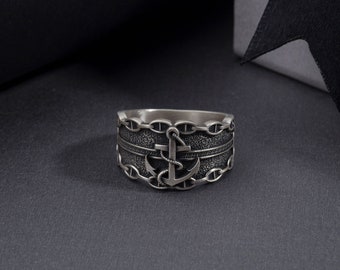
Anillo de ancla de plata de ley oxidada, banda de cuerda náutica
Precio en oferta 129,48 €
Precio original 161,84 €
-
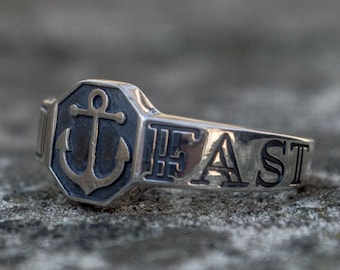
Anillo de ancla de plata - Joyería náutica para hombre con el lema "Hold Fast" (Manténgase firme). Anillo marinero artesanal inspirado en el mar.
Precio en oferta 155,48 €
Precio original 207,31 €
-
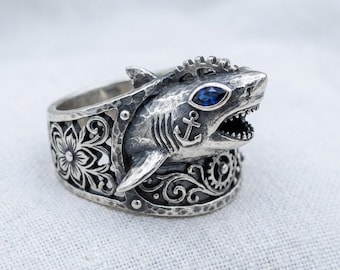
Anillo de tiburón de plata de ley, anillo motero náutico steampunk para hombre, joyería llamativa con ancla oceánica
Precio en oferta 172,51 €
Precio original 316,83 €
-
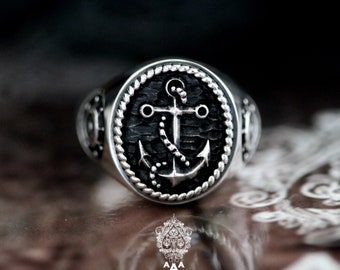
Anillo de anclaje, anillo marinero de plata, anillo de plata, plata de ley 925 negro.
Precio en oferta 107,08 €
Precio original 125,97 €
-

Anillo de ancla y serpiente de plata 925K: joyería náutica llamativa, anillo marinero con serpiente
Precio en oferta 106,04 €
Precio original 159,33 €
-
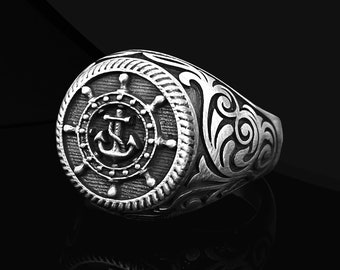
Anillo de sello de ancla de plata esterlina: joyería náutica marinera
Precio en oferta 123,23 €
Precio original 164,31 €
-
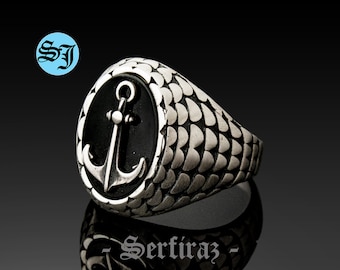
Anillo de ancla de ónix negro: joyería náutica de plata de ley, estilo art déco
Precio en oferta 165,94 €
Precio original 255,29 €

