


Rare find
Price:$108.00
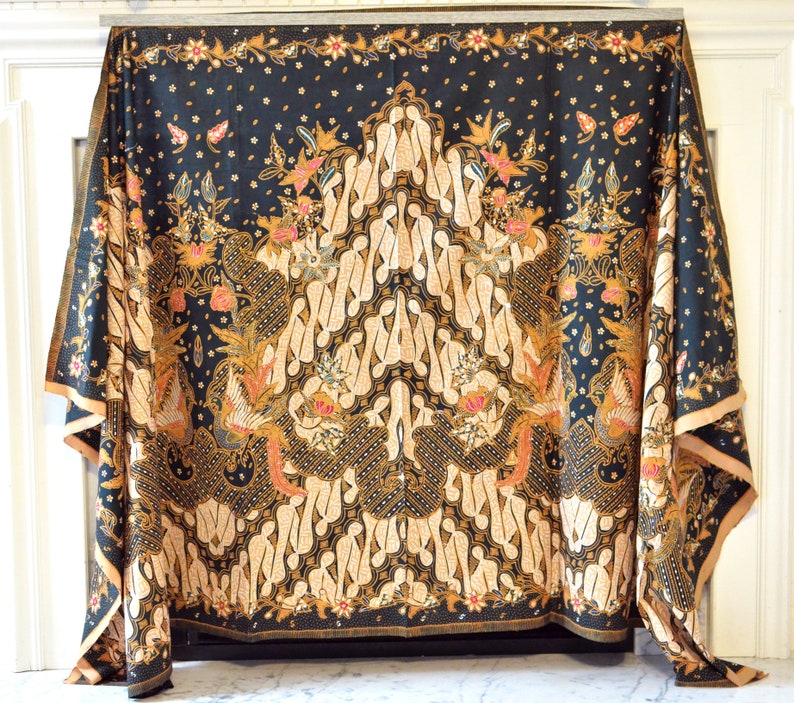
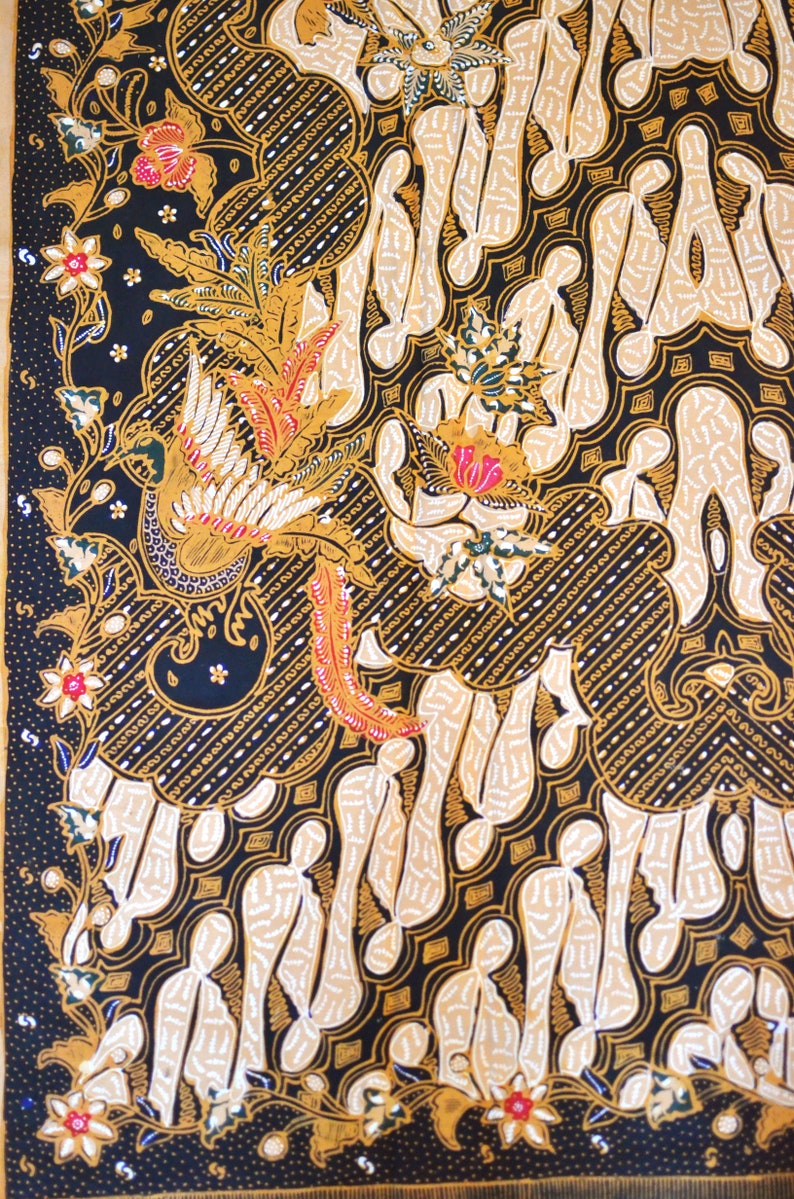
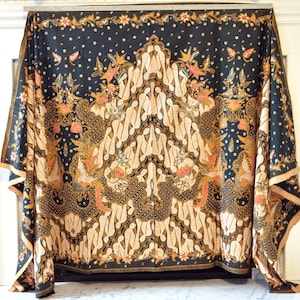
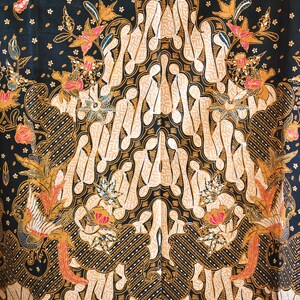
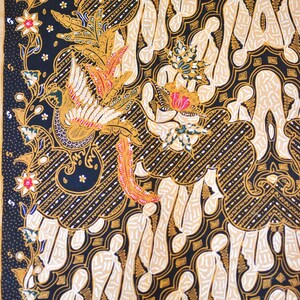
Hand drawn Indonesian Batik Tulis Fabric Hand written Bird of Paradise Balinese Black brown Javanese Sarong Unisex Men Pencak Silat Java
Returns accepted
You can only make an offer when buying a single item
Highlights
🌸🌸🌼 Please check my store front for announcement on coupon, current turn around time and shipping saving.
https://SugarNSpiceHandcraft.etsy.com/
International customers who would like to purchase multiple items, please do contact me for exact shipping quote. You might save on shipping cost by doing so.
🌼
🌿Authentic new 100% hand drawn batik (batik tulis) from Indonesia. Every single little detail on this batik was hand drawn, on a finely woven 100% cotton fabric.
This batik was dyed with natural dyes only, derived from Indigofera plants, and several other Indonesian native plants, such as Soga Tinggi tree.
🌿It takes a lot more time and more works to create batik with natural dyes, since the batik fabric needs to be dipped many more times in the dye solutions compared to when synthetic dyes are use. These natural dyes have been used for generations since the ancient times.
🌿This handsomely made batik took about 6 months to finish because of its hand drawn nature and lengthy dyeing process.
🌿Approximate size : 1x 2.4 meters.
about 40 inches x 8 feet
100% finely woven cotton fabric.
🌿This one of a kind masterpiece from the archipelago of Indonesia is packed with history, tradition, philosophy, stories of acculturation, expression of life, diversity and cultural identities. “Batik tulis” in short is a drawing/painting/ a form of writing using hot melted wax on cotton cloth using a tool called canting which then dyed using a process called wax resist dyeing.
🌿This Batik is originated from our partner artisans in Solo, also known as Sala or Surakarta in Central Java.
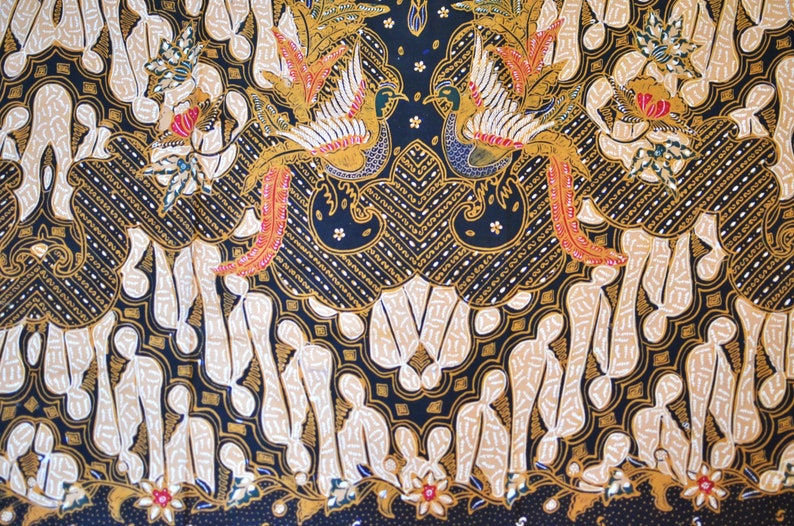
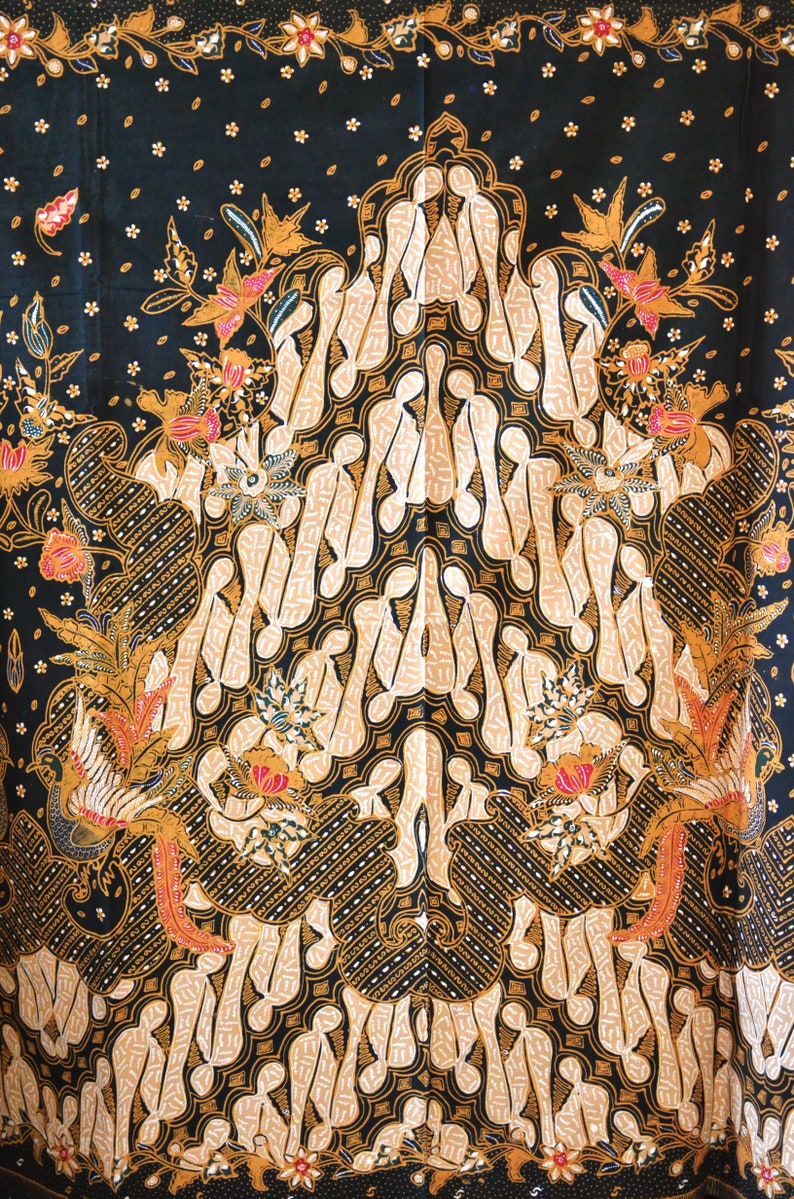
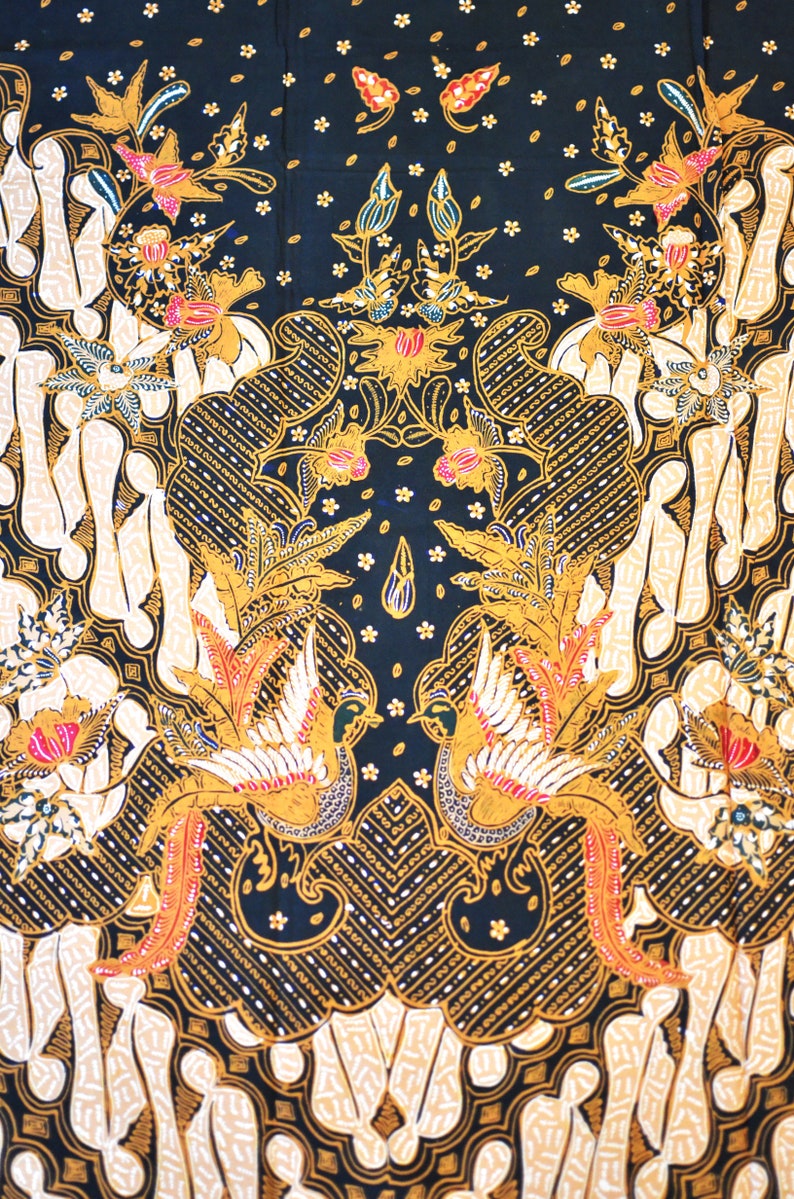
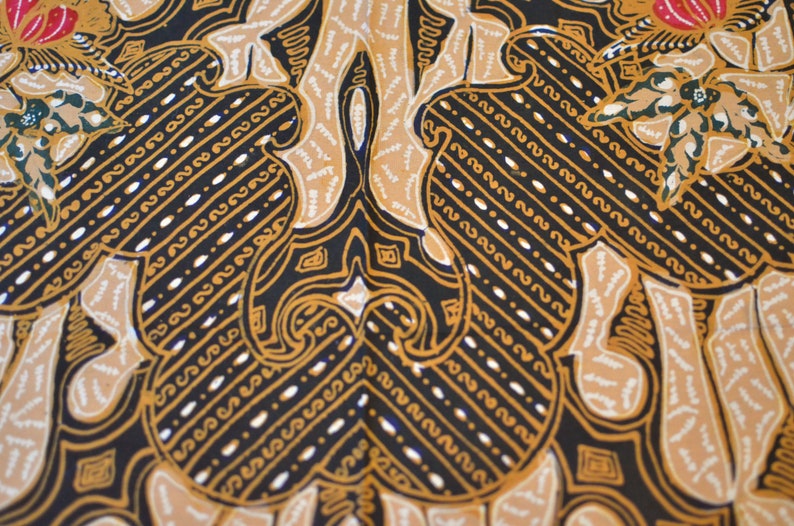
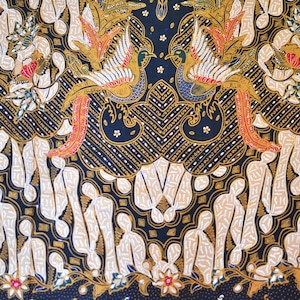
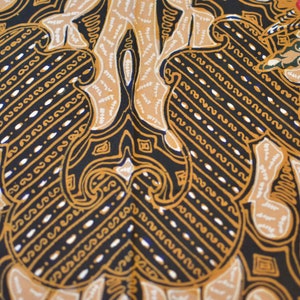
Its very intricate motif depicts Swarga Peksi, also known as Cendrawasih or Bird of Paradise and the Parang motif that was once a forbidden motif reserved only for the Sultan and a few select people within the inner circle of the Royal Court. Parang motif is one of the oldest in Indonesia. Parang is derived from the word "Pereng" which means the slopes. Perengan depicts a descending line from high to low diagonally. The basic shape of the letter "S" is a a depiction of ocean waves that never cease, bringing with it the phylosophy of perserverence, the spirit of never giving up to better oneself and to work tirelessly to bring good into the world. The resemblance of Parang motif to the "Keris", which is the ceremonial dagger, also made the parang motif a symbol of security, safety and power. Swarga Peksi symbolizes elegance, charm and beauty.
The histroy of batik in Solo went back as far as 4 centuries ago during the reign of the Kingdom of Pajang, when Kyai Ageng Henis introduced the batik making process in a town called Lawean.
In the year of 1755, the Mataram kingdom were split into the Surokarto kingdom and Ngayogyokarto kingdom through Giyanti treaty. And this was also the start of the new style of Surakarata/Solo batik that deviate from the Mataram kingdom style that is preserved by the Ngayogyokarto kingdom. The Sultan of Surakarta kingdom then, Paku Buwono I, encouraged his people to create new batik motif and style which would differentiate their batik from Ngayogyokarto batik.
The batiks of Central Java, or the Keratons batiks, such as the Solo batik, have their own characteristics in which the motifs are very orderly, controlled patterns that are usually geometric and repeated. This shows the Javanese philosophy and believe that everything in this world has its own place, they highly value order in every facets of life. For them, batik was originally the finest of the finest form of art that is only done inside the Keraton and reserved for the Sultan and his family. It was considered more than just art, but was imbued with a lot of philosophical and religious meaning. Both Sultans from Ngayogyakarta and Surakarta have decreed in the past to make some of the batik motifs forbidden for the commoners. There was a strict hierarchical and strict court etiquette that certain forbidden motifs can only be worn by certain people at a certain time. Although in the n the past, “batik tulis” was mostly reserved for the royal families and the nobility, the beauty of hand drawn batik or batik tulis can now more easily enjoyed by everyone.
🌸I love and collect vintage batik, but I strive to also buy and offer newly made naturally dyed hand drawn batik such as this one. By offering and buying one, I'm supporting a new generation of batik artisans. The future of batik depends on them. I hope even though you came for the vintage, you will stay for the new hand drawn batik and support a new generation of batik artisans🌸
🌺🌺🌺SHIPPING INFORMATION🌺🌺🌺
🌿 Ready to ship within 3 business days.
🌿 I try to describe the item as accurately as possible with the best of my availability, but color variations may occur due to lighting, screen, camera and setting variations.
🌿 Due to its hand drawn nature, Batik Tulis will never have the “perfection” that is expected from a printed fabric. Please be aware of this before purchasing. Just like any other form of painting, their exquisite beauty is “perfectly imperfect”.
🌿If you have any questions please email me and I would be happy to help you with more information about this fabric.
🌿 Any custom fees and taxes are the responsibility of the buyer. When you purchase this item you are agreeing to pay any custom fee, tax and any fees associated with it, including but not limited to return shipping to the seller if buyer refuse to pay any custom fees or taxes. Return is not allowed and refund will not be issued in the case where buyer refuse to pay any custom fees, taxes or any fee associated with the purchase of this item.
🦋🦋🦋🦋🦋🦋🦋🦋🦋🦋🦋🦋🦋🦋🦋🦋🦋🦋🦋🦋
To only give you the description of the physical characteristics of this batik would be such a disservice to you as a buyer, and will not do justice to this very special form of ancient art.
Therefore, do come to your favorite reading spot, take your favorite drink and snack with you, and lets immerse ourselves in the history and story of batik making.
🌺🌺🌺🌺(But if you are familiar with the batik creating process and history please feel free to skip everything below. All information regarding the batik in this listing are all already listed above.)🌺🌺🌺🌺
🌼🌼🌼🌼HISTORY AND THE PROCESS OF BATIK MAKING🌼🌼🌼🌼
The word “Batik” was derived from Javanese word “Amba”, which means wide, and “ Nitik”, which means dot. The literal translation of it is therefore “writing or to write on a wide fabric”.
To appreciate batik tulis fully, one must understand the intricate process, skills and and the time involved in the process of creating batik tulis.
Batik is made in a process called wax resist dyeing with a tool called “Canting”. Canting is a tool that is made of Copper with bamboo handle and works much like fountain pen, albeit dispensing hot liquid wax instead of ink. The main part of Canting called “Nyamplungan”, which works as the reservoir for the hot melted wax. The “Cucuk” part of the Canting that is shaped like a thin bent pipe, channels the wax from the reservoir onto the fabric.
The whole batik making process involves multiple steps, and depending on the intricacy of the motif, it may take batik artisans several months or even years to create a batik tulis. Batik artisans meticulously draw every single dot, line, curve on that batik by hand, one by one. Not surprisingly, because of the intricacy and the time needed to create batik tulis, some of them can be priced in the range of tens of thousands of dollars. Batik was also lauded by the UNESCO as a Masterpiece of Oral and Intangible Heritage of Humanity in 2009.
One piece of batik is a hard work from multiple people with multiple roles.
The process begins with these artisans drawing the batik pattern onto the white fabric. The batik artisans then apply hot wax mixture onto the fabric to create the outline of the motif of the batik, onto both sides of the fabric. The wax on the fabric will keep dye from penetrating the fabric, hence this area of fabric that is covered with wax, will resist subsequent dyeing process. The wax formulation can significantly affects the quality of the batik, hence it often time is a closely guarded family secret. Everyone knows the list of ingredients that goes into the wax mixture, but only the best artisans knows the perfect ratios to create the best batiks that are uniquely theirs. The same can be said in regard to the dyes. Long time ago, batik was created with only natural dyes. But with the advance of technology, man made dyes are also sometimes used to create more variety of colors. Even when factory made dyes are used, the resulting colors will be affected by so many factors such as ( but not limited to) humidity and temperature. It is even more challenging to create the perfect shade of colors when natural dyes are used. Only the most experienced artisans know how to produce the exact colors that they are aiming for on their original design.
Batiks are dyed by immersing them in dye solution. After the first dyeing process, wax will be removed from the fabric and wax will be reapplied again in the areas that need to be resistant to the dye used in the next dyeing process. Depending on how many different colors used for that fabric, the batik fabric could be dyed multiple times, hence the same areas of a batik fabric most likely will be waxed several times as well throughout the course of batik making process.
Because of the intricacy of the batik making process, a piece of batik tulis is a one of a kind piece of art that is almost impossible to be reproduced, even when the same batik artisan intends to create an exact copy of a batik that she or he has created before.
Batik tulis is therefore highly prized and sought after. With the increasing demand and the advance of technology, another different process of batik making was introduced. “Batik Cap” (literally means stamp batik), is produces when the wax is instead applied using metal stamp/printing blocks, which can significantly reduce the time needed to finish the batik making process. With the advance of batik cap, “batik” is now can be produced in larger quantities within shorter period of time, resulting in batik becoming more affordable for more people.
For batik purist though, and etymologically speaking, “ batik cap” is no longer considered batik. Although there are some instances where both process of stamping and also drawing with canting are used to create a batik.
A more widely accepted view of the authenticity of batik considers something as a batik if wax is involved in the creation process. Therefore any batiks made with hand stamping (Batik Cap), and ones created with the combination of hand drawing and hand stamping are also considered authentic Batik.
Because of the lengthy process of batik making, sustainability and affordability have always been an issue. To solve this problems, some batik artisans invented batik screen printing, which is different than machine printing. Batik screen printing is an innovative way of creating a more affordable batik while retaining the human hand work elements in the equation, thus retaining some of its traditional elements of this ancient art. If you would like to know more about screen printed batik, please do check our other listings of screen printed batiks. We discuss in more detail the process that is taken to create screen printed batik in the description of those listings.
In short, screen printed batiks have the motif that looks like batik, but they are not batik in its truest sense. They are of course priced significantly lower than Batik Tulis and definitely is not one of a kind. But they are also beautiful and much more affordable, hence enable more people to enjoy the beauty of batik motif. But do make sure that you do not pay the premium price of a batik tulis for a screen printed batik.
Lastly, thank you very much for your interest for the authentic hand drawn batik, your support and for helping us preserve the batik making tradition.
Many sellers nowadays try to sell screen printed batik and while nothing is inherently wrong with selling printed batik, it is wrong for them to use vague description into trying to convince buyers to believe that they are selling hand drawn batik (Batik Tulis). They charge so much more for a significantly cheaper product, one that costs almost 1/10th of an authentic hand drawn batik, and cause a significant damage to sustainability of the authentic hand drawn batik artisans’ business and livelihood in the process. These sellers often use the term hand printed, hand painted to confuse buyers.
🌺🌺SO HOW CAN WE DIFFERENTIATE AUTHENTIC BATIK FROM BATIK PRINTED FABRIC?🌺🌺
🌿 The first clue is usually the color of the reverse side of the fabric. Authentic Batik will have bold colors and some motif on both front and reverse sides. Sometimes the intricate motif will be slightly muted on the reverse side of the fabric compared to the front side, but only ever so slightly. This sometimes also apply to Hand Stamped Batik as well. Some Batik Tulis (hand drawn batik) will have bold color and motif on both sides as a result of “ Nerusi” process done during the creation of hand drawn batik. “Nerusi” literally means “ to continue, to make it continue or to make it go through”. It is a process where wax was applied on the reverse side of the fabric, as a continuation of the wax application process on the front, to make sure that the wax goes all the way through both sides of the fabric, hence resulting in bold color and motif on both sides.
🌿 New authentic batik also has a distinctive wax smell. With wax continuously applied and reapplied throughout the lengthy process of batik making, the smell of wax does usually stay with the fabric, but will subside after several washes. This of course doesn’t apply to used antique batik, since they would have lost their wax smell after being washed several time.
🌿 There will be slight deviations on the motif or “imperfections” because of its hand drawn nature. This probably is the main clue. You will be able to tell that the size of the lines are not consistent nor identical because of the difference in pressures applied by human hands that manually applied the wax. You might also see some small smudge lines where the wax layer might have cracked during the making of the batik, or missing color because wax has accidentally dripped on some areas.
🌿 As a rule of thumbs, if you see many fabrics with the same motifs that looks exactly the same, that is a good indication that they are mass produced, therefore not usually authentic hand drawn or stamped batiks. Due to the lengthy process and intricacy of batik making, batik will never be able to be mass produced.
🌿 Lastly, please do make sure that you purchase your batik from a trusted seller. By buying an authentic hand drawn batik, you are supporting the batik artisans and help preserve this precious ancient art.
🦋🦋🦋HOW TO CARE FOR YOUR BATIK🦋🦋
🌿 Hand washing is always the best and safest method for washing Batik. Please avoid machine washing your batik.
🌿 Use only mild detergent specially formulated for batik, but for the best result use soap nuts or “Lerak” that have been traditionally used for hundreds of years to wash batik and have been proven to better preserve its color. When none of those are available, use gentle shampoo instead.
🌿 Never scrub the batik. Soak the batik for about 10-20 minutes and gently agitate the water with your hands.
Rinse well by running cool water through the item until the water is no longer soapy. Do not wring. Instead, press the water out of the item. If there is color in the water, don’t worry! It’s normal, especially during the first few washes, therefore it is always a good practice to wash the batik separately.
🌿Air dry your batik away from direct sunlight.
🌿If the batik needs to be ironed, put another fabric on top of the batik, so that the iron is not touching the batik directly.
Please respect our intellectual property right. Copy pasting another seller’s description that was the fruit of hours of writings, research and knowledge acquired throughout their lifetime is simply disrespectful. So if you are thinking about doing it, please have a decency and don’t do it.
Yes, you will find another Etsy shop that might have similar description in their shop. That is because we are a small family business that is lucky enough to have multiple workshops that span two continents. Unless you are Lolachoco shop, you have no right to copy our description and stern action will be taken if you do.
-
Order today to get by Sep 30-Oct 9
Your order should arrive by this date if you buy today. To calculate an estimated delivery date you can count on, we look at things like the carrier's latest transit times, the seller's processing time and shipping history, and where the order is shipping to and from.
-
Returns accepted within 14 days
Buyers are responsible for return shipping costs. If the item is not returned in its original condition, the buyer is responsible for any loss in value.
-
Cost to ship: $7.00
-
Ships from: Fredericksburg, VA
There was a problem calculating your shipping. Please try again.
Etsy Purchase Protection
Shop confidently on Etsy knowing if something goes wrong with an order, we've got your back for all eligible purchases —
see program terms

Be the first to review this item

More from this shop
Visit shop-
Chrysanthemum Peacock Hand Drawn Indonesian Batik Tulis Fabric Peranakan Hokokai Sarong Java Balinese Oriental Tapestry Wax Resist Artwork
$300.00
-
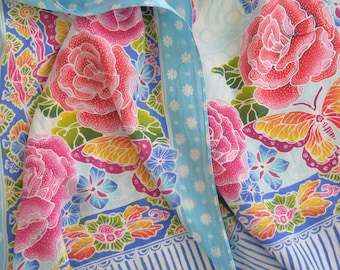
Hand Drawn Silk Indonesian Batik Tulis Floral Sky Blue Scarf Shawl Sarong Peranakan Javanese Balinese Oriental Blue Mother's Day Gift Java
$165.00
-
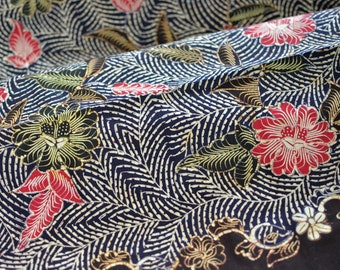
Madura Batik Hand Drawn Fabric Indonesian Sarong Peranakan Balinese Solo Wax Resist Art Pareo Beach Cover Up Java Kain Batik Tulis Tapestry
$87.00
-
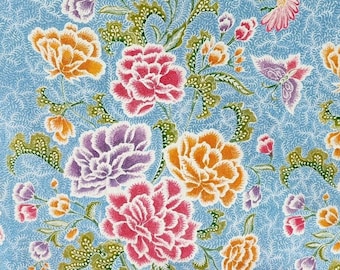
Bouquet Butterfly Hand Drawn Indonesian Batik Fabric Sarong Java Balinese Kain Batik Tulis Oriental Tapestry Pareo Beach Wrap Beach Cover Up
$650.00
-
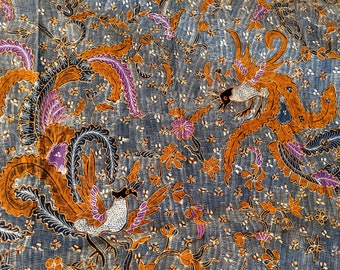
Old Batik Tulis Pekalongan, Vintage Hand Drawn Batik with Phoenix, Batik Collector Item, Antique Handwritten Batik, Indonesian Textiles
$220.00
-
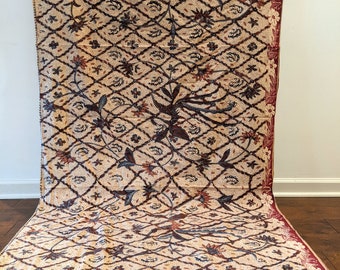
Batik Banyumas, Sidomukti Design, Hand Drawn Indonesian Batik, Indonesia Old Batik, Batik Collector Item, Handwritten Batik with Phoenix
$180.00
-
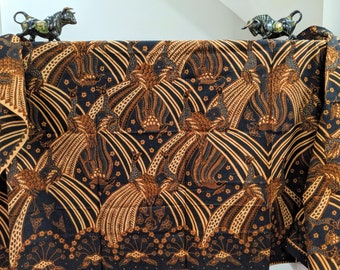
Batik Tulis Solo, Hand Drawn Indonesian Batik, Sogan Java with Peacock Design, Handwritten Javanese Batik, Indonesian Batik Tulis Fabric
$140.00
-
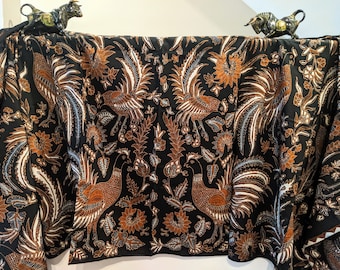
Batik Tulis Solo, Hand Drawn Indonesian Batik, Granitan with Rooster, Brown Black Handwritten Javanese Batik, Indonesian Batik Tulis Fabric
$140.00
-
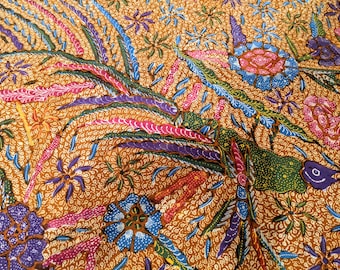
Vintage Batik Semarang with Bird, Old Indonesian Fabric, Handwritten Batik Collector Item, Old Batik Tulis, Indonesian Antiques
$200.00
-
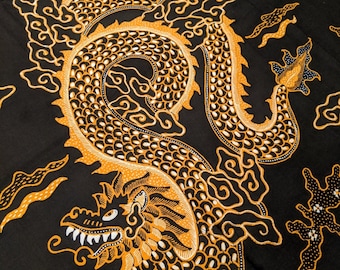
Chinese Style Batik Tulis, Hand Drawn Indonesian Batik Cirebon with Dragon, Indonesian Batik Fabric, Black Batik Sarong, Indonesian Textile
$140.00
-
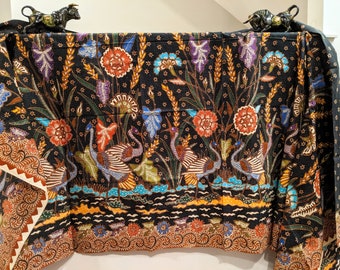
Batik Tulis Solo, Hand Drawn Indonesian Batik, Colorful Granitan with Cranes, Handwritten Javanese Batik, Indonesian Batik Tulis Fabric
$140.00
-
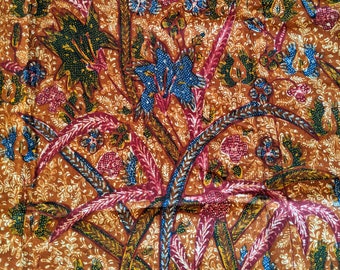
Antique Kain Batik Lasem, Old Indonesian Batik Tulis Fabric, Pagi Sore Handwritten Batik, Batik Collector Item, Vintage Batik Fabric
$220.00
-
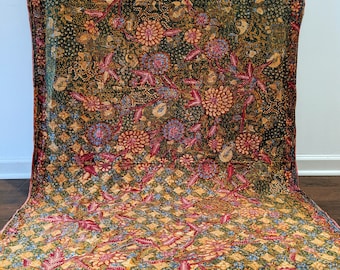
Batik Lasem Pagi Sore, Vintage Hand Drawn Indonesian Batik, Batik Collector Item, Old Batik Tulis, Indonesian Batik Fabric, Green Sarong
$220.00
-
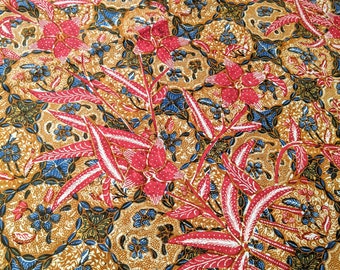
Vintage Batik Lasem, Old Indonesian Batik Tulis Fabric, PagiSore Handwritten Batik, Batik Antique Collector Item, Antiques of Indonesia
$240.00
-
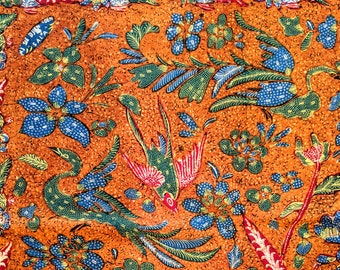
Sie Djien Soen Tiga Negeri, Vintage Hand Drawn Indonesian Batik, Batik Collector Item, Old Batik Tulis, Traditional Indonesian Batik Fabric
$260.00
-
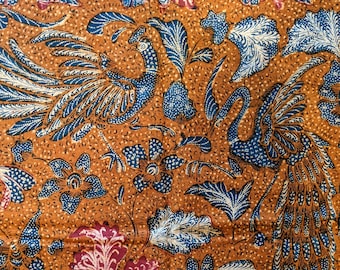
Sie Djien Soen Tiga Negeri, Vintage Hand Drawn Indonesian Batik, Batik Collector Item, Old Batik Tulis, Traditional Indonesian Batik Fabric
$260.00
Disclaimer: Etsy assumes no responsibility for the accuracy, labeling, or content of sellers' listings and products. Electrical or electronic products may pose a risk of fire or electrocution. Vintage, handmade, refurbished, or modified electrical or electronic products may not meet current safety standards and may not be in safe working order. Inspect carefully before use and message the seller if you have concerns relating to the product. Do not use a vintage electrical or electronic item if its safety cannot be verified. To reduce the risk of fire, never leave vintage electrical or electronic products plugged in unattended. See Etsy's Terms of Use for more information.
Shoppers with similar taste loved these
-
Vintage Berber Wool Rug: Handmade Moroccan Boho Rug (4X9)
Sale Price $578.14
Original Price $889.44
-
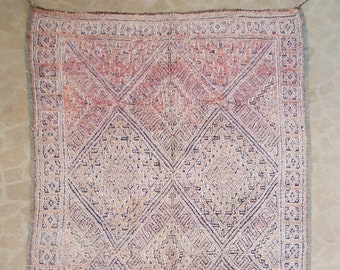
Large Vintage Berber Wool Rug: Colorful Moroccan Boho Decor (6'6'' X 11'3'')
Sale Price $674.49
Original Price $843.12
-
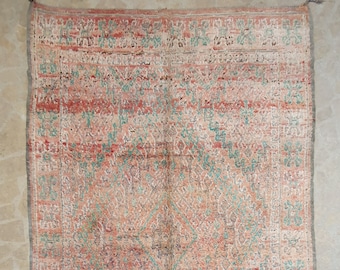
Large Vintage Beni Mguild Rug: 6'7'' X 10'7'' Moroccan Wool Berber Rug
Sale Price $690.80
Original Price $863.50
-
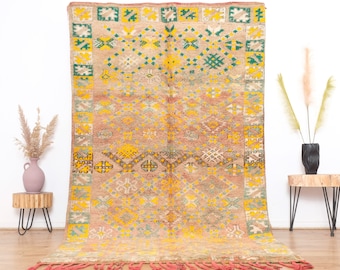
Vintage boujaad rug, Authentic Moroccan Rug 5x9 ft
Sale Price $1,001.55
Original Price $2,225.66
-
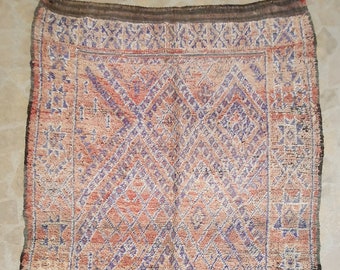
Large Berber Wool Rug: Vintage Moroccan Boho Decor (6'3'' X 9'5'')
Sale Price $539.60
Original Price $674.49
-
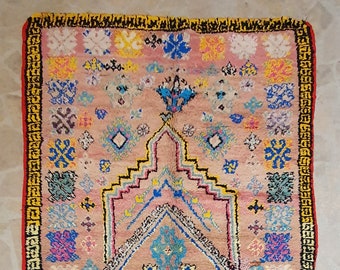
Vintage Berber Wool Rug: 6'0'' X 9'7'' Moroccan Boho Rug
Sale Price $674.49
Original Price $1,037.68
-
Digital download
1920s Art Deco | Seamless Square Pattern Design | Digital Download
$2.07
-
Digital download
Art Deco Fan Pattern Pack: Gold & Sapphire Glam (PNG Digital Papers)
$5.53
-
Digital download
Art Deco Seamless Digital Paper, Blue and Gold Art Deco Patterns, Geometric Patterns, 12"x12", 20 Designs, Retro Patterns, Seamless Designs
Sale Price $1.71
Original Price $4.28
-
Digital download
1920s Art Deco Pattern Pack: Gold & Black PNG Designs (Digital Download)
$5.53
-
Digital download
8 Art Deco Gold Seamless Patterns: 12x12 PNG (Digital Download)
$0.73
-
Digital download
Art Deco Textures, Retro Overlays, Digital Download, Aqua Gold Papers, Invitation Graphics, Vintage Style Backgrounds, Elegant Illustrations
Sale Price $2.87
Original Price $4.78


Looking for more? Find it on Etsy