Boot Jack

1,000+ items
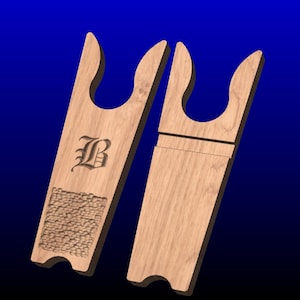
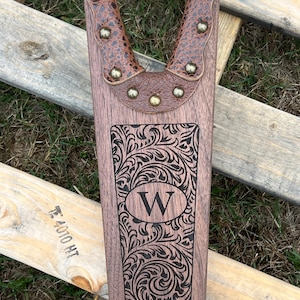
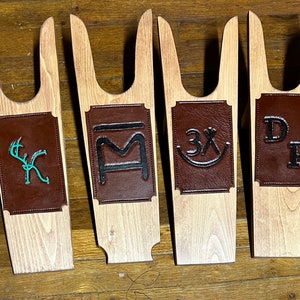
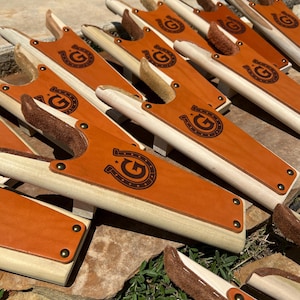
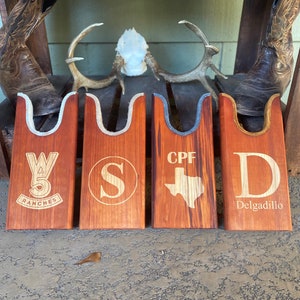
Discover unique boot jacks, perfect for collectors and equestrian enthusiasts. Explore vintage, handmade, and personalized options.
Summarized based on similar shopper trends using AI

Common Questions

Answers based on page-topic info using AI

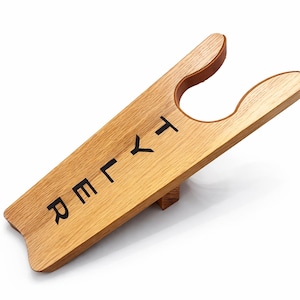
No, most boot jack designs are universal, not left-foot or right-foot specific. Many boot jacks use a centered U- or V-shaped opening that works with either heel, and you simply place the opposite foot on the base for leverage. A few styles have angled sides or a single cutout, but they typically still work for both feet.
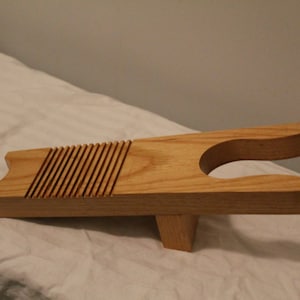
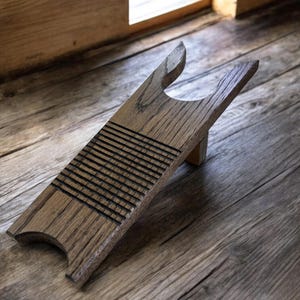
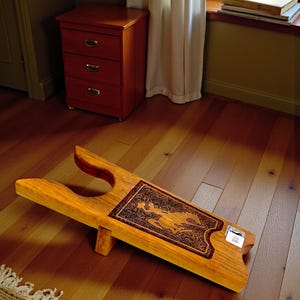
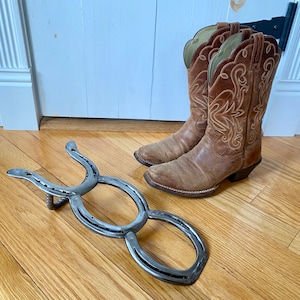
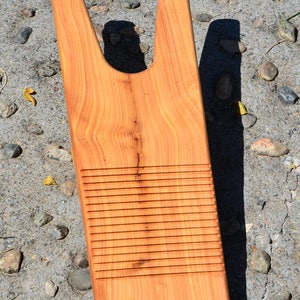
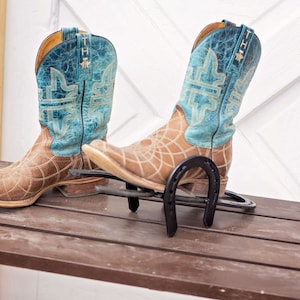
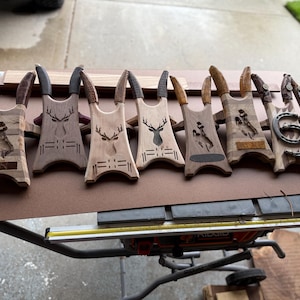
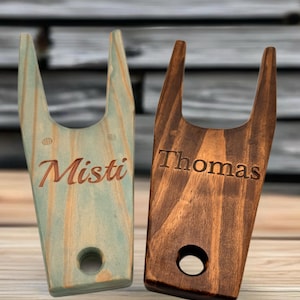
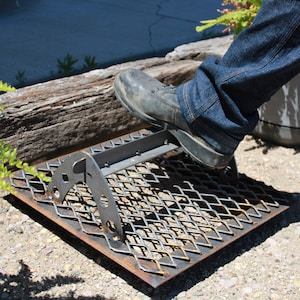
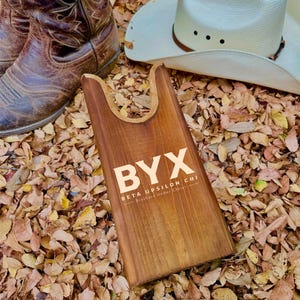
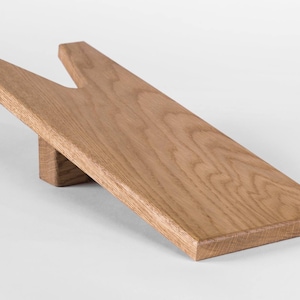
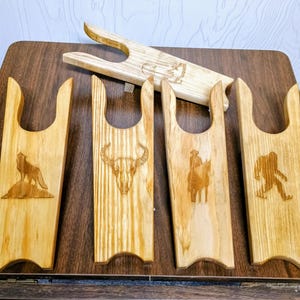
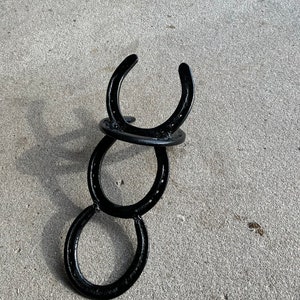
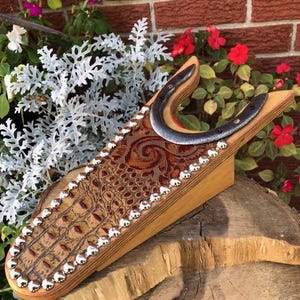
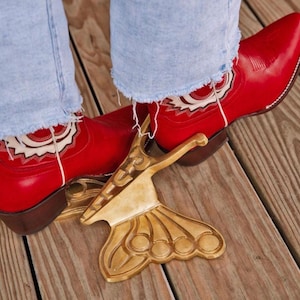
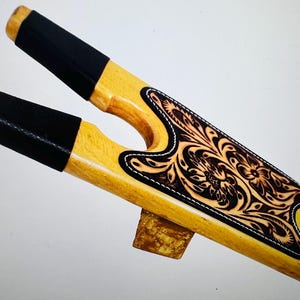
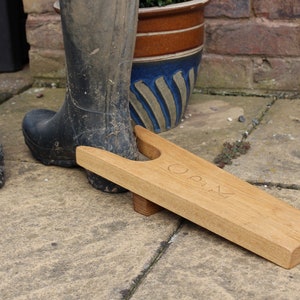
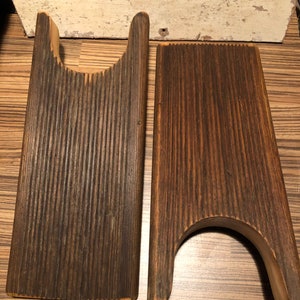
Boot jacks are typically made from wood, metal, or durable molded plastic. You’ll find plenty of hardwood styles with a smooth or sealed finish, sometimes paired with rubber pads or grippy feet for stability. Several metal boot jacks use steel or aluminum with powder-coated finishes, while plastic versions are lightweight and easy to wipe clean.
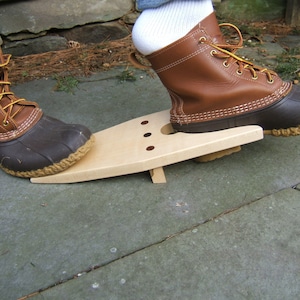
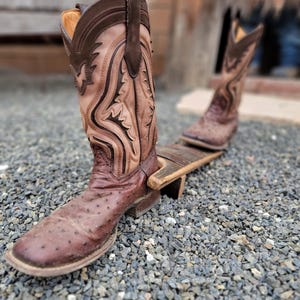
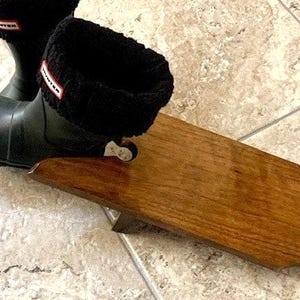
Pull-on boots with a defined heel work best with a boot jack, since the heel can catch securely on the U- or V-shaped notch while you step down. Many boot jacks are ideal for cowboy boots, work boots, muck-style rubber boots, and ankle-to-tall pull-ons. Lace-up boots can work, but you’ll usually need to loosen laces first.
A number of boot jacks are built to handle an adult’s full step-down force, since you typically stand on the base while pulling your boot free. For sturdier use, choose a heavy hardwood or steel boot jack with a thick base, a reinforced notch area, and non-slip feet so it doesn’t flex or shift under you.
Look for a boot jack with a wide, smoothly cut U- or V-notch so it can grab both narrow western heels and chunkier work-boot heels without chewing up leather. A longer base with a grippy bottom tends to feel steadier for tall boots. For rubber boots, many shoppers prefer sealed wood or metal finishes that wipe clean.