Brazil Pottery

482+ items
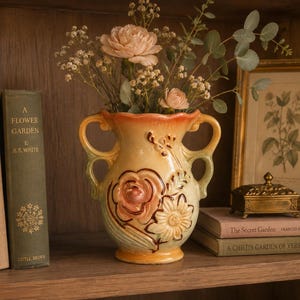
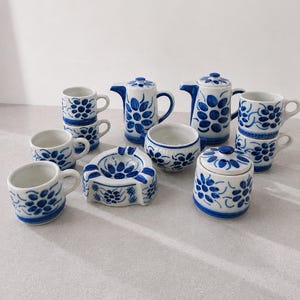
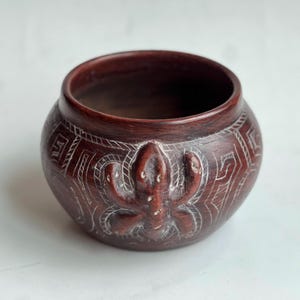
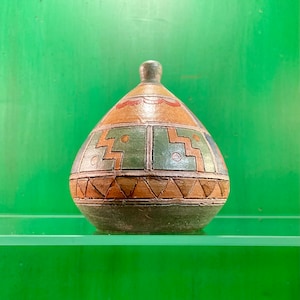
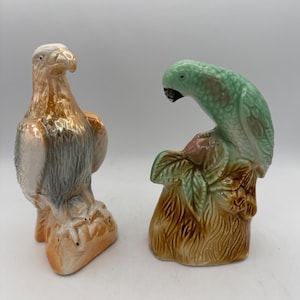
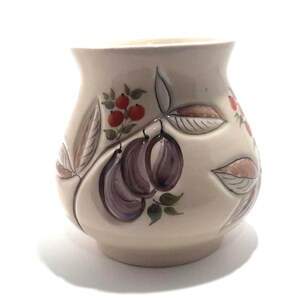
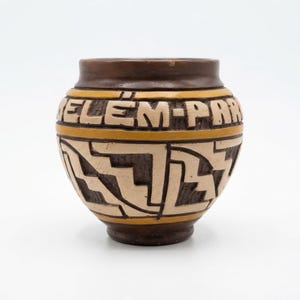
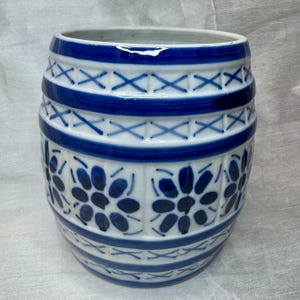
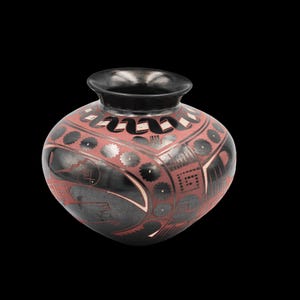
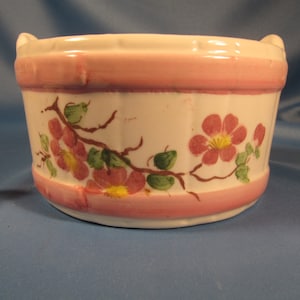
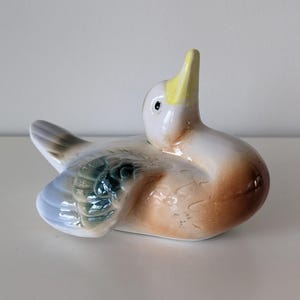
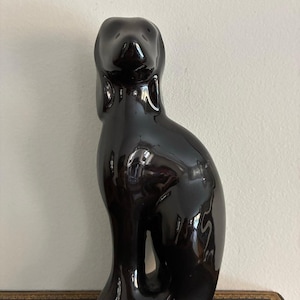
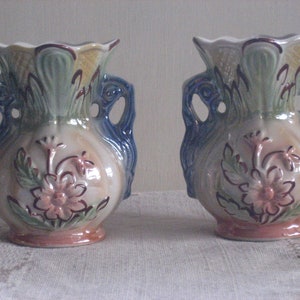
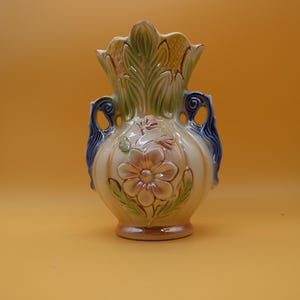
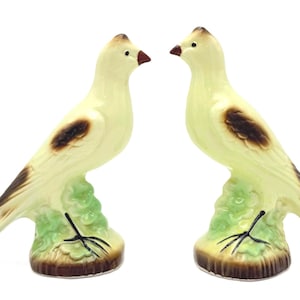
Explore vibrant Brazil pottery, from hand-painted ceramics to unique sculptures. Find decorative pieces, functional bowls, and nature-inspired figures, perfect for collectors and home decor enthusiasts.

Summarized based on similar shopper trends using AI

Related to brazil pottery

Common Questions

Answers based on page-topic info using AI

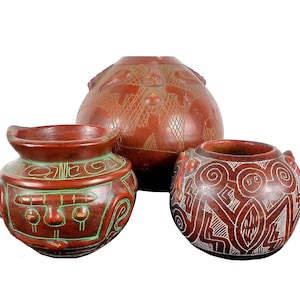
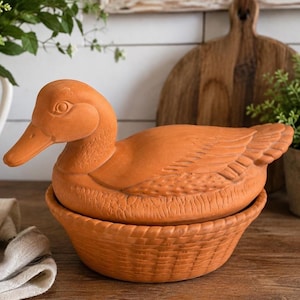
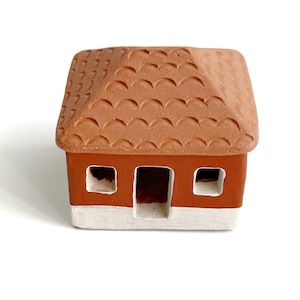
Brazilian pottery items are typically made from earthenware clays (often a terracotta-style red or buff body) and stoneware clays that fire harder and pair well with glossy or reactive glazes. You’ll also see pieces that leave parts of the clay unglazed for a natural, matte look. Material notes usually specify earthenware vs. stoneware.
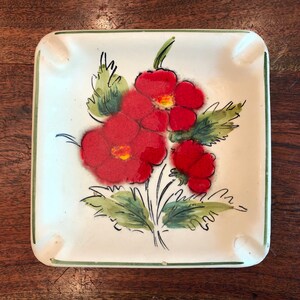
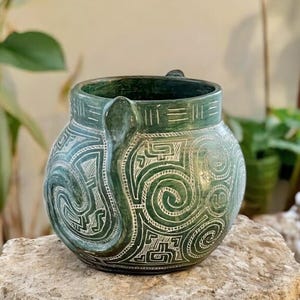
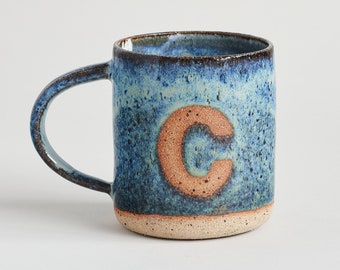
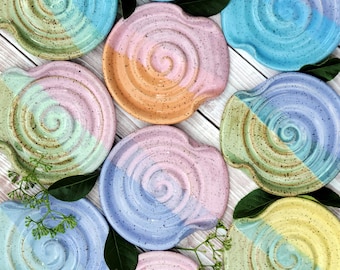
Brazilian pottery often features glossy or satin glazes in solid, punchy colors, plus speckled or reactive-style finishes that create mottling and variation on stoneware. You’ll also see hand-painted brushwork, drip effects, and two-tone dipping that highlights rims and handles. Several pieces mix glazed exteriors with partially unglazed clay for a more rustic look.
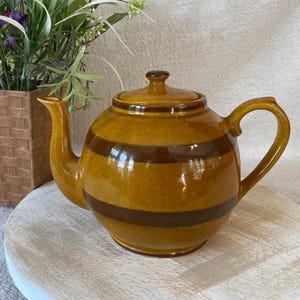
Yes, many Brazilian pottery mugs are glazed with finishes intended for food and drink use, especially glossy or satin clear glazes on stoneware or earthenware. That said, some handmade mugs use decorative lusters, metallic accents, or unglazed clay areas that are more for display. Check the item details for food-use notes and care guidance.
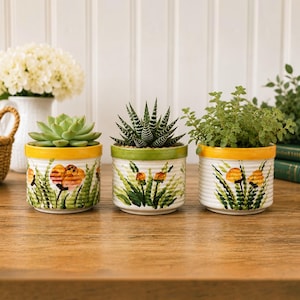
Brazilian pottery planters come in a range of sizes, from small tabletop pots for succulents and herbs to medium planters for houseplants and larger floor planters that make a statement. Many items are sold by diameter or height, and some include matching saucers. Because shapes vary, check measurements to be sure your plant and liner will fit.
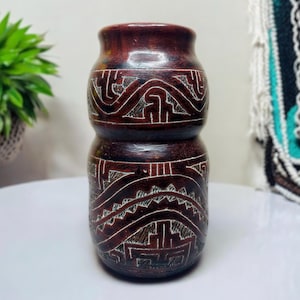
For indoor plants, Brazilian pottery planters with drainage holes and a matching saucer are usually the easiest to live with, especially for tropical houseplants that need consistent watering. You’ll also find cachepots (no hole) that hide a nursery pot for cleaner shelves. Glazed stoneware resists moisture marks, while porous terracotta-style clay can suit plants that prefer drier soil.