Flight Simulator

1,000+ items
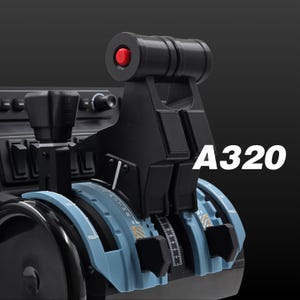
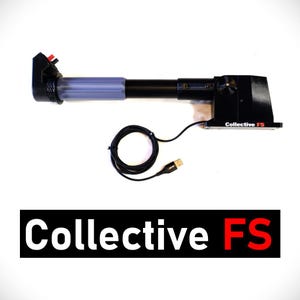
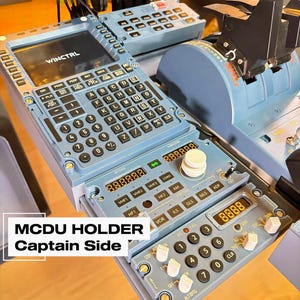
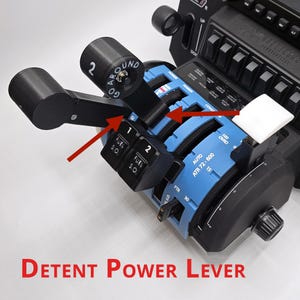
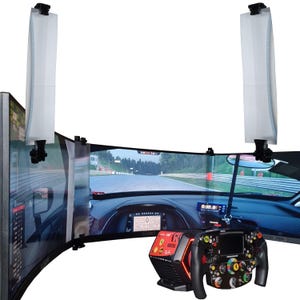
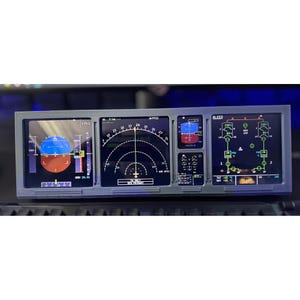
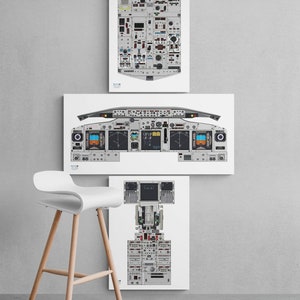
Elevate your flight simulator experience with custom controls and immersive accessories. Explore realistic panels, tactile feedback, and vintage software for pilots and enthusiasts.

Summarized based on similar shopper trends using AI

Review spotlight

Common Questions

Answers based on page-topic info using AI

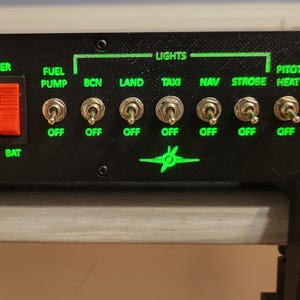
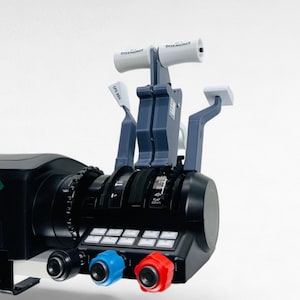
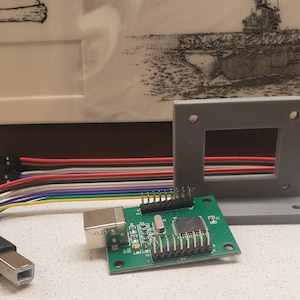
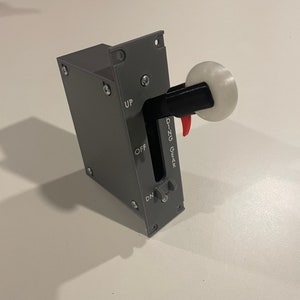
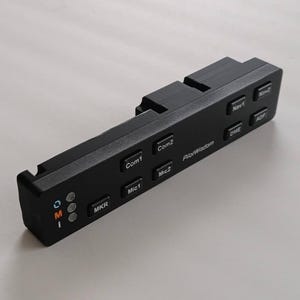
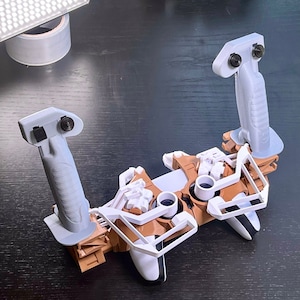
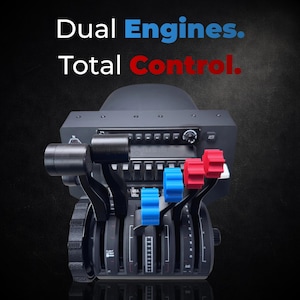
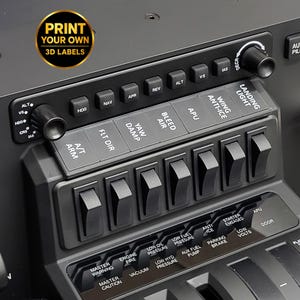
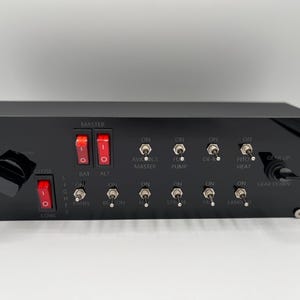
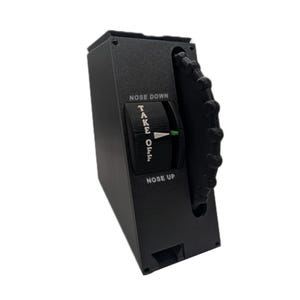
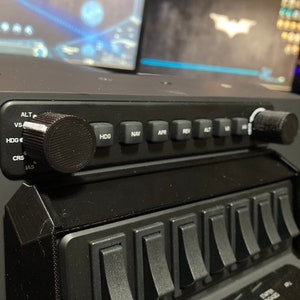
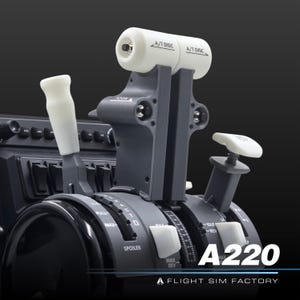
USB-based controls tend to work with many flight simulator setups, especially on PC. You’ll find yokes, joysticks, throttle quadrants, rudder pedals, and trim wheels, plus button boxes and switch panels for cockpit functions. Many items use standard HID recognition, while more specialized avionics-style panels may rely on companion software or custom mapping.
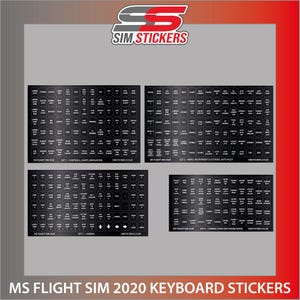
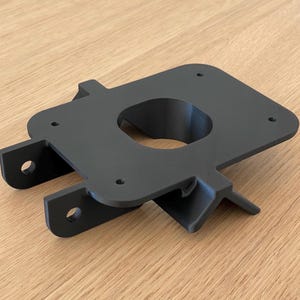
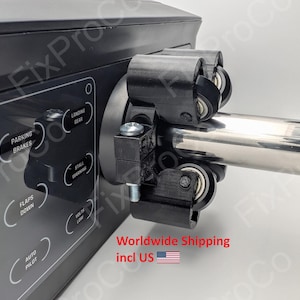
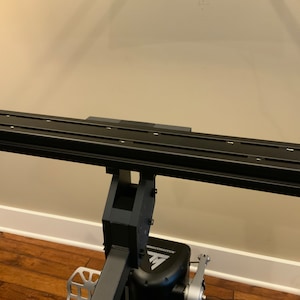
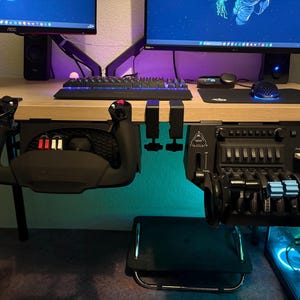
Many flight simulator yokes and throttles mount with built-in desk clamps that tighten by hand for quick setup and removal. Some setups use hard-mount options with pre-drilled bolt patterns for cockpit frames or DIY sim pits. You may also find mounts and plates made from powder-coated steel, aluminum extrusion, or laser-cut acrylic for a more fixed position.
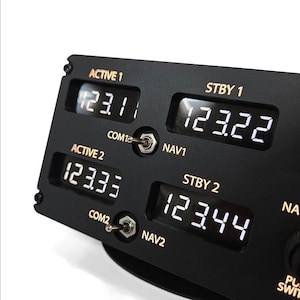
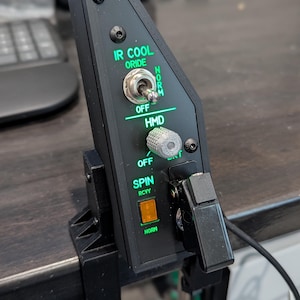
Yes, many flight simulator control panels can be mapped to multiple simulator platforms because they connect by USB and act like standard HID button boxes or joystick inputs. Several panels are built around microcontroller boards and rely on in-sim keybindings. Some avionics-style panels need companion software, so compatibility can vary by simulator and operating system.
You’ll see many flight simulator PC control items designed for Windows, since USB yokes, pedals, throttle quadrants, and button boxes typically use standard HID drivers and popular sim mapping tools. Some items are compatible with macOS or Linux, especially simpler HID devices, but support can vary. Console compatibility is less widely available, so check the item details carefully.
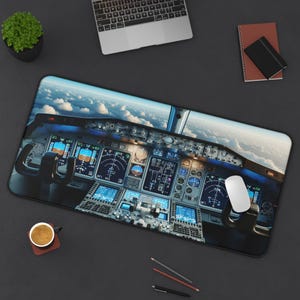

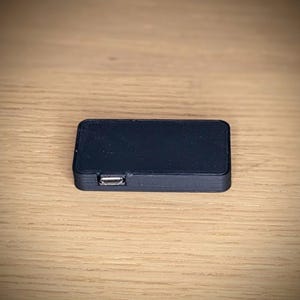
You’ll find USB is the standard connection for many flight simulator hardware items, especially yokes, joysticks, throttle quadrants, rudder pedals, trim wheels, and switch panels. A number of makers use USB-A or USB-C cables, sometimes with a detachable lead. Bluetooth shows up on some smaller button boxes or auxiliary controls, but it’s less widely available than wired USB.