Japan Shop

5,000+ items
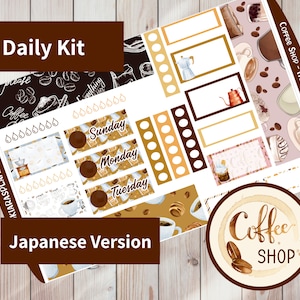
Explore unique Japanese finds, from vintage-inspired journals and travel souvenirs to retro streetwear and collectible stickers.

Summarized based on similar shopper trends using AI

Browse finds from United States

  • Loading...

  • Loading...

  • Loading...

  • Loading...

  • Loading...

  • Loading...

Review spotlight

Common Questions

Answers based on page-topic info using AI

A number of Japan shop items use materials that suit both traditional and modern styles. You’ll find washi paper and rice-paper blends in stationery, cotton and linen in noragi-style jackets, aprons, and furoshiki wraps, and ceramics like stoneware or porcelain for cups and bowls. Many accessories use resin, acrylic, enamel, wood, or metal hardware.
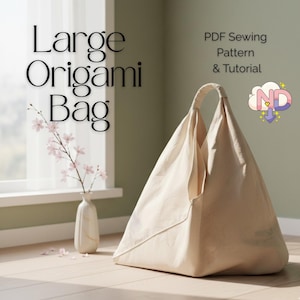
Japanese home goods items are often made from ceramics like porcelain or stoneware for mugs, bowls, and tea sets, with glossy or matte glazes. You’ll also find natural fibers such as cotton and linen in tenugui towels, aprons, and furoshiki wraps. Several décor pieces use bamboo, wood, glass, and simple metal hardware for hooks or trays.
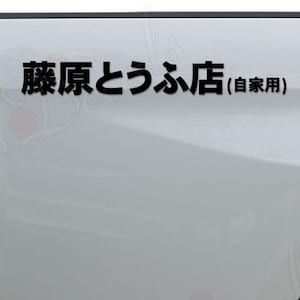
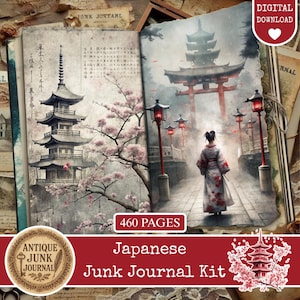
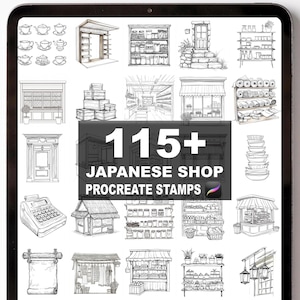
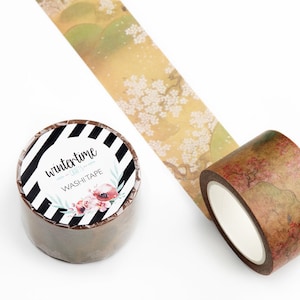
Many stationery and paper goods from a Japan shop lean into cute character art, minimalist neutral palettes, and traditional Japanese motifs like waves, cranes, and cherry blossoms. You’ll often see washi tape, sticker flakes, memo pads, and letter sets in matte finishes, plus journaling-friendly designs like grid or dot inserts, stamps, and decorative seals.
You’ll find plenty of Japanese stationery styles ranging from clean, minimalist planners to playful, kawaii-inspired designs. Several items feature traditional motifs like seigaiha waves, sakura, and lucky charms, while others focus on modern typography. Widely available picks include washi tape rolls, sticker sheets and flakes, memo pads, writing paper sets, stamps, and gel-pen-friendly notebooks.
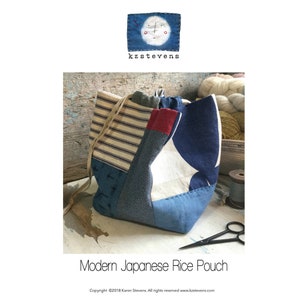
Labels and instructions vary, but many Japan shop items keep original packaging in Japanese, especially stationery, ceramics, and snacks-themed gifts. Some items add simple English (or bilingual) care tags, particularly for clothing, bags, and home textiles. If directions are only in Japanese, pictures and universal care symbols are often included for basic use and washing.