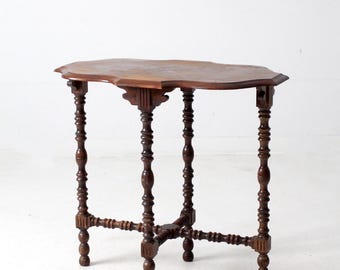
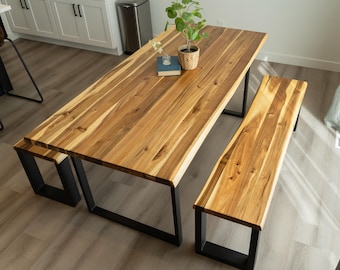
Organic Coffee Table

5,000+ items
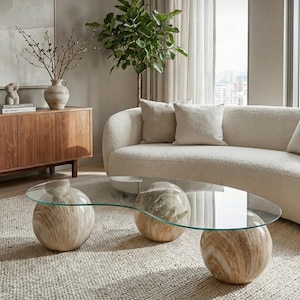
Discover unique organic coffee tables, handcrafted for your stylish living space. Explore rustic, mid-century, and minimalist designs in wood, stone, and reclaimed materials.

Summarized based on similar shopper trends using AI

Review spotlight

Common Questions

Answers based on page-topic info using AI

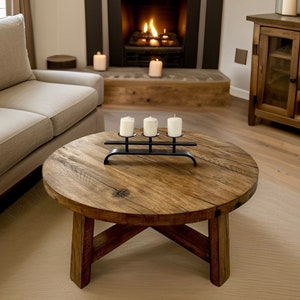
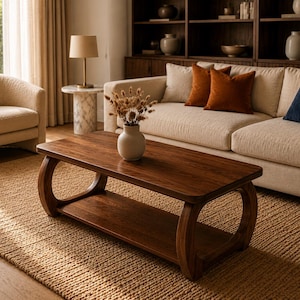
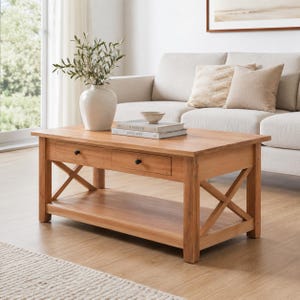
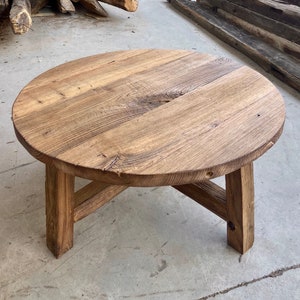
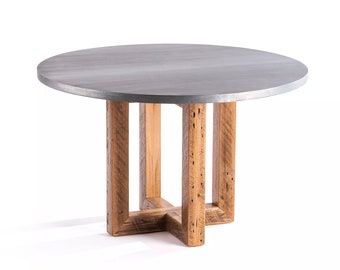
Organic coffee tables are typically crafted from solid wood chosen for visible grain, like oak, walnut, acacia, mango wood, or teak. You’ll also find reclaimed wood tops, bamboo, and rubberwood in lighter designs. A number of styles mix wood with woven rattan or cane, and some pair wood bases with stone or concrete-look surfaces.
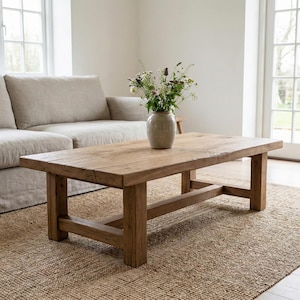
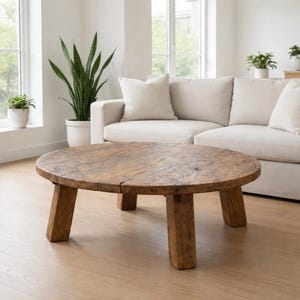
You’ll see a range of natural-looking woods used for organic coffee tables, often chosen for visible grain and warm color. Many items are made from oak, walnut, acacia, mango wood, or teak, while some use reclaimed wood planks for a more rustic look. Bamboo and rubberwood also show up, especially in lighter, minimalist styles.
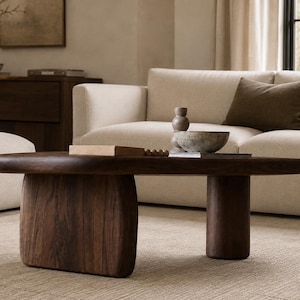
Organic coffee tables are typically available in low, sofa-level heights meant to sit close to your seating. Many items fall around the mid-teens to low-20s in height, while some lean extra-low for a loungey, floor-hugging look. You’ll also find occasional taller “coffee-to-console” styles with thicker slab tops or pedestal bases.
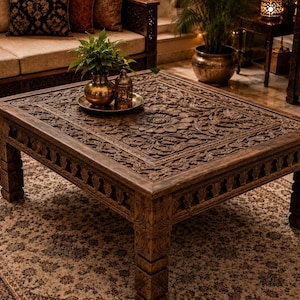
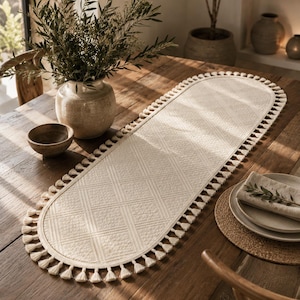
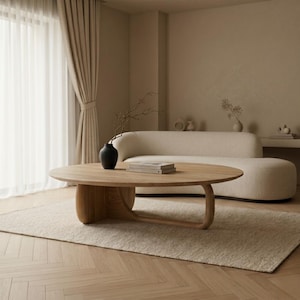
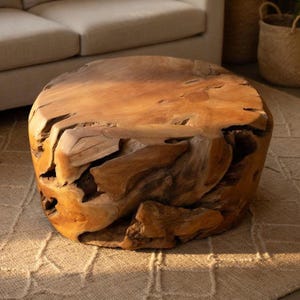
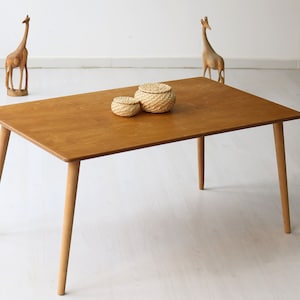
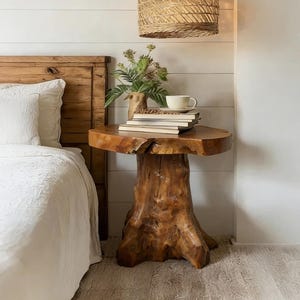
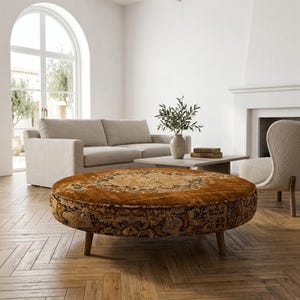
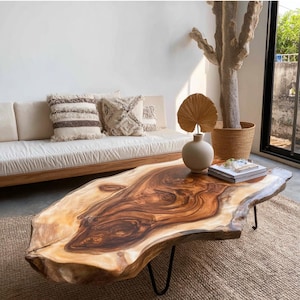
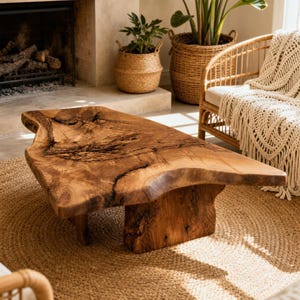
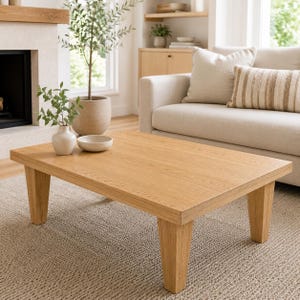
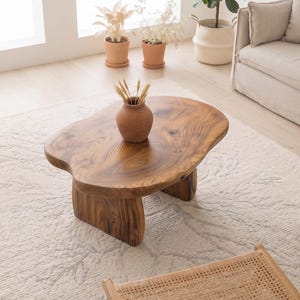
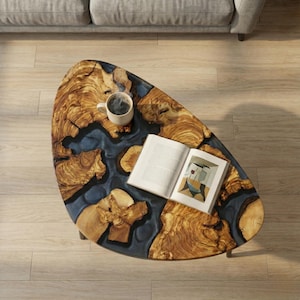
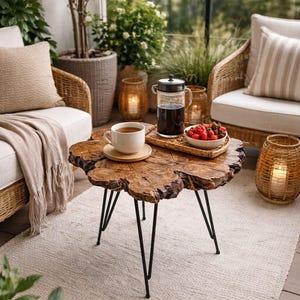
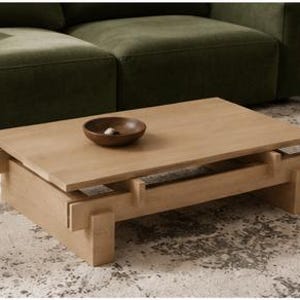
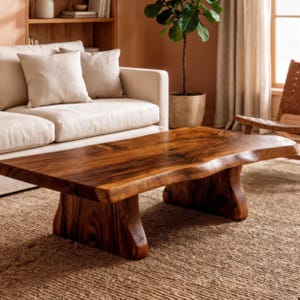
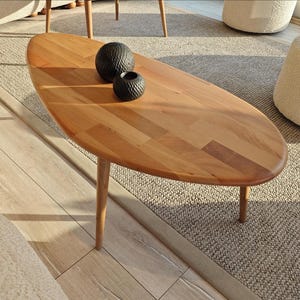
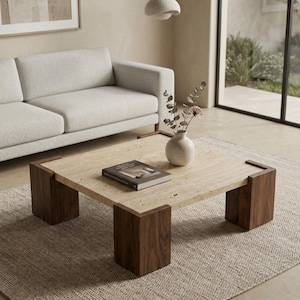
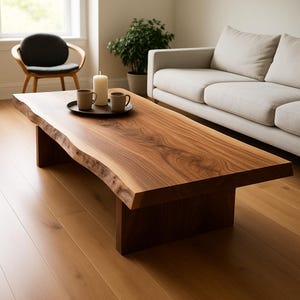
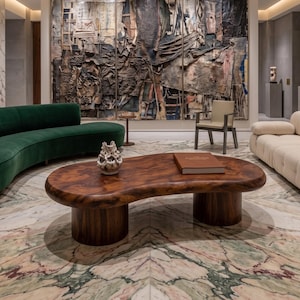
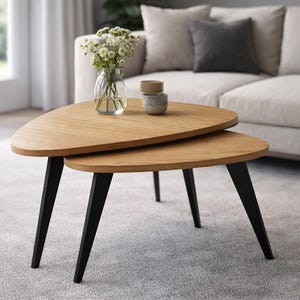
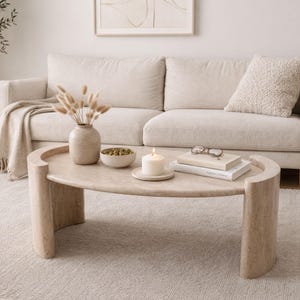
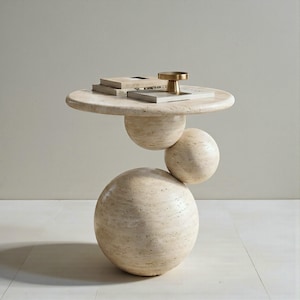
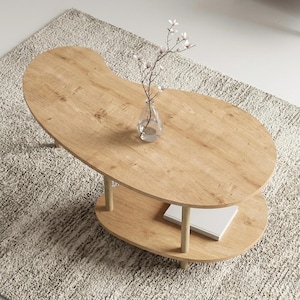
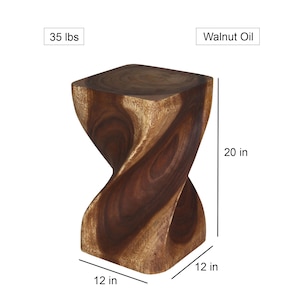
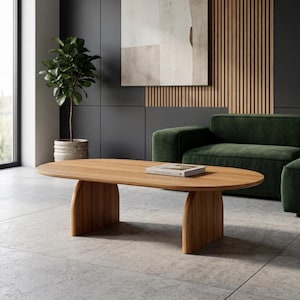
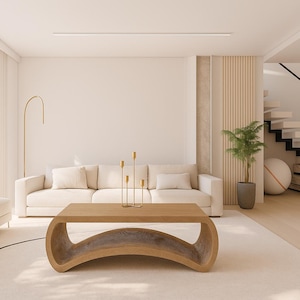
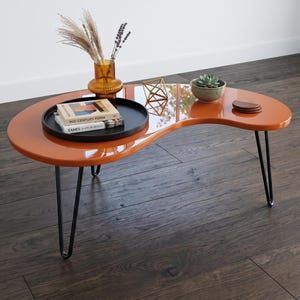
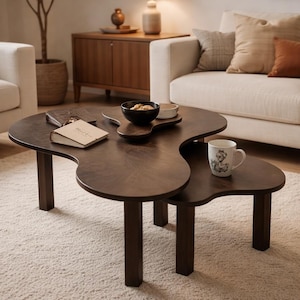
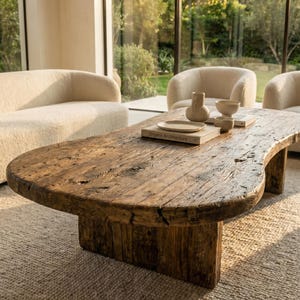
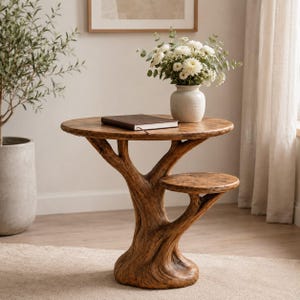
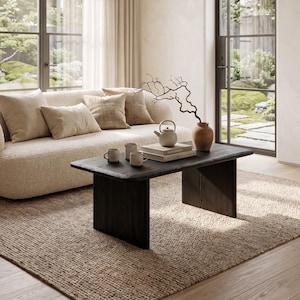
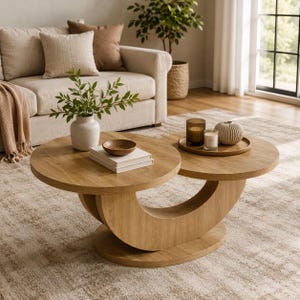
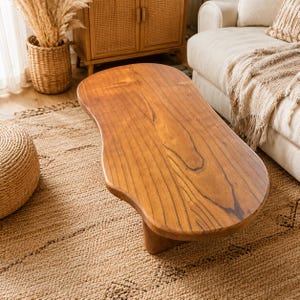
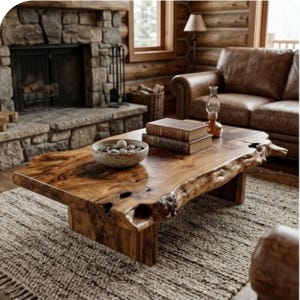
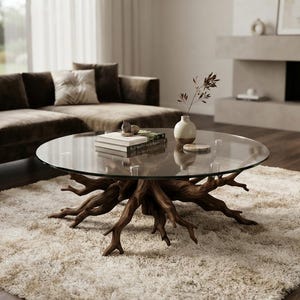
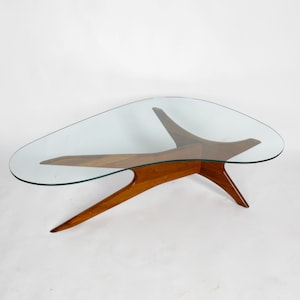
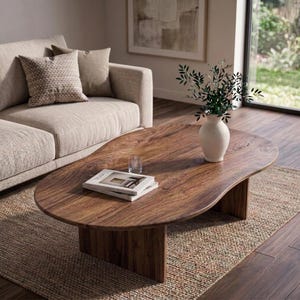
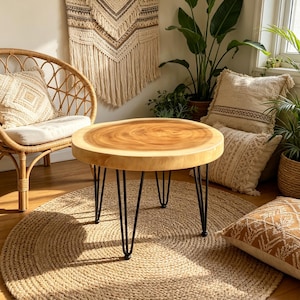
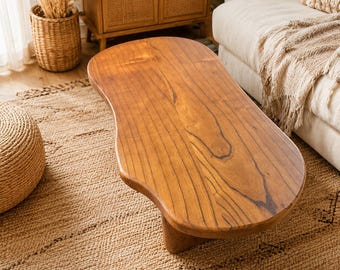
Plenty of organic coffee tables lean into nature-inspired shapes and textures. You’ll find live-edge slab tops, round or oval waterfall silhouettes, and chunky block or pedestal bases for a sculptural look. Several styles mix wood with rattan cane, woven seagrass, or stone-like tops. Minimal options with tapered legs and mid-century vibes are also widely available.
Many organic coffee tables are built to handle everyday use like books, trays, and décor, but weight capacity varies by build. Solid wood tops with sturdy joinery and thicker legs typically support more than lightweight bamboo, rattan, or hairpin-leg styles. If you plan to use it as extra seating or for heavy items, check the item details.