Pinguicula Pot

439+ items
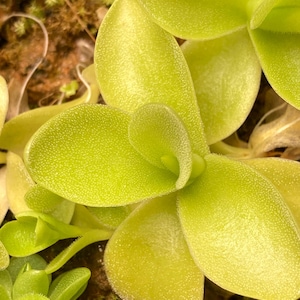
Discover unique Pinguicula pots, perfect for carnivorous plant enthusiasts and collectors. Explore a variety of live plants, from rare hybrids to fungus gnat catchers, offering easy care and captivating beauty.

Summarized based on similar shopper trends using AI

Browse finds from United States

  • Loading...

  • Loading...

  • Loading...

  • Loading...

  • Loading...

  • Loading...

Review spotlight

Common Questions

Answers based on page-topic info using AI

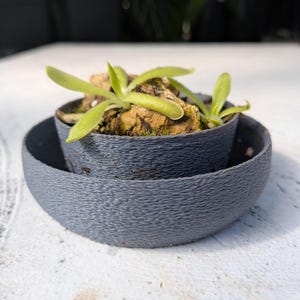
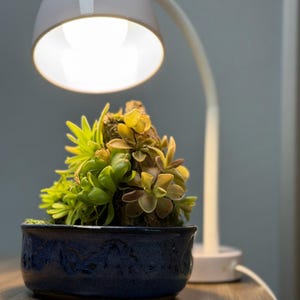
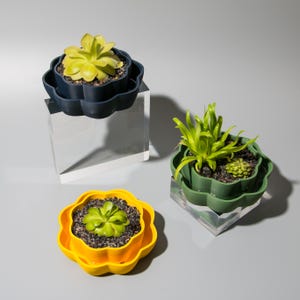
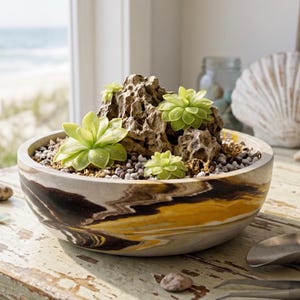
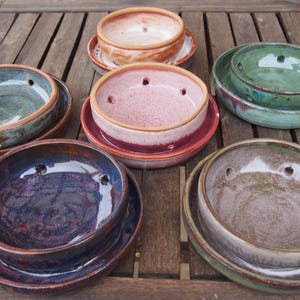
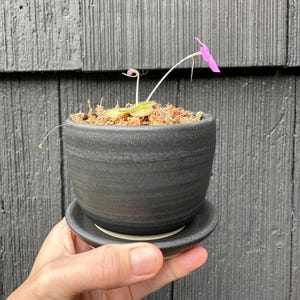
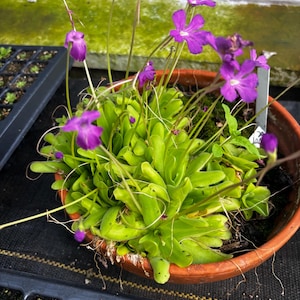
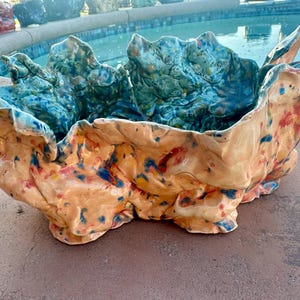
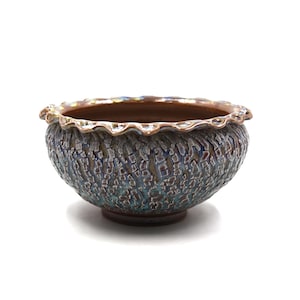
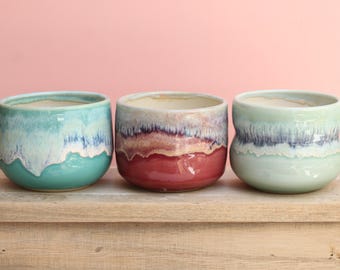
Shallow, wide pots tend to display Pinguicula rosettes best, because the leaves can spread without rubbing against tall sides. Many shoppers choose low bowls, round bonsai-style planters, and dish-like pots with gentle curves. You’ll also find square or oval trays that leave room for multiple rosettes, plus pedestal or footed styles for extra height on a shelf.
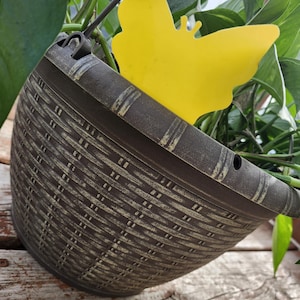
Yes, several Pinguicula pots are made with mounted displays in mind. You’ll find wall-hanging planters, magnetic or suction-cup mini holders, and small ceramic plaques or ledge-style pots that keep the plant upright while staying shallow. A number of designs include a textured back or pockets that help sphagnum or media stay put with frequent misting.
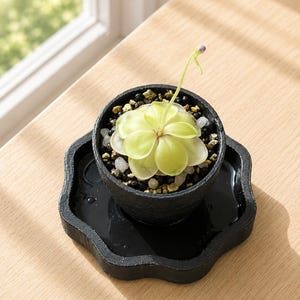
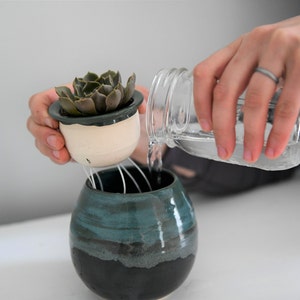
Yes, self-watering Pinguicula pots come in a range of styles. You’ll find simple plastic reservoir pots with a wicking insert, decorative ceramic cachepots paired with an inner self-watering liner, and low bowl planters designed to keep the crown above standing water. Several styles also include visible water-level windows or removable inserts for easier cleaning.
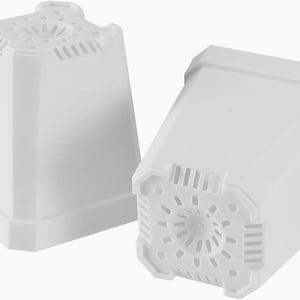
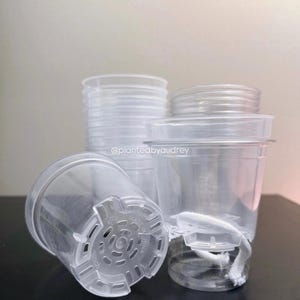
Pinguicula pots are typically made from ceramic or terracotta, with many items offered in glazed finishes or simple, breathable clay. You’ll also find plastic nursery pots, resin planters, and glass options for bog-style setups. Some Pinguicula pots include wicking reservoirs or self-watering designs, often using plastic inserts paired with decorative outer pots.
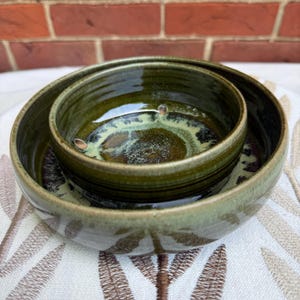
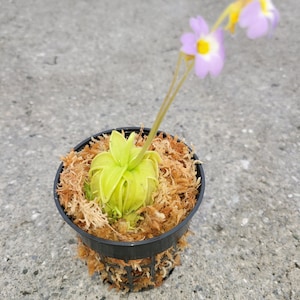
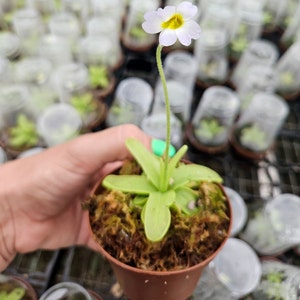
Pinguicula plants typically do well in smaller pots, since their roots stay fairly compact. Many pinguicula pots are in the 2–4 inch range for single rosettes, while larger clumps or companion plantings often use 4–6 inch bowls or low planters. Shallow, wide shapes are popular to keep leaves from pressing against tall sides.