Romper Pattern

5,000+ items
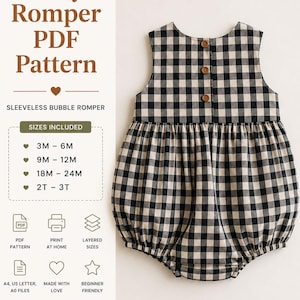
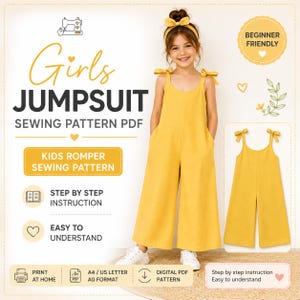
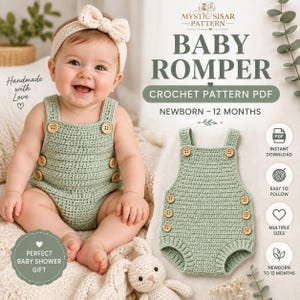
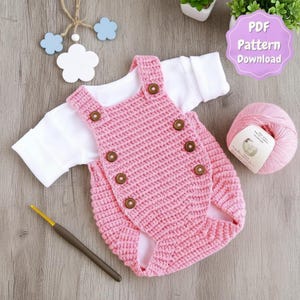
Discover unique romper patterns for every style, from baby's first outfit to vintage-inspired jumpsuits.
Summarized based on similar shopper trends using AI
Browse finds from United States

  • Loading...

  • Loading...

  • Loading...

  • Loading...

  • Loading...

  • Loading...

Common Questions

Answers based on page-topic info using AI

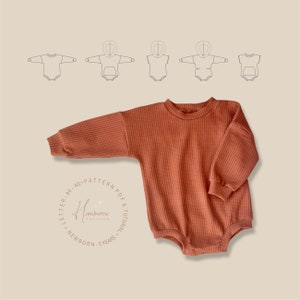
Many romper patterns come in baby, kids, and adult sizes, with options like short or long sleeves, shorts or pants length, and fitted or relaxed silhouettes. You’ll often see envelope or button plackets, snaps at the crotch for easy changes, and elastic or drawstring waists. Some romper patterns also include ruffles, pockets, hoods, or adjustable straps.
Fabric suggestions usually depend on whether your romper pattern is woven, knit, or designed for both. Many romper patterns recommend lightweight woven cottons like poplin, chambray, or double gauze for a crisp, breathable shape. Several knit-based romper patterns call for jersey or French terry with a bit of stretch, especially for pull-on styles. Some also work well in linen blends or rayon challis for extra drape.
Plenty of romper sewing patterns are written for confident beginners, especially pull-on styles with elastic waists, simple straps, and minimal shaping. Several assume intermediate skills when they include button plackets, zippers, lined bodices, set-in sleeves, or welt and patch pockets. Check whether the item calls for gathering, bias binding, or snap installation, since those steps raise difficulty.
Romper patterns typically use snaps, buttons, or zippers, depending on the style and fabric. You’ll find crotch snaps and plackets on many baby and kids’ romper patterns, while adult designs often use an invisible side zipper, a back zipper, or a button-front. Pull-on romper patterns may skip hardware and rely on elastic casings, ties, or wrap closures.
You’ll typically get a body measurement chart plus a finished garment chart with many romper patterns. The body chart often lists height, chest/bust, waist, and hip, and kids’ patterns may add weight or torso length. Finished measurements usually include garment length, inseam or shorts length, and ease at the chest and hips.