Self Watering Pots

2,000+ items
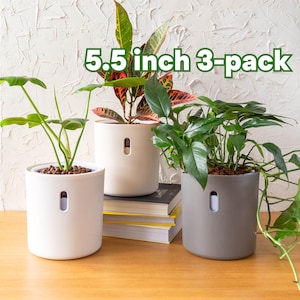
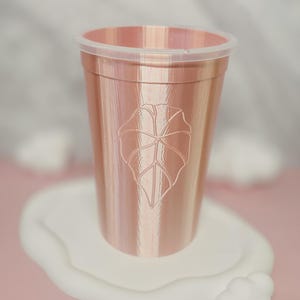
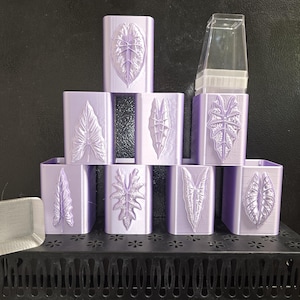
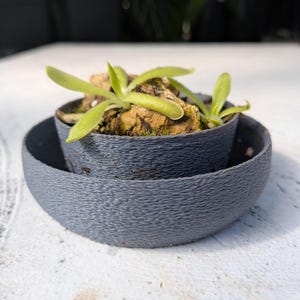
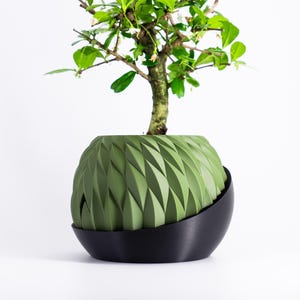
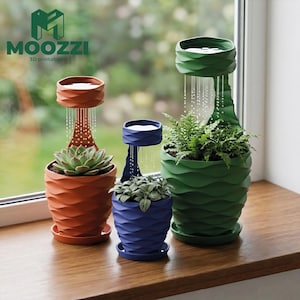
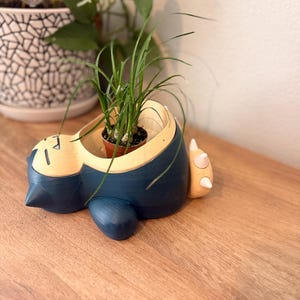
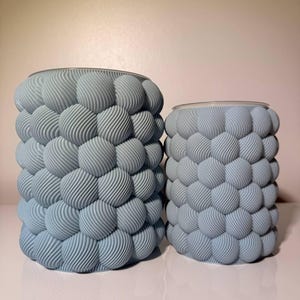
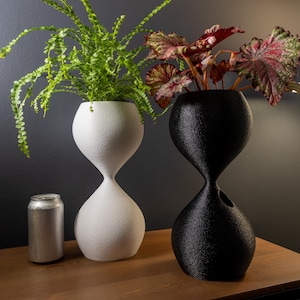
Discover self-watering pots, perfect for plant lovers and busy gardeners. Explore stylish, 3D-printed planters, minimalist hydroponic kits, and traditional clay ollas for effortless plant care.

Summarized based on similar shopper trends using AI

Review spotlight

Common Questions

Answers based on page-topic info using AI

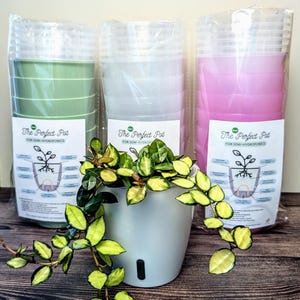
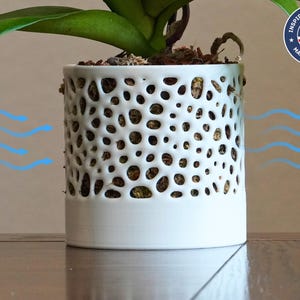
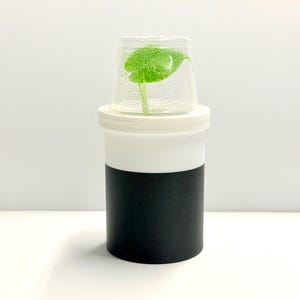
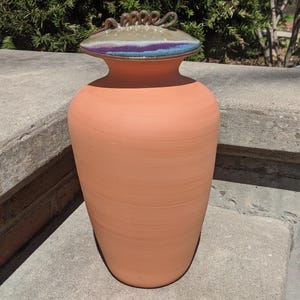
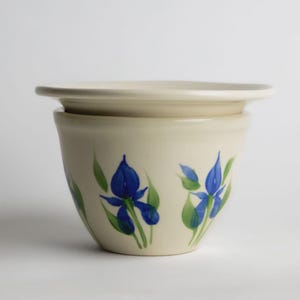
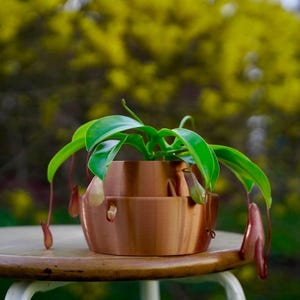
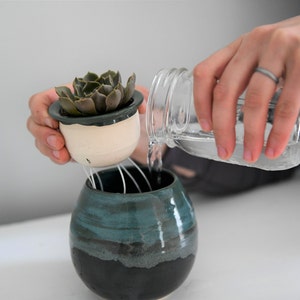
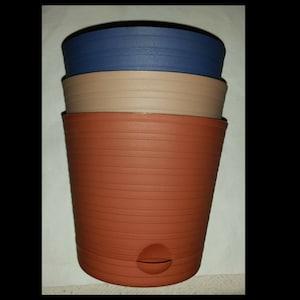
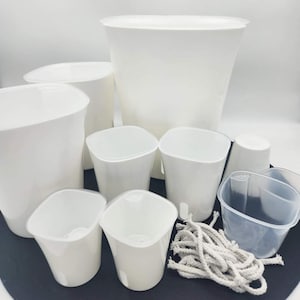
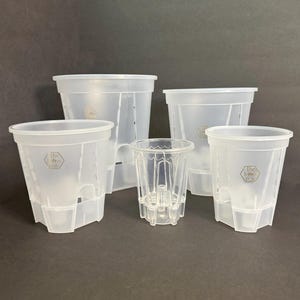
You’ll see self watering pots made from a range of materials, with plastic and resin being widely available because they’re lightweight and easy to clean. Many ceramic and stoneware styles use a glazed outer pot paired with an inner grow pot and reservoir. Several options are terracotta, including wick-based designs, and a number use metal stands with removable plastic inserts.
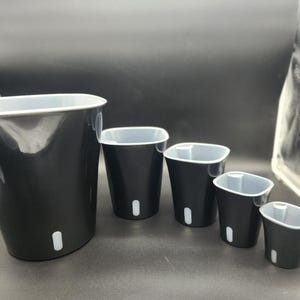
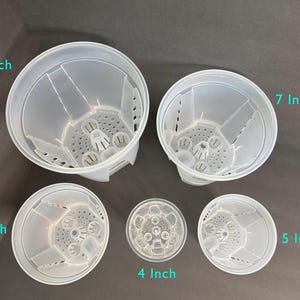
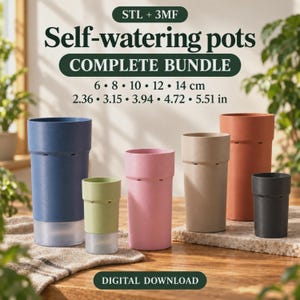
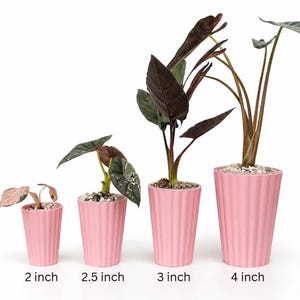
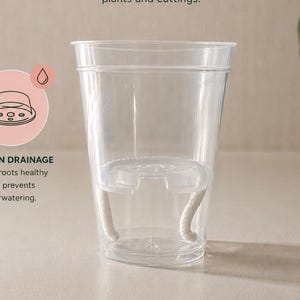
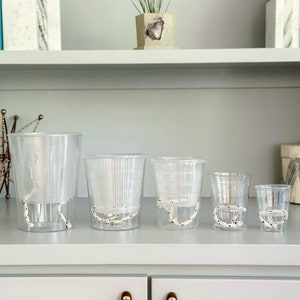
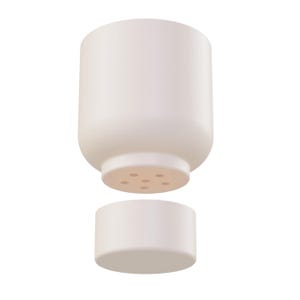
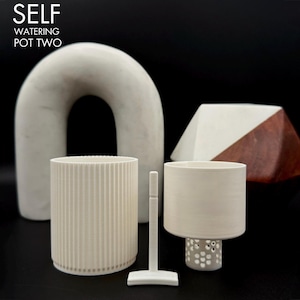
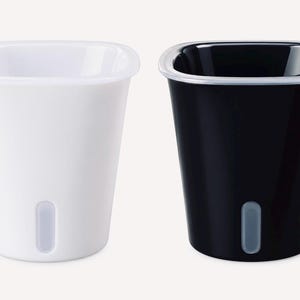
Many self watering pots specify size with the planter’s diameter and height, sometimes also noting the inner grow pot versus the outer cachepot. Reservoir capacity is typically shown in ounces, cups, or liters, and may be described as a hidden water chamber, bottom tray, or wick reservoir. A few items also mention recommended plant size or soil volume.
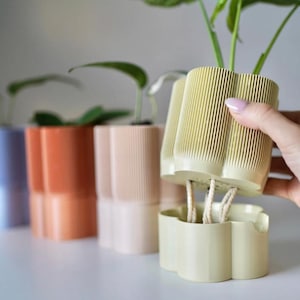
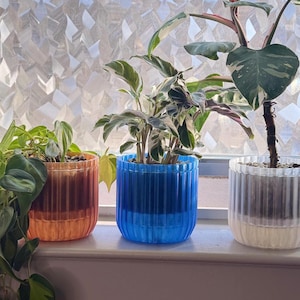
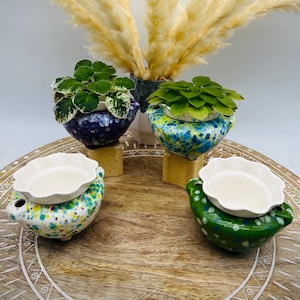
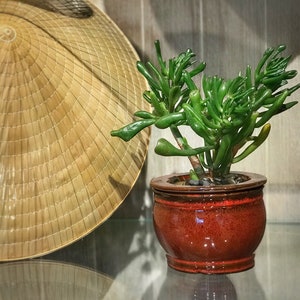
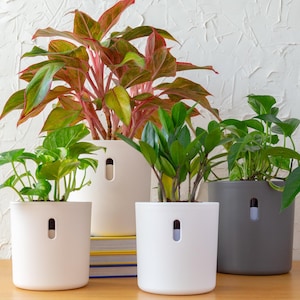
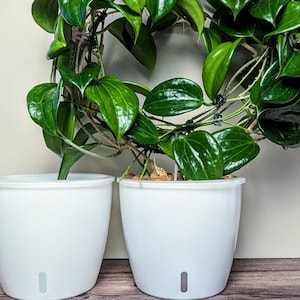
Plants that like evenly moist soil tend to do best in self watering pots, such as pothos, peace lilies, ferns, and many herbs like basil and mint. You’ll also find these planters work well for African violets and some houseplants in lightweight potting mix. Succulents and cacti usually prefer drier cycles, so choose a smaller reservoir or skip self watering.
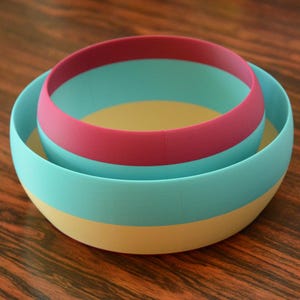
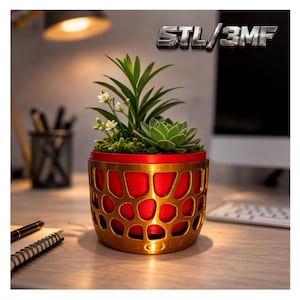
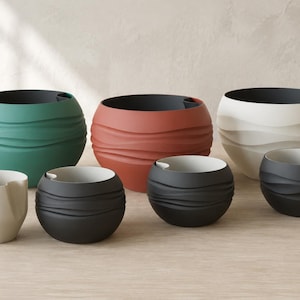
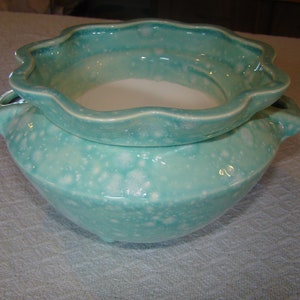
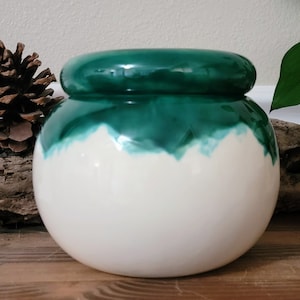
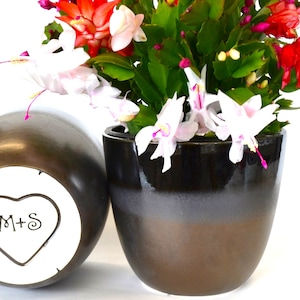
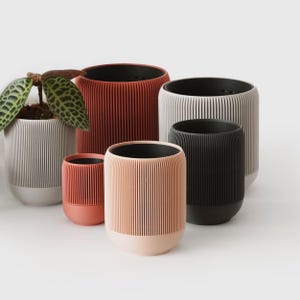
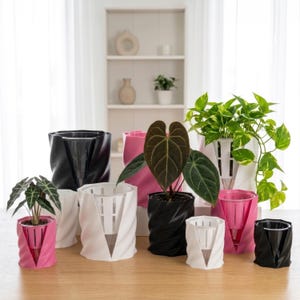
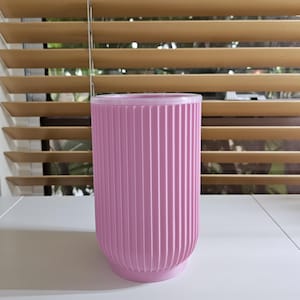
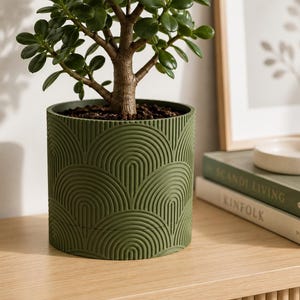
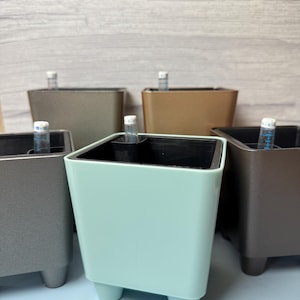
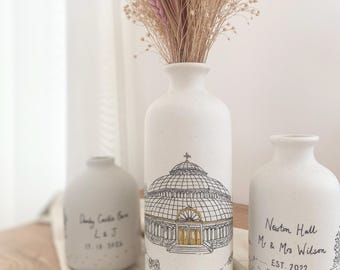
Yes, many self watering pots come in a range of colors and finishes, especially minimalist plastic or resin styles in matte, glossy, or neutral tones. You’ll also find ceramic options with glazed finishes, speckling, or two-tone designs. Custom color matching isn’t always offered, so contact the seller if you want a specific shade or glaze.
Start by matching the inner grow pot to your plant’s current root ball, aiming for about 1–2 inches of extra room around the sides rather than a big jump in size. Many self watering pots list both the inner pot and outer cachepot measurements, so compare those to your nursery pot. A larger reservoir can suit thirsty plants, while smaller chambers help avoid staying too wet.