Vintage Crystal Bowl

5,000+ items
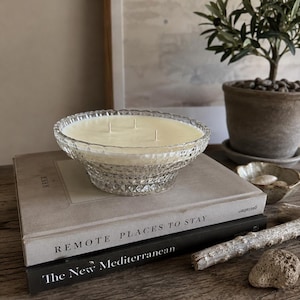
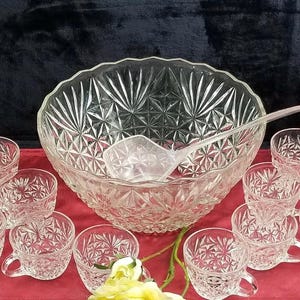
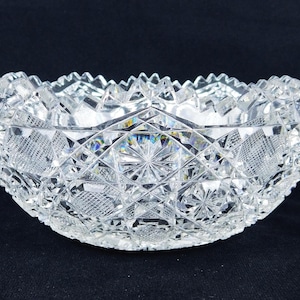
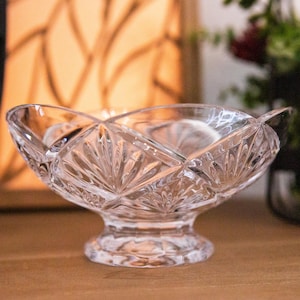
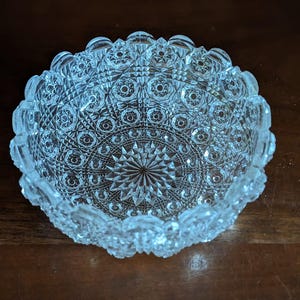
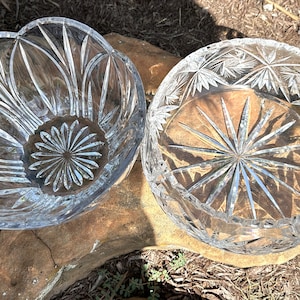
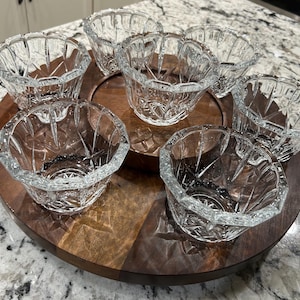
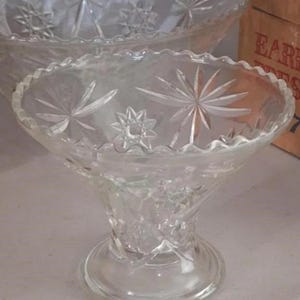
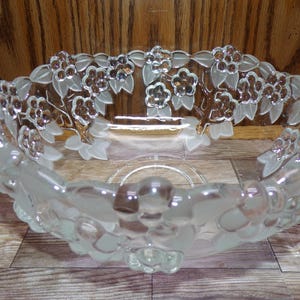
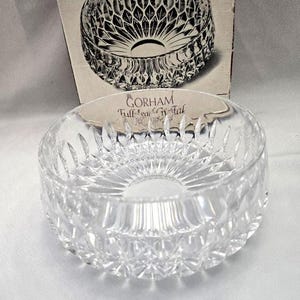
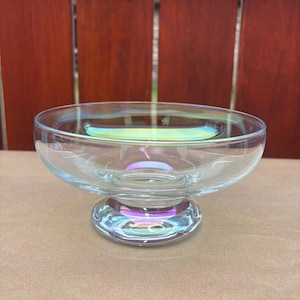
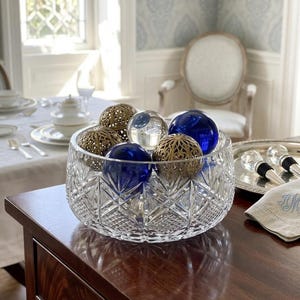
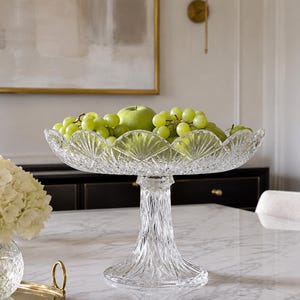
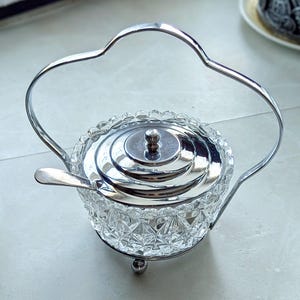
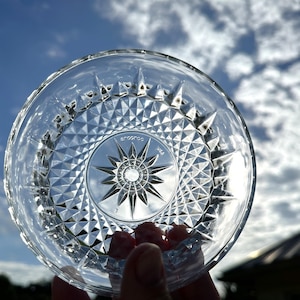
Discover exquisite vintage crystal bowls, perfect for elegant entertaining and timeless decor. Explore a universe of sparkling finds, from brilliant cut designs to shimmering bubble patterns, each piece telling a unique story.

Summarized based on similar shopper trends using AI

Review spotlight

Common Questions

Answers based on page-topic info using AI

Start by checking the base for an etched or stamped maker’s mark, which many vintage crystal bowls have, especially on finer cut styles. If there’s no mark, look at the pattern: sharpness of the cuts, repeated motifs, and the way the rim is finished can be clues. A number of bowls also show mold seams or pontil marks that help narrow the era and maker.
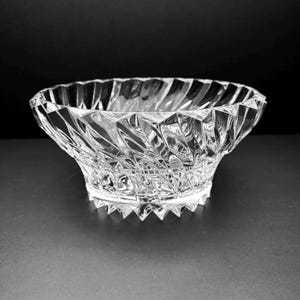
Vintage crystal bowls often date from the early-to-mid 1900s through the late 20th century, with plenty of mid-century pieces. You’ll find Art Deco-inspired geometric cuts from the 1920s–1930s, heavier pressed patterns from the 1940s–1950s, and sleeker, simpler designs from the 1960s–1970s. A number of bowls also come from the 1980s–1990s giftware era.
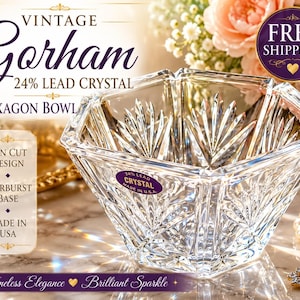
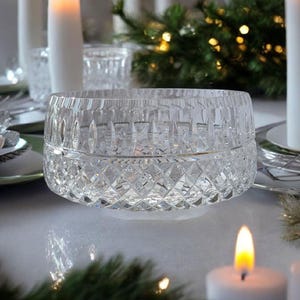
Many vintage crystal bowls are made from lead crystal or lead-free crystal, depending on the era and maker. Lead crystal is known for its heavier feel and strong sparkle, while lead-free crystal is often lighter but can still have crisp clarity. You’ll also see pressed crystal and cut crystal, with sharper, faceted patterns.
You’ll see vintage crystal bowls used for everything from holiday entertaining to everyday display. Many shoppers choose them as centerpiece bowls, candy dishes, nut or snack bowls, and fruit bowls. Some styles work well for serving salads or desserts at dinner parties, while smaller cut-crystal bowls are popular as trinket catchalls on vanities or entry tables.
Look first at the pattern and proportions: compare the cut or pressed motif, the spacing of facets, and whether the design repeats in panels or all-over. Check the rim shape (scalloped, flared, straight), bowl depth, and foot style. Also compare clarity and weight, and look for a maker’s mark or pattern number on the base.