
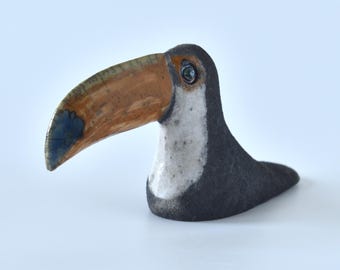
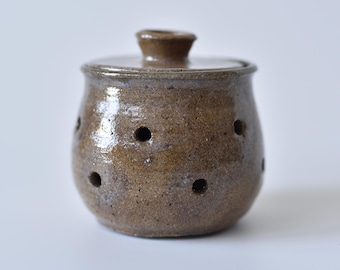
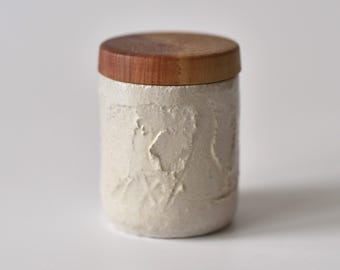






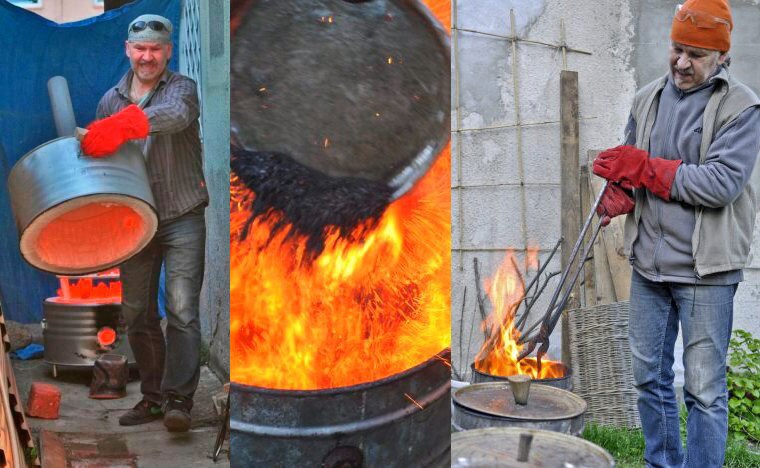
Why? because I like direct contact with the elements
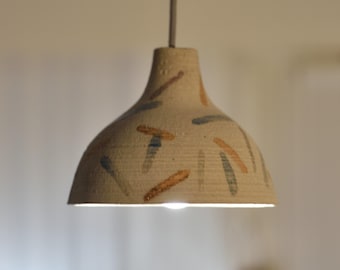
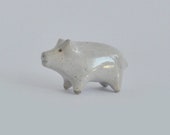
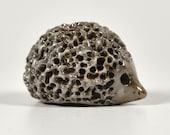
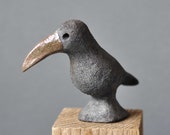
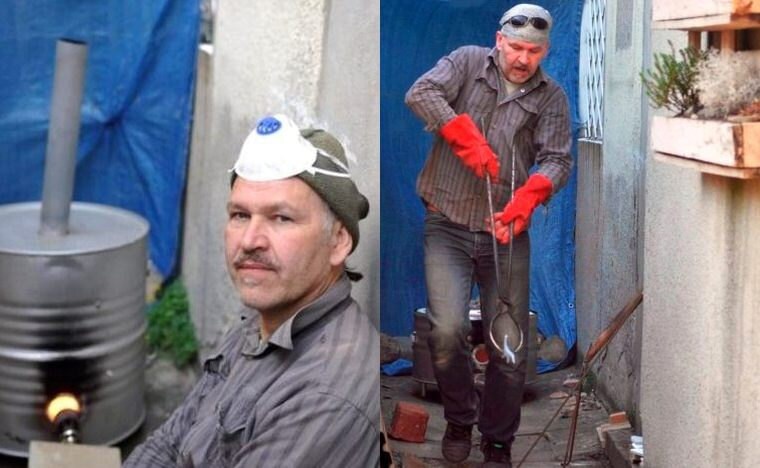
I am an artist, ceramicist and designer. By creating useful and beautiful things, I can, to some extent, make the world a better place. I work with ceramics because I like three-dimensional forms – sculpting has always been easy for me. I like direct contact with the elements. During the firing, the alchemy is tangible and alive. Like a blacksmith, I pull hot objects from the fire with pliers. Ceramics also implies contact with the earth – clay and sand – and water, which makes them plastic. Finding the right proportions between the ingredients, drying and glazing the objects makes for a time-consuming process that teaches patience.
Why ceramics? Potter and diver and astronaut were some of the professions that fascinated me when I was a young boy. I was born 16 years after World War II, and its traces were still clearly visible in the village abandoned by Germans. Ruins, devices and technologies with unknown use – all of it was an impulse for a change for me. The belief that all of it can be made beautiful and, perhaps, talent made me go to an art high school and pursue art studies.
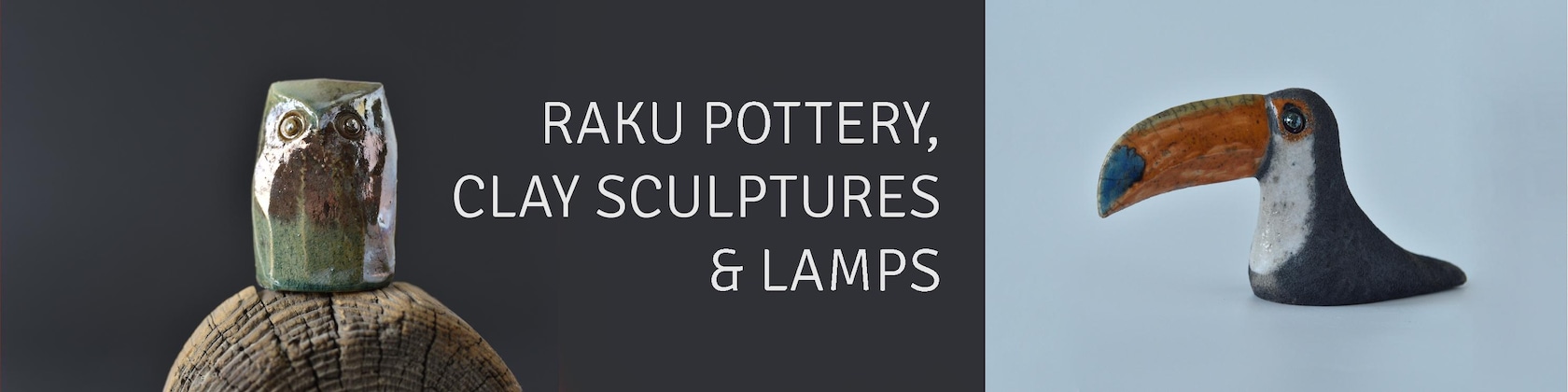
The raku technique, which I use, originates from Japan. The Orient is close to my heart. I have practised Tai Chi and, thanks to a Ministry of Art and Culture’s grant, visited India and Nepal to document Buddhist art. I graduated from art high school and the Academy of Art and Design, specializing in design. I do not copy oriental pieces. Instead, I use my knowledge of design to combine the traditional with modern. I value design to use contemporary materials, cutting-edge technologies or introducing new ways of using objects, yet I choose to employ traditional, old-fashioned, reliable techniques. I want to bring design closer to art.
---
How do I work?
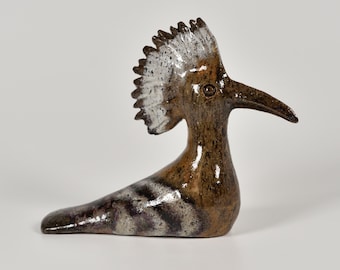
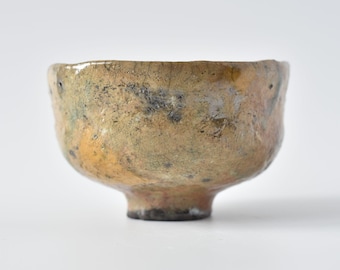
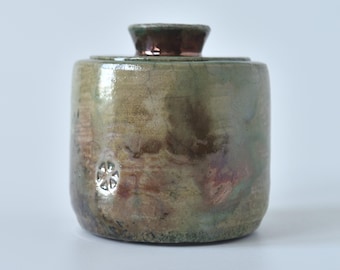
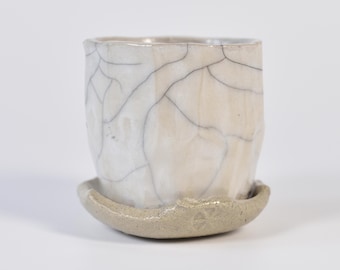
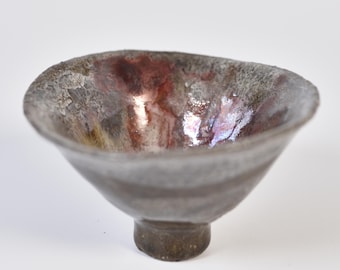
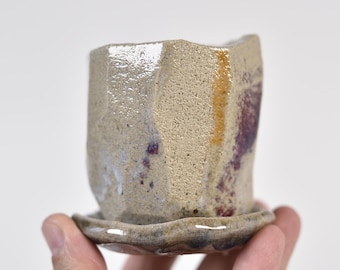
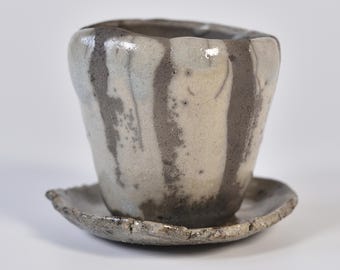
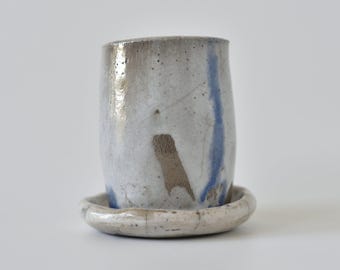
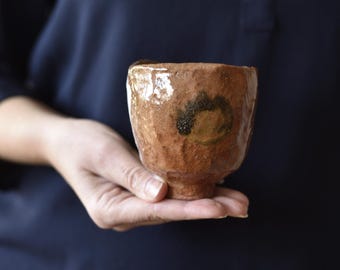
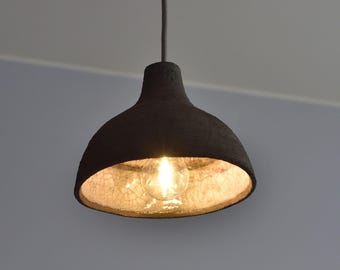
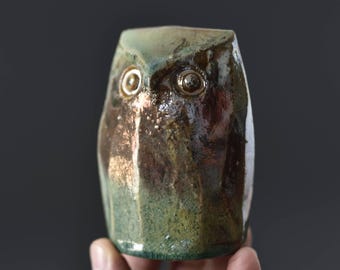
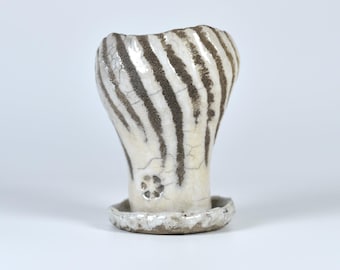
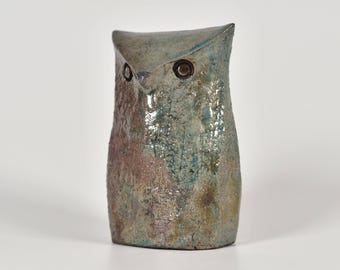
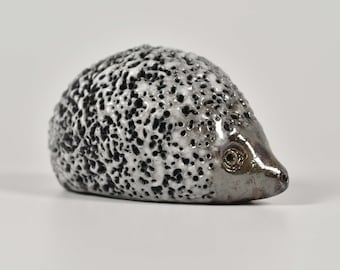
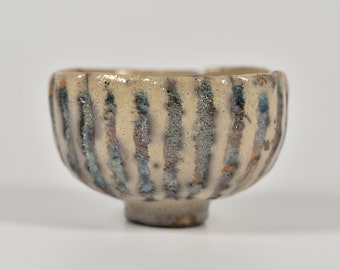
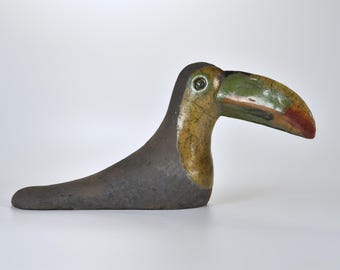
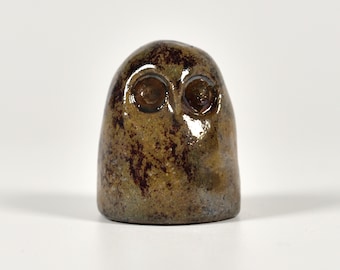
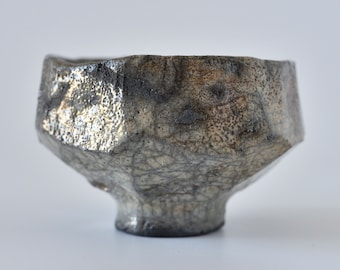
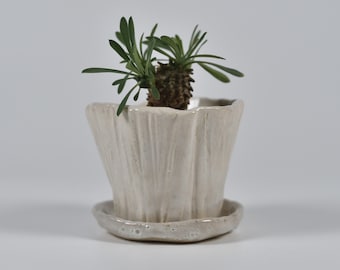
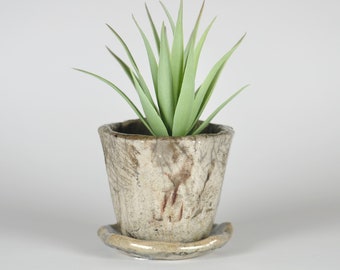
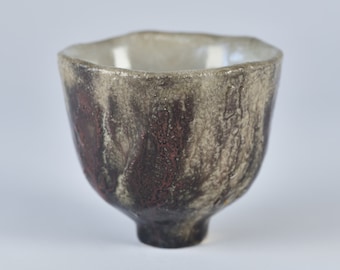
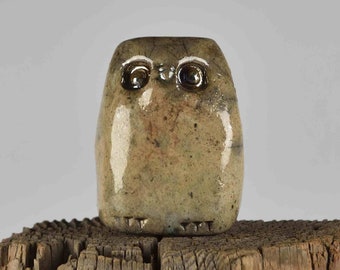
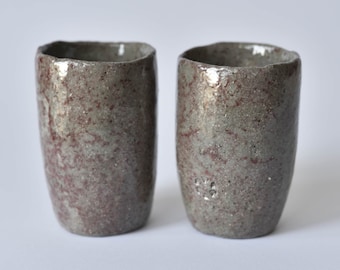
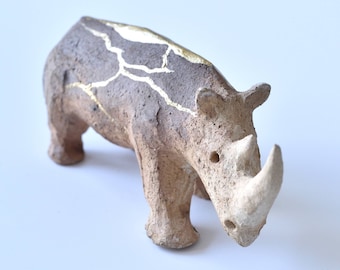
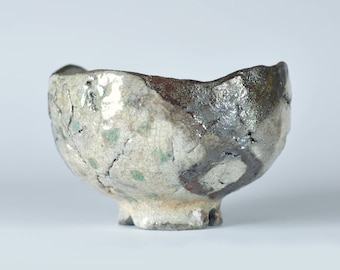
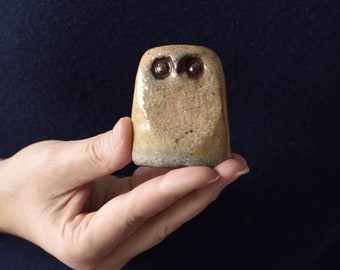
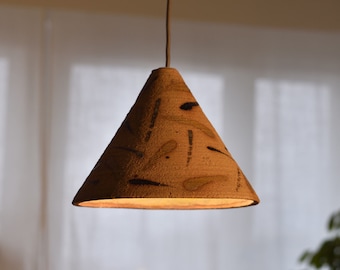
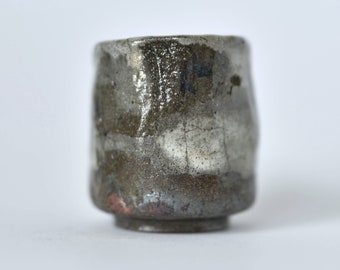
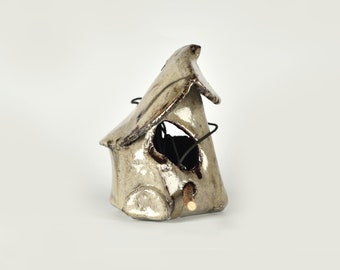
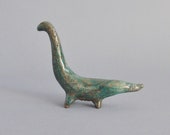
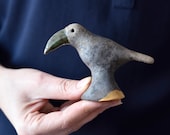
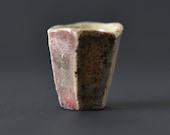
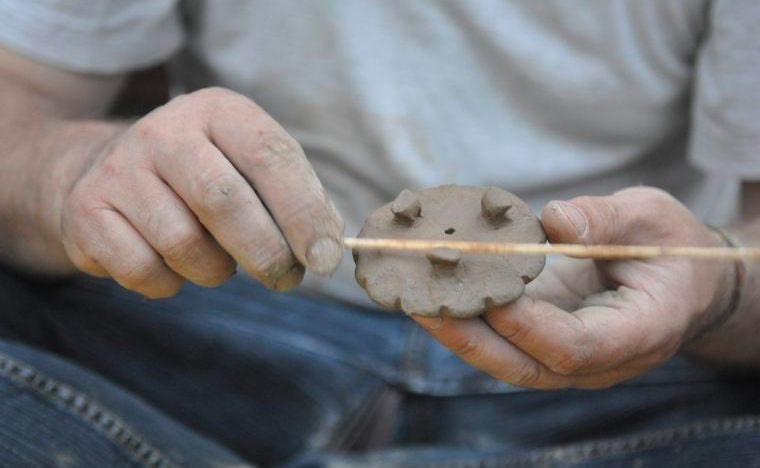
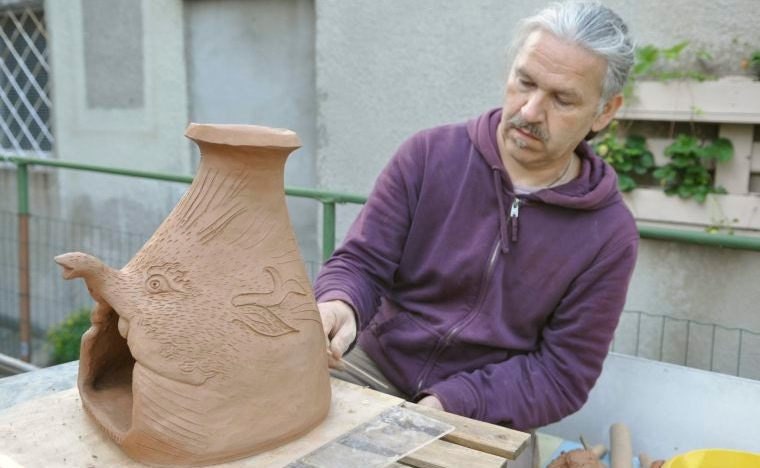
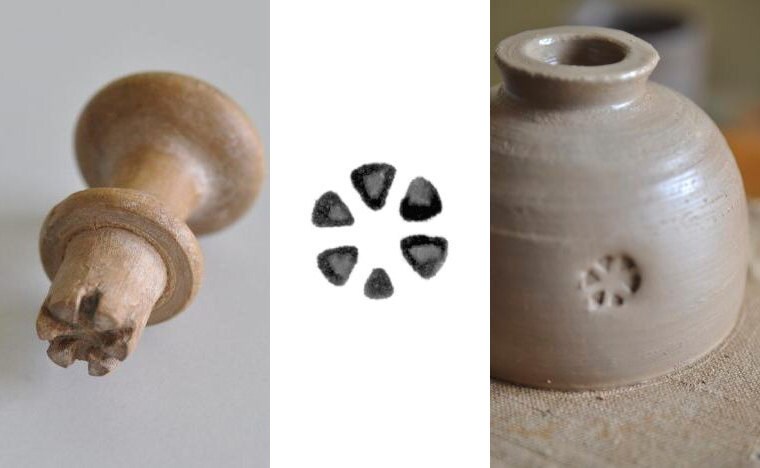
I use different kinds of Raku clay. I often mix local Lower Silesian clay with chamotte depending on the kind of item or effect I want to achieve. Sometimes I also add to my friends' clay substances from their travels - red soil from Namtso in Tibet, clay from Eastern Bhutan or sand from Oman and Jordan. I shape the clay with my hands without using a potter’s wheel nor a mould. After the clay is formed, I leave it a few days to dry. While it is bone dry, I fire it in the gas-fired kiln. This first firing is called "bisque". I decorate bisque pieces using glazes specially mixed just for this particular item, resulting in a unique colouring treatment, and I fire them again in temperature - around 1000 C (1832 F). Afterwards, items are removed red-hot and placed into containers with combustible materials (sawdust, paper, dry leaves), which reduces the atmosphere – areas that have not been glazed turn black. This process also generates hair-thin cracks within the glaze, so-called “crackles”, and if glaze contains much copper - metallic shimmering colours. The items are then tempered in cold water and cleaned with an abrasive to remove all soot and ash residues.
Some of the items are coated and fired several times to get interesting colour effects. The whole way, from the clay to shipping ready item, takes around a month.
---
Whom I sell my works.
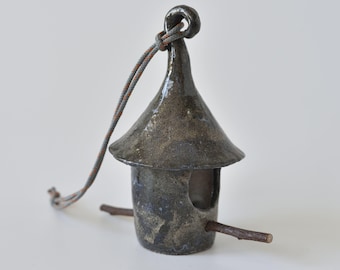
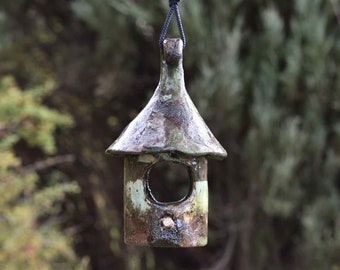
My clients are people for whom the little pleasures of everyday life, such as drinking tea in a beautiful bowl, are important. My birdfeeders and olla are bought by people who have an environment and animals in their hearts. My clients are good, sensitive people.

