
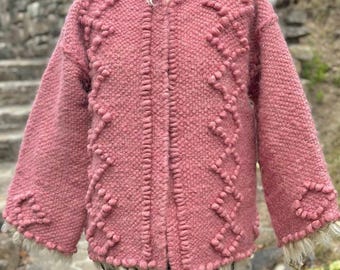
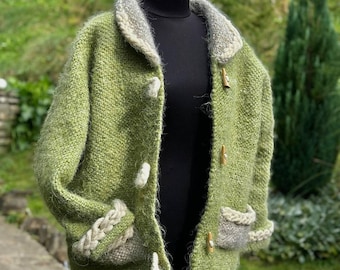
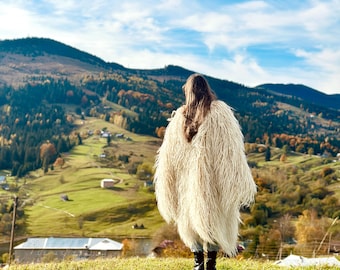






Welcome! In my shop you will meet exclusively handmade goods.
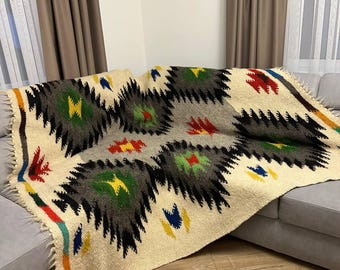
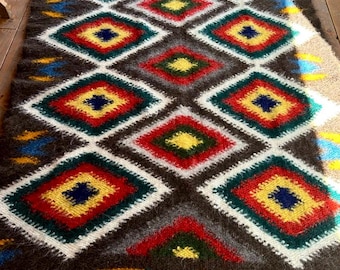
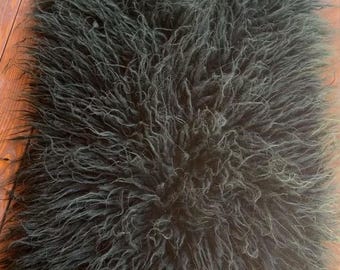
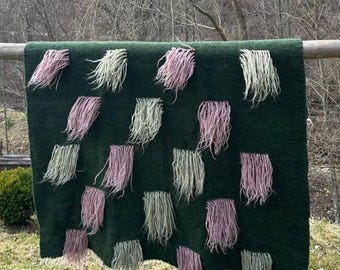
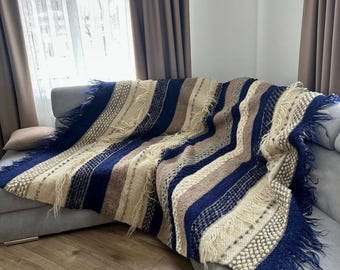
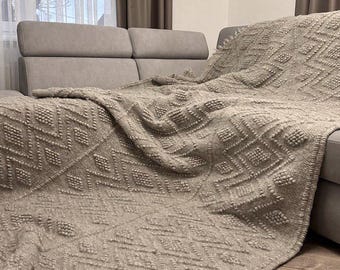
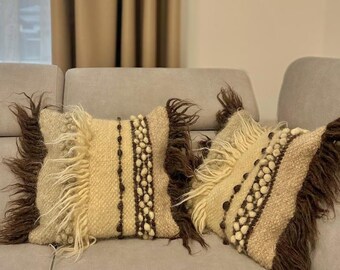
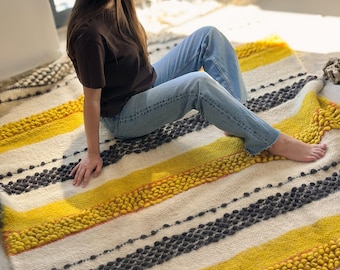
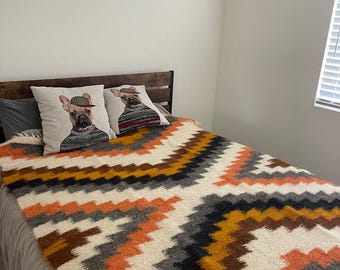
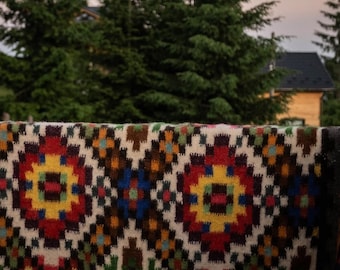
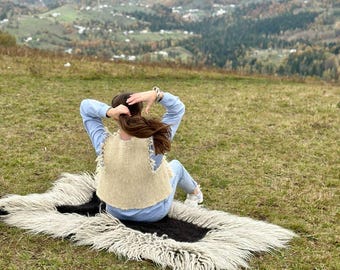
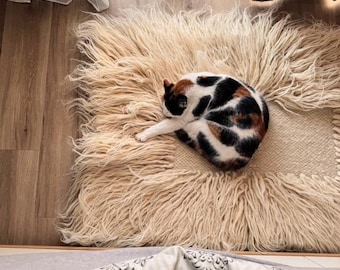
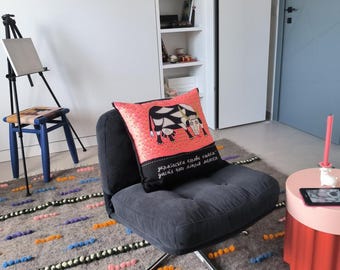
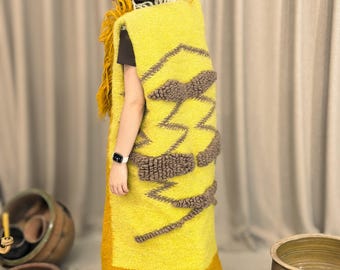
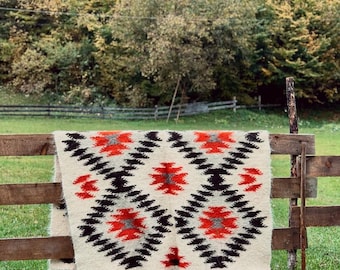
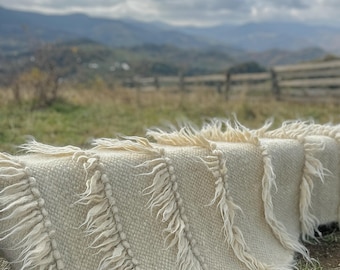
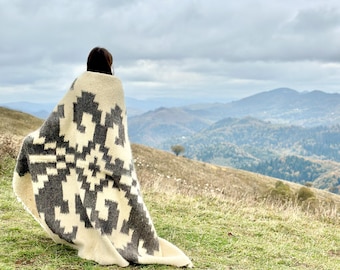
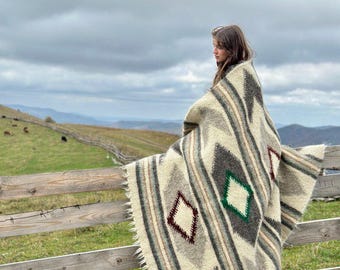
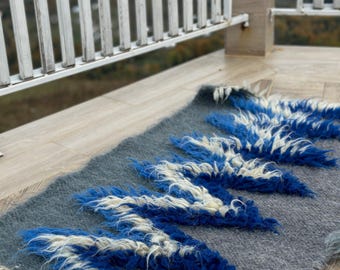
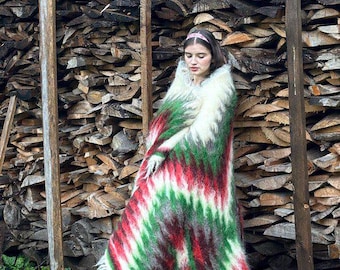
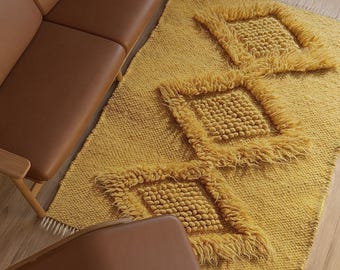
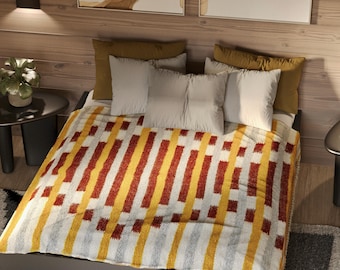
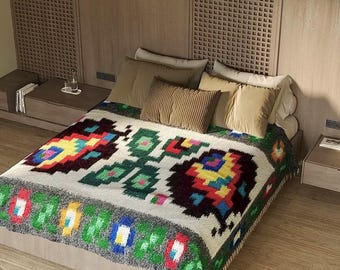
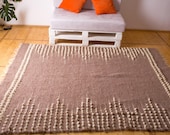
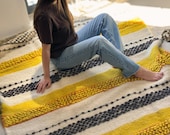
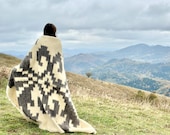
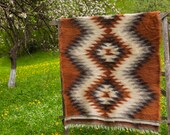
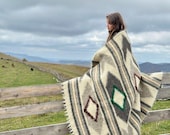
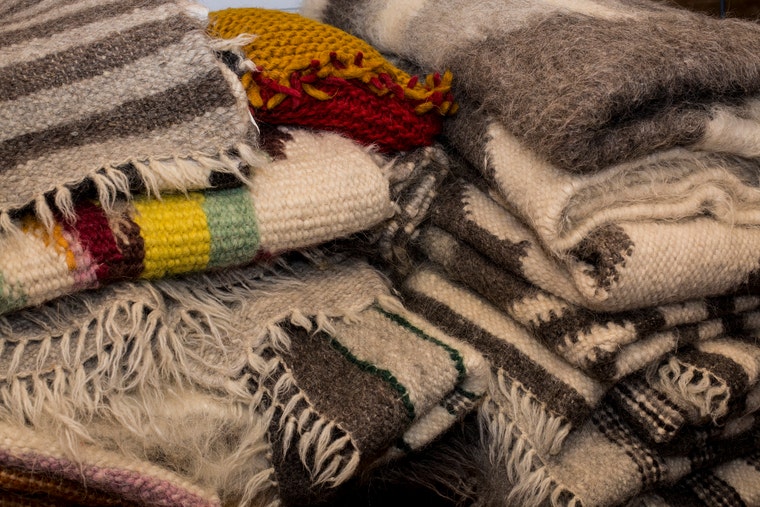
Yavoriv, a settlement in Hutsulshchyna region, has always been famous for the beautiful works of its artisans; decorated Easter eggs (pysankas), embroidery and woodwork are widespread here. However, there’s something else makes Yavoriv such a special place: the art of making lizhnyks — woolen blankets, normally with a pattern and fluffy texture on one or both sides, also known as “hutsulian blankets”. Lizhnyks are very common in everyday life, used to soften beds or benches, and for extra warmth in the wintertime. They’re warm and attractive, but most importantly, their natural material, pure wool, is good for your health, massaging the skin and encouraging good blood flow — although it can be itchy at times.
None of the locals can tell you for sure when the first lizhnyks were made, but they will tell you that they’ve been making them for as long as they can remember. As it turns out, the tradition’s origin is closely related to sheep breeding. This specific area used to provide perfect conditions for raising sheep, who are the source of wool used to make lizhnyks.
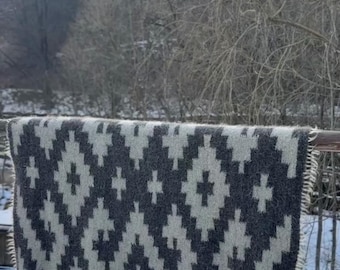
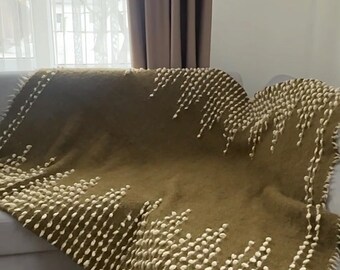
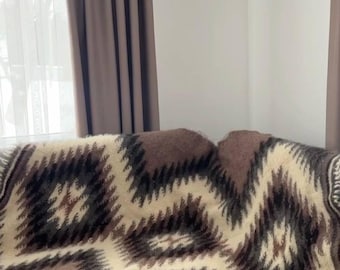
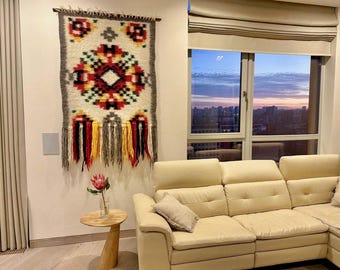
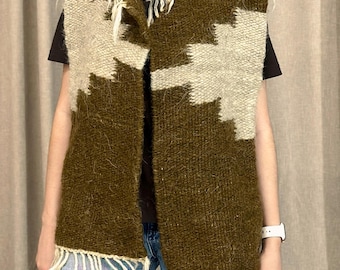
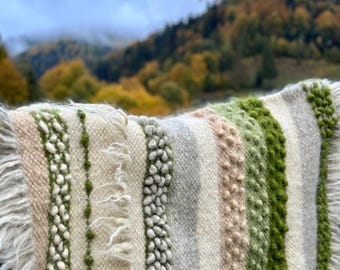
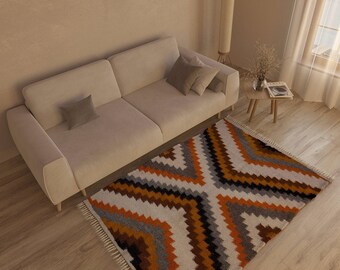
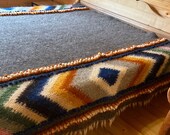
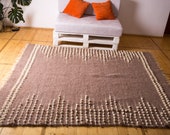
Now, you can virtually find blankets of any kind: different sizes, colours, and pattern complexity.
But the first products were very different from the ones made nowadays. They were mostly monochromatic; grey, white, black or striped. In order to create a large one, they had to sew together a few smaller lizhnyks because the looms, which were used for production, were half the width of modern ones, which are typically at least one meter wide and can serve for forty to fifty years.
LIZHNYK MANUFACTURING:
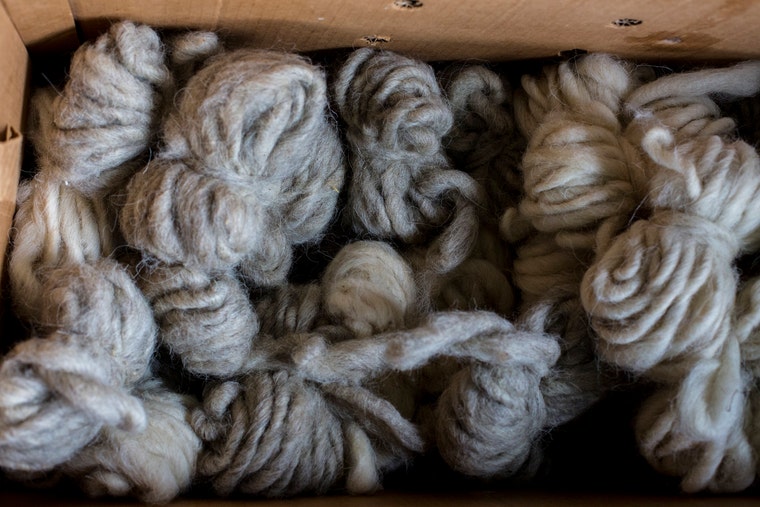
The process of making woolen blankets consists of several stages. Everything starts with the preparation of the wool. It must be washed, dried, rolled, and only then the thread is made.
— If I were the only one to make a lizhnyk, it would take me six days, but we do it this way: we wash a lot of wool at the same time, then dry it. We spin the thread in advance in the evenings or mornings and this way we are able to do more.
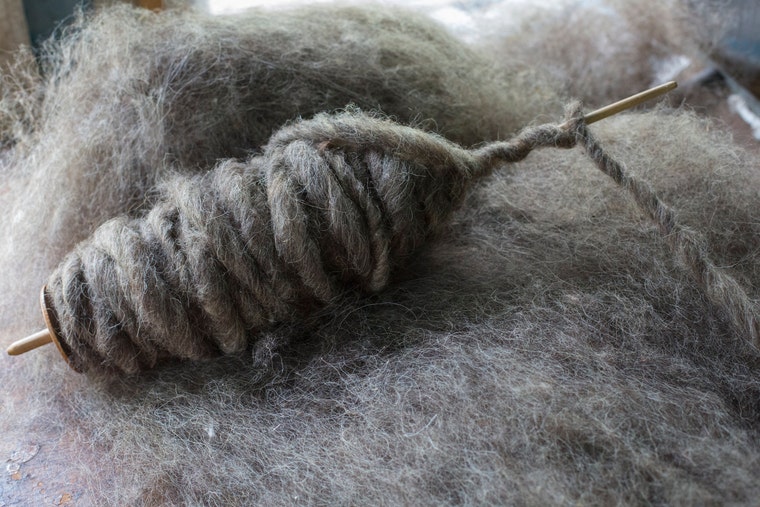
How did the correct way to spin? With one hand, you must collect the fiber of the wool and let it go thinner and thicker onto the spindle, which spins from the little finger to the thumb. In the hands of our makers, the spindle rotates so fast that we can barely keep track of how the wool bag turns into even thick threads. Yarn that’s already been wrapped is called “motashka”, because it is reeled up on a special device, a “motovylo”. Motashka, if necessary, can be submerged into boiling water, soaked, and painted in different colors. I make the warp out of thin woolen thread. This is the point where the magic starts, the moment a craftswoman creates a lizhnyk.
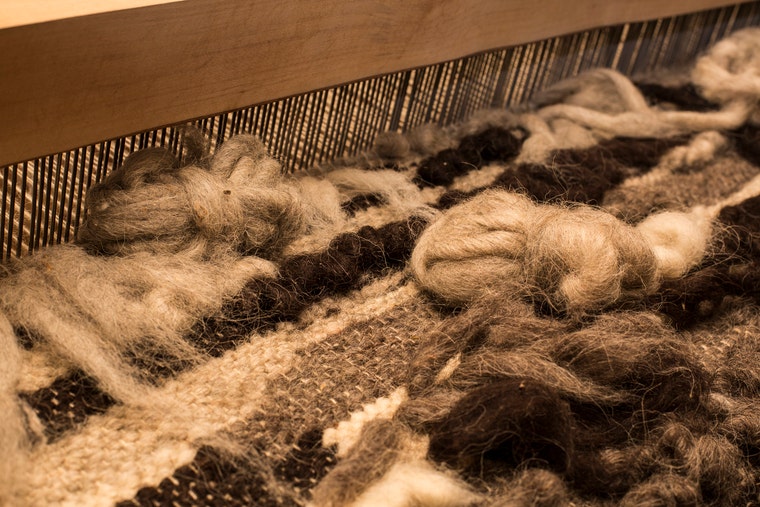
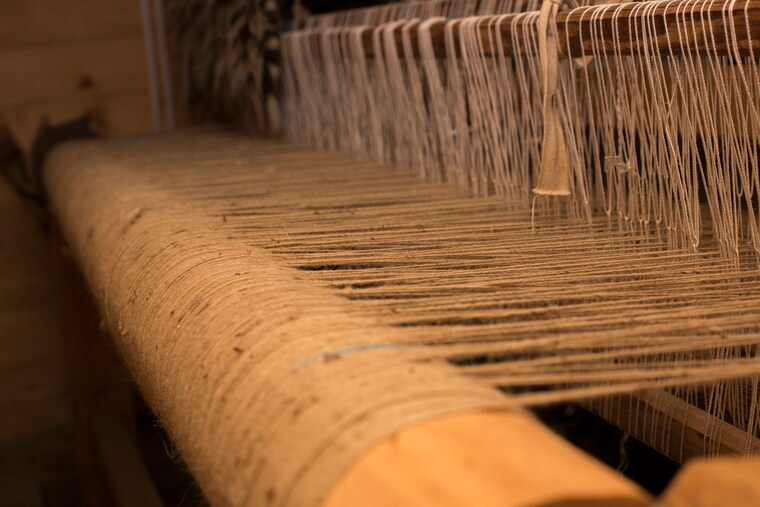
The warp, which is also woolen, is wrapped around the “volotylo”. Each thread has its own slot and these threads are assembled in a certain order: first, second, first, second, first, second — in this way from one end to another. These threads are attached to leg levers. You really need to use legs to regulate the warp — press one and the warp goes up, press another and it goes down. There is a big lot where we put the motashka, the rough thread. I arranged it, dragged it though the warp. I now let one leg lever loose; part of the warp rises and the threads cross. Then I batter it hard enough to hear a loud knock. You need to batter it really hard to make a lizhnyk firm, and the most important part of it is the warp. The more solid the warp is, the more lasting the blanket will be.
To weave without a plan and letting colorful patterns come out. To get the picture, you need to count the number of threads of the base, which the rough thread goes through.
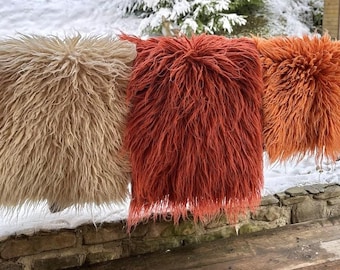
A lizhnyk, fresh from the loom, is called “bald”. It can’t be used right away, because the warp is flimsy and threads can pop out. To make it robust, tough and long-lasting, it must go through a “valylo” — a water tumble, where it spends three to eight hours. The great force of the stream tightens the threads and shrinks the blanket up to 40 centimeters. This way it becomes thicker, tougher and a little fluffy on the surface.
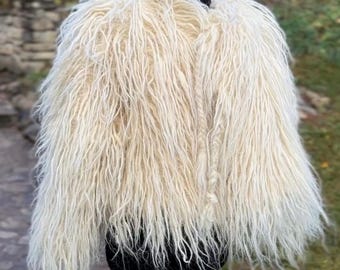
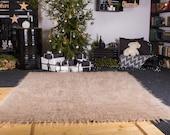
The next step is combing the lizhnyk out. It is hard and monotonous process. You need to spend several hours working with a special large brush. If needed, you can comb it out from one side or both. This procedure makes a blanket fluffy and soft to touch.
Have a great shopping time!
