

Knives by Monty Wheeler - 66Forge.com
My knife making started as a hobby and quickly became my obsession.
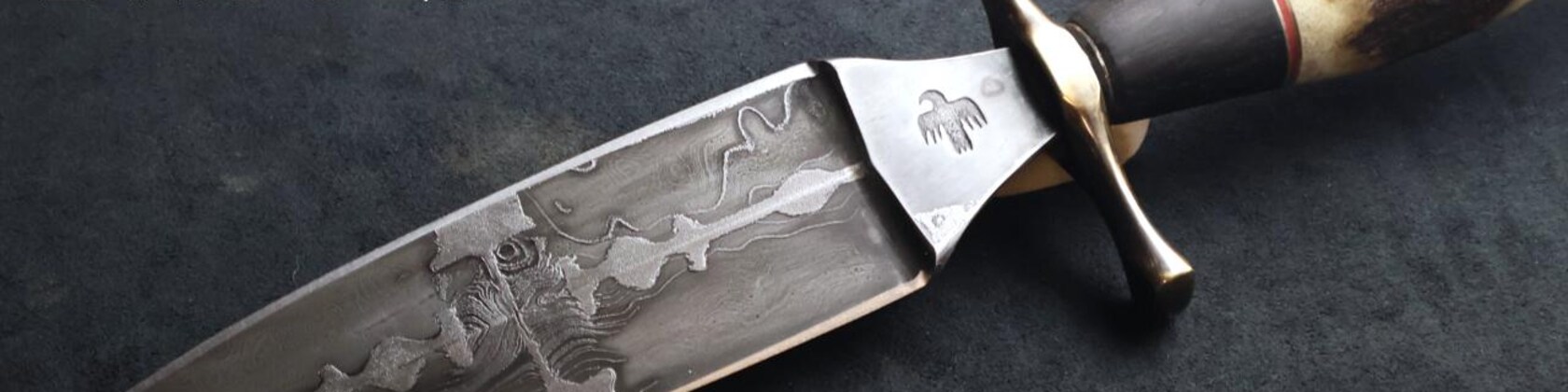
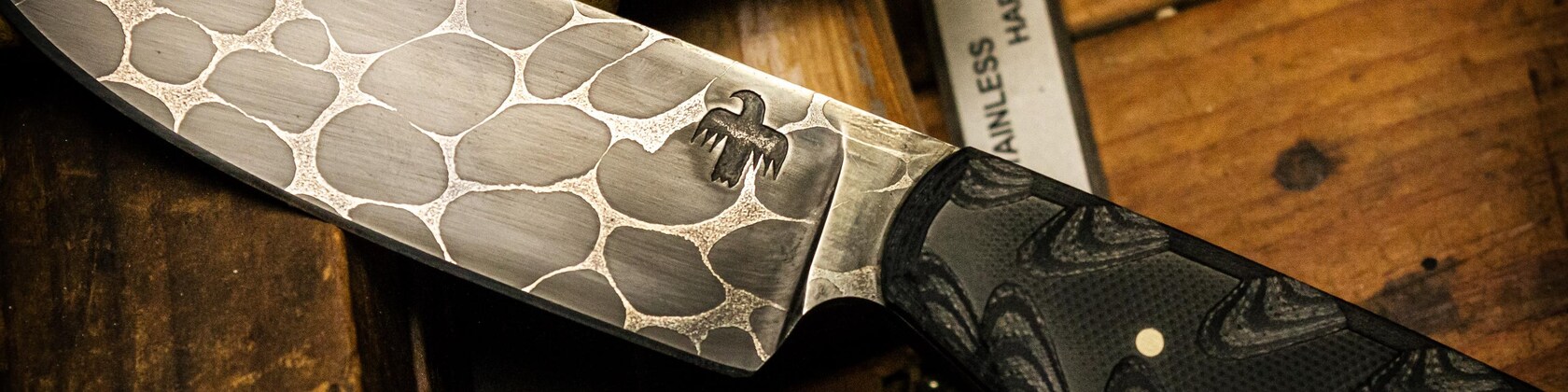
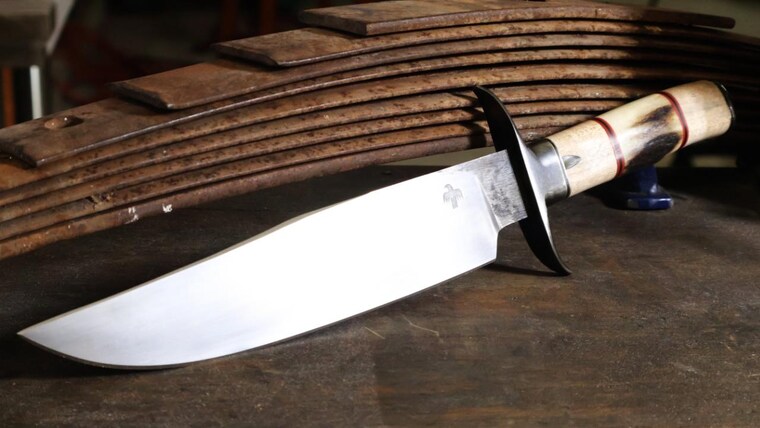
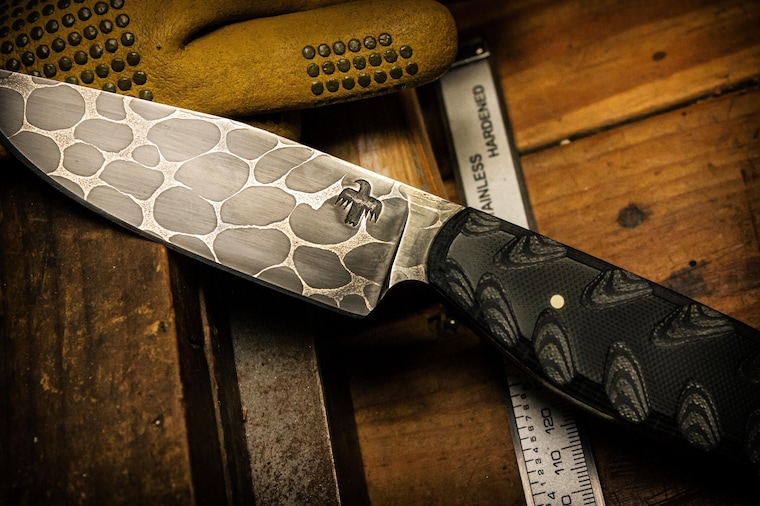
I try to make knives that are unique, durable and meant to be used. My first knife was a skinning knife made out of an old piece of leaf spring. Now I use several different steels for my knives. If the blade will have a Hamon I'll use W1, W2, or 1095. If it's a Damascus blade I'll use 1084 and 15N20 and a powder steel like 1080+2% pure nickel to make a canister Damascus billet to forge the knife from. I use 52100, 1095 or 80CRV2 for most of my carbon steel blades and Nitro-V for the stainless blades.
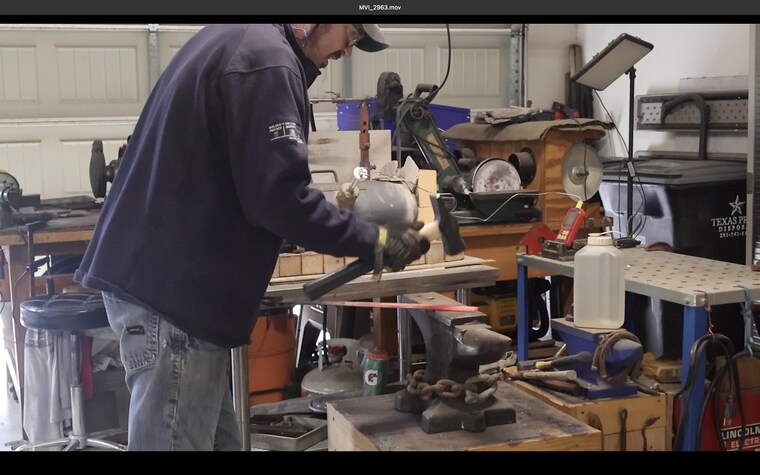
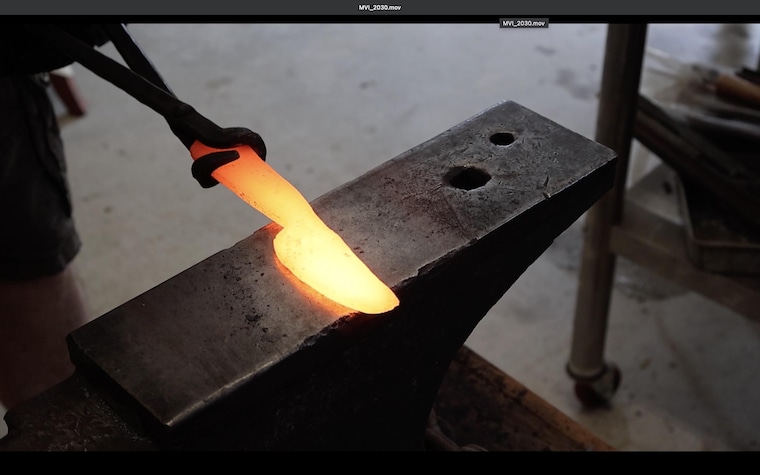
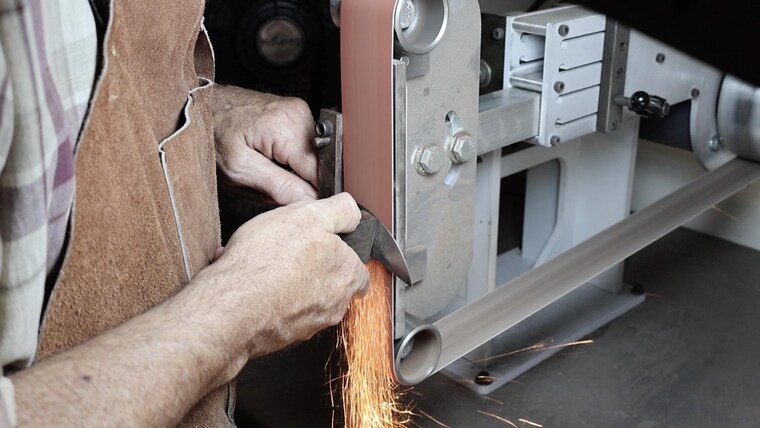
I put a lot of care, time, and effort into every knife. I forge some knives and do stock removal on some knives. If I'm forging it I'll heat up the steel in my propane forge and forge the blade out by hand on my 100lb antique Fisher anvil. After forging I do multi-step normalization and annealing, this relieves stresses in the steel from the forging process and prepares the steel for rough grinding and heat treating. I use a surface grinder to get the sides of the blade flat and then do the profiling by hand on a 2X72 belt grinder. After that the blade is heated up in my Paragon kiln and quenched (usually in Parks 50 quench oil). After hardening I temper the blade, which reduces the brittleness created by hardening and toughens it while retaining enough hardness to maintain a durable sharp edge.
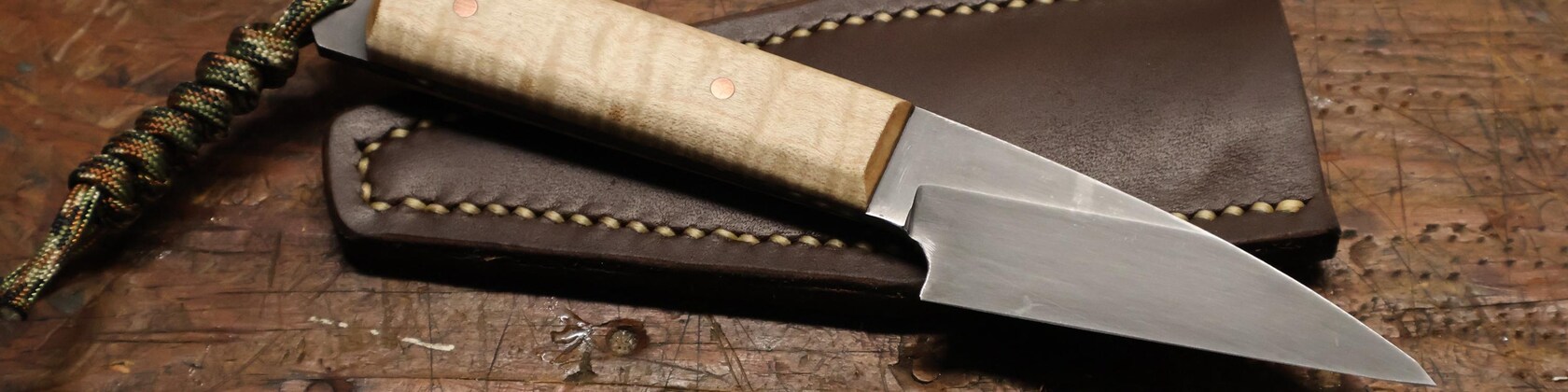
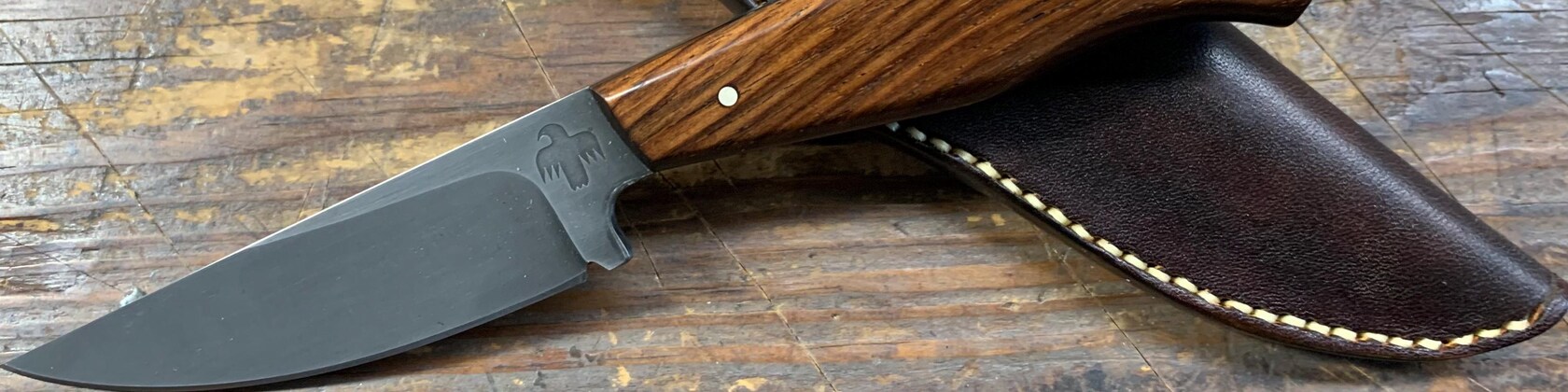
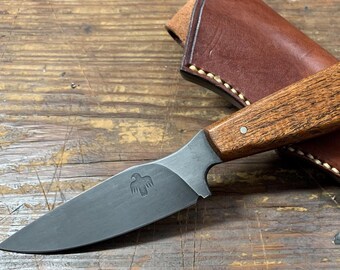
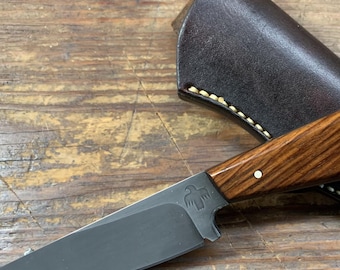
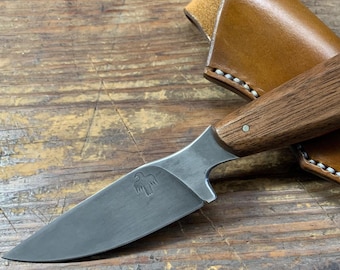
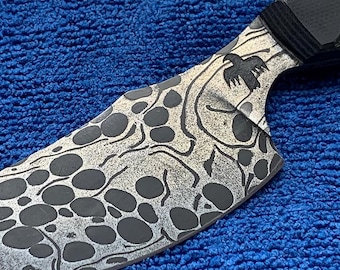
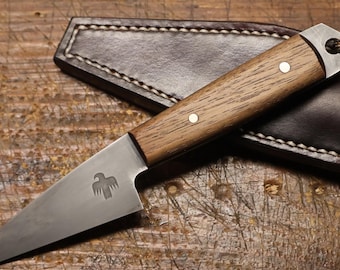
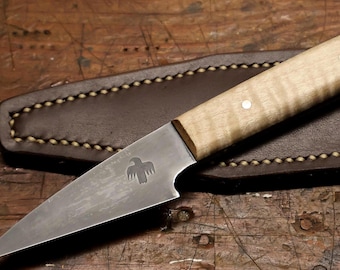
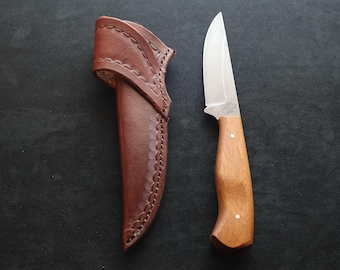
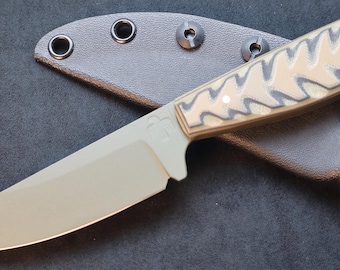
Next I do the final profiling and grind in the bevels by hand. Some knives will require a good bit of hand sanding on the blade to get the desired finish, others may get bead blasted or Parkerized or coated with a thermo-set epoxy resin, all of which I do myself in my shop. Once I have the blade near finished I'll start work on the handle. I like to use natural hardwoods like Walnut, Cocobolo, Mesquite, Maple, and Desert Ironwood. Sometimes I'll use antler as well, I really like a knife with an antler handle. I also like to use synthetic materials like Micarta or G10.
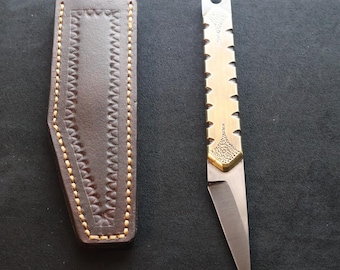
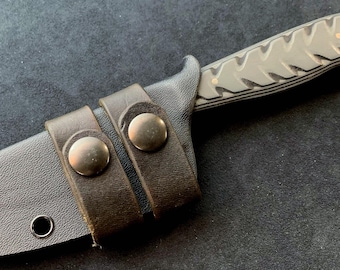
All of my knife handles are secured with both a mechanical fixture (by either pins or a pommel connected to the tang) and a marine grade high strength epoxy. I will then do all of the final shaping and sanding on the handle to finish the knife before moving on to making the sheath. I make all of my own sheaths as well, either Kydex or Leather.
Please feel free to contact me if you have any questions about my knives. You can visit my YouTube channel (the "blog" link below) to see some videos of my knife making process as well as some of the different knives I make.