





Shahkaar | Authentic Handmade Kashmiri Pashmina Since 1907
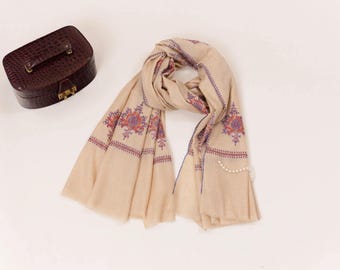
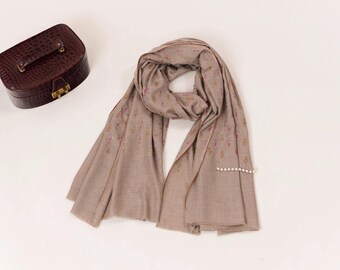
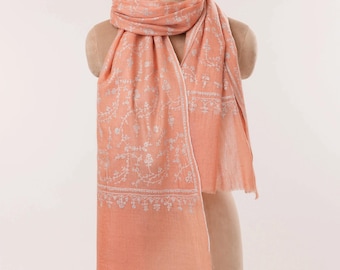
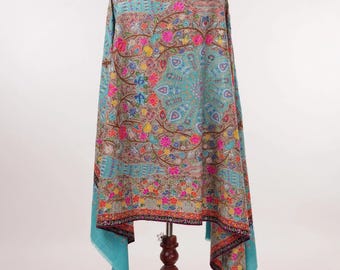
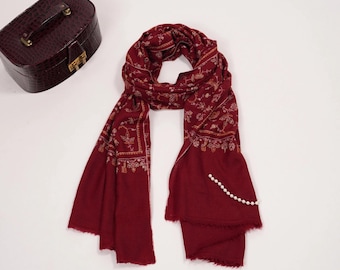
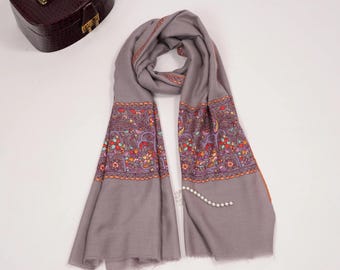
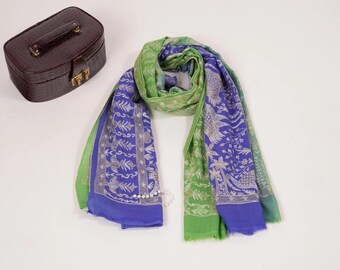
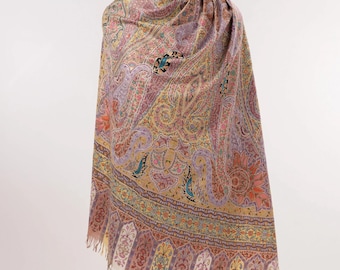
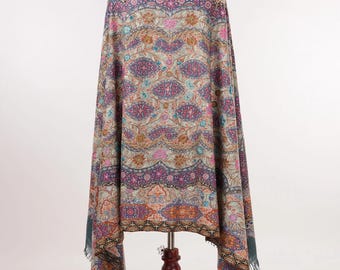
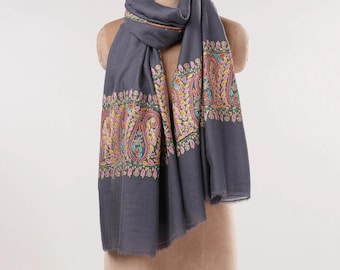
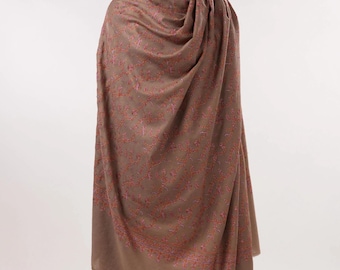
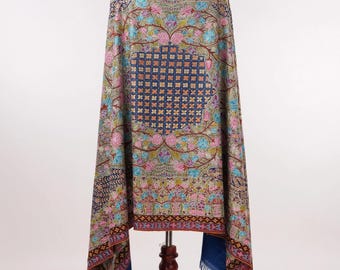
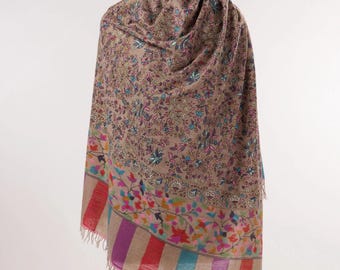
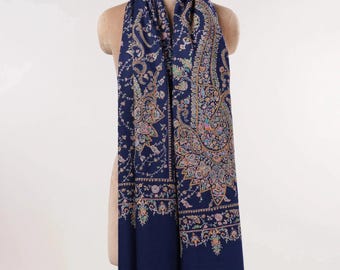
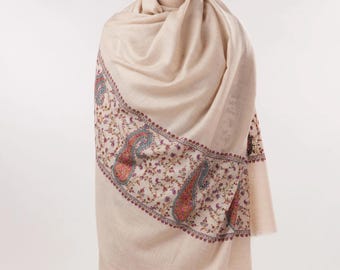
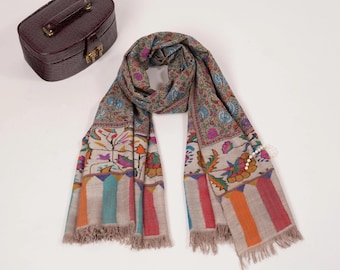
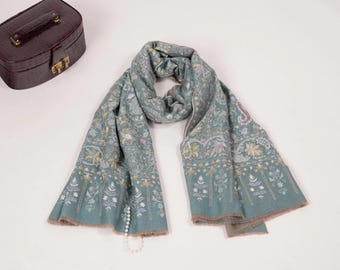
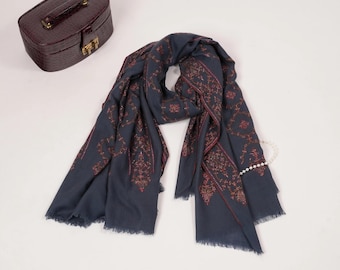
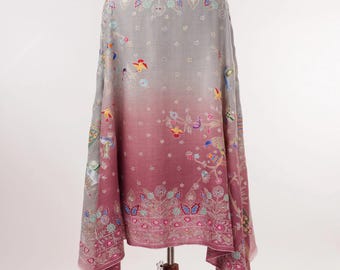
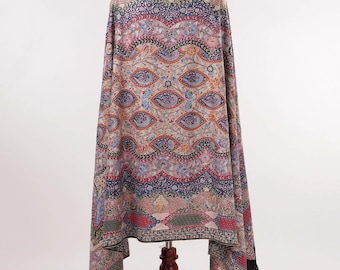
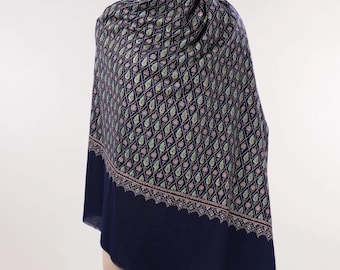
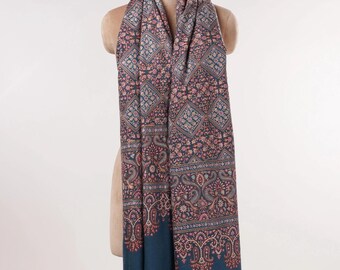
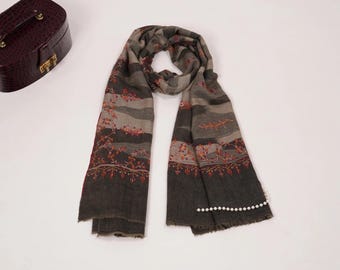
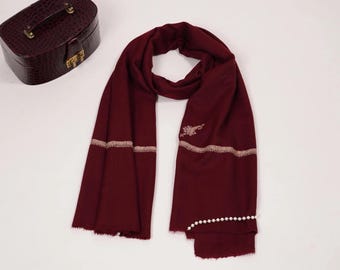
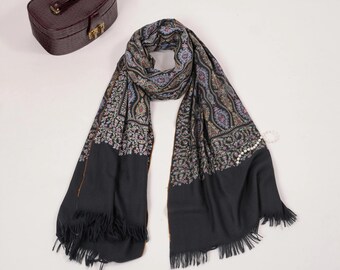
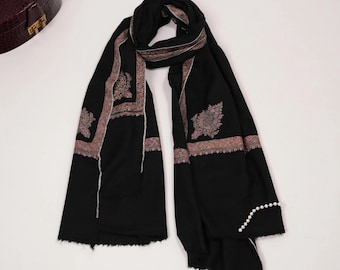
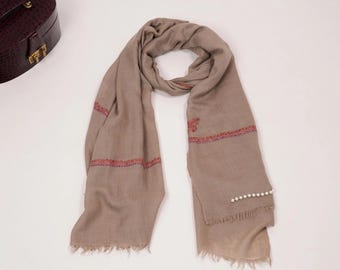
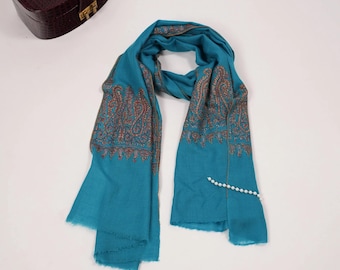
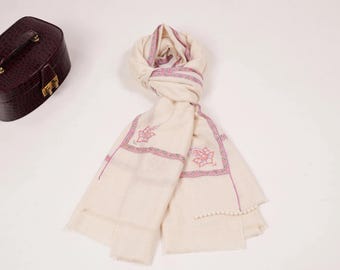
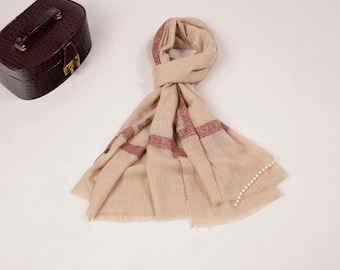
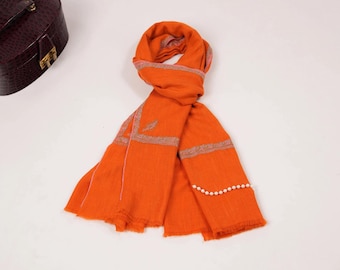
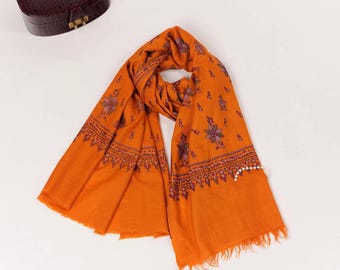
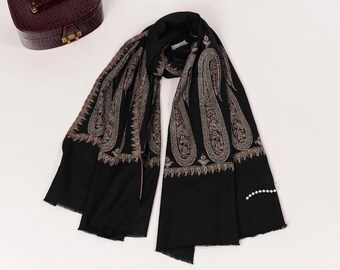
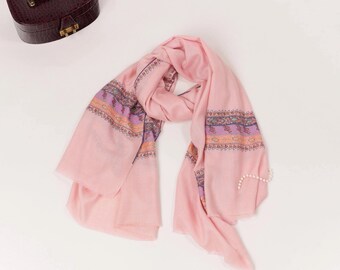
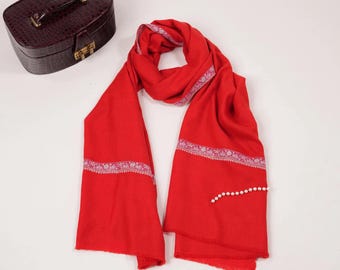
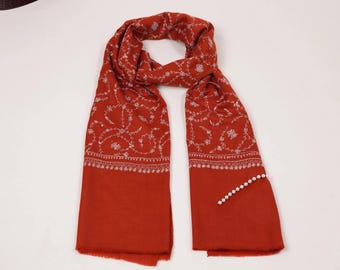
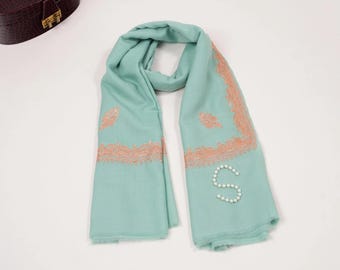
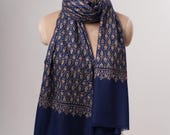
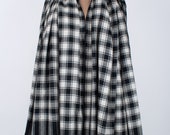
Discover authentic handmade Kashmiri Pashmina shawls, Cashmere scarves, and hand embroidered masterpieces crafted by a family of master artisans in Srinagar, Kashmir. At Shahkaar, every piece is made with patience, skill, and a deep love for the craft — from raw Pashmina fiber to finished fabric.
Our story began around 1907, when our great grandfather travelled from Srinagar to Ladakh to source the finest Pashmina wool. In those days, the journey was long and difficult, often taking several weeks by foot and horse through mountains, valleys, and remote Himalayan routes. From him, this craft passed to our grandfather, then to our father, and now to the new generation of Shahkaar.
A Family of Master Artisans from Kashmir
Shahkaar is not just a shop. It is a family of artisans, weavers, embroiderers, and craft lovers dedicated to preserving authentic Kashmiri Pashmina.
Our workshop is situated in the old town of Srinagar, where we process our shawls from fiber to fabric. By working directly from our own workshop, we keep unnecessary middlemen away and connect directly with customers and clients around the globe.
Since joining Etsy in 2018, Shahkaar has delivered handmade Pashmina shawls and scarves to customers in over 110 countries. Our pieces have been appreciated by collectors, luxury buyers, VIP clients, and celebrities who value authentic craftsmanship.
100% Handmade Pashmina Shawls & Scarves
Every Shahkaar piece is made through traditional handmade processes:
✔ Raw Pashmina wool sourced from Ladakh
✔ Handspun yarn by women artisans on the traditional Kashmiri charkha, locally called Yandir
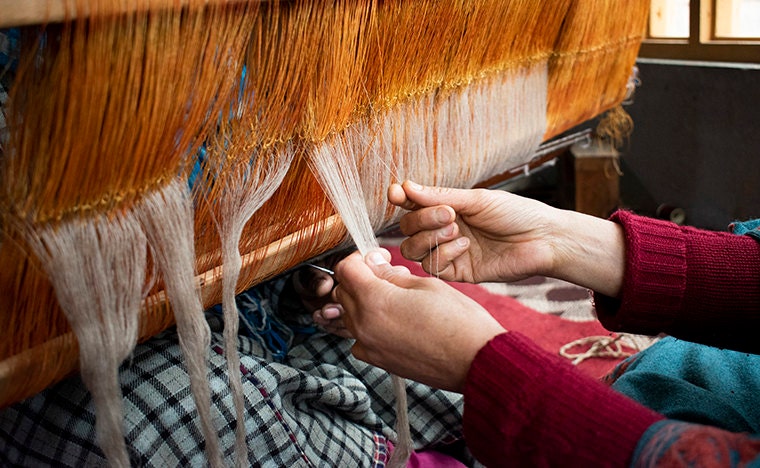
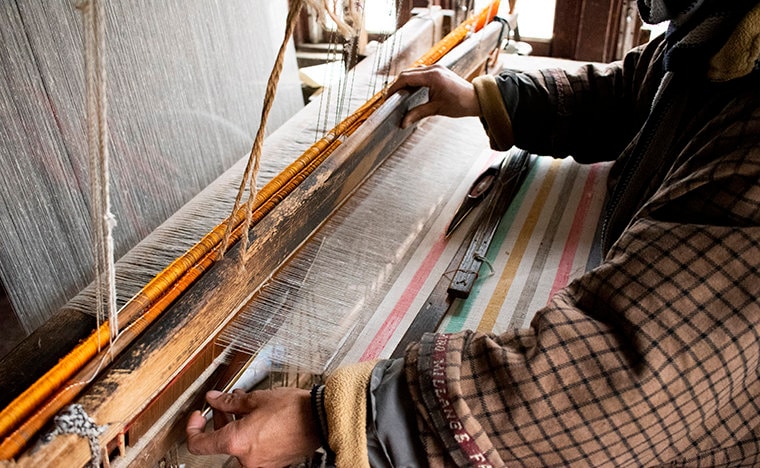
✔ Handwoven fabric by skilled men artisans on wooden handlooms
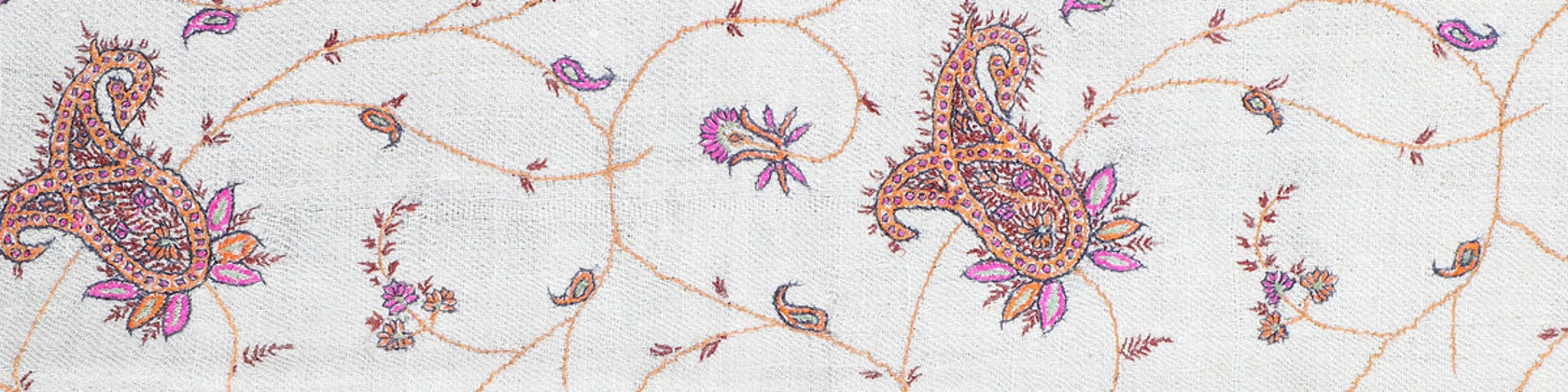
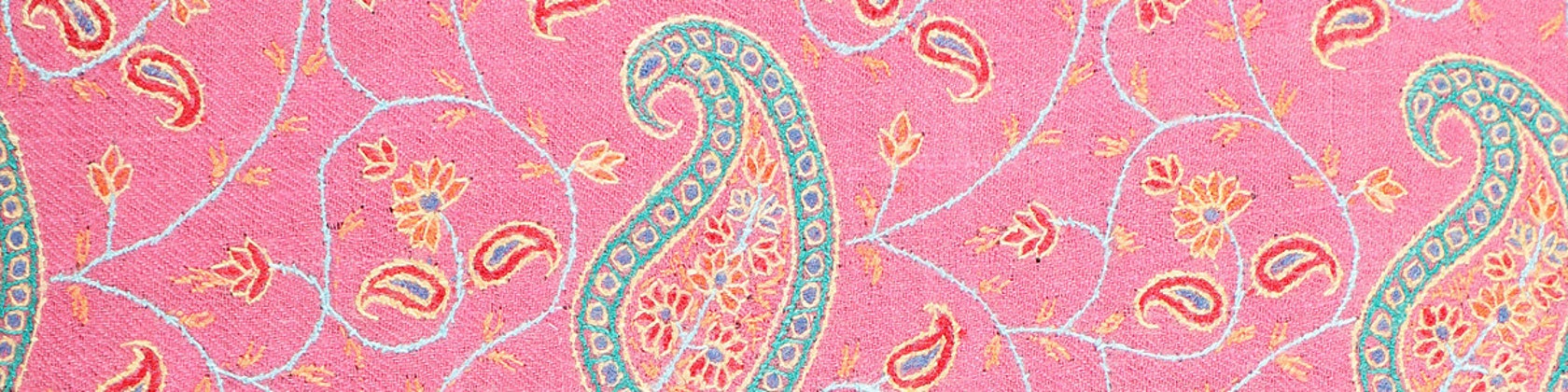
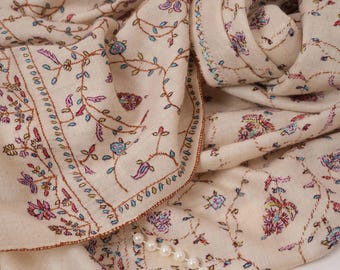
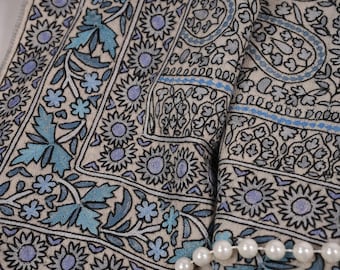
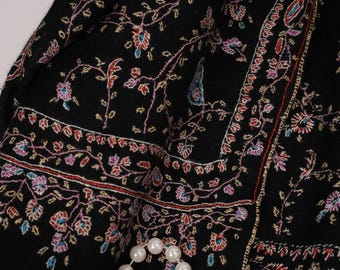
✔ Hand embroidery by master Sozni artisans
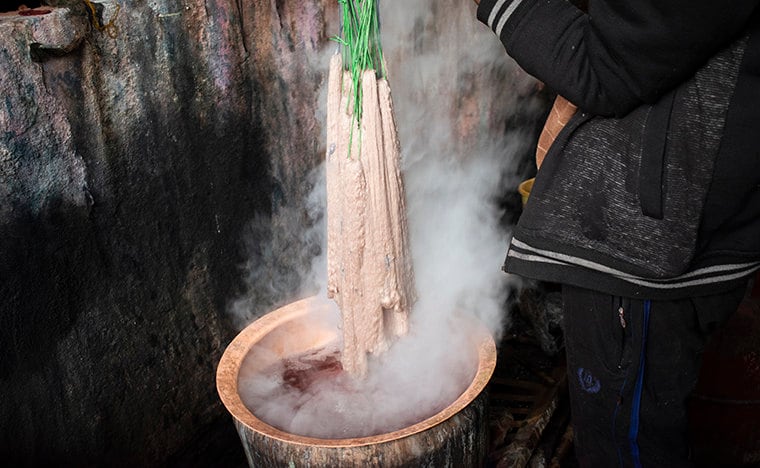
✔ Careful washing, finishing, and quality checking
From raw wool to finished shawl, a single handmade Pashmina can pass through more than 20 processes. This means every shawl supports many artisan families and carries the touch of many skilled hands.
Authentic Kashmiri Craftsmanship
Our Pashmina shawls, Cashmere scarves, embroidered wraps, and bridal shawls are authentic in nature and made with a labor of love. Some pieces take months to complete, while highly detailed hand embroidered shawls can take years.
We believe true luxury is not mass produced. True luxury is handmade, timeless, meaningful, and made to last.
Why Customers Choose Shahkaar
✔ Authentic handmade Kashmiri Pashmina
✔ Family craft heritage since 1907
✔ Handspun, handwoven, and hand embroidered pieces
✔ Workshop based in old town Srinagar, Kashmir
✔ Direct from artisans, without unnecessary middlemen
✔ Delivered to 110+ countries
✔ Trusted on Etsy since 2018
✔ Customer satisfaction is our top priority
✔ Customs & import duties covered by us — no surprise charges at delivery
Handmade in Kashmir. Loved Worldwide.
At Shahkaar, every shawl is more than an accessory. It is a piece of Kashmir, shaped by generations of experience, traditional skill, and the hands of master artisans.
When you choose Shahkaar, you choose authentic handmade Pashmina directly from the artisans of Kashmir.
