
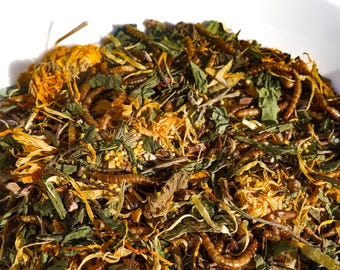
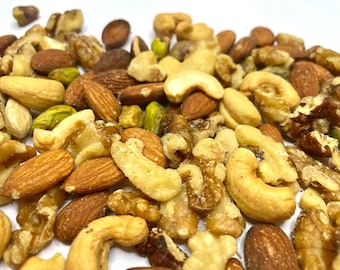
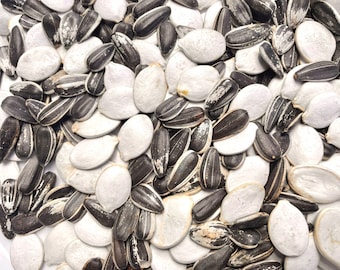
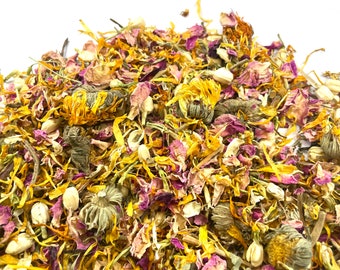






Species appropriate hamster products.
Species-appropriate animal care is care that is, quite literally, appropriate for and individualized to the species. An animal needs to be able to exhibit the behaviors it was meant to in order to thrive and not just survive — this is the simple philosophy that I have based all of my hamster care and products on.
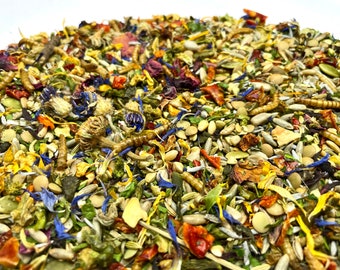
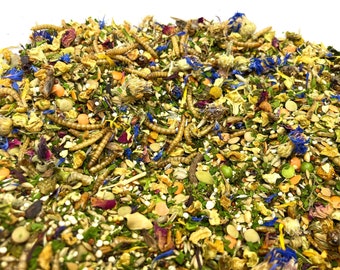
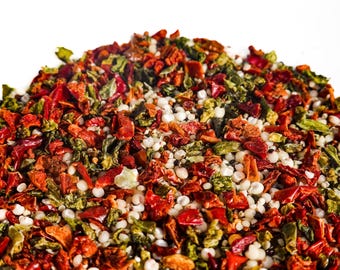
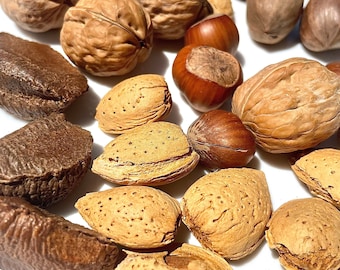
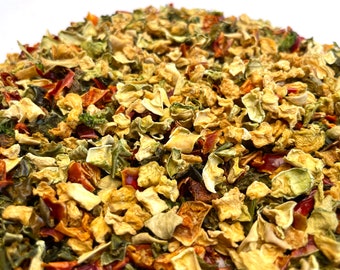
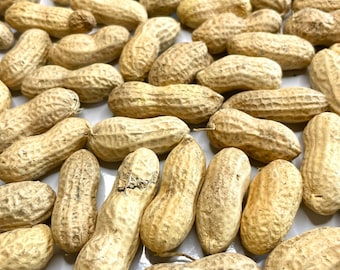
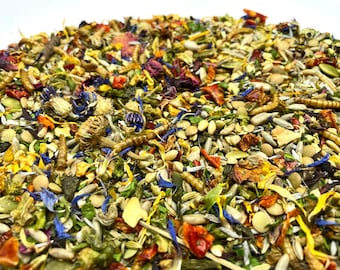
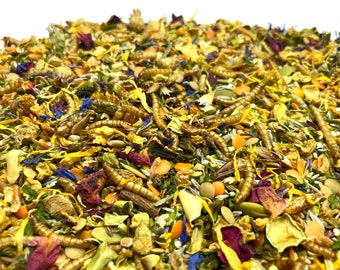
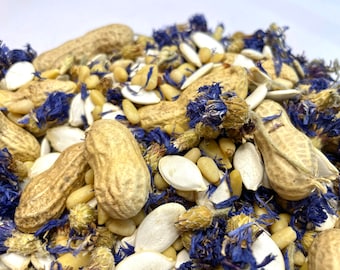
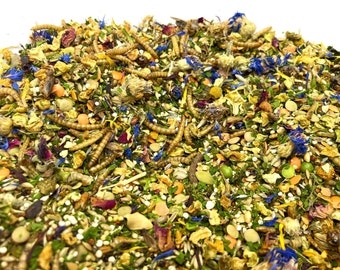
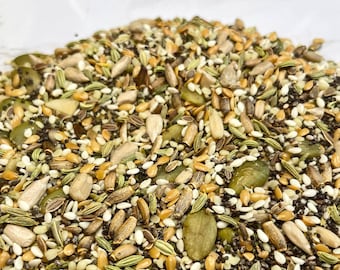
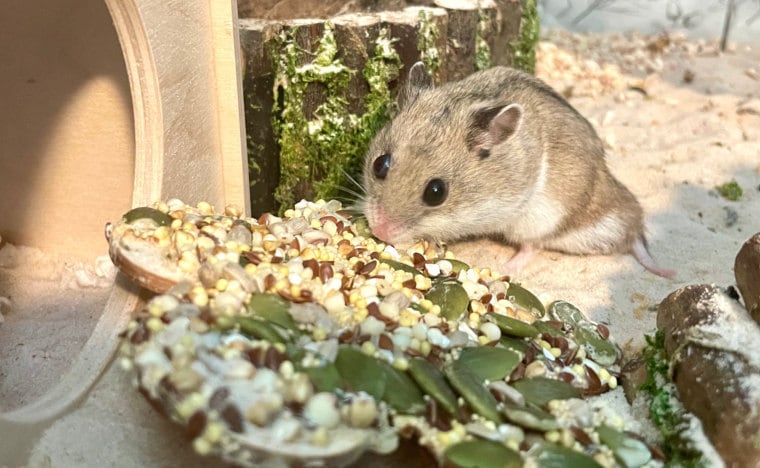
In its natural habitat, a hamster would eat a high-variety diet of many different seeds, grains, vegetables, and bugs – not piles of compressed waste products full of unnecessary additives, colors, and sugars that are typically found in pet stores across the country. Over the past few years, hamsters have been anthropomorphized so much that we have seemingly forgotten that they are still anatomically wild animals, only being domesticated a century ago. A balanced, species-appropriate diet is what is healthiest for a hamster, and frankly, any pet. There is not a single species that thrives off of an unnatural diet that nature did not intend for it to consume.
The United States is one of the most lacking countries in terms of hamster care standards. In almost every other pet care community, from cats, dogs, ferrets, and reptiles, it is common knowledge that natural diets are what is most species appropriate for pets, not pellets and kibble. For some reason, the vast majority of the hamster community still believes that a pelleted diet is what provides the most adequate nutrition for hamsters when this is entirely scientifically false on so many levels. There is not a single pellet or lab block on the market that is not full of synthetic vitamins to make up for nutritional deficiencies that come with an already low-quality diet. The synthetic vitamins found in these pellets are also manufactured in labs instead of being present in their natural form, making them less bioavailable and less likely to be absorbed and utilized by the hamster consuming them since they have to undergo a considerable amount of transformation before the hamster's body can actually make use of them.
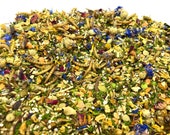
When I adopted my first Syrian hamster, Luna, she was eating the infamous 50/50 diet of Higgins Sunburst and Mazuri. She was extremely picky and left behind most of the pellets, and after a few weeks, she stopped eating the Mazuri blocks entirely. This is when I started looking for a better diet for her. I found so many great options online, however, they were all in Europe, and at the time, none of them shipped to the US. This was extremely frustrating since all I wanted was to feed my hamster an adequate diet. This is when I decided that my best option would be to make a homemade seed mix for her.
I researched for nearly a year, reading countless studies, research papers, and threads on forums written by experienced German hamster owners. I also looked at many great European mixes to learn as much as I could about species appropriate hamster nutrition. Developing my own mix was definitely very difficult and came with a great deal of trial and error in trying different brands of ingredients and different ratios and proportions. By this time, I had also noticed that my two hamsters were significantly exceeding the lifespans of many other American hamsters, and their coats were much thicker and shinier. Although common and normalized, it is not normal for a hamster in captivity to only live one and a half years. Of course genetics play a pivotal role in a hamster’s health and lifespan, but to expect a nutritionally malnourished animal to live to its full potential would be foolish at best.
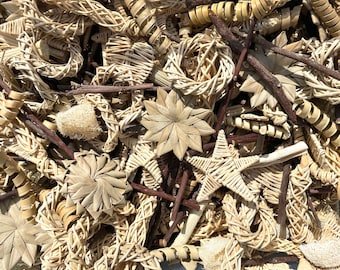
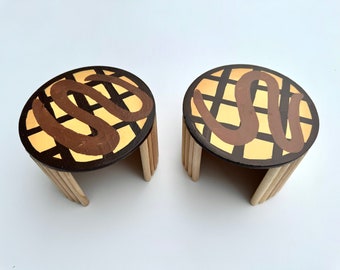
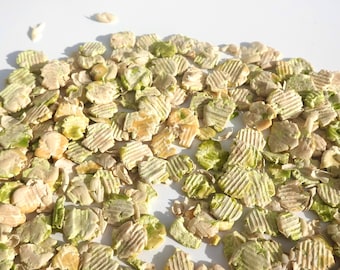
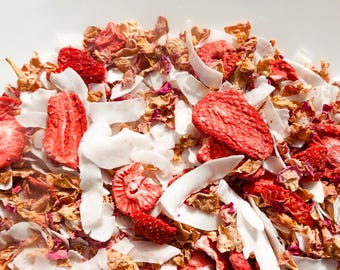
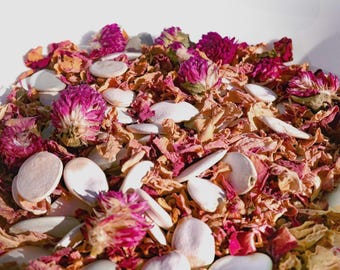
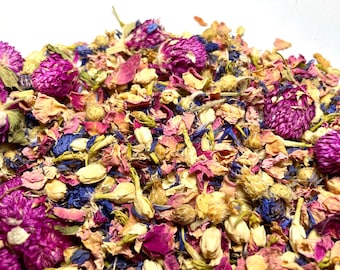
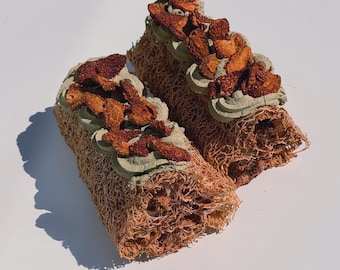
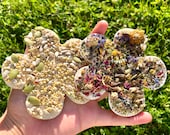
In late 2021, I was taking an entrepreneurship class in school, and I decided that I wanted to turn my mock business into a real hamster food shop to provide American and Canadian hamster owners with a healthy alternative to store bought hamster food. At the time, there was and still is a huge gap in the market for species-appropriate hamster products and seed mixes. I wanted all hamsters, regardless of where they lived, to be able to consume a diet that they were anatomically made to. Sourcing every ingredient in my seed mix in bulk and developing four brand new formulas for species and ages that I did not own at the time came with its own set of challenges, but after several more months, I was ready for our first launch of 12 products in February 2022 with six different seed mixes and six different treats. Since then, I have added much more variety to our seed mixes and branched out to many more products including chews, enclosure accessories, and cute hamster-themed stationery designed by myself. All of our products are developed, formulated, and tested in Pennsylvania in our smoke-free home, and we use the highest quality of ingredients to ensure that your hamsters are living their life to the fullest.


