


Finding and Displaying Civil War Artifacts
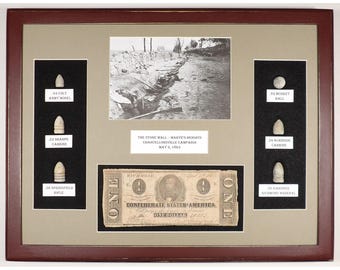
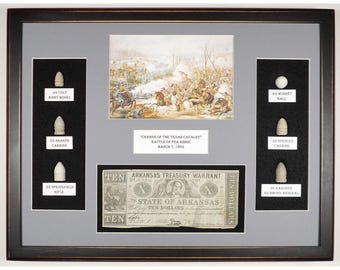
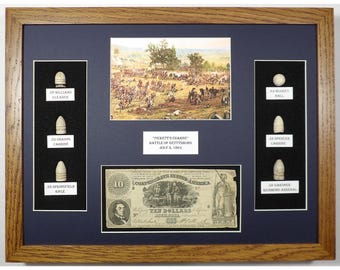
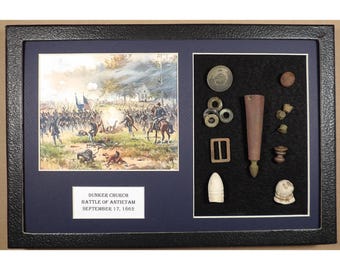
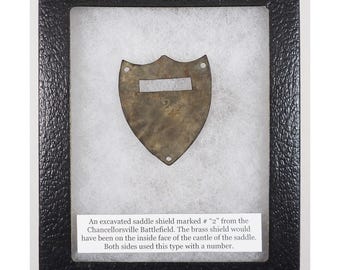
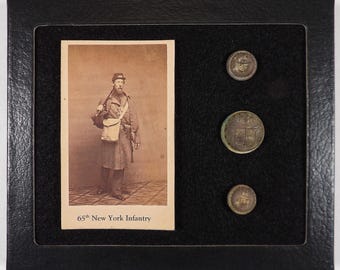
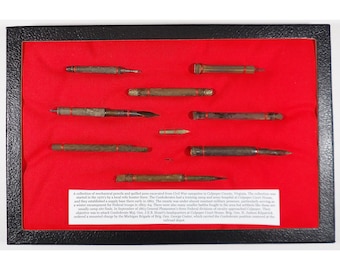
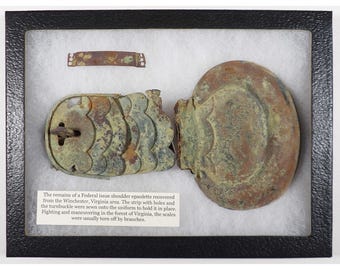
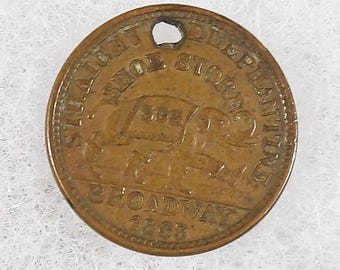
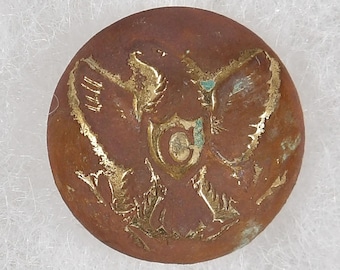
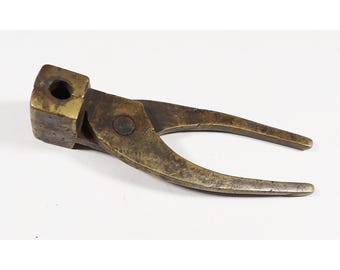
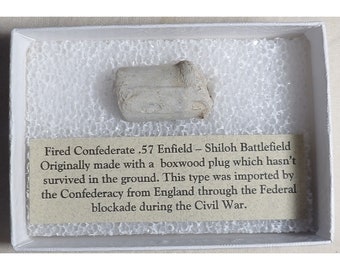
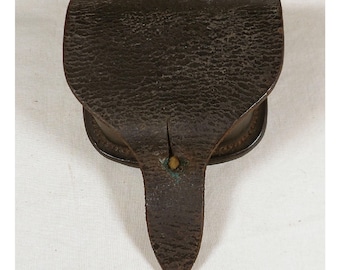
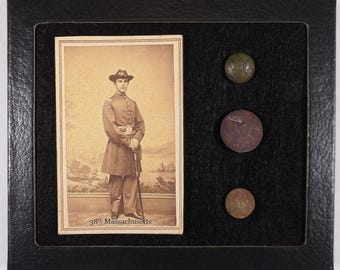
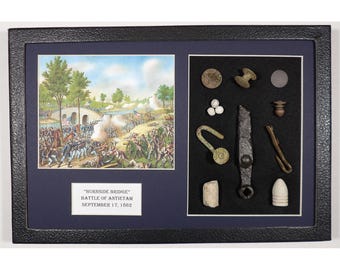
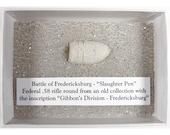
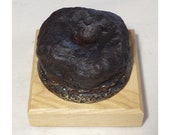
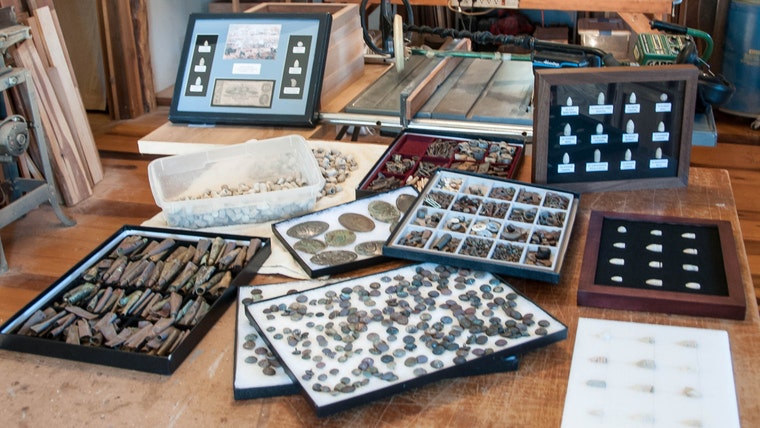
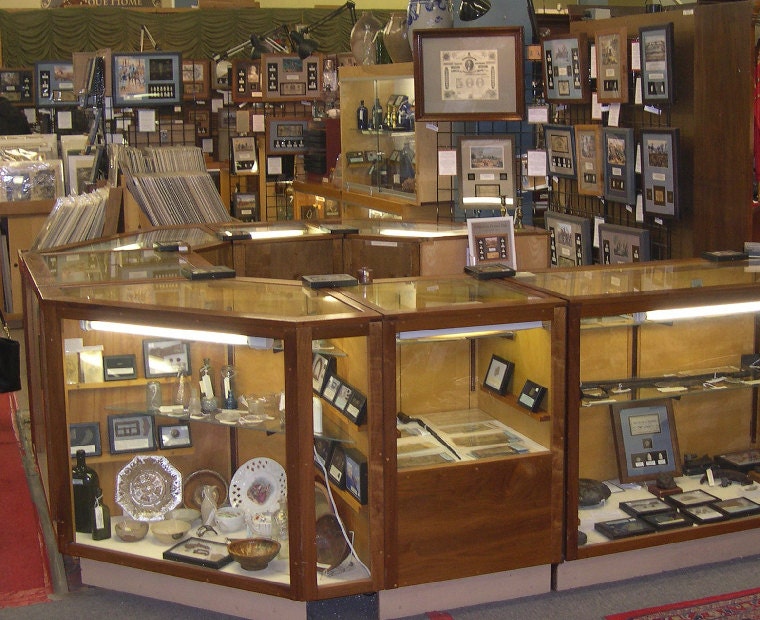
We photograph each artifact individually that we offer for sale. The item you see pictured is the one you will receive. The smaller displays of artifacts are mounted in Riker mounts (see below) with either hard foam or cotton. On occasion, for flat artifacts, we use a small amount of tacky glue to hold them in place. You are able to take the pins out of the side of the case and handle the artifacts and place them back as they were. A Riker mount is a flat embossed composite container used for mounting specimens. It is named after Albert Joyce Riker (1894-1982), noted American plant pathologist.
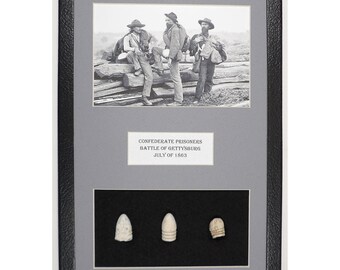
Images; All images used in our framing are in the public domain; Courtesy of the Library of Congress
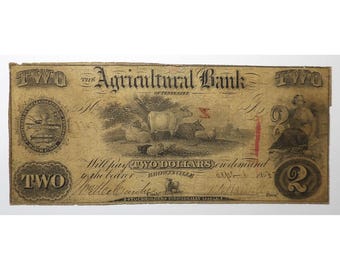
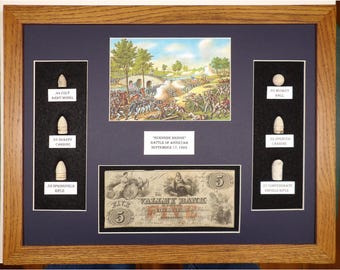
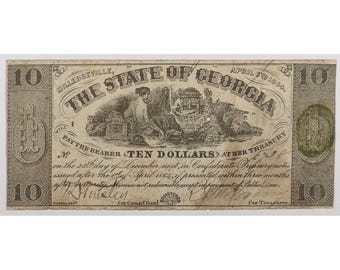
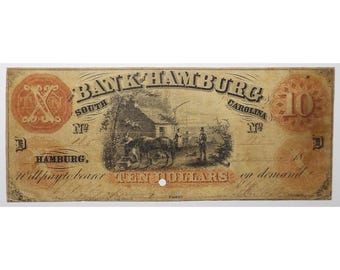
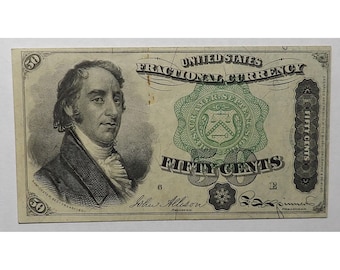
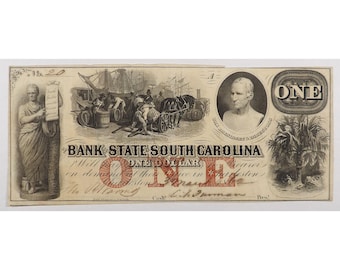
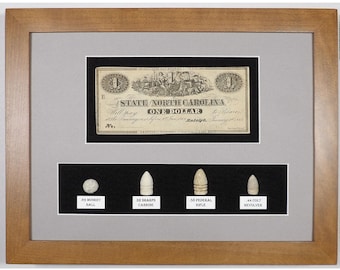
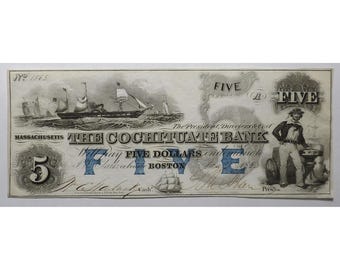
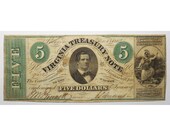
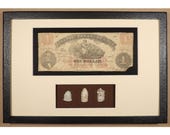
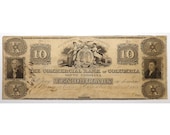
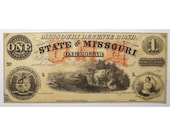
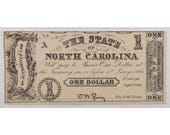
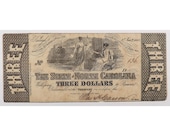
The Framing of Currency and Artifacts
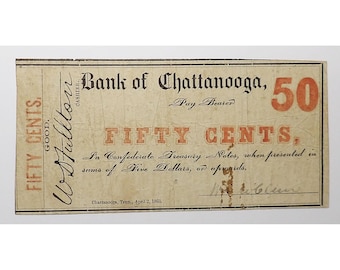
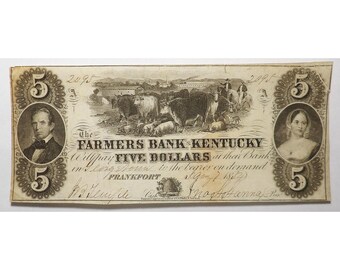
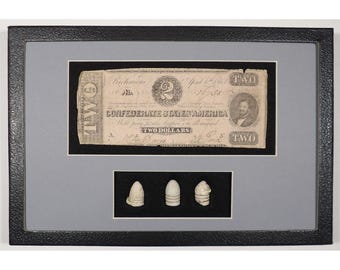
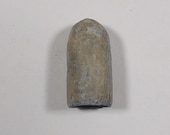
We use premium grade solid American Walnut, Cherry, Red Oak and Poplar in making our frame molding. Poplar is used with our milk paint frame; the other hardwoods have a light stain and two coats of polyurethane. They are ready to hang with the wire recessed which allows the frame to rest against the wall as in a museum mount. All sizes listed are glass size. The currency we frame has light batting under black felt. We press the shape of the bullets into one inch hard foam to which we glue black felt. After the glue has dried we slit the felt and place in the bullets. The artifacts and currency are held in by pressure, we do not glue them.
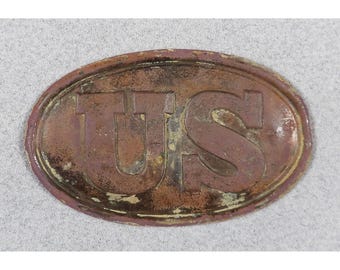
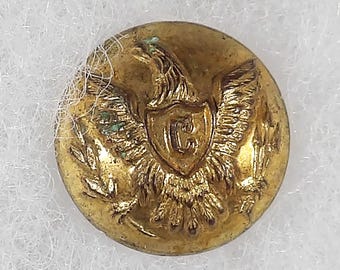
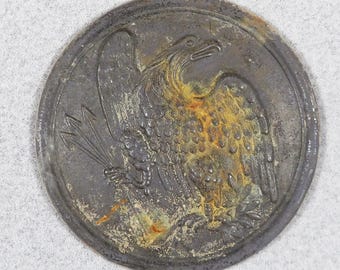
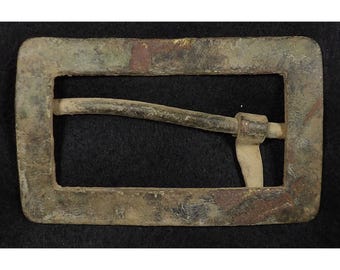
Back in the late 1890’s my grandfather, as a boy, would sell newspapers on the train that ran from Relay, Maryland to Gettysburg. Having sold his papers, he would get off the train and wander the battlefield with empty cigar boxes and pick up relics from the fields around town. Before the invention of metal detectors that type relic hunting was called “eyeballing”, generally after the farmers had freshly plowed their fields bringing artifacts to the surface. In later life he would bring my father along to both Gettysburg and Antietam to do the same. The battlefields in Virginia were at that time mostly wooded and the artifacts buried. My father continued to walk the battlefields and when old enough to walk, I would go along. That was back in the mid 1950’s before we had a metal detector. In 1960 my father and I started relic hunting the Wilderness Battlefield with a home made metal detector. Over the years we hunted private land with the owner’s permission on all of the major battlefields around Fredericksburg. Along with belt buckles, bayonets and complete artillery shells smaller artifacts were found by the hundreds. After 100 years the cloth, leather and wood had disintegrated leaving just the brass, lead and iron relics. I lost my father years ago but my wife Karen and I still relic hunt as time permits. The battlefields have been hunted out or developed years ago; we now hunt the camps around Stafford County, home to the “Army of the Potomac” during the 1862 - 1863 winter months.
The following article from “Military Explorations – Journal of the National Artifact Hunters Association” from “June of 1987”describes our experience and knowledge of Civil War artifacts.
“In The Field – The Bruns”
“Hunting the Wilderness and Chancellorsville Battlefields from the early 1960’s to the present, James E. and James E., Jr. (Jim and Jimmy) Bruns are among the most successful relic hunters in Northern Virginia. Their research into the Civil War, together with their finds has made them experts on these major battles as well as the major campaigns throughout Virginia.
They share many happy experiences from these early days of hunting. Jimmy remembers finding a hillside having small piles of fired bullets containing 50 to 75 in each pile. He believes these were salvaged immediately following the battle by Confederate soldiers who were forced to retreat and left them behind. He also remembers digging a number of 3-ring bullets from around an odd shaped tree late one evening, and when later cleaning these at home, found they contained a “US” in the base of the cavity. Repeated efforts to relocate this tree were unsuccessful.
Jim recalls that at one location in the Wilderness where they entered the woods, their detectors would indicate the presence of metal near a large stump – however, they would never find anything. After five or six times experiencing this unusual occurrence, they carefully investigated and down inside the hollow of the stump was a Schenkle shell which struck the tree during the battle and then fallen down inside after the tree had died and decayed. The Wilderness has also proven excellent for finding bullets. Jim estimates they have dug over 5,000 there during the past years.
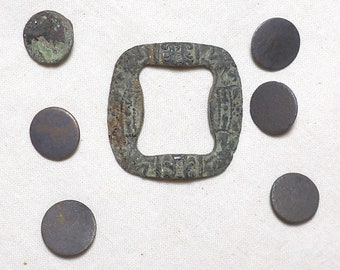
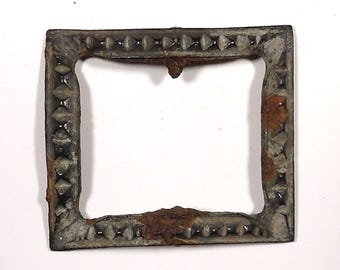
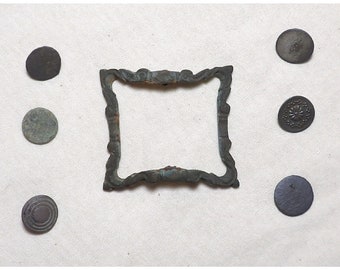
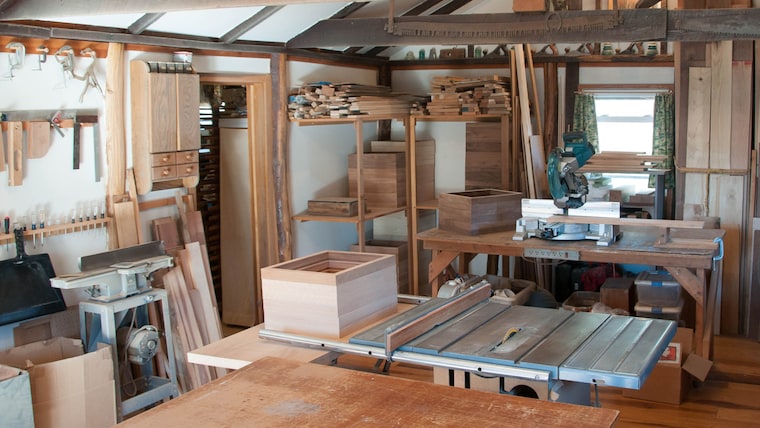
Jimmy is a well known antique dealer in Northern Virginia, and has handcrafted display cases to house relic collections throughout the east coast. Among his recent relic finds are a square Federal cavalry buckle and a “SNY” buckle dug within six feet of each other near Kelly’s Ford, Virginia. “By Tom Evans”
