










Made by a workplace mediator. Designed for hard conversations, repair, and the moments we want to listen better.
When I was fourteen, a fight was arranged for me after school. I didn't want to go. I also didn't want to be called a coward. The hours between that moment and the final bell were the longest of my young life, and the walk home across the cricket field, with boys jeering behind me, was longer still. I had no words for what I was feeling. Only that something in my body was on fire, and I wanted it to stop.
I forgot about that afternoon for nearly forty years. It surfaced one morning in 2014, when I was writing a book and asking myself why I had become a mediator. There it was. The boy on the field, looking for a language he didn't have.
Everything I make in this shop traces back to that search.
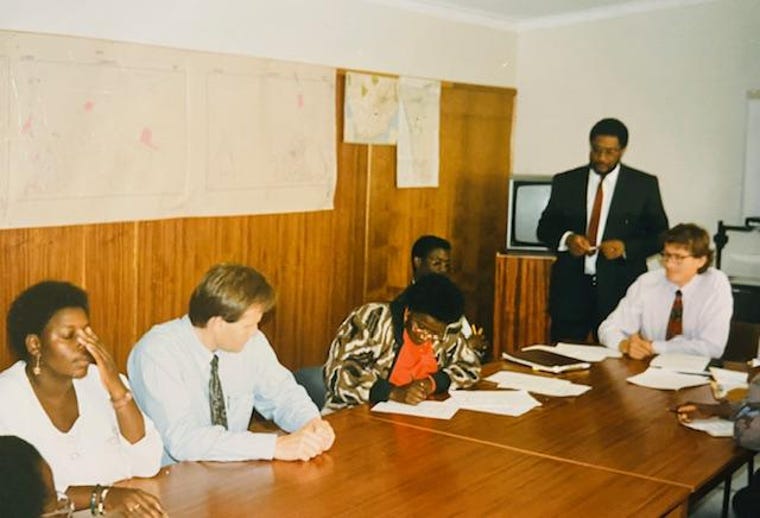
After law school in South Africa, I moved to Namibia and, almost by accident, started mediating. A divorcing couple came in wanting things to stay civil, and I knew that if I sent them to separate lawyers it would not. So I asked them to come back together. We sat across from each other and worked it out. I didn't have a name for what I was doing yet, but I knew it was what I wanted to do for the rest of my life.
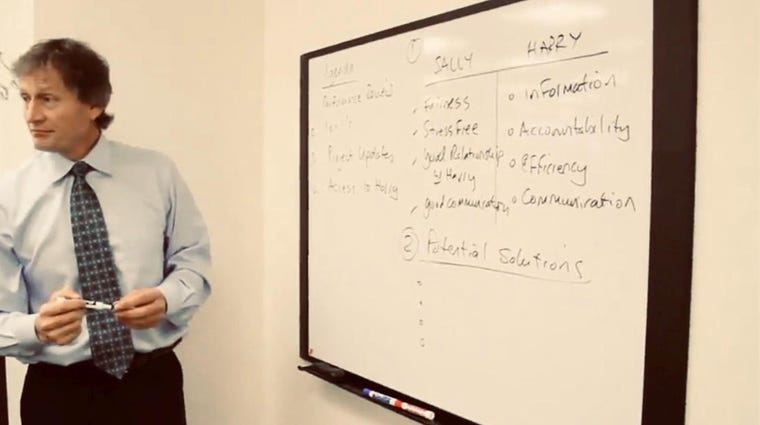
Three decades on, I have mediated everything from postal service grievances to Fortune 500 legal departments to school district finance teams. And for years, I kept hitting the same wall. Emotions would surge in the room. People who walked in with the best intentions would shut down or lash out. I could feel my own stomach clench. I had the instinct but not the instrument.
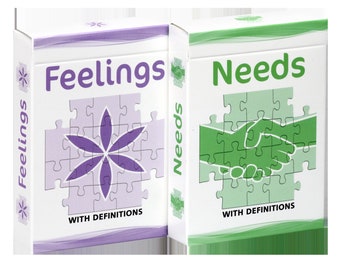
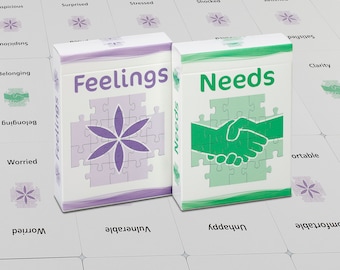
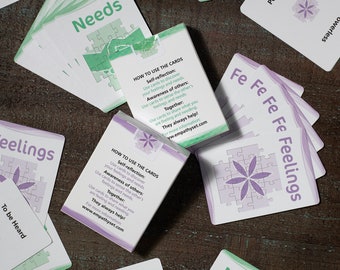
The instrument arrived in 2014, at a retreat at Mount Madonna in California. My colleague John Kinyon was teaching from Marshall Rosenberg's Nonviolent Communication. He showed me a small deck of cards, some printed with feelings, others with needs. Something settled in my chest before my mind caught up. This was the language I had been looking for since I was fourteen.
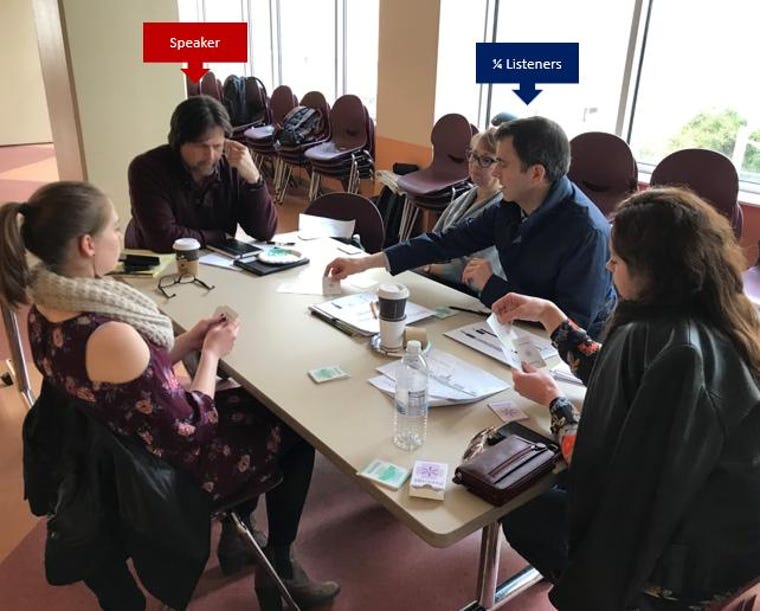
A few weeks later, I tried the cards in a customer service training. The pulling of teeth was over. People could finally name what they felt. Then a school district mediation. Then a Fortune 500 legal department, where the general counsel pointed quietly to one card and said, "this, I feel this." The cards did what I had not been able to do alone.
I have used them in every mediation since.
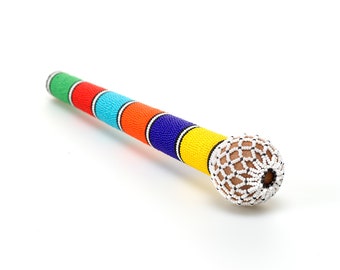
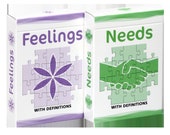
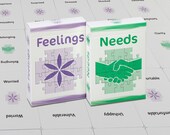
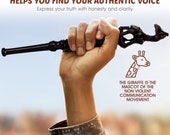
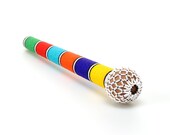
Out of that practice grew The Empathy Set, my own deck refined over years of use in real rooms with real people in real distress. It is not a clever product. It is the tool I needed and could not find. It exists to help people slow down enough to notice what is going on inside them, name it, and offer it to someone else. The talking sticks honor an old practice of holding space so that one voice at a time can be truly heard. Everything in this shop is here because I have used it, taught with it, or watched it change a conversation.
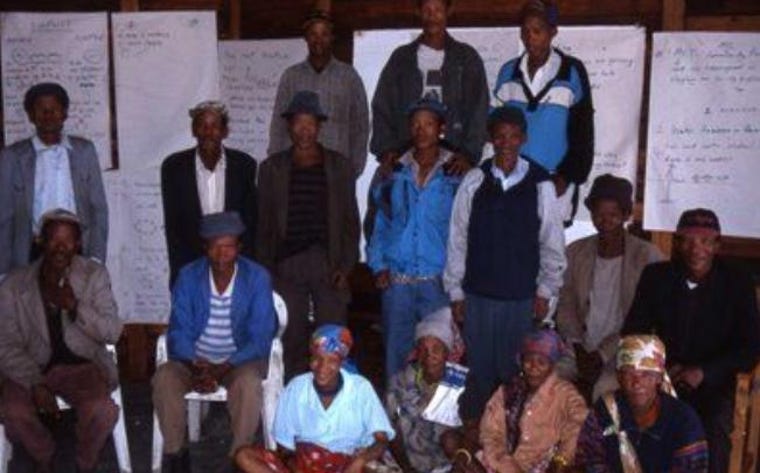
A few words about where I come from, since people sometimes ask. I grew up in South Africa, studied law at the University of Cape Town, and practiced in Namibia for eight years, where I had the privilege of representing Ju/'hoansi San communities and chairing the Nyae Nyae Development Foundation. That time shaped my values deeply and gave me the tracking metaphor that runs through my forthcoming book, Tracking Triggers, due out in 2026. I now teach negotiation and dispute resolution at UC Law San Francisco's Center for Negotiation and Dispute Resolution and train HR professionals and leaders in workplaces around the world.
If you have found your way here, you probably care about the same things I do. You want your relationships to be a little more honest, your hard conversations a little less hard. These tools will not do the work for you. Nothing can. But they will keep you company while you do it.
Thank you for being here. I make these things slowly, and with care, in the hope that they will be useful to you for a long time.
Warmly,
John Ford
