
La magia del fieltro de lana
The Magic of Wool Felt
Me esfuerzo continuamente por ver el mundo a través de los ojos de un niño. Es esa magia, esa curiosidad insaciable que usan para ver experiencias y objetos comunes y cotidianos. Es su atención al detalle. Se dan cuenta de todo. "¿Por qué su suéter tiene patrones de 2 partes, Sra. Dirks?"
Trabajar con niños de 5 y 6 años durante más de 38 años me enseñó a examinar realmente las cosas. Su color, textura, patrón, diseño: todos contribuyen a la experiencia general.
Trabajar con niños me enseñó la importancia de las tradiciones. Ya sea decorando el árbol o colgando nuestras medias de papel hechas junto a la chimenea, ¡la emoción era palpable! ¡Fue mágico!
La Navidad siempre fue mi fiesta favorita. A pesar de que mi familia era pobre, siempre había regalos debajo del árbol. ¿No estoy seguro de cómo sucedió eso? Pero fue mi Navidad de 5 años la que más recuerdo. ¡Me desperté la mañana de Navidad para encontrar una máquina de coser Singer del tamaño de un niño debajo del árbol! ¡¡Uno que realmente cosió!! ¡A partir de ese momento me enganché! Pero fue en mi clase de sastrería para adultos donde se me demostró la magia de la lana. Cuando las fibras de lana escamadas se exponen al calor, la humedad y la fricción (o agitación), se abren y comienzan a entrelazarse. Cuanto más agitas, más se unen. Luego, si se exponen inmediatamente al agua fría, se cierran y se unen entre sí, creando una tela que es duradera, moldeable, flexible, cálida, resistente al fuego y absorbente; uno que se puede cortar sin deslumbramiento. Se convierten en lana de fieltro. Lana que puede ser expuesta nuevamente al calor (con una plancha de vapor) y remodelada y formada para obtener la forma y el efecto exactos deseados.
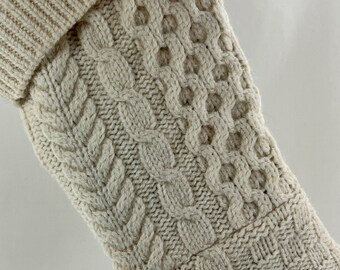
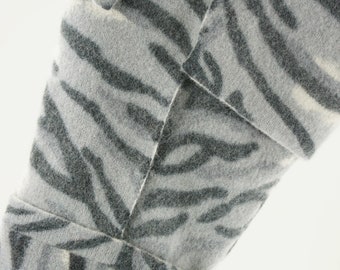
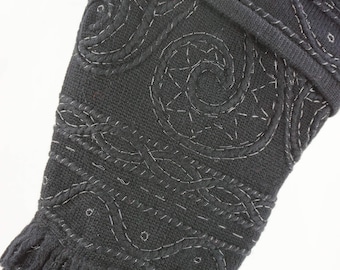
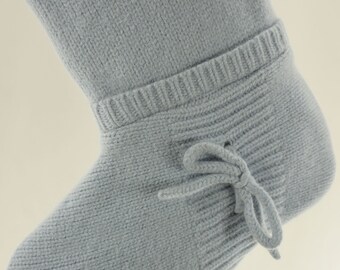
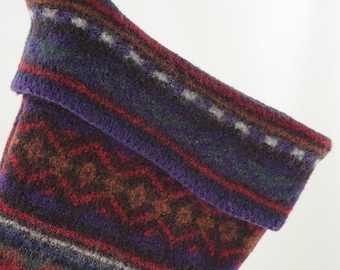
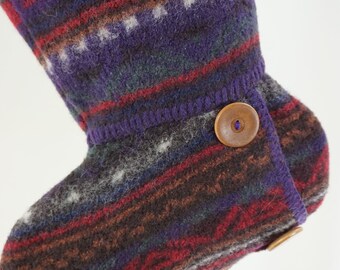
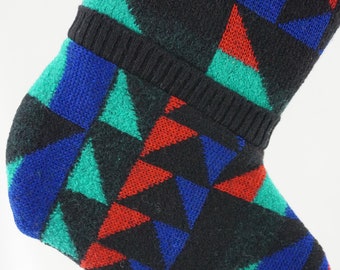
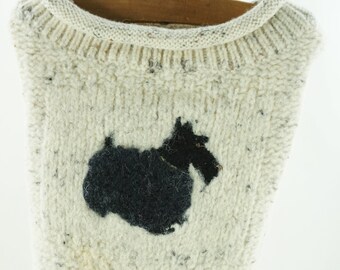
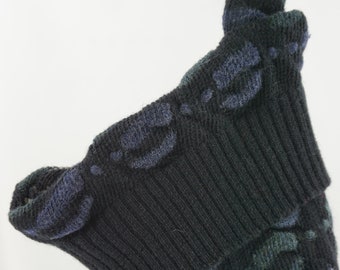
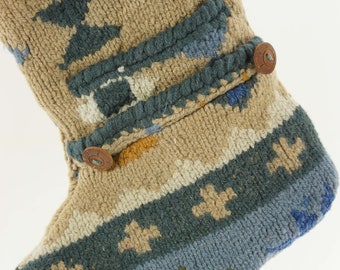
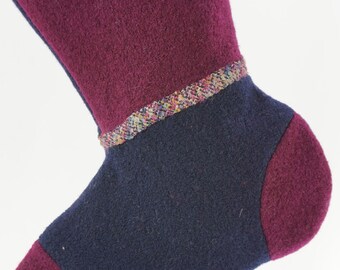
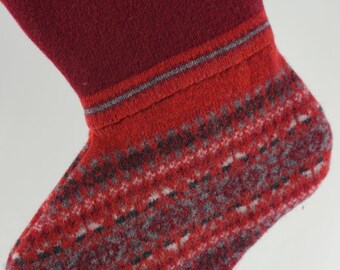
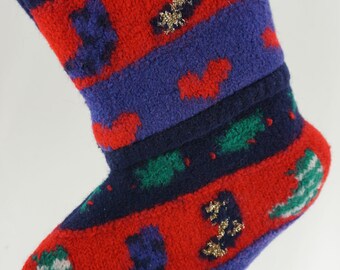
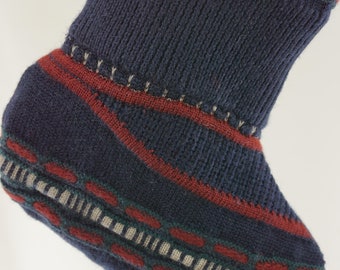
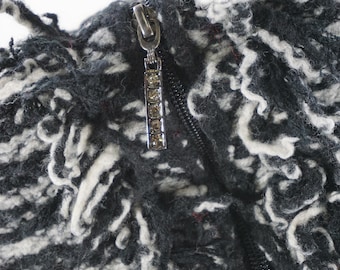
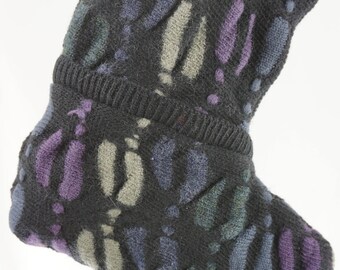
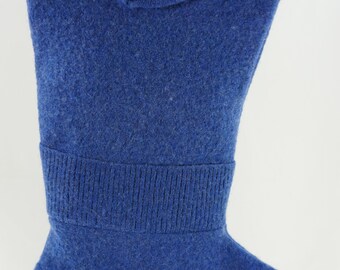
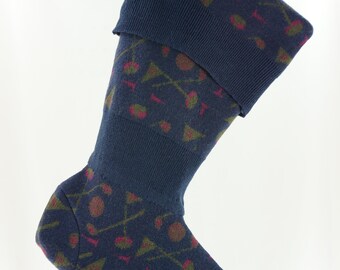
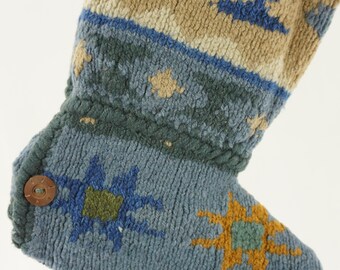
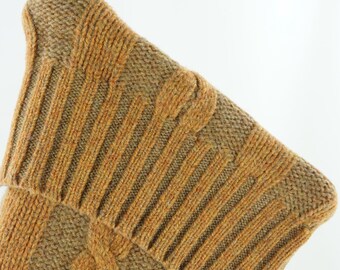
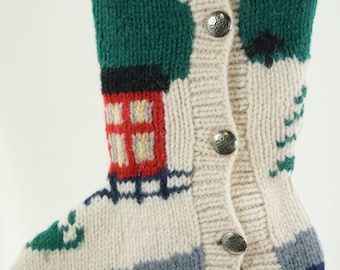
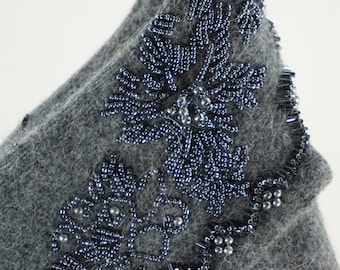
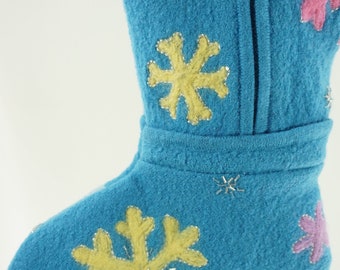
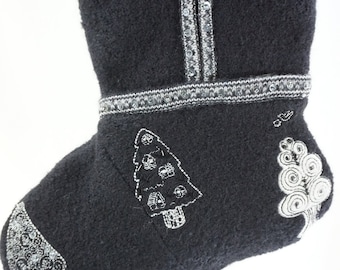
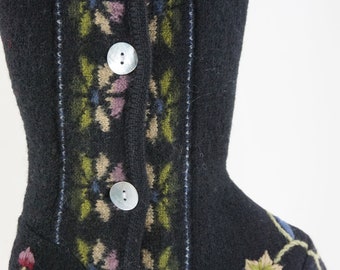
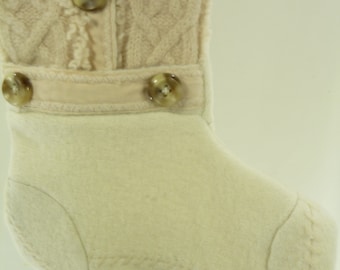
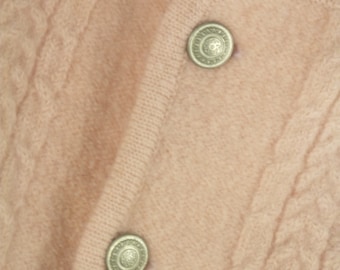
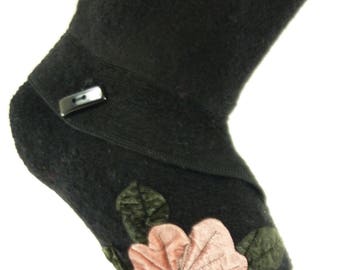
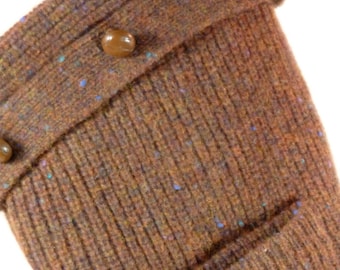
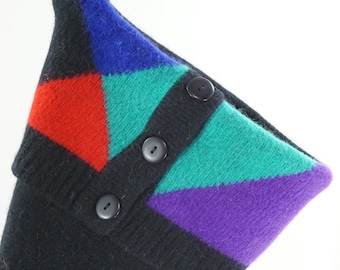
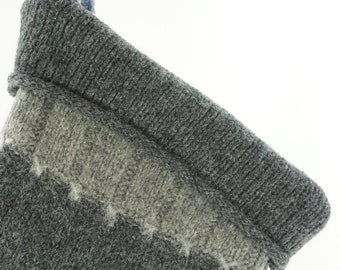
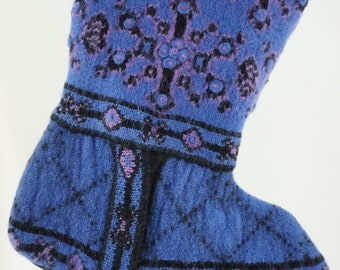
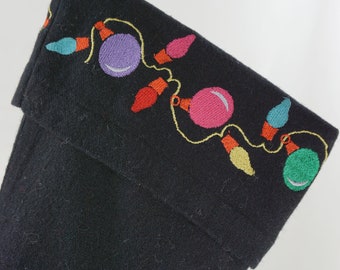
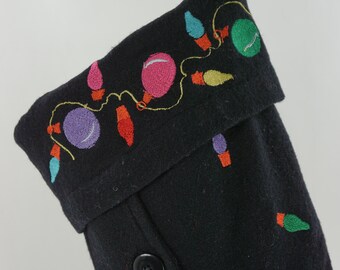
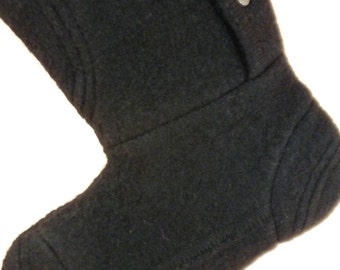
La lana en cualquier forma, ya sea hilo, lana, tela o prenda de vestir se puede sentir. Y, dependiendo del tipo de lana, el tipo de oveja de la que proviene y cómo se hiló en hilo, se convierte en tela de diferentes densidades y texturas. Muchos incluso se vuelven de 3 dimensiones. Los suéteres de lana son mi tela y los suéteres de lana de fieltro son mi medio. Incorporando las características únicas del suéter original (incluyendo bolsillos, cremalleras, apliques, bordados, etc.) Puedo crear medias que tengan el mismo estilo que el suéter, cada una de un tipo que se puede usar para celebrar regalos tradicionales o rellenar con decoraciones para exhibición de temporada. Luego pueden transmitirse, de generación en generación, a menudo convirtiéndose en reliquias familiares preciadas.
I continually strive to see the world through the eyes of a child. It’s that magic – that unquenchable curiosity they use to view common, everyday experiences and objects. It’s their attention to detail. They notice everything. “Why does your sweater have 2 part patterns on it, Mrs. Dirks?”
Working with 5 and 6 year olds for 38+ years taught me to really examine things. Their color, texture, pattern, design – they all contribute to the overall experience.
Working with children taught me the importance of traditions. Whether decorating the tree or hanging our paper made stockings by the fireplace, they’re excitement was palpable! It was magical!
Christmas was always my favorite holiday. Even though my family was poor, there were always presents under the tree. I’m not sure how that happened? But it was my 5-year-old Christmas that I remember most of all. I awoke Christmas morning to find a child’s size Singer sewing machine under the tree! One that really sewed!! From that moment on I was hooked! But it was in my adult tailoring class that the magic of wool was demonstrated to me. When the scaled wool fibers are exposed to heat, moisture and friction (or agitation), they open up and begin to intertwine. The more you agitate, the more they bind together. Then if they are immediately exposed to cold water, they close and bind to each other, creating a fabric that is durable, shapeable, supple, warm, fire resistant and absorbent; one that can be cut without raveling. They become felted wool. Wool that can again be exposed to heat (with a steam iron) and reshaped and formed to get the exact desired shape and effect.
Wool in any form, be it yarn, wool batt, fabric or garment can be felted. And, depending on the type of wool, the type of sheep that it came from, and how it was spun into yarn, becomes fabric of different densities and textures. Many even become 3 dimensional. Wool sweaters are my fabric and felted wool sweaters are my medium. By incorporating the unique features of the original sweater (including pockets, zippers, appliqué, embroidery, etc.) I can create stockings that have the same style as the sweater, each one of a kind that can be used for holding traditional gifts or stuffed with decorations for seasonal display. They can then be passed down, from generation to generation, often becoming treasured family heirlooms.