
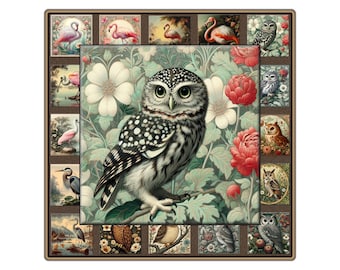
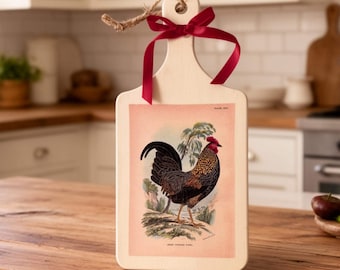
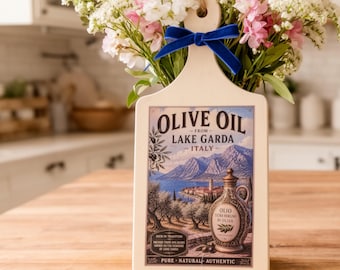
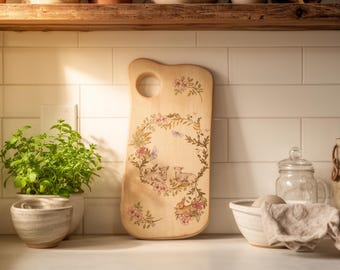


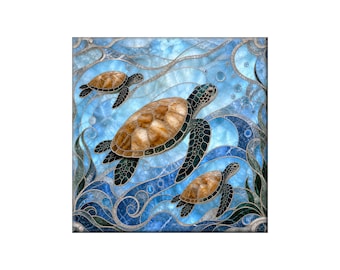
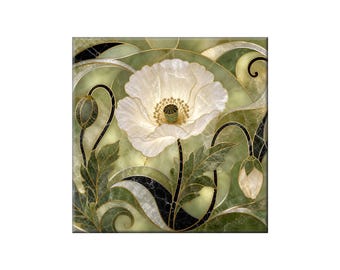
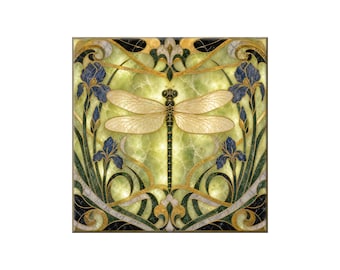
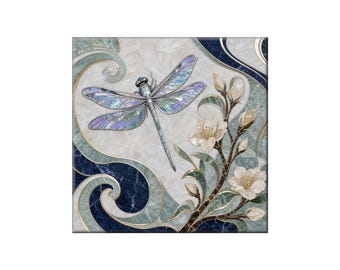
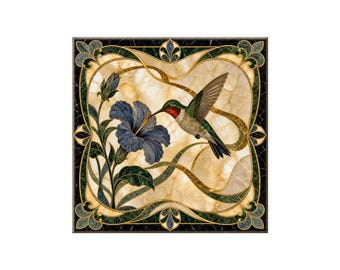
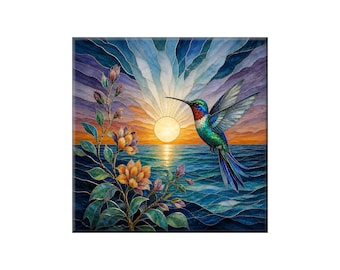
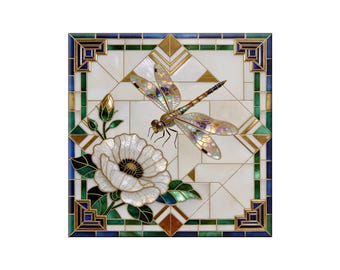
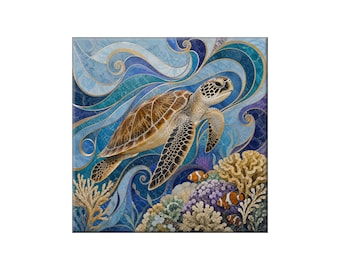
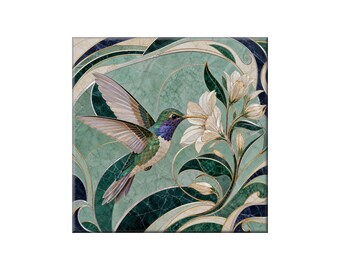
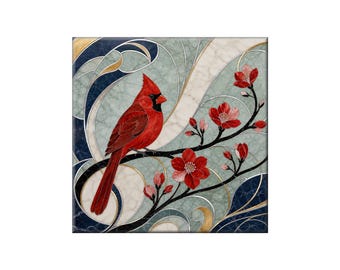
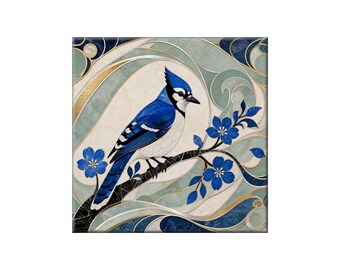






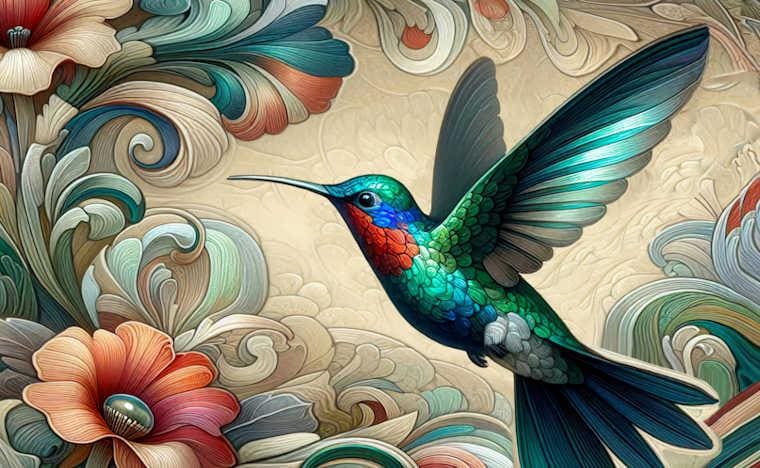
Graphic Arts and The Dye Sublimation Process
What is a Graphic Artist?
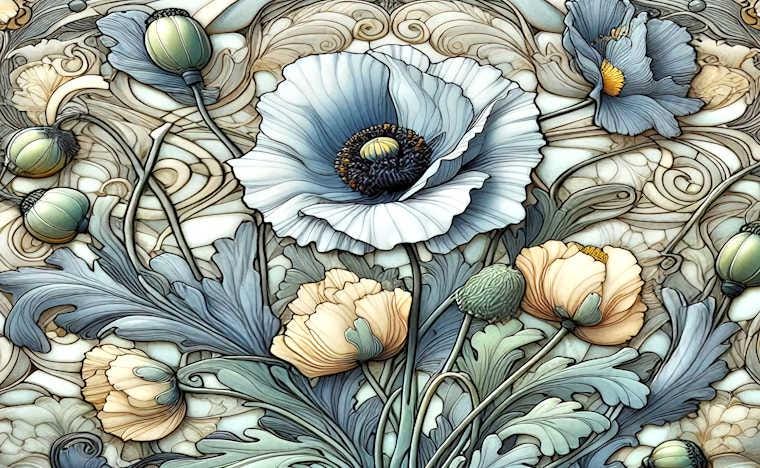
A "Graphic Artist" is an artist that uses a computer to create. A digital pen is the brush; a monitor is the canvas. We differ from conventional artists only by the tools we use to create.
There is a common belief that creating art with a computer requires less skill than the artist that uses a brush. I cannot completely disagree. Computer graphics seem so easy to me, while painting with a brush makes me feel wholly inadequate. I am not terrible with a brush, but I freely admit that some of my canvases are laughable. Whenever I start to doubt my worth as an artist, I must only think back to the time I tried to teach a talented artist friend how to use photoshop. It was not pretty.
Along comes Artificial Intelligence
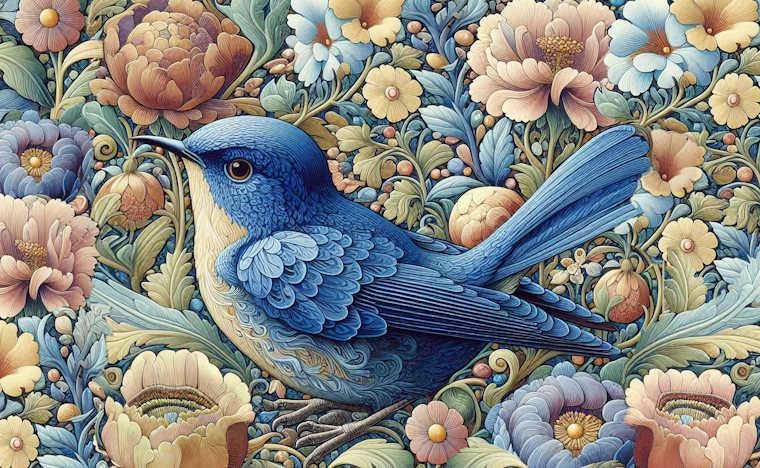
There is no profession more effected by AI than is the world of Digital Art. What used to take weeks to create, can now be done in seconds, and it does not require a lot of skill. As a person who makes a living in the field, I must say that I am terrified about my ability to compete in this new world.
Etsy’s Rules for AI
I am delighted that Etsy is requiring shop owners to state in their listings if they have used AI to create or enhance their products. I think the policy is well reasoned, and not too invasive to the creative process. To comply with the rules, I will tell you that I do use some AI tools when I work. All current CGI applications have built-in AI tools. For example, I use AI to upscale (make bigger) almost all my art. It is the most useful tool I have seen in nearly 30 years of doing this.
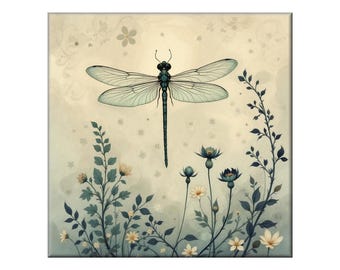
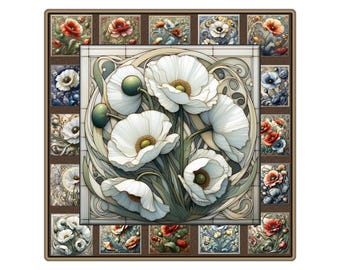
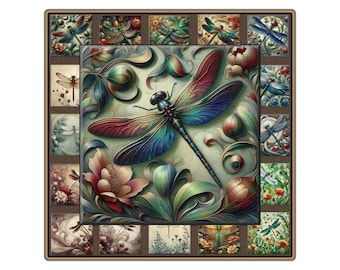
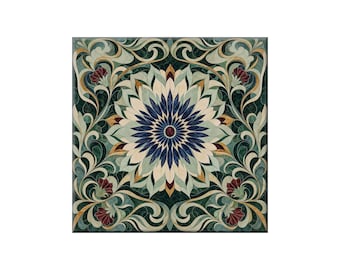
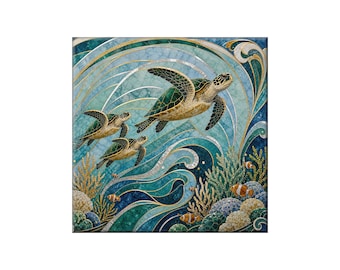
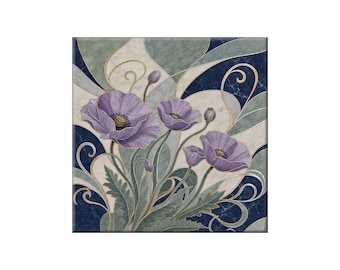
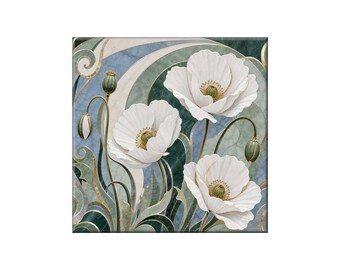
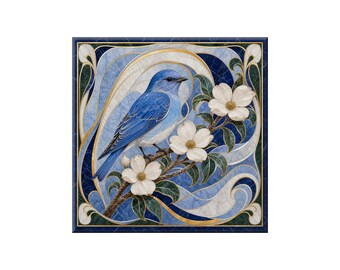
Thank you for reading this, and I hope you enjoy these tiles as much as I do. They are truly remarkable, even if I do say so myself.
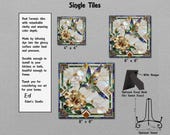
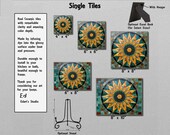
Sublimation Tiles: The perfect medium for digital art.
Converting digital graphics into physical art can be challenging. There are not many physical mediums that can bring both the color depth and clarity of the digital process to life like that of a good high definition computer monitor. Dye Sublimation is the answer I found, and wow…does it look great!
Dye Sublimation was a invented by a French researcher named Noel De Plasse in 1957. It is a method that changes a solid dye into gas using heat and pressure, which will infuse into certain materials. Unlike inks that are applied to the surface of an item, the dye actually becomes part of the material when it sublimates.
Ceramic tiles provide phenomenal surface for sublimation. The hard, smooth surface of a tile is perfect for displaying a highly detailed image in colors that are unmatched by all but the most expensive sublimation surfaces, and far superior to other mediums such as canvas and paper.
Comparing Sublimation Tiles to Standard Tiles.
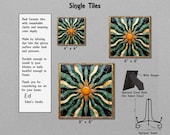
A sublimation tile is nothing more than a standard white subway tile with a special coating that allows the dye to bond to the tile. The dye is printed onto a special high-quality paper using an inkjet printer that is designed to handle dye. The paper is mounted to the tile and baked at around 400 degrees Fahrenheit for around 6 minutes under about 20 pounds of pressure. It is a simple process, even if it is a bit time consuming and tricky to get right.
The beauty of this medium is that it absorbs a substantial amount of dye in an exceptionally precise manner. It is hard to find any other process that will produce the same quality as sublimation.
Sublimation tiles differ from standard ceramic wall tiles in that they are prone to surface scratches due to the coating. Surface scratches are nearly transparent marks in the coating that can only be seen at certain angles. Like any tile, a deep scratch can damage the image, but surface scratches are only in the coating. A few surface scratches on a large mural will never be noticed, but you should take care to keep them as free of scratches as possible.
What this means is that you should avoid abrasive cleaners like Comet and steel wool. Use soap and water or any mild cleanser to clean these tiles.
The good news is that the problem of surface scratches can be solved by sealing your tiles. I send information about sealing them with each order, but it is very simple. Just spray on a coat or two from a spray can found at any hardware store and you are done.
Also, the images can fade if exposed to direct sunlight. If you intend to use them outside, make sure they are in a covered area that does not get any sun exposure. There is a spray for UV resistance that helps if you are determined to use them outside.
I field a lot of questions about using these tiles in wet areas. While it is technically not recommended, I have done it with no issues. Just make sure to seal them. And don't use them in a swimming pool!
Thanks for reading. Ed

