





Negative photography, a look into the soul
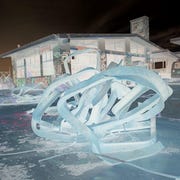
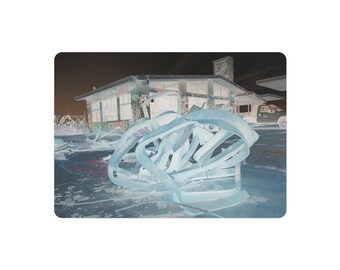
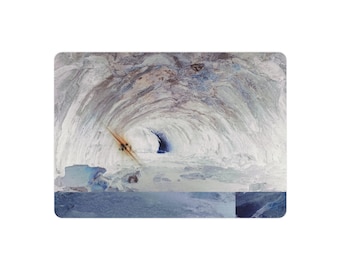
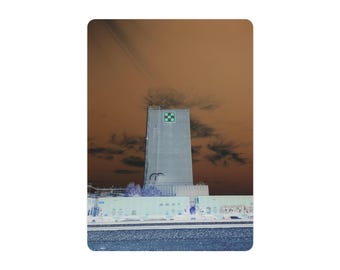
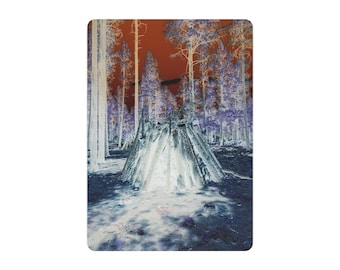
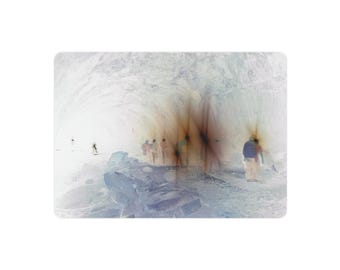
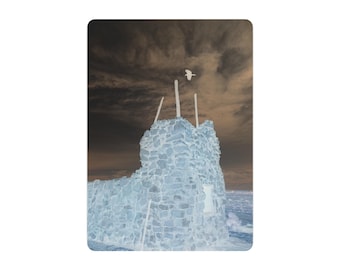
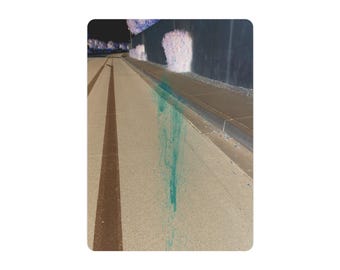
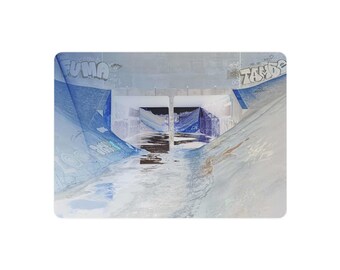
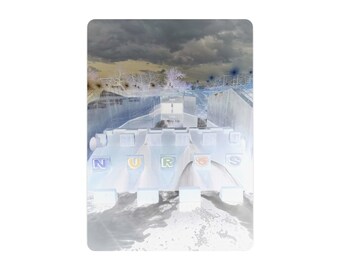
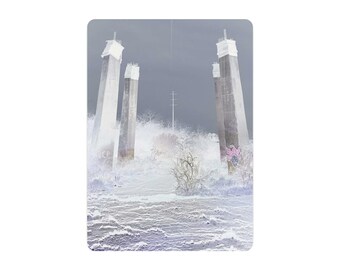
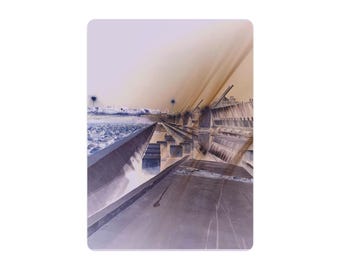
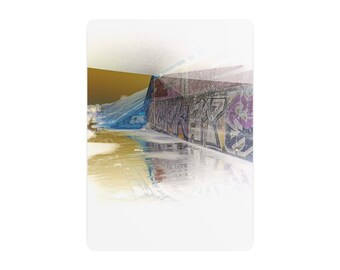
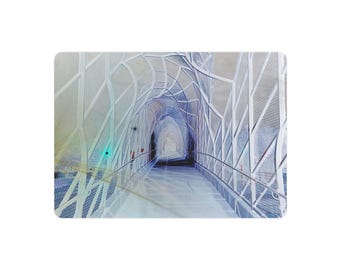
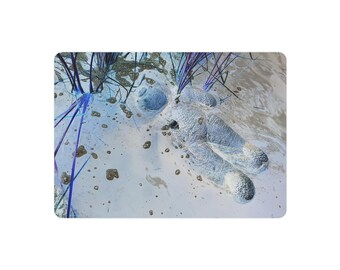
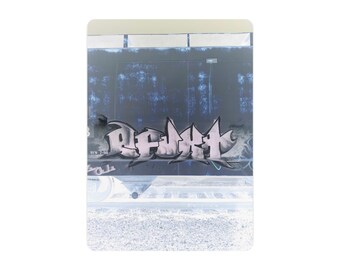
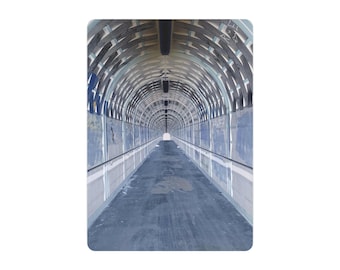
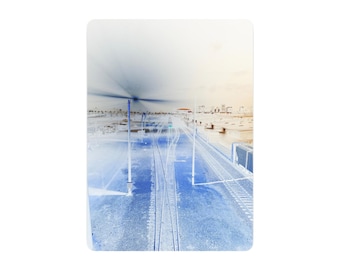
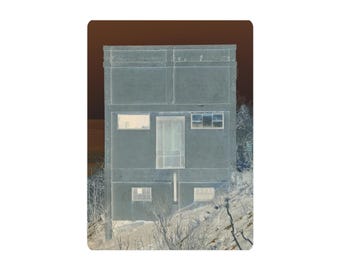
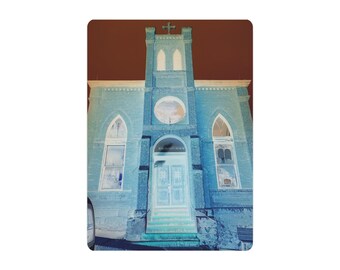
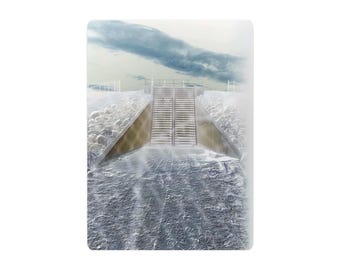
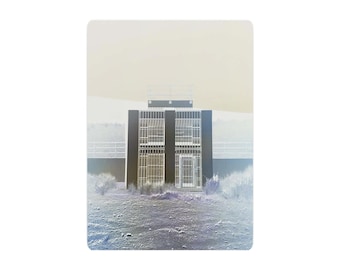
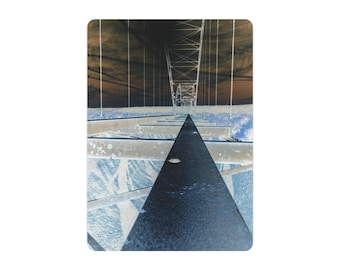
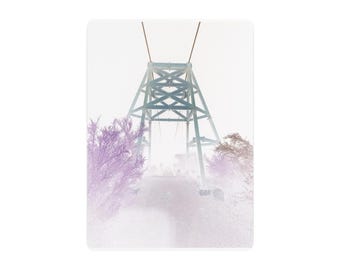
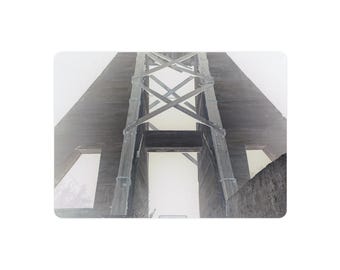
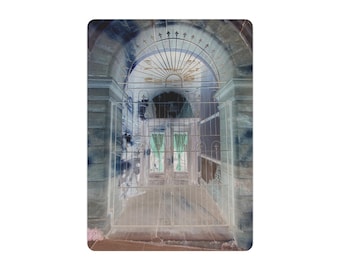
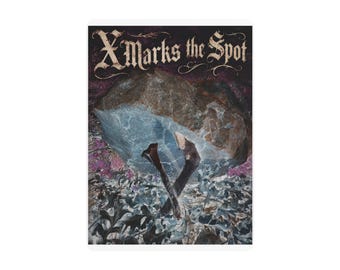
I am a photographer working primarily with negative imagery, drawn to the way inversion changes not just how a scene looks, but how it feels. In negative photography, light and shadow are reversed, familiar places become unfamiliar, and hidden details emerge that are often overlooked in standard viewing.
I experience the world in a way that feels similarly inverted at times. I’m autistic, and that shapes how I perceive patterns, contrast, emotion, and environment. I often notice what others miss, or feel deeply attuned to spaces that carry a sense of stillness, isolation, or intensity. Negative photography is the closest visual language I’ve found to describe that experience of perception.
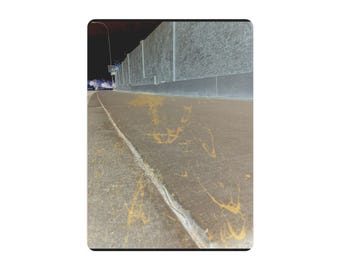
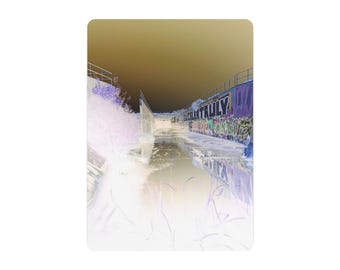
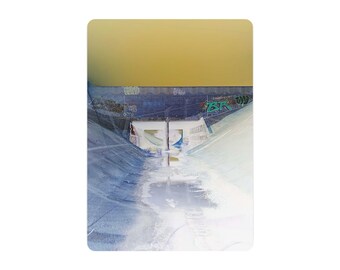
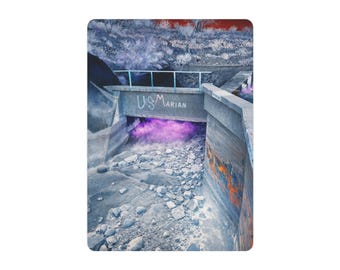
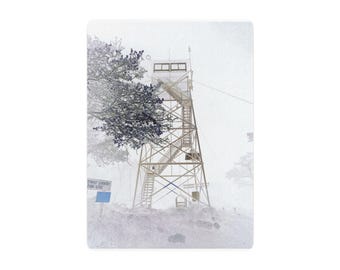
I am especially drawn to desolate or quiet environments, places that feel empty, weathered, or emotionally heavy. These spaces often reflect internal states of loneliness or introspection that are difficult to put into words but easier to translate through imagery. Rather than avoiding that feeling, I explore it through composition, contrast, and inversion.
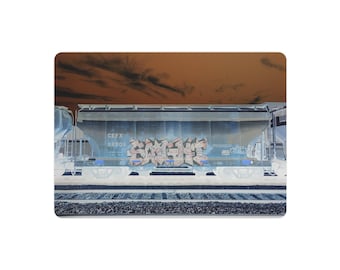
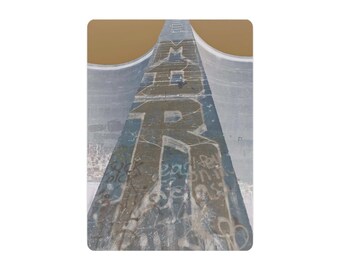
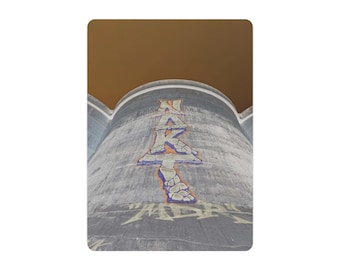
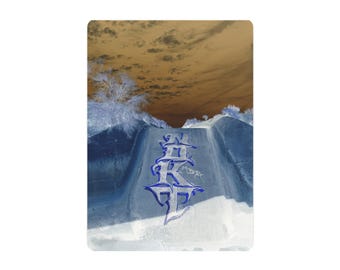
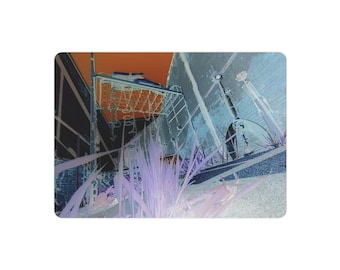
I also photograph graffiti and street markings, in part to preserve them as a form of temporary public art. These markings exist in a constant state of change, covered, erased, or weathered by time, and photographing them becomes a way of documenting expressions that might otherwise disappear. I’m interested in that tension between permanence and impermanence, visibility and erasure.
Through my work, I aim to present familiar environments in a way that feels slightly displaced, still recognizable, but altered. Negative imagery allows me to explore that space between what is seen and what is felt, between documentation and interpretation.
