






















Created by a Dog Parent, for Dog Parents — My Family's Journey to Practical Anxiety Solutions for Reactive, Fearful & Anxious Dogs
I grew up with Newfoundlands that were almost -too- well adjusted, so I never really had any experience with canine anxiety.
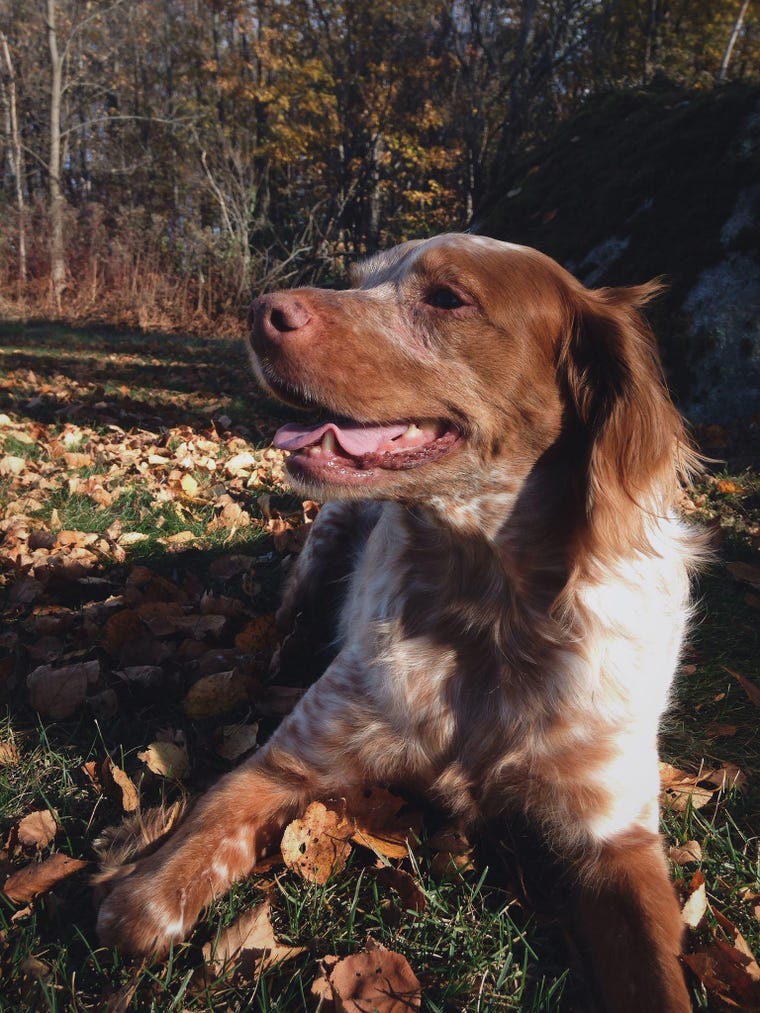
In 2015, my wife and I decided to adopt/rescue a seven year old Brittany named Roper from our local Humane Society. Mr. Roper was full of energy, but also full of love and he quickly bonded with us and adjusted to our home and routine. At the time, both of us were working jobs outside the home and while there was some overlap of schedules that allowed Roper to be home alone less than 8 hours each day, he hated it and we realized early on that something had to change because he was chewing on his metal crate trying to escape and was literally filing his teeth down to small nubs and we would regularly come home to blood spots on the cage, on the floor and on his fur.
Our solution at the time was to hire a dog sitter we already had used prior and that we (and Mr. Roper) were comfortable with. I used to joke that we could bring a complete stranger in off the street to sit with him and it would be good because all he wanted was to know that there was someone home with him.
In late 2016, I made the decision to start looking for a remote job I could do from home so that I could be with him all day and we could save on gas and pet sitter costs. I was fortunate to find a great fit in early 2017 and Mr. Roper spent most of his days sleeping at my feet under my work desk. It was the perfect solution at the time and we were lucky to find that option. We lost Mr. Roper in the fall of 2018 after his third bout of Pancreatitis. We miss him everyday.
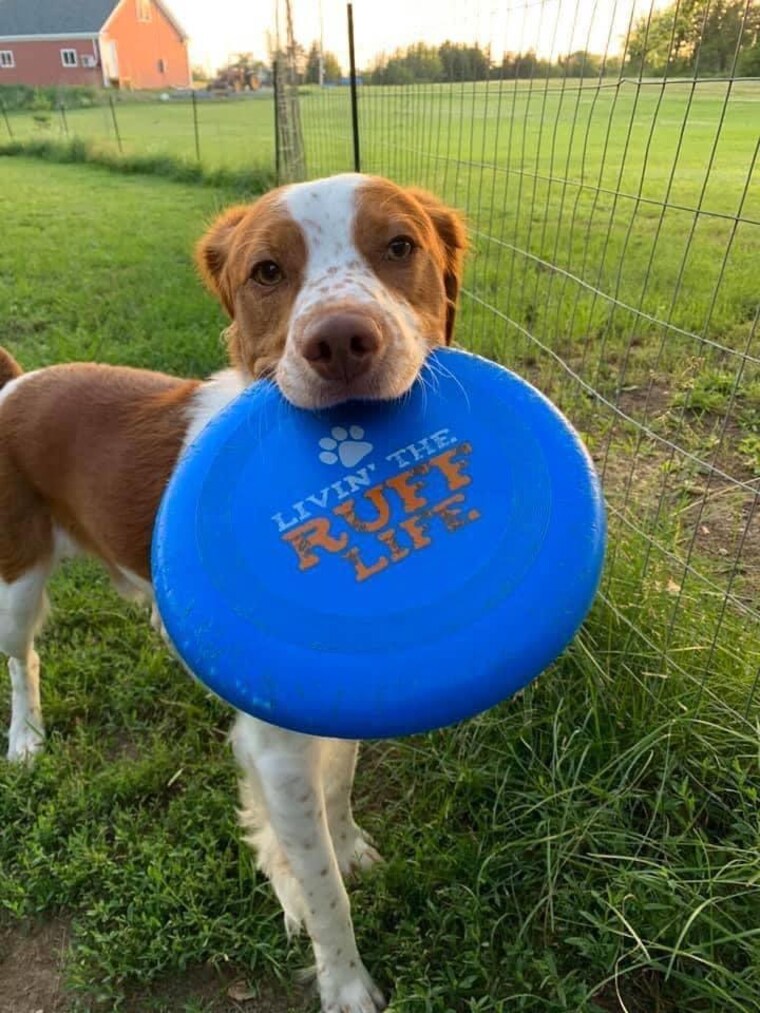
While he had initiated us into the world of canine separation anxiety, Mr. Roper also opened our eyes to the Brittany breed, so we purchased a puppy that fall from a local breeder and named him Indiana Bones. Indy was full of spunk and loved to bark and before we knew it, he was already a little punk in the best ways, but started showing obvious signs of anxiety that we just were not sure how to handle. Loud noises, anyone clipping their nails, fireworks, thunderstorms...all would lead him to either my wife's or my lap shaking uncontrollably. He was okay staying home alone, though that wasn't an issue with my new job, but the rest were all new behaviors we had not seen before.
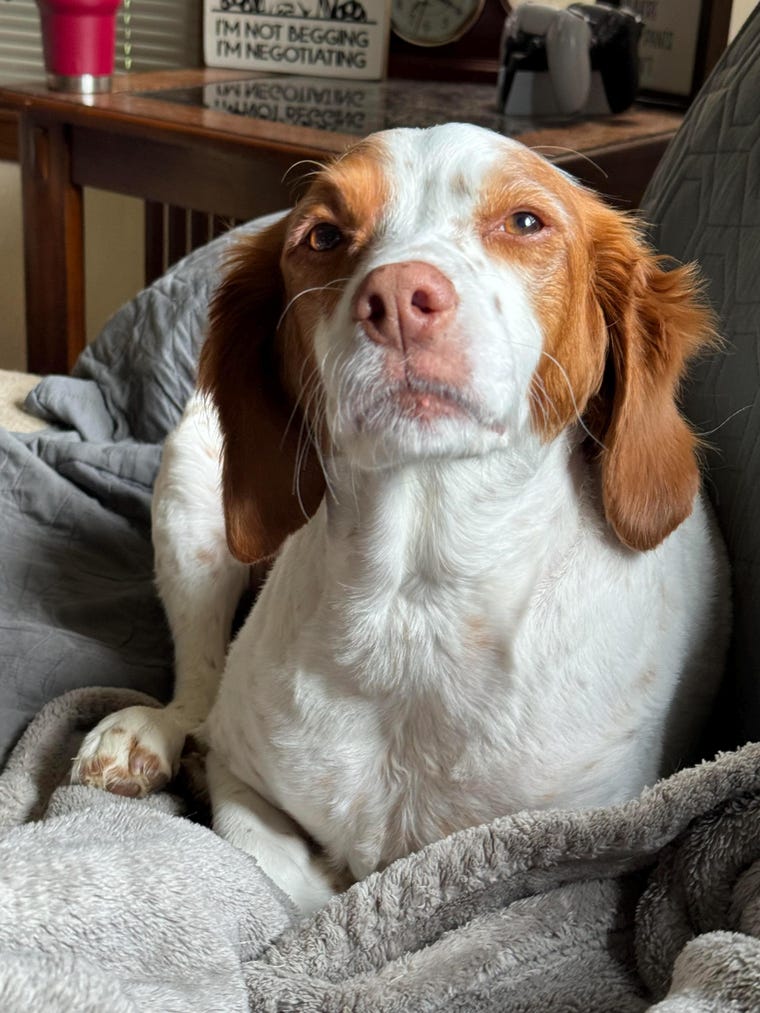
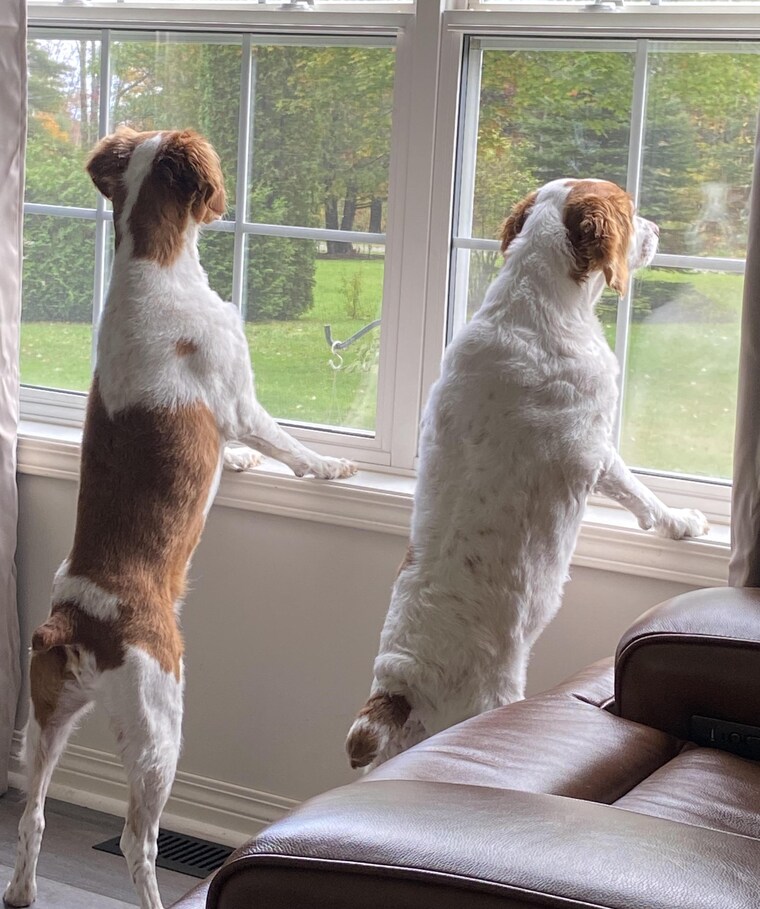
In 2019, we rescued our third Brittany, Hope. She has anxiety as well, but it manifests very differently than Indy. Where Indy's is loud and obvious, Hope's is more subtle, but you can see it in her eyes and certain behaviors, so now we had two. We've spent a lot of time trying different approaches, tracking behaviors and triggers, medications and physical aids, but while some have been useful, if I'm being honest, we continue that path today. It's about routines and consistency and it's always out of love.
I created My Anxious Dogs to help dog parents who are navigating the same challenges of canine anxiety, fear, and reactivity. Our dogs are our babies—every bit as much a part of our lives as our human family members—and we want them to feel safe, calm, and confident. The information in our separation anxiety trackers, reactive dog behavior logs, preparation checklists, and other printables isn't new—I'm not here to reinvent the wheel. What I've focused on is taking all the proven knowledge and techniques that are out there and organizing them into practical tools for specific purposes. Whether you're working through alone time training, preparing for fireworks or vet visits, tracking medications, or helping a fearful dog build confidence, these guides give you something meaningful and easy to follow to get the best results as quickly as possible.
Wishing you and your pup all the best on your anxiety journey—
— myanxiousdogs.com
