






Off-grid permaculture farm in an ecovillage
This part is about my family, not the animals.
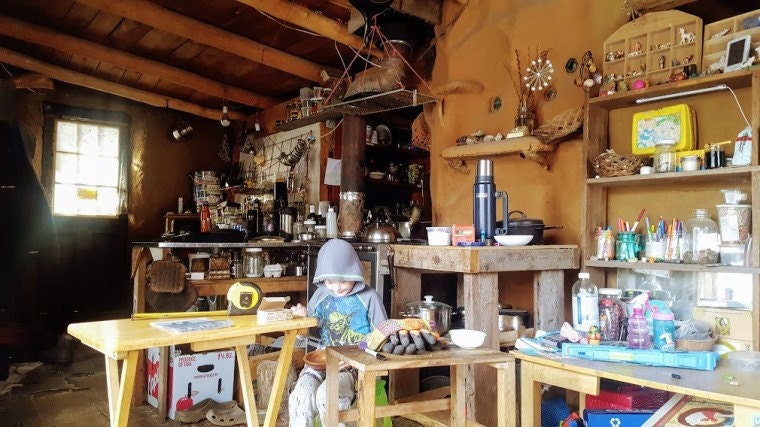
Our set-up is probably rather different than what many folks have experienced. I live with my partner Ben, daughter Althea, son Arthur, and our pets in a 400 sq ft strawbale home that we built with our hands in 2013. We eat in a kitchen co-op with 4-8 other folks and take turns preparing unprocessed foods from scratch, without propane. We haul county water for drinking and use rainwater catchment for the animals. We have a small solar panel that powers a light, charges our power tools, and plays music. Our goal is to provide the variety of animal products consumed by folks at Dancing Rabbit Ecovillage, but without needing to find markets for perishable goods outside of here. Our village is currently about 60 folks, most of whom eat a diet very low in animal products, so our scale is super small.
This part is about chickens.
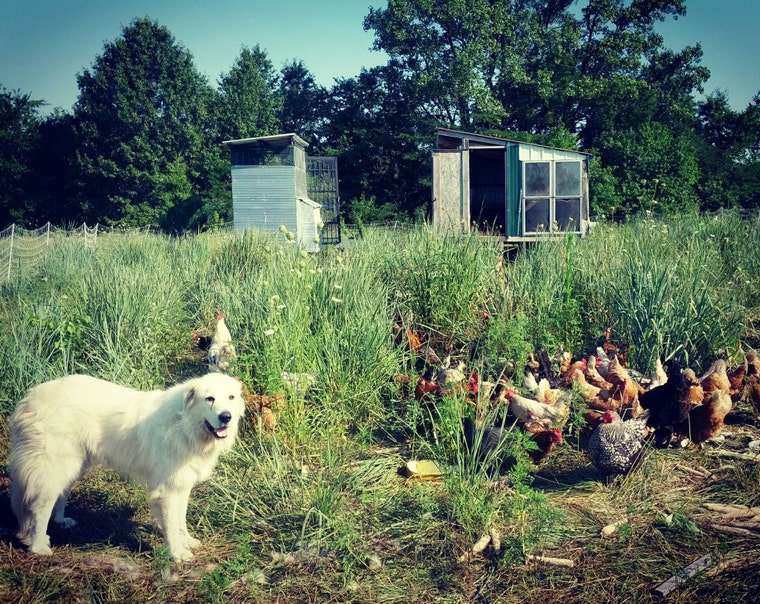
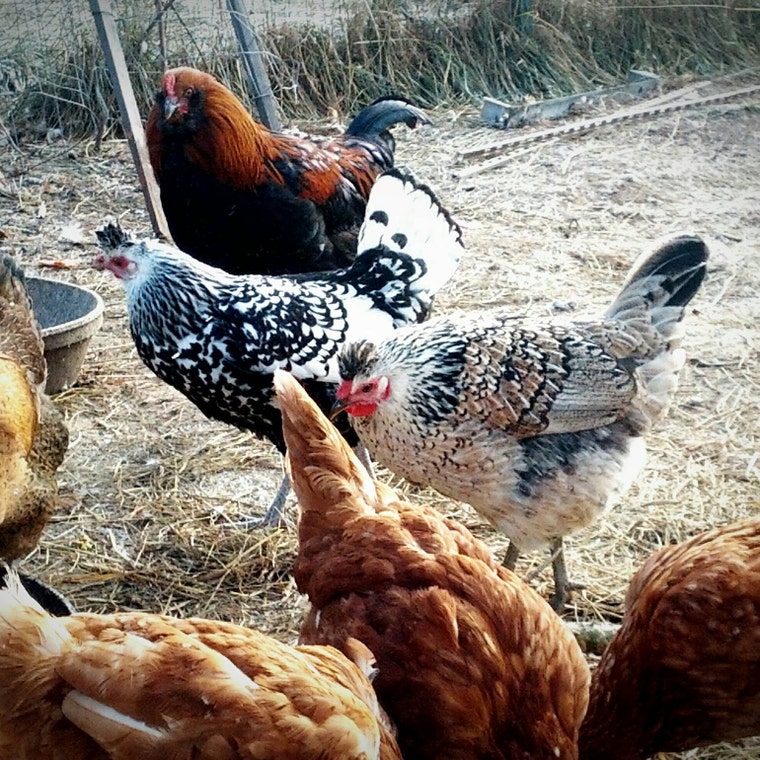
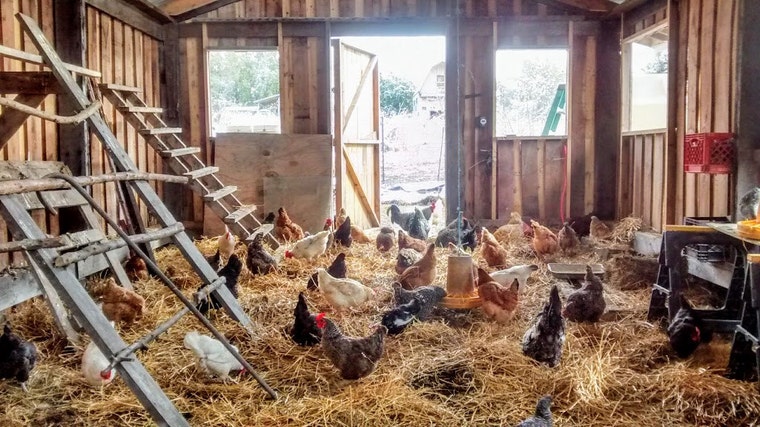
I have always worked with animals and my personal project is the chickens and other livestock, right now a small herd of Nubian dairy goats, a beautiful Jersey/Guernsey cow, and some KuneKune pigs. I am leasing an acre in the ag space here at Dancing Rabbit to create a poultry permaculture paradise. We have planted many different kinds of perennials and trees in the acre and I have it divided into paddocks, with one central barnyard in the middle. The goats rotationally graze elsewhere on the property for half the year of so, but the chickens I graze in the paddocks surrounding the central one. We also have a large mobile coop that we also haul around to let them forage in new places, clean up fruit in the community orchard, eat pests in the community gardens, and share their fertility.
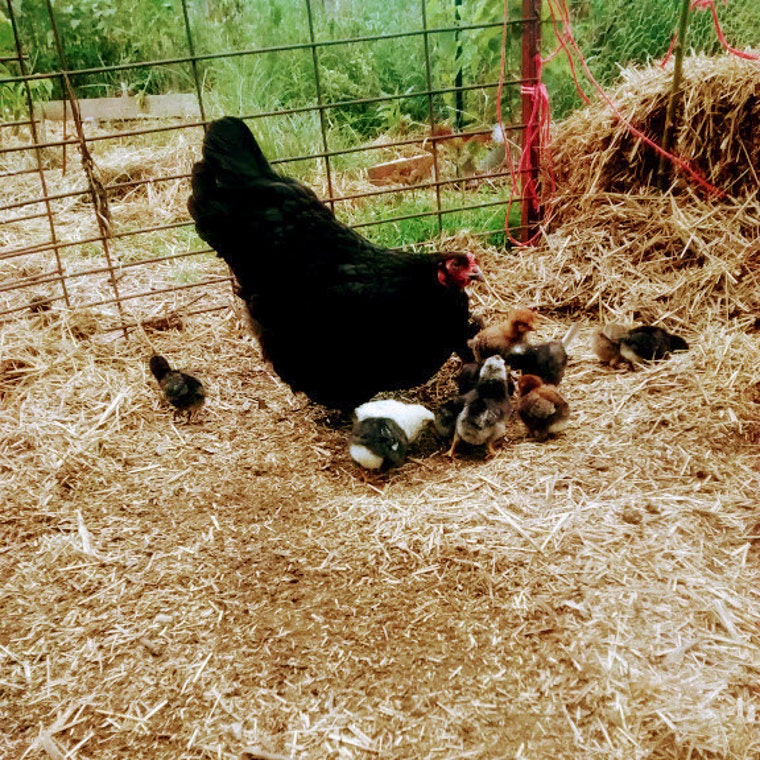
I order my birds from Sandhill Preservation Center. They are the most ethical source of chicks I have found so far, in that they don't kill their male chicks. Most all places that sell sexed chicks kill the male chicks by the hundreds or thousands. I'm raising chickens for eggs, I don't need 50% males either, but I don't think it is cool to have someone else do my dirty work for me. So we raise the males organically and free range and give them a good life and then, when they are 4-6 months old, we process them for meat. We generally kill about 50 roosters per year.
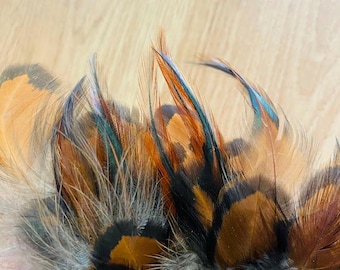
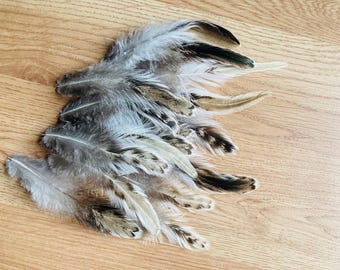
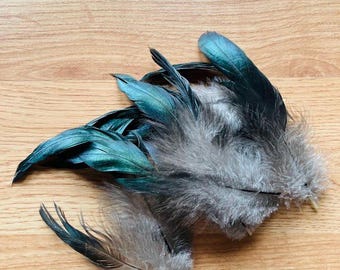
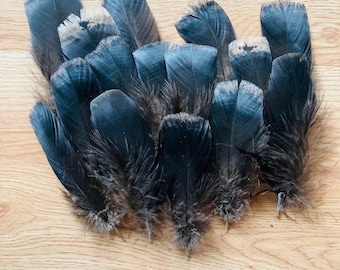
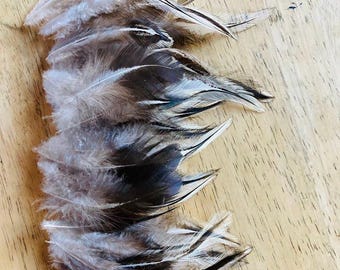
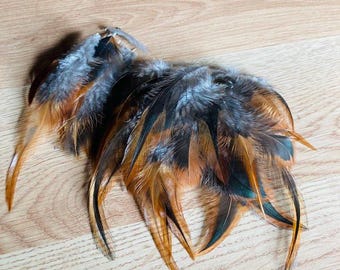
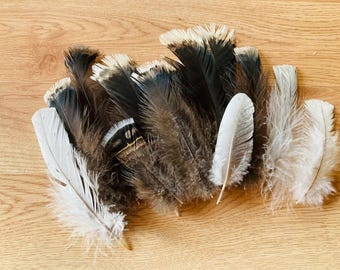
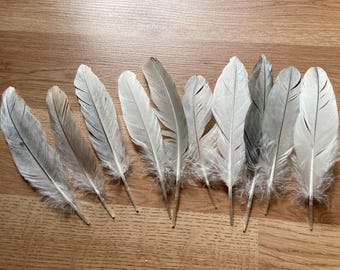
The thing about heritage breed chickens is that they are often dual purpose, which means that they do pretty good for both meat and egg production, but not excellent in either. There are very few breeds which can out-egg Leghorns, but they are not very impressive once dressed. The point is that my interest in heritage breeds means that they lay less eggs than the commercial egg layers but the roosters are still useful for meat. AND they have varied and beautiful plumage. I'm hoping that by selling eggs, meat, and feathers, it will be financially viable and produce less waste than by specializing in only one. When the waste is the life of an animal, that matters a lot to me.
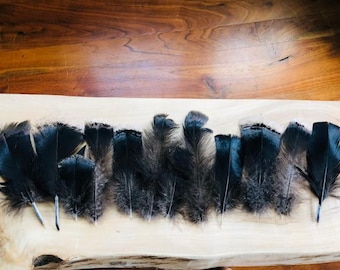
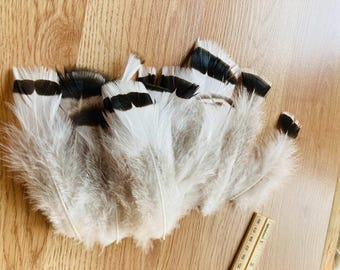
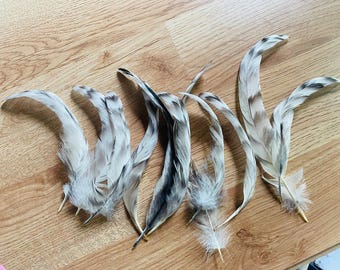
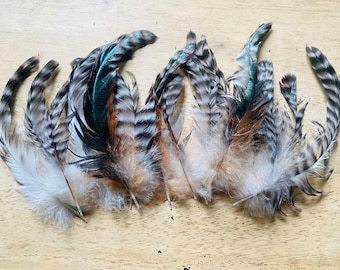
This part is about feathers.
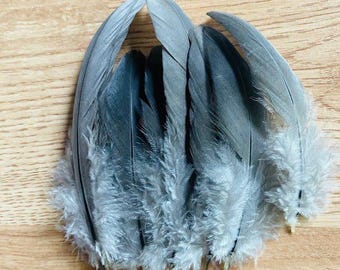
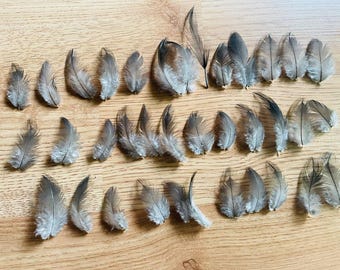
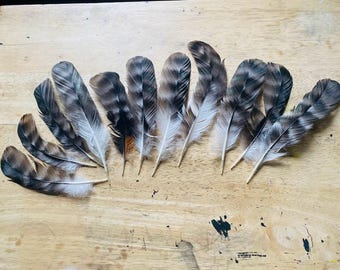
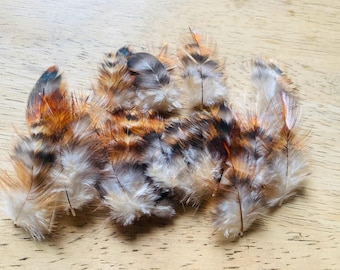
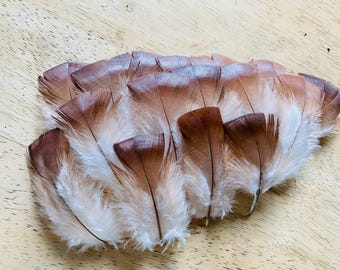
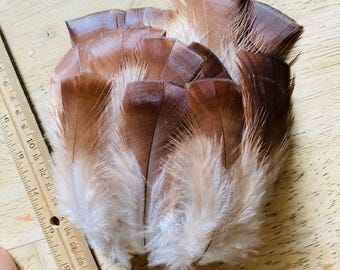
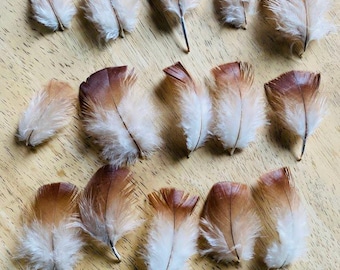
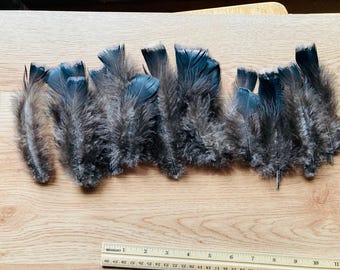
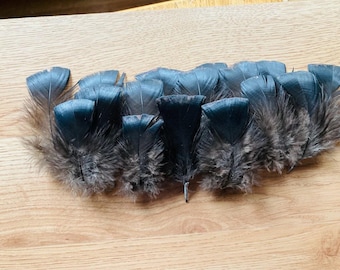
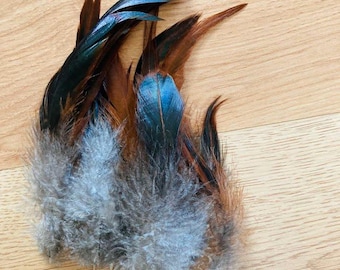
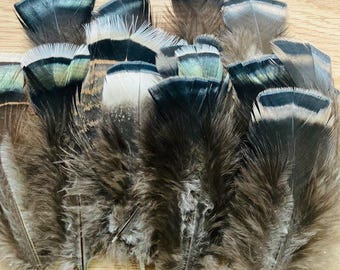
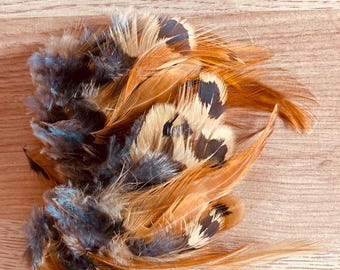
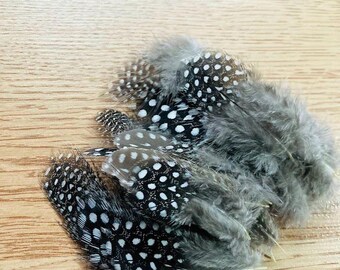
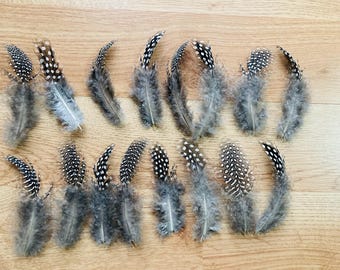
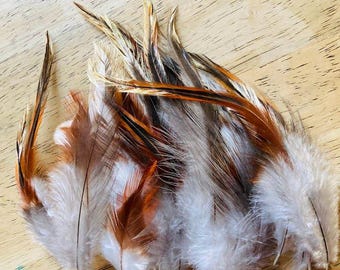
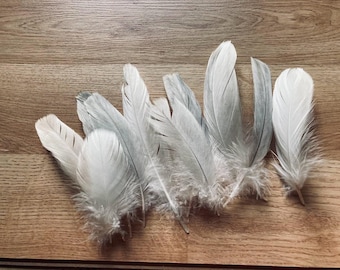
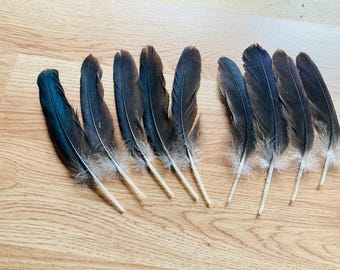
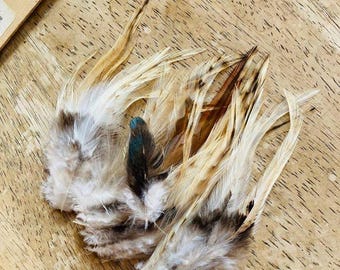
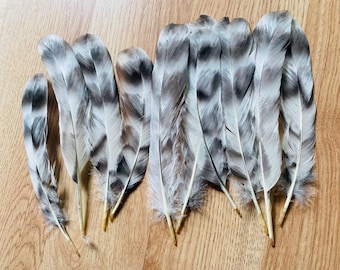
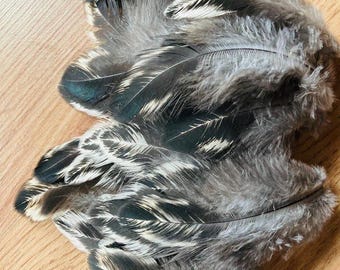
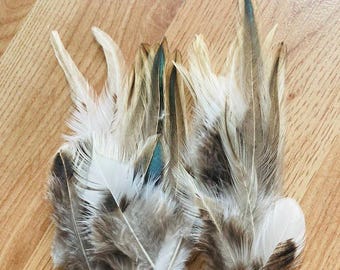
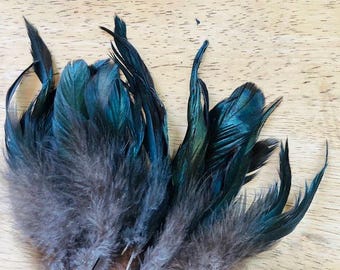
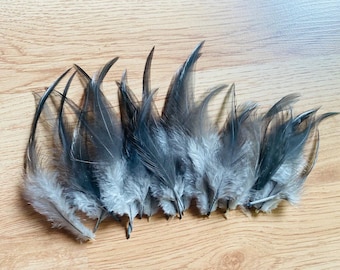
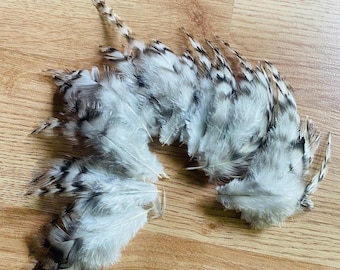
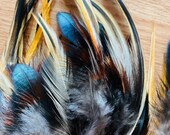
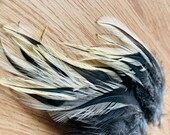
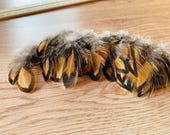
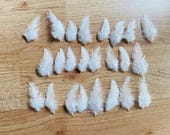
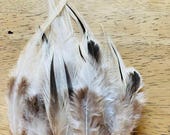
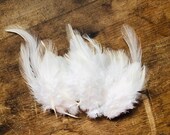
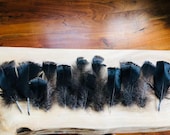
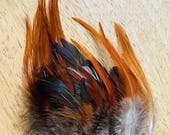
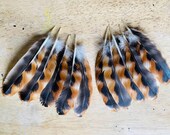
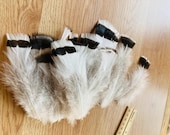
All I've done with these feathers is pulled them off the birds, washed them by hand in hot water with biodegradable soap, and then dried them. I have devised some mesh bags for drying the feathers in the sun and wind that work great! Then I sort them, count them, and put them in little bags. They typically mail out as regular letters, which is why the shipping is pretty cheap. I'm not actually sure if I'm making much of a profit, but our cost of living is quite modest here and it is all in the early stages, so I don't have many records to go off of yet.

