








Where the spirit does not work with the hand, there is no art. ― Leonardo da Vinci
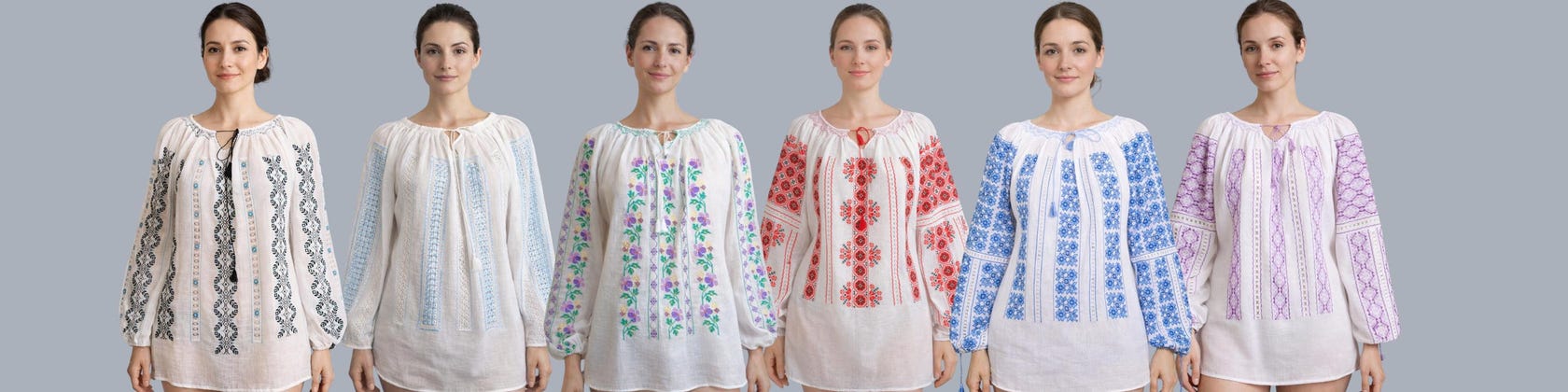
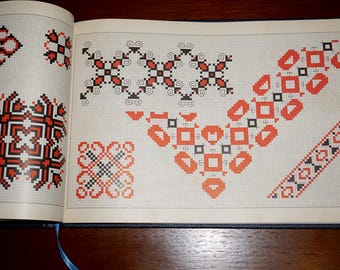
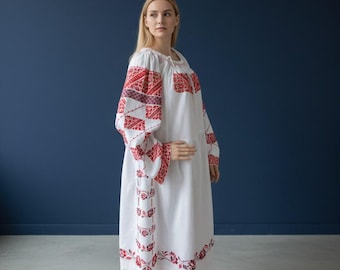
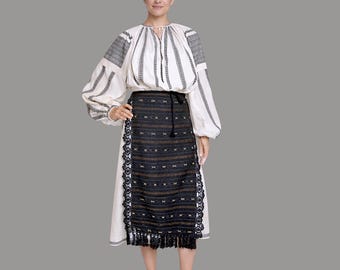
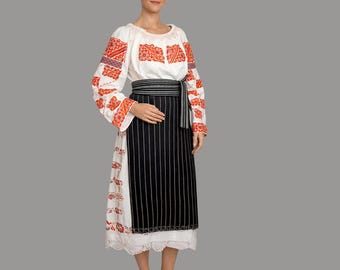
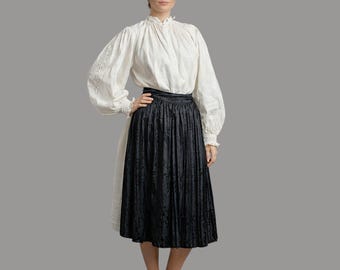
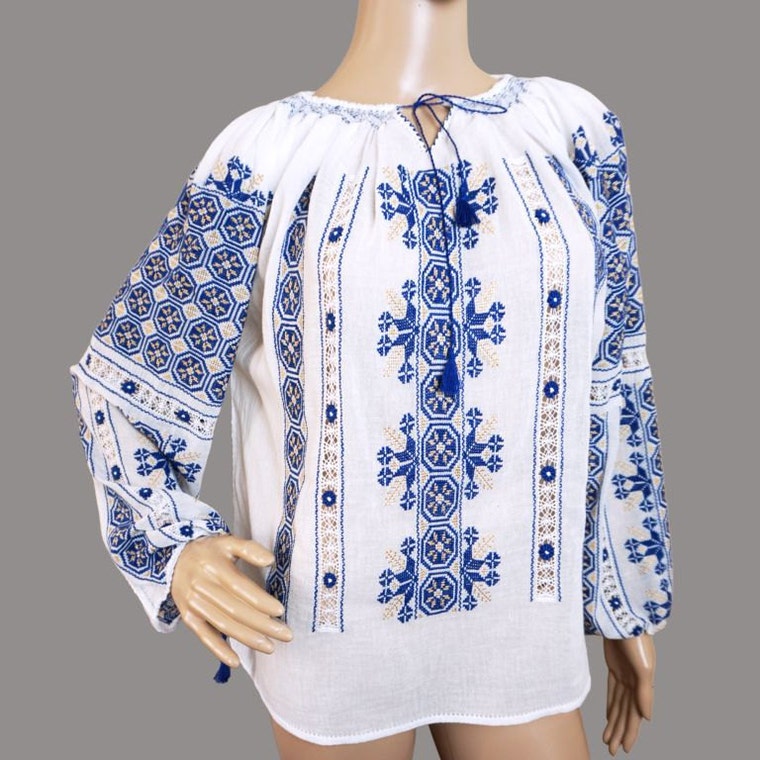
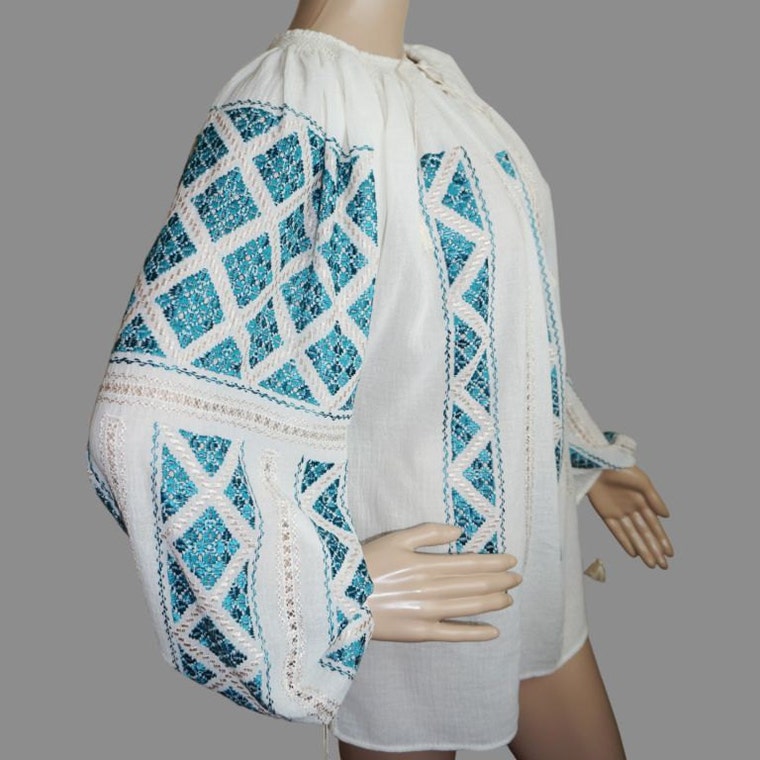
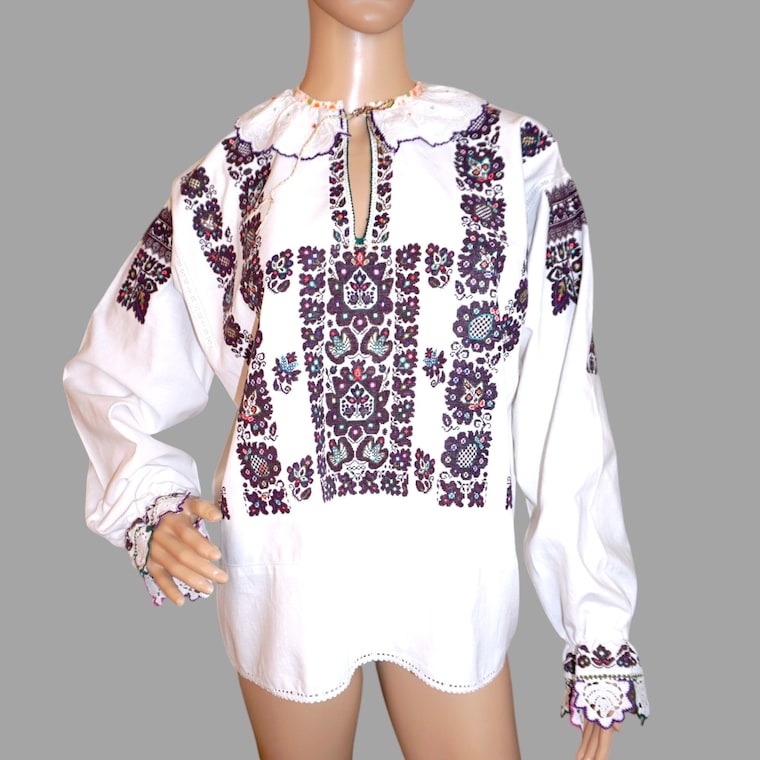
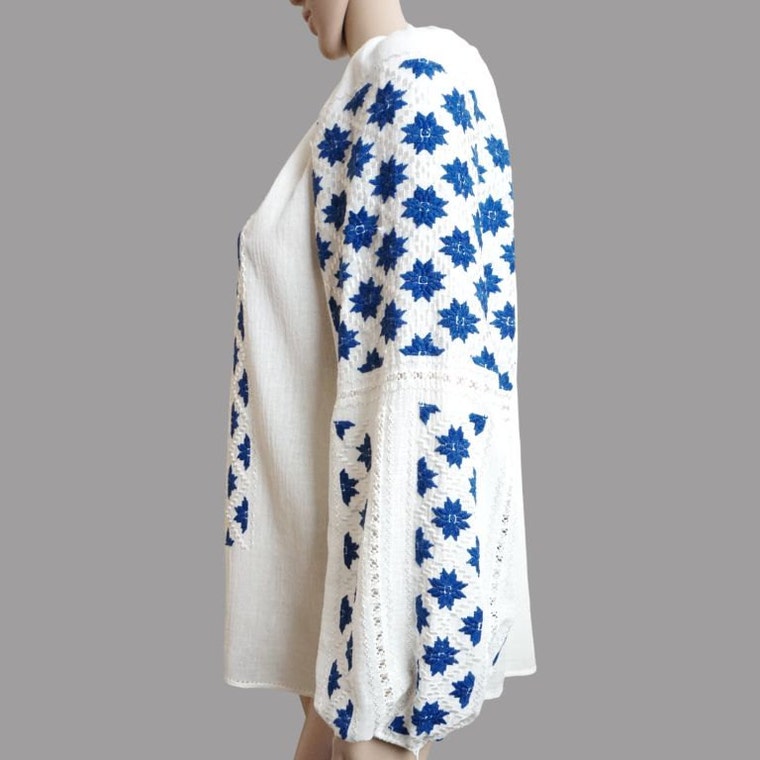
We are the humble descendants of all the Romanian craftsmen who skillfully embroidered on their dresses and shirts: the sun they aimed at, the moon they sang, the flowers they loved, the roads they never walked, their dreams and their longings.
We keep the tradition alive .
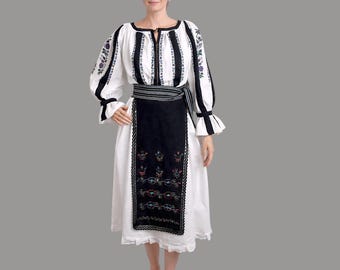
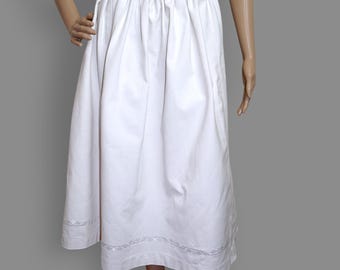
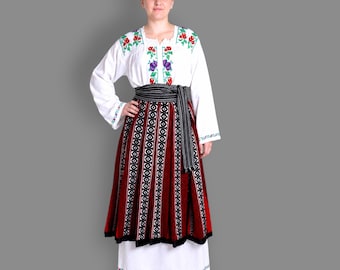
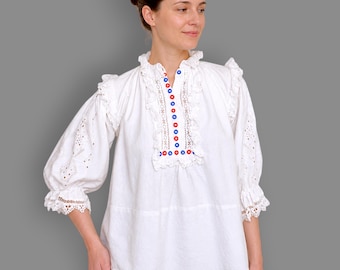
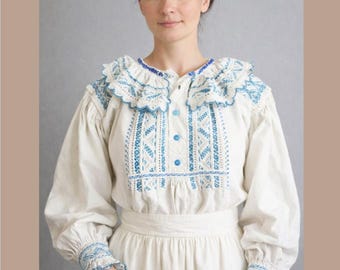
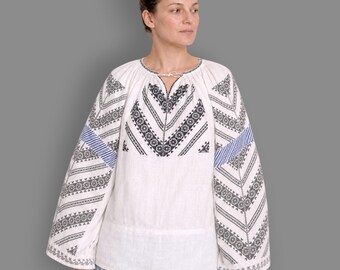
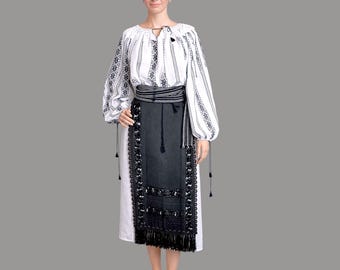
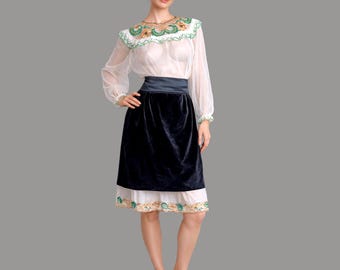
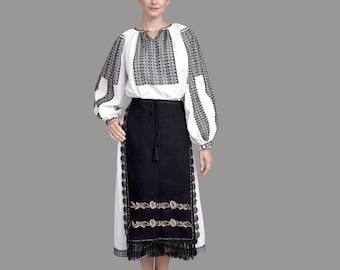
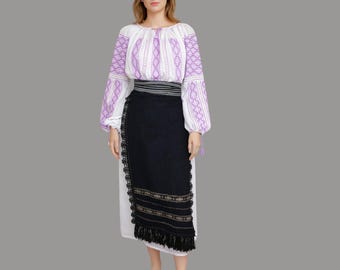
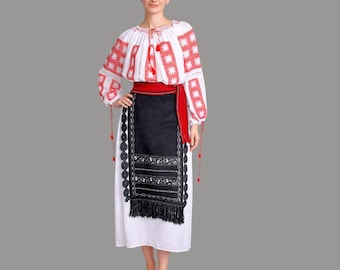
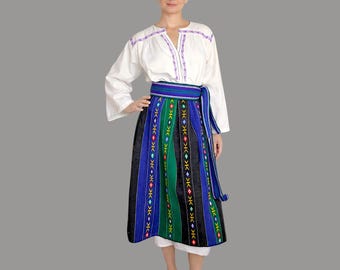
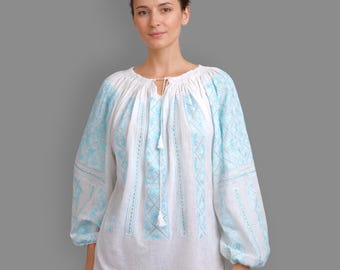
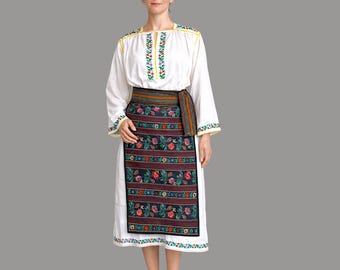
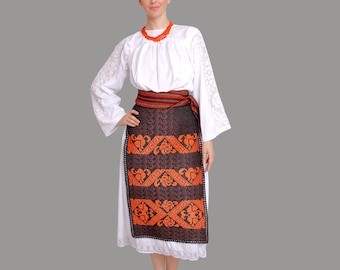
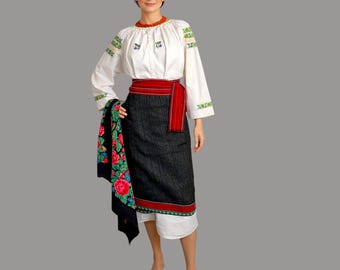
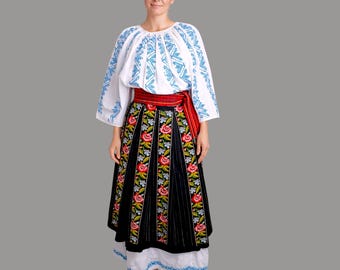
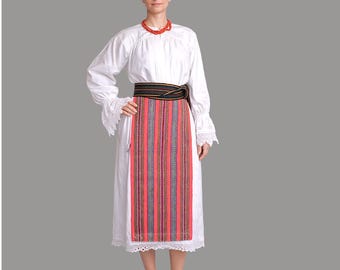
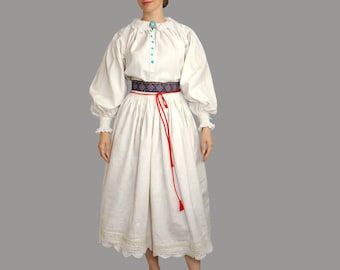
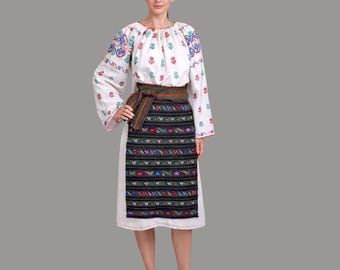
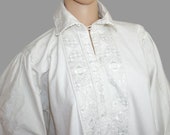
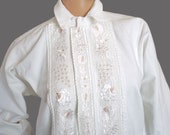
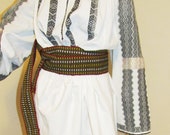
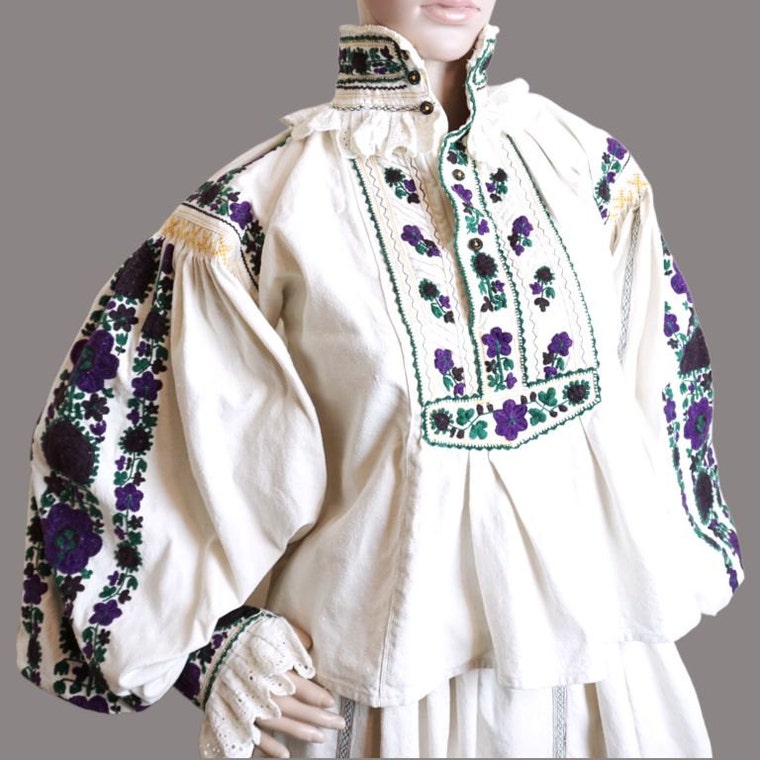
The history of the Romanian blouse :
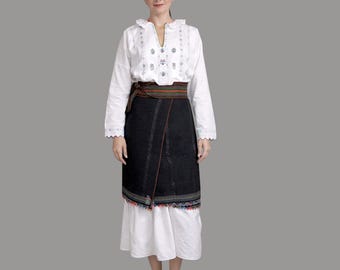
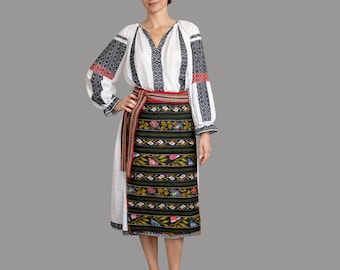
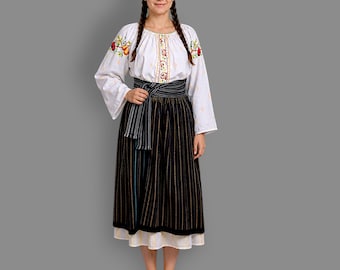
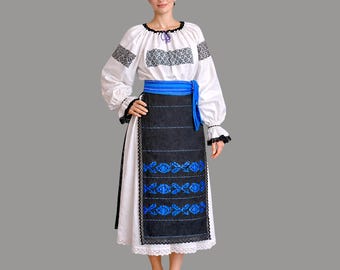
“The traditional folk costume , a genuine identity card for the inhabitants of Romanian's different geographical areas came in to being in the wake of a long creative process . ( … ) The earliest evidence of the costume goes back to the Neolithic and Bronze Ages ( … ) on clay idols named Venus of Craiova , the statuettes unearthed at the necropolis of Carna , the recently discovered figurines which belong to Garla Mare culture ( 1600-1150 BC ) . “ During the milennia we will find many other testimonials regarding the beauty of the Romanian costume .Other iconographic testimonials about the Romanian costume come from the Roman antiquity : Tropaeum Trajani ( 108-109 AD ) from Adamclisi Romania and Trajan's Column ( 113 AD ) from Rome , Italy . The oldest pictures of the Romanian costume are found in the well known Chronicum pictum ( 1358 ) . Numerous scholars , clergymen and arists from Europe and Orient came to Romanian provinces starting with the 16 th century until the end of 19 th century . Impressed by the beauty and the originality of the Romanian clothes , the travellers depicted them either in laudatory descriptions , drawings , watercolours and engravings . They are : Antonius Verancius and Francois de Pavie in 1585 , in 17 th century was Paul Alep and Antonio Maria del Chiaro Fiorentino ( 1718 ) . 24 watercolours depicting Romanian costumes from centuries 17 th and 18 th are found in Painted Codex of Graz . Another albums are : Kostumbilder aus Siebenburgen with 91 plates about Romanian costumes hosted now in the Budapest Hungarian National Museum and Rosenfeld Codex ( 1729 )which contains 56 watercolours featuring Romanian costumes .
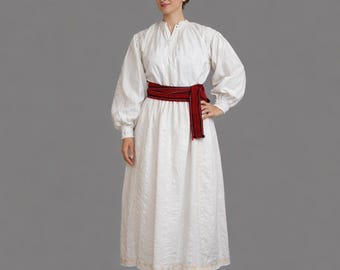
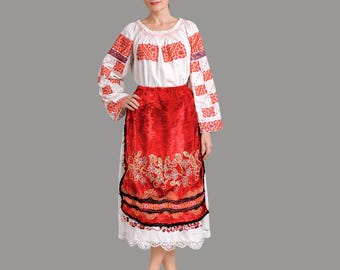
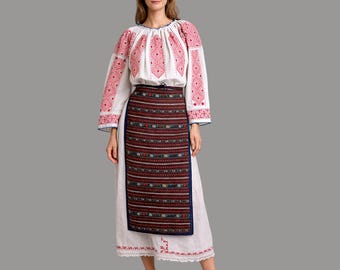
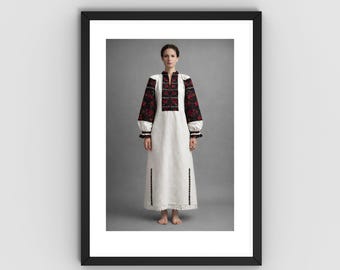
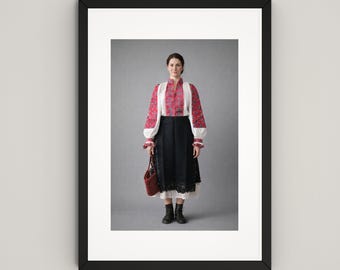
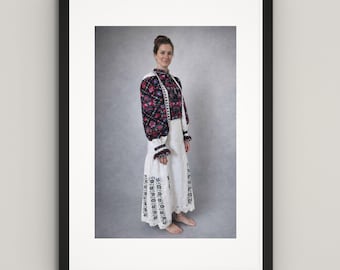
The Romanian peasant / folk costume which miraculosly survived until the end of 20 th century as a holiday or ceremonial outfit is an important way of person's assertion and of cultural and social identity recognition .” ( from Patrimony Romanian Costume by Doina Isfanoni , Paula Popoiu ) .
Romanian blouses today :
Many of the famous painters / artists of the 19 th and 20 th centuries depicted the Romanian blouse and I 'll remember only few of them : Henry Matisse - La blouse roumaine , Renoir – Children portrait , Franciszek Ejsmond – Romanian maiden (1885) , Frederick Bridgman – Romanian Lady , Nicolae Grigorescu , Camil Ressu – Peasants in the Church and Sunflower , Rosenthal – Revolutionary Romania , Theodor Aman , Nicolae Vermont – Seamstress .
The most loved promoters of the Romanian culture and of the Romanian ethnic outfit was the Royal Family starting with Queen Elizabeth ( 1843-1916 ) , a German born princess who become First Queen of Romania and continued with the most loved queen , Queen Mary of Romania ( 1875 -1938 ) born into the British Royal Family .
Queen Elisabeth wrote in her introduction to the book "The Art of Tatting", written by her friend, Lady Katherin Hoare, published in 1910 in London: "Is there a more delightful picture than a Romanian peasant woman dressed in a folk suit with a red or orange skirt, with a yellow kerchief covering her black hair, with large, black eyes and a bright green jug on her head, rushing towards the house, or a Romanian lady, with splendid garments, with a wonderful white or yellow veil, woven on the loom? "
Queen Mary wrote in the introduction of one of her story book published in America in 1929 : “The magic doll of Roumania “ : “ And because I am Queen of a far-away country which I know will interest you—a country full of poetry and pictures, of old customs and quaint habits handed down through long generations from father to son, from mother to daughter—I have placed my story in Roumania and among the peasants, for it is they who guard the past. (…) The songs and verses are my own, but they are inspired by the songs of my country. They are not stately poetry, but they may give you a better idea of the people of this poetical realm. So take them with the rest, for what they are worth ! “
Starting with 1980 The Romanian blouse painted by Matisse was the inspiration for the most famous designers of the world who integrated the Romanian blouse into collections of hot couture or who dedicated a whole collection to the Romanian ethnic costume .
