




Curating a Circular Economy: Fighting the Fast Fashion Crisis One Garment at a Time
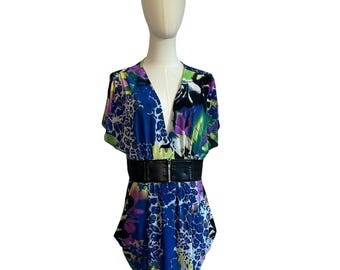
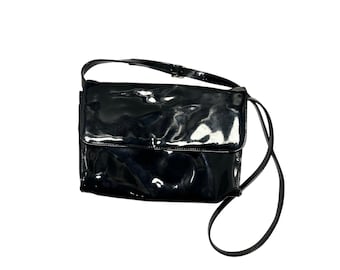
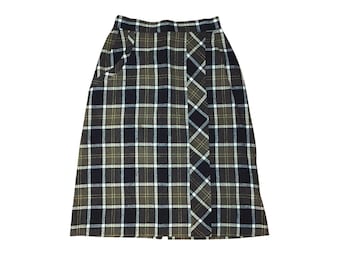
Hi, I am Libby, the creator behind Retro Libby. For most of my career, I have worked in a standard corporate job, but my true passions have always been art, fashion, and protecting our environment. With a Bachelors of Fine Arts emphasizing in painting, I recently launched Retro Libby as a side business to bring those passions together and actively participate in a circular economy.
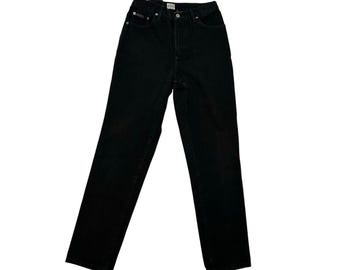
As a brand, I believe in radical transparency regarding the clothing industry. The fashion industry is currently one of the most pollutive industries in the world, generating an estimated 92 million tons of textile waste annually. The environmental cost of producing new clothing is staggering; for instance, it takes nearly 2,400 gallons of water just to manufacture a single new pair of jeans.
Driven by the fast fashion model, the average American now purchases around 68 pieces of clothing every year—five times more than we did in the 1980s. Simply donating our old clothes to thrift stores is not the perfect solution we often think it is. Because of the overwhelming volume of cheap garments, millions of items are exported every single week, piling up and polluting environments in places like the Atacama Desert in Chile or the shores of Ghana.
The Fiber Crisis
A huge part of this waste crisis comes down to the actual fibers we are wearing. In 1975, synthetic fabrics made up only 30% of the global fiber market, but today, that number has skyrocketed to nearly 70%. Materials like polyester are petroleum-based plastics that can take anywhere from 20 to 200 years to decompose. Even worse, washing these synthetic garments releases microplastics into our waterways. An estimated 500,000 tons of microfibers enter the ocean each year from our laundry, which is the equivalent of dumping 50 billion plastic bottles into the sea.
A Note on Veganism and Animal Fibers
As a vegan, my personal ethics are deeply tied to both animal welfare and protecting the earth. It is a reality that industrial animal farming is heavily polluting and harmful to the environment on many levels. Because of this, you might wonder why I choose to source and sell vintage garments made from animal fibers like wool, silk, or leather. For me, true sustainability means preventing waste. These garments already exist. By rescuing these pieces, mending them, and keeping them in a circular economy, I believe we are honoring the sacrifice of the animal and ensuring their materials are respected rather than carelessly tossed into a landfill.
The Power of Vintage
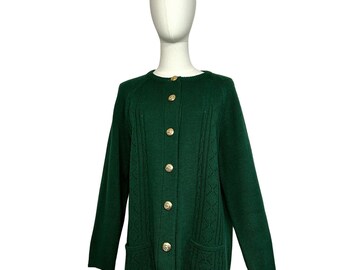
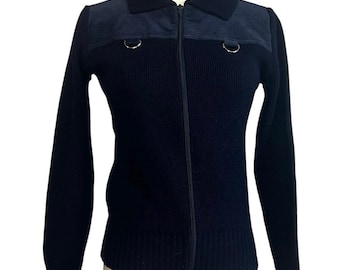
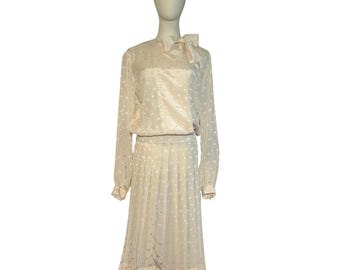
This is exactly why I am so passionate about rescuing vintage fashion and preserving natural fibers. Decades ago, clothing was manufactured with longevity in mind, using higher-quality materials and thoughtful construction techniques. Today's fast fashion cuts costs by using cheaper cotton mixed with plastic elastane (spandex). While stretch denim might feel comfortable initially, those plastic fibers actually reduce the fabric's tensile strength and cause the jeans to break down and tear much faster. You can see this degradation in quality across the board—a vintage sweater from the 1990s was often made of 100% breathable wool with metal buttons, while a modern equivalent is usually 100% polyester with no buttons at all.
My Commitment to a Circular Economy
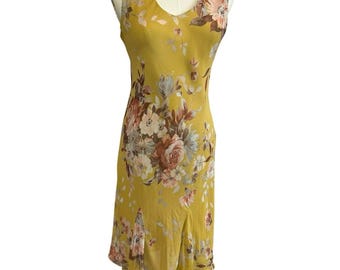
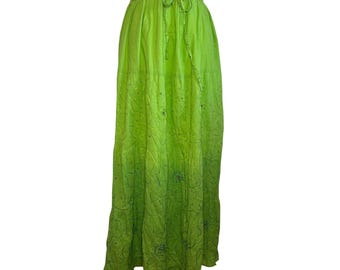
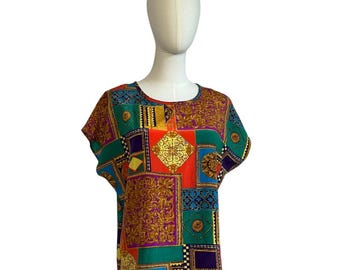
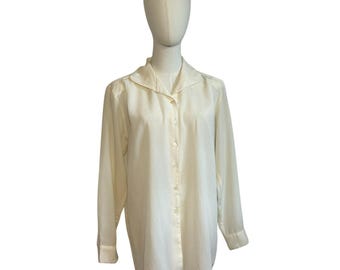
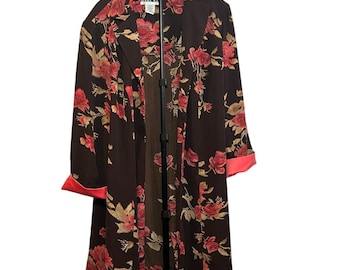
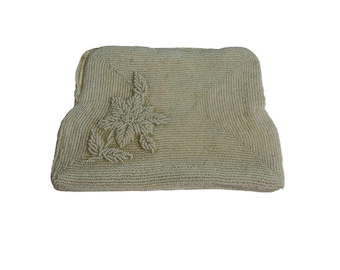
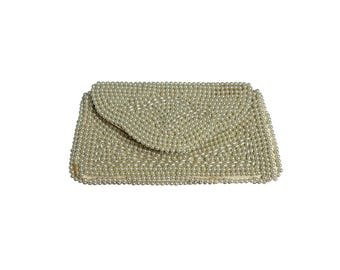
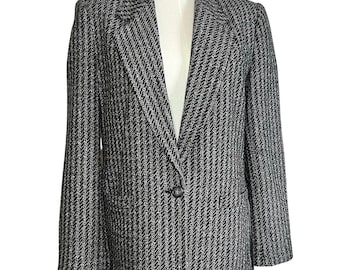
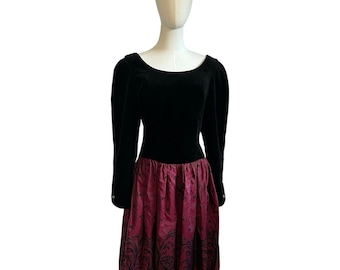
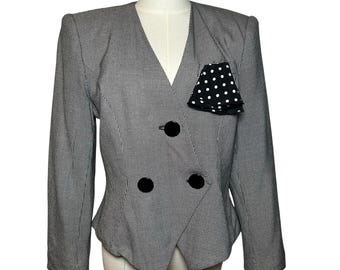
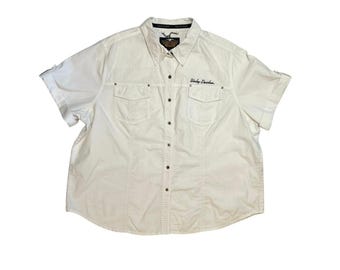
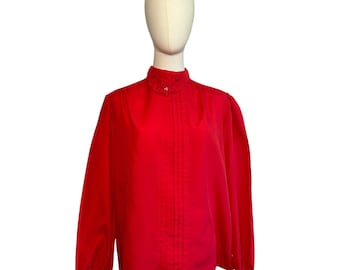
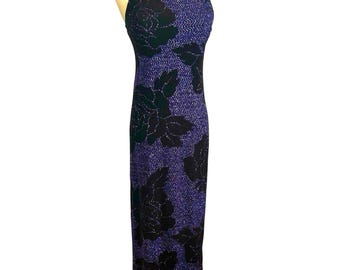
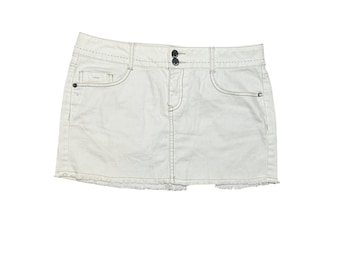
I want to keep fashion sustainable by rescuing these superior garments and giving them a second life. I treat clothing like wearable art, taking the time to mend and refresh each piece I source. By carefully clipping off loose threads, cleaning up the edges, and making necessary repairs, I strive to extend the life cycle of these garments and offer them to you in a condition that is as close to like-new as possible.
My commitment to a green business extends to how your items are packaged and shipped. Traditional shipping materials generate an enormous amount of plastic waste, so I strictly use environmentally friendly packaging to keep single-use plastics out of our landfills. Your orders will arrive in compostable mailers, and I make a massive effort to reuse and upcycle cardboard boxes whenever I possibly can to reduce our overall carbon footprint.
Thank you for shopping secondhand and choosing sustainability! — Retro Libby
