



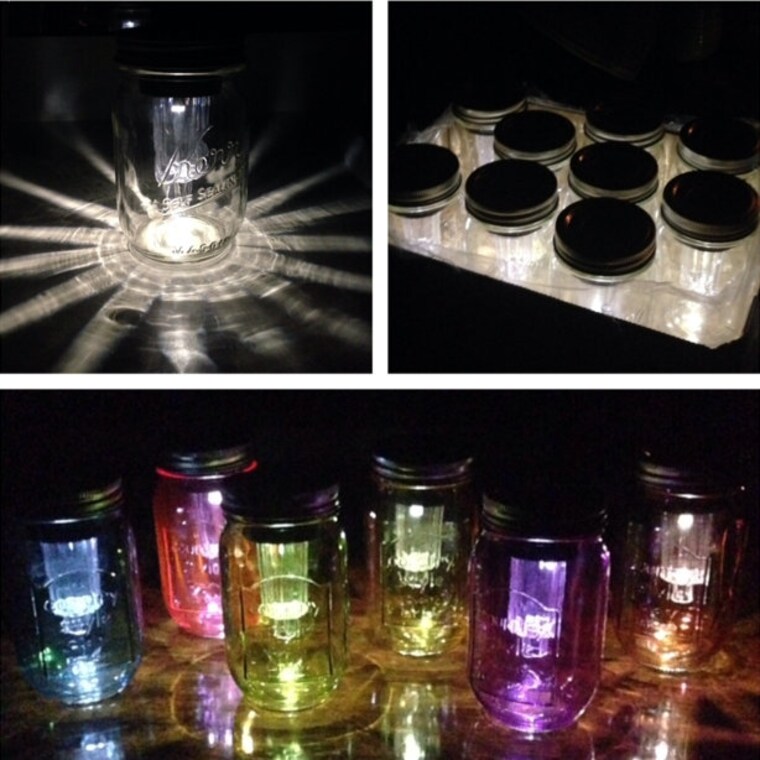
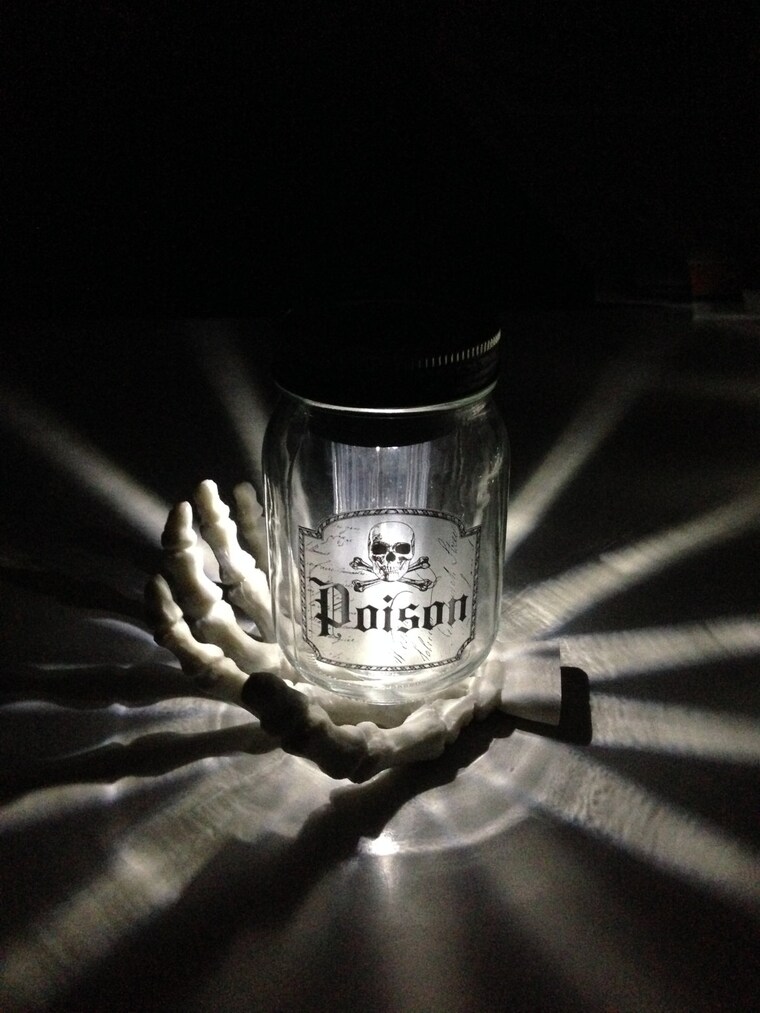
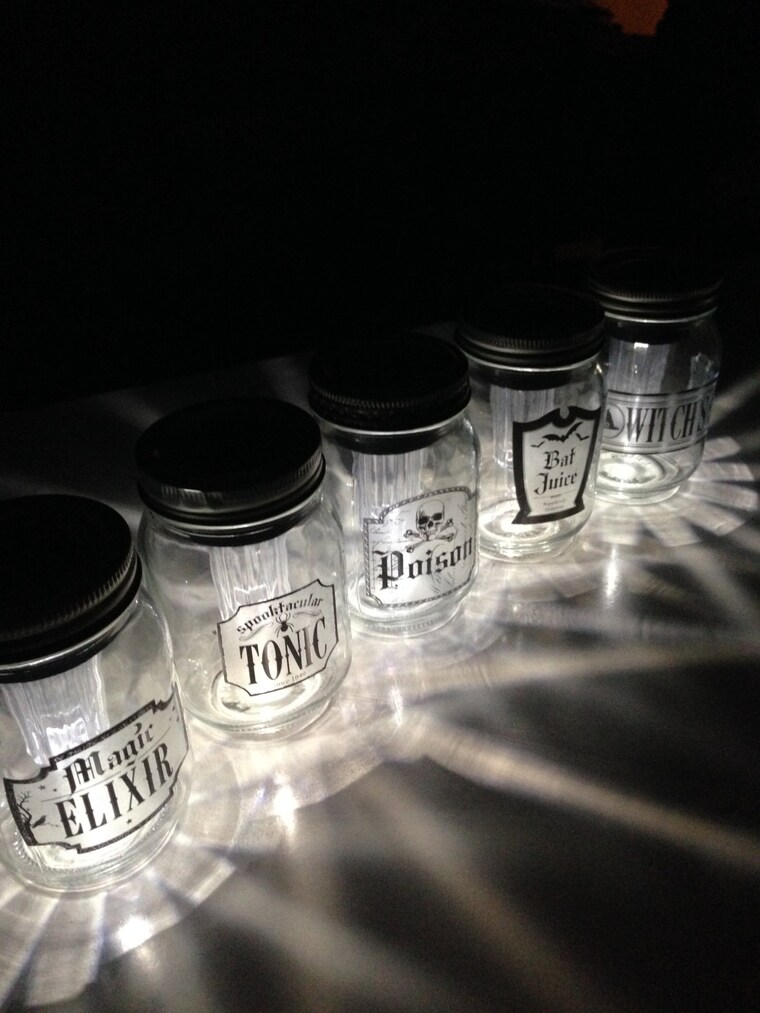
About Solar powered lights
Like many solar powered products, these solar powered Mason Jars have LED's and the strength of light they give is dependent upon the amount of sunlight they get during the day and the charge of the batteries. Here are some Questions and Answers about the lights… I want to make sure you are using the lights properly to avoid disappointment.
Q: What is the output/wattage/amperage/lumens of different bulbs and LED's?
A: Watts or amps do not measure Solar LED's. Each LED is equal to about 2 lumens (flow of light).
Q: What is the proper storage for winter or extended periods of non-use?
A: We recommend that you clean all fixtures and remove the batteries before storage to allow for maximum longevity of both the items and the batteries. You may need to allow for an extended charging period of the batteries when you place them back into use.
Q: How long do batteries/bulbs last?
A: The Ni-Cd batteries should last for up to 450 full charges and the bulbs should last for approximately 9,000 hours of burn time.
Q: How do solar lights store energy and how do they work?
A: The lights have a built in solar panel and charging circuit that renews the energy in the rechargeable batteries. The sun provides the needed electrical energy.
Q: How do the solar lights turn on?
A: They turn on and off automatically. The solar panels house a photocell that detects when it begins to get dark. The lights turn on and stay on until the battery is discharged or until the photocell detects daylight again.
Q: What are some of the major disadvantages associated with solar lighting?
A: Our solar lights must have a minimum of 8 - 10 hours of direct sun during the day to charge the batteries. The length of time that the lights stay on at night, are in direct proportion to the amount of sun exposure during the day. The more sunlight you get, the longer the lights stay on at night. It is important to place the lights in a location in your yard that will allow the solar panel to have full exposure to the sun. Shade caused by trees, shrubbery, your house, shadows, porch overhangs, etc. or other light sources, such as streetlights or porch lights can pay a role in the operating performance of your lights.
Q: My summers are very sunny but I usually get a lot of snow and clouds in the winter. Should I use solar lighting?
A: While solar lights are designed for use in most weather conditions, operating times can vary as much as 50% during the fall and winter months and other times when the sun is not as strong. Some people store them during fall and winter and reinstall them in the spring.
Q: What type of maintenance should I perform on the lights?
A: Although it is not mandatory, some people choose to periodically clean their fixtures. This can be done with a nonabrasive soap, sponge and water. You may also need to replace the batteries. Other than that, there isn't much that can go wrong from a functioning standpoint.
Q: What type of light bulb is used in solar lights?
A: The solar lights typically have LED's (Light Emitting Diodes) because of their dependability and low power consumption.
Q: Will I need to/Can I replace the LED in my solar lights?
A: The LED's are not replaceable. If the light will not come on. try testing the batteries.
