



Thank you for visiting my shop!
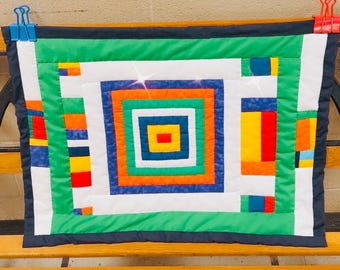
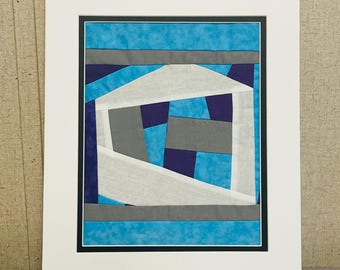
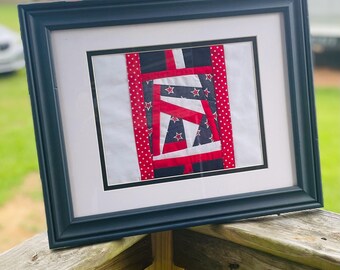
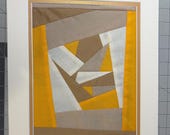
Greetings, I'm Cynthia Pettway, though you'll often hear folks call me Mz Cynt. Gee's Bend (or Boykin), Alabama, has been my lifelong home, my creative canvas is fiber art, and while our community is renowned for its magnificent quilt tapestries, I've chosen to craft smaller versions of these quilt designs and frame them. My materials of choice are typically cotton or cotton blends, but I occasionally incorporate donated fabrics and repurposed picture frames I've stumbled upon during my thrifting escapades.
After a demanding day of teaching, I retreat to my sewing workshop to embark on my creative journey. The space comes alive with the hum of the sewing machine, often accompanied by the soothing melodies of music or the hum of a TV playing in the background.
Around five years ago, I had the privilege of visiting my mentor, Mary Ann Pettway, at the Quilt Collective. Witnessing her transform simple pieces of cloth into stunning designs was so inspiring for me. It was then that I decided to try my hand at sewing, and I haven't looked back since.
For me, art is a sanctuary of relaxation, especially after the rigors of a long, demanding workday. It's a way to unwind, find peace, and channel my creative energies.
When my customers receive their handcrafted treasures, my hope is that they feel the love and devotion I poured into each piece. I want them to understand that, to me, these designs are more than mere creations—they are inspirations bestowed by our almighty God.
---
History of Gee’s Bend
The women of Gee’s Bend—a small, rural, community in Alabama's Black Belt—have created hundreds of quilt masterpieces dating from the early twentieth century to the present. Resembling an inland island, Gee’s Bend is surrounded on three sides by the Alabama River. The some seven hundred or so inhabitants of this small, rural community are mostly descendants of enslaved Africans who, for generations, worked the fields belonging to the local Pettway plantation. Quiltmakers there have produced countless patchwork masterpieces, with the oldest existing examples dating from the 1920s. Enlivened by a visual imagination that extends the expressive boundaries of the quilt genre, these astounding creations constitute a crucial chapter in the history of American art.
Gee’s Bend quilts carry forward a proud tradition of textiles made for home and family. They represent only a part of the rich body of African American quilts, but they are in a league by themselves. Few other places can boast the extent of Gee’s Bend’s artistic achievement -- the result of both geographical isolation and an unusual degree of cultural continuity. In few places across the country have works been found by three - and sometimes four - generations of women in the same family, nor have many works been discovered that bear witness to visual conversations among community quilting groups and lineages. Gee’s Bend’s heirloom pieces stand out for their flair—quilts composed boldly and improvisationally, in geometries that transform recycled work clothes and dresses, feed sacks, and fabric remnants.
