
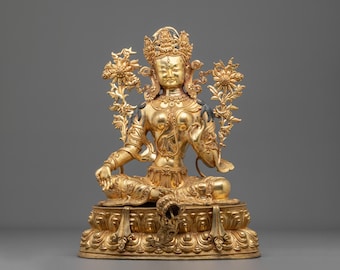
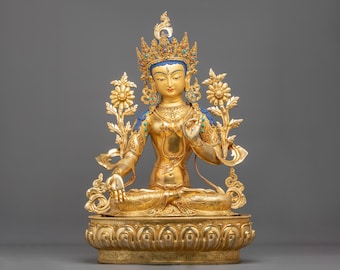
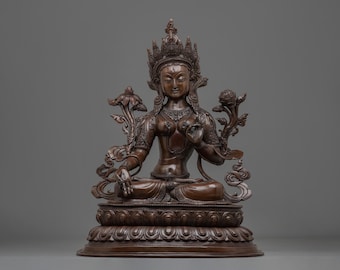
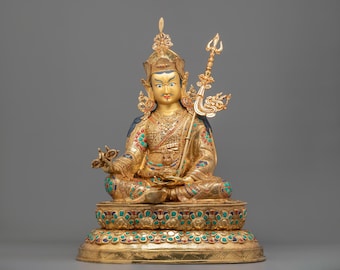
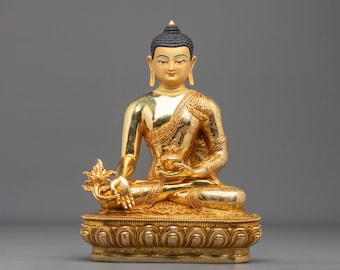
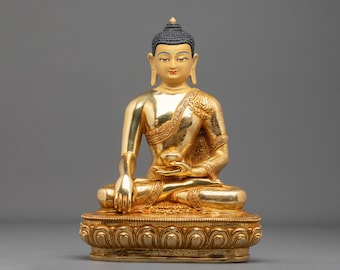
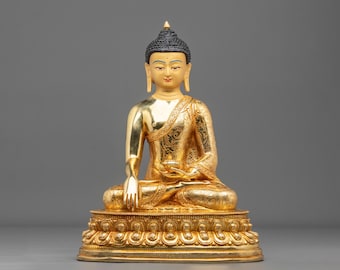
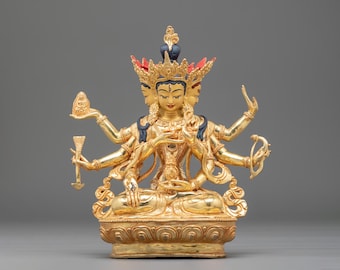
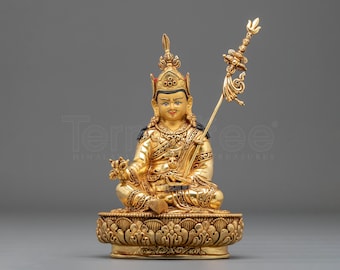
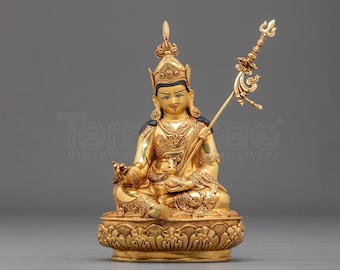
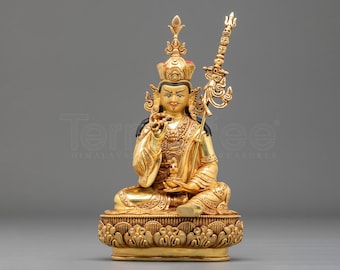
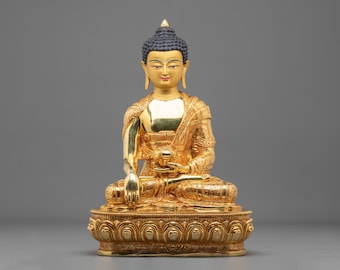


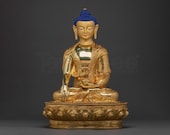
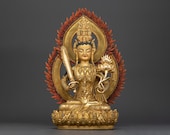
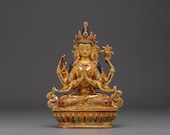
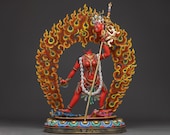

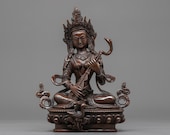
Himalayan Buddhist Statues for Vajrayana Practitioners
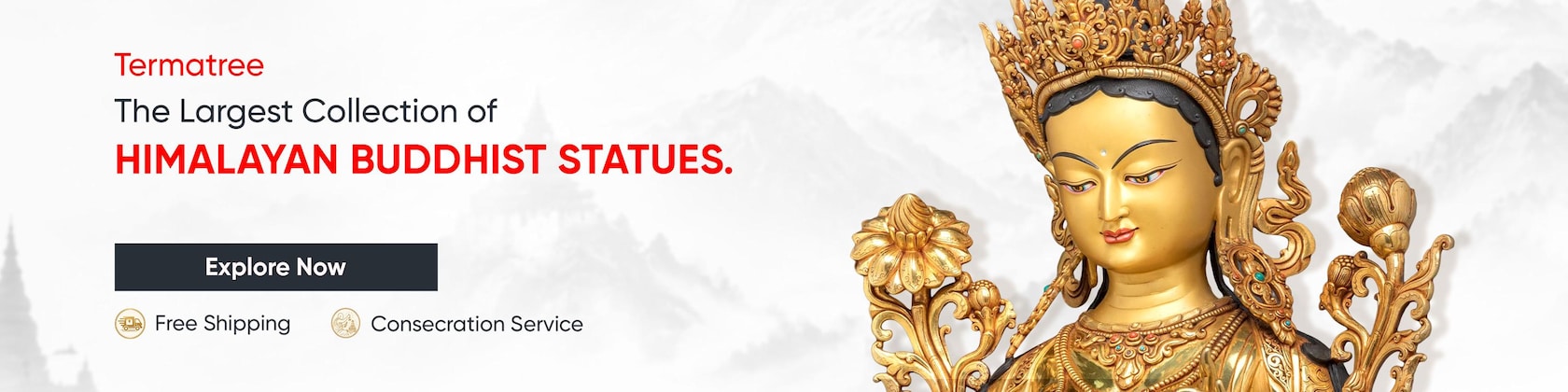
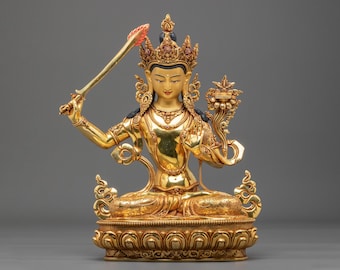
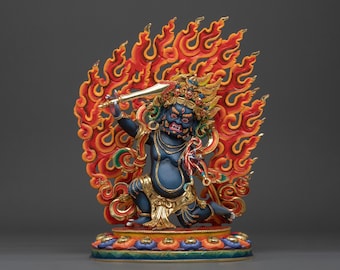
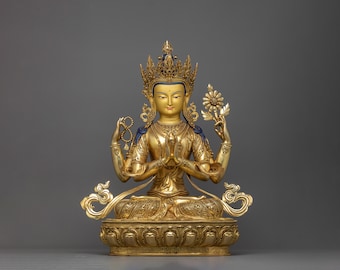
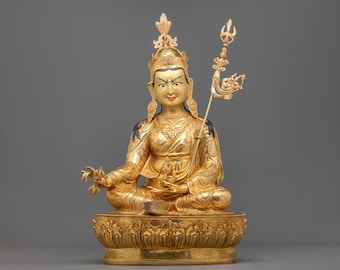
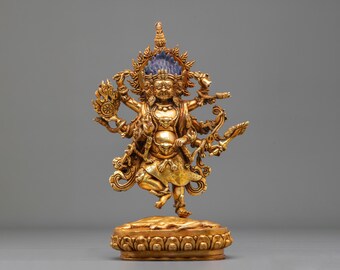
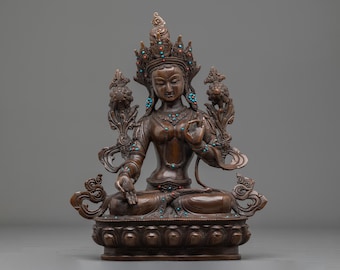
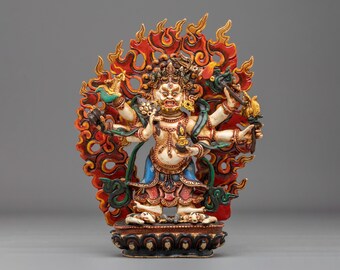
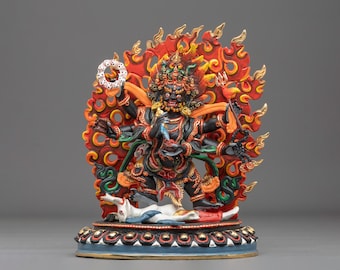
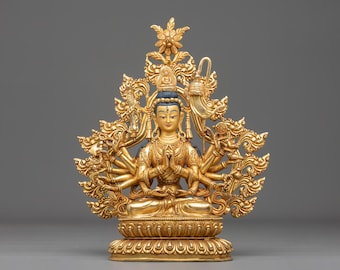
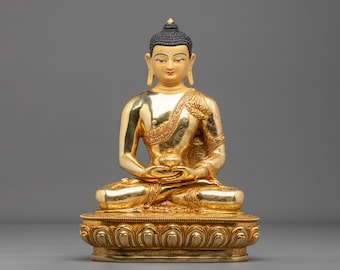
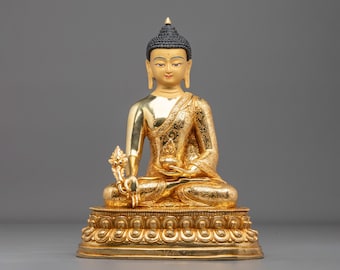
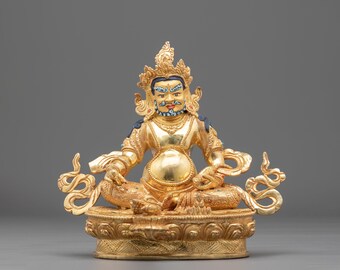
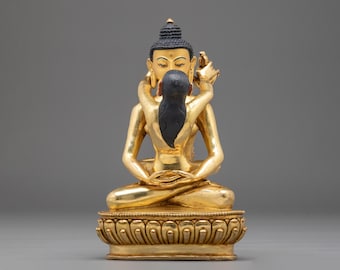
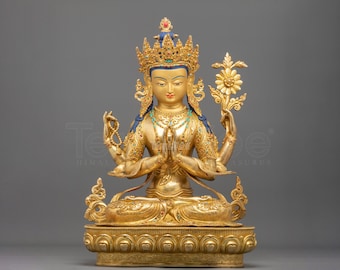
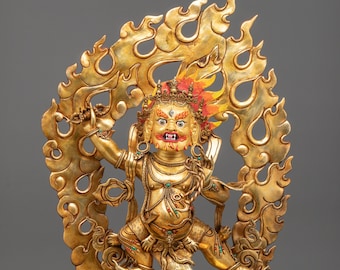
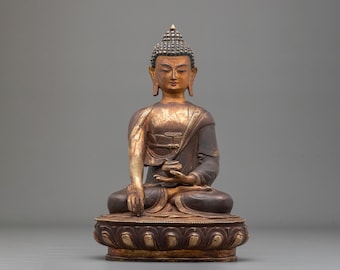
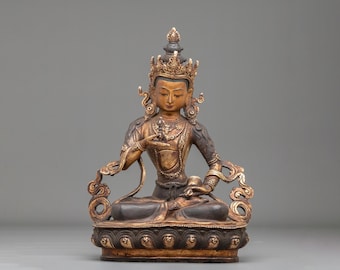
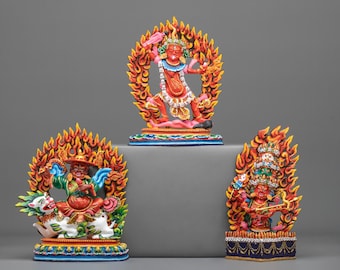
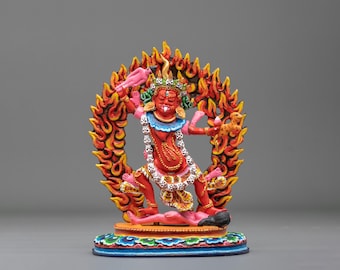
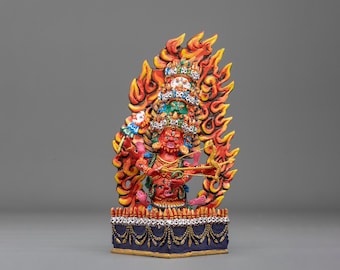
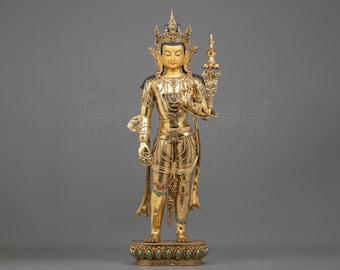
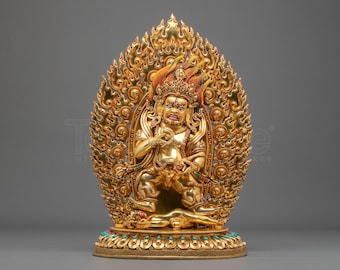
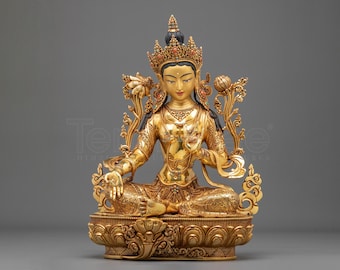
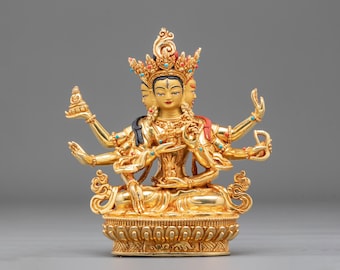
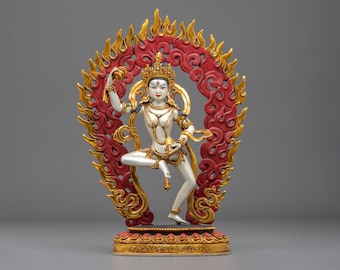
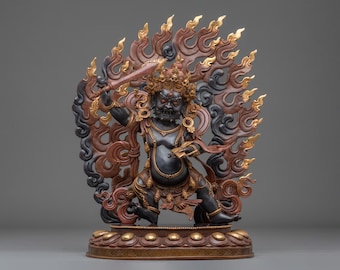
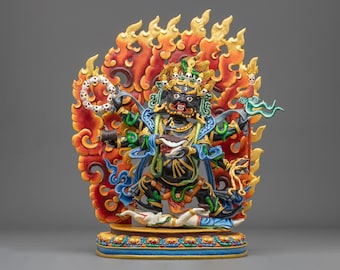
We take great joy and happiness in trying to bring wonderful Buddhist statues to the Vajrayana practitioner. We have carefully curated Buddhist statues with accurate iconographic details and the essence of trans-Himalayan culture, which has been dominant for more than 1400 years. For a practitioner on the path to their spiritual journey, our statues can be a subtle vehicle of teaching and guidance.
Vajrayana, we all know is the most visually intense form of Buddhism, it is one of the most colorful and dramatic artistic traditions of the world. Within it, the statue is another form and means for the communication of spiritual themes. The offering of a statue is a means of accumulating merit, either for an individual, family, or someone in need. Combined with practices transmitted through textual and oral traditions, artistic works serve to express both conceptual and non-conceptual realizations.
Kathmandu Valley has been a great center for Vajrayana Buddhist practitioners. We have accounts of the great Indian Mahasiddhas coming, staying, teaching at different places in Nepal, and transmitting the Tantric initiations to Nepalese Pandits before making their way into Tibet. Likewise, there were extensive lineage transmissions of the Tantric teachings, which include the NepaleseTantrics who went to Tibet to confer initiation. Many Tibetan teachers came to Nepal to study with the renowned Nepalese masters and receive empowerment, to learn Sanskrit, and to translate the texts into Tibetan with their help. Among others, the most notable were the three great Indian teachers who visited Nepal on their way to Tibet during the First Propagation. Shantarakshitawas was one of them who stayed in Nepal for six years, from 743 to 749, before he began his journey to Tibet during the First Propagation. His disciple, the famous Padmasambhava (717-775) lived in the Kathmandu Valley for four years in a cave at Pharping. The last Indian teacher of the First Propagation was Kamalashila, who also lived in Nepal for a year and was known to have worshipped at Swayambhu Stupa.
Similar to the great Buddhist centers of Nalanda, Vikramashila, and Oddantipur, Nepal has historically remained a major hub for the transmission of Buddhism into Tibet and for bridging the artistic influence between northeast India and Tibet. The small fertile valley, consisting of the three cities of Kathmandu, Patan, and Bhaktapur, is the locus of Vajrayana Buddhism. This form of Buddhism serves as the last remaining legacy of Sanskrit Buddhism, still actively practiced within a South Asian cultural context.
Indeed, with more than 500 Buddhist centers and temples spread all over, our valley can be regarded as an open museum, serving as a witness to the great artistic creativity. Through the centuries, the commissions for the royals and the Tibetan patrons were fulfilled by the Buddhist artists of Nepal. Nepalese Buddhist artistry reached a new height when they were commissioned to build the Jokhang in Lhasa, Tibet. During that time, it is said that the Nepalese princess Brikuti, Daughter of King Anshuverma, took a number of artists along with her to Tibet.
Likewise, the Chinese ambassador Wang XuanZe, from the Tang dynasty (618-906), describes the royal palace, commenting on the artistry and aesthetic of Nepalese architecture:
In the middle of the palace, there is a tower of seven stories, roofed with copper tiles. Its balustrade, grilles, columns, beams, and everything therein are set with gems and semi-precious stones. At each corner of the tower, there descends a copper water pipe, at the base of which is spouted four golden dragons.
For the most part, the monastic community of the Vajracharya and Shakyas is the Valley's craftsmen: carvers of stone, wood, and ivory, painters, and highly skilled metalworkers, goldsmiths, and silversmiths. Nepalese metalworkers are particularly considered among the finest craftsmen. These occupations have led many members of this monastic caste to serve as itinerant artists in Tibet, commissioned to work for monasteries throughout Central Tibet, in Lhasa, Sakya, and Samye.
To this day, our craftsmanship is recognized and acknowledged for its aesthetic refinement and iconographic accuracy. It is our huge honor to bring the legacy, tradition, art, and finest artistry of Buddhist statues from Kathmandu Valley to all Vajrayana practitioners.
At Termatree, we have sincerely tried to bring wonderful statues that will enrich, help, enhance, and facilitate your spiritual practice and growth.
