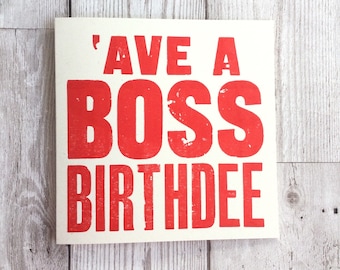
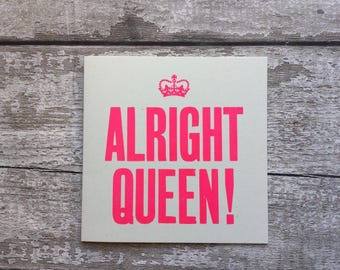
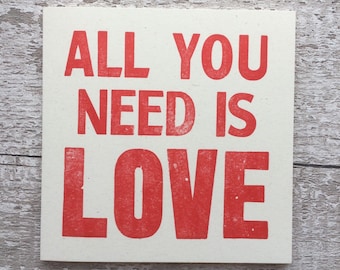
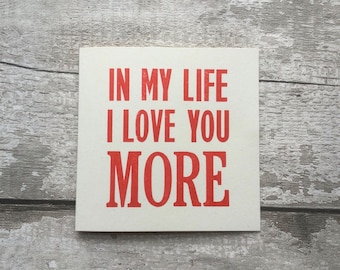
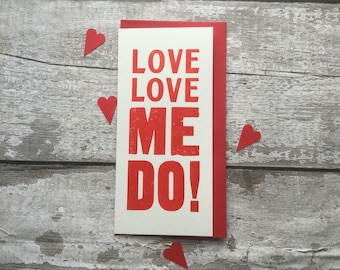
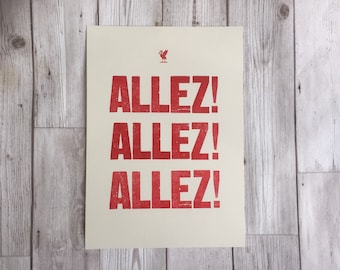
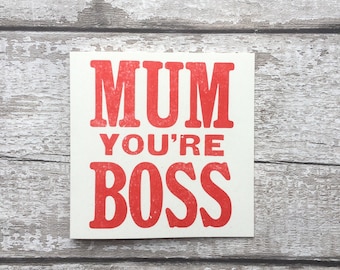
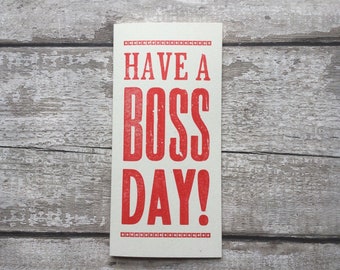
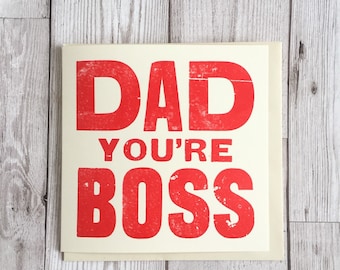
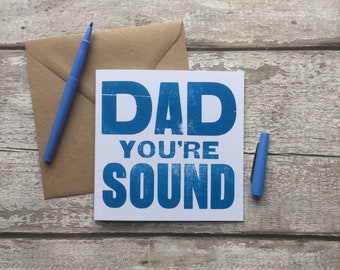
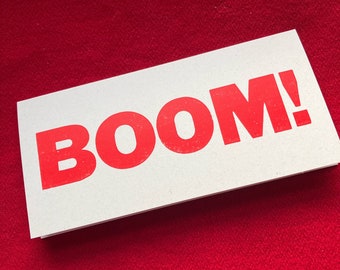
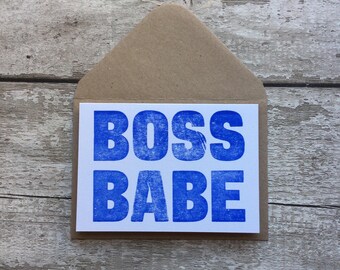
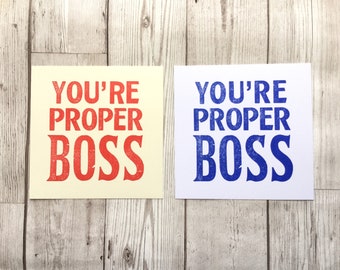








Creando arte nuevo con técnicas tradicionales y materiales y equipos reciclados. Todo hecho a mano, ¡sin inteligencia artificial!
Creating new art using old fashioned techniques and recycled materials and equipment. All handmade - no Ai here!
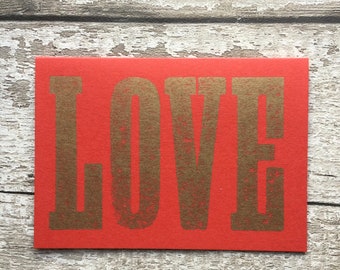
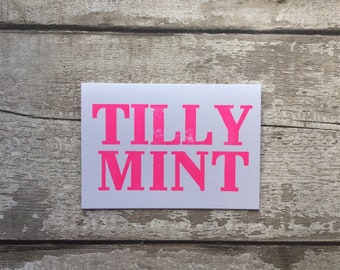
Me gusta crear obras brillantes y coloridas, a menudo con palabras y frases diseñadas para inspirar, animar o simplemente hacer reír.
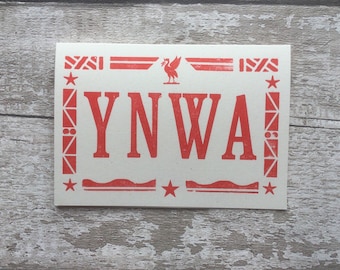
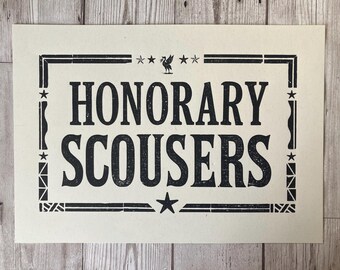
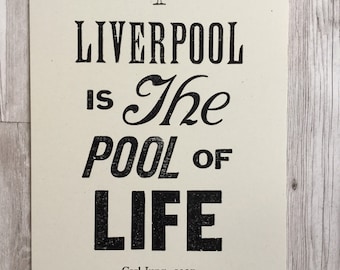
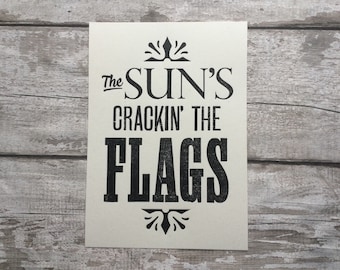
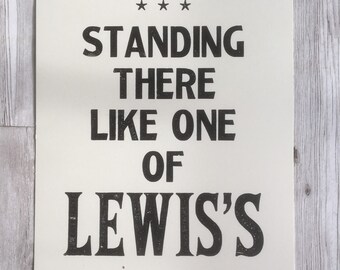
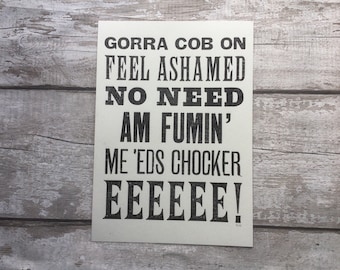
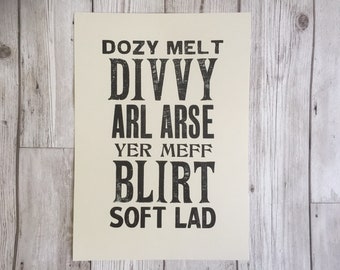
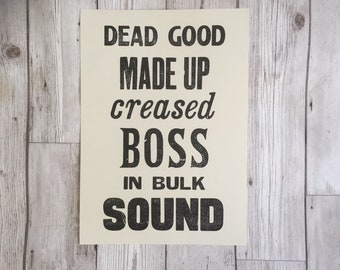
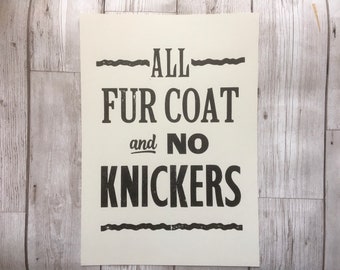
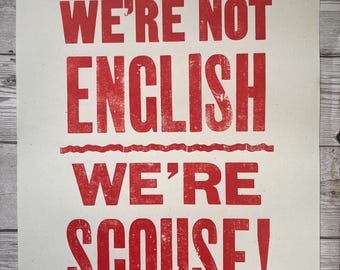
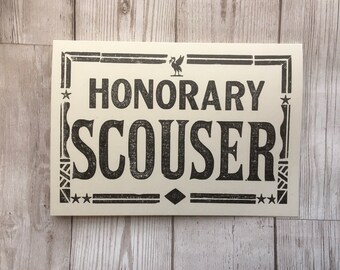
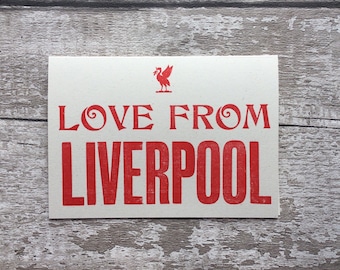
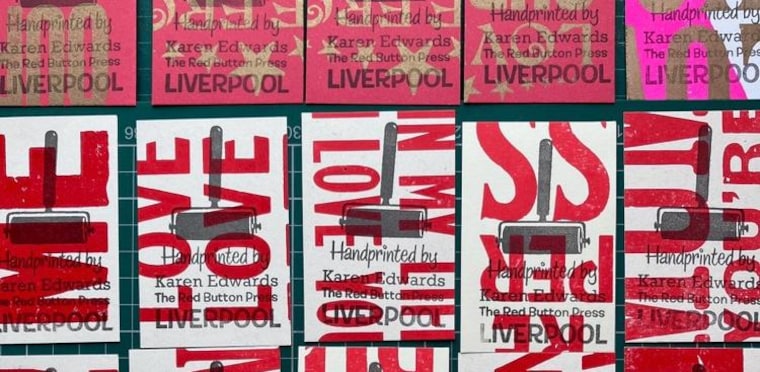
Comencé a crear mis productos SCOUSE allá por 2011, diseñados como respuesta a los estereotipos negativos que, lamentablemente, tanto yo como otros habitantes de Liverpool hemos sufrido a lo largo de los años. Estoy orgulloso de mi ciudad natal; no creo estampados con la iconografía de otras ciudades, ¿para qué? ¡Tu estampado será 100% puro Scouse!
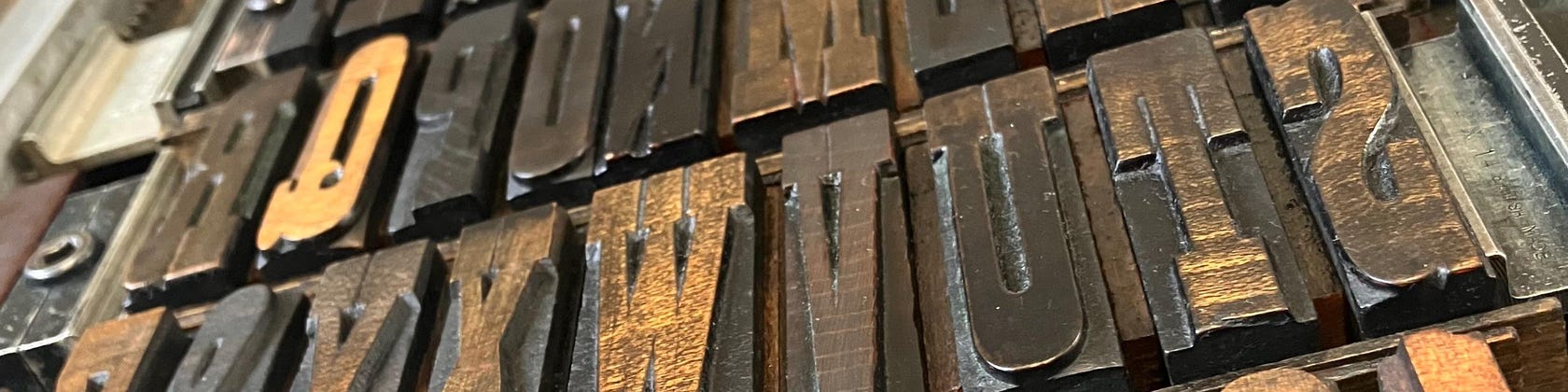
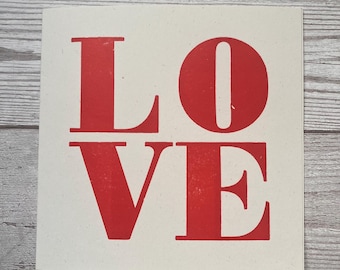
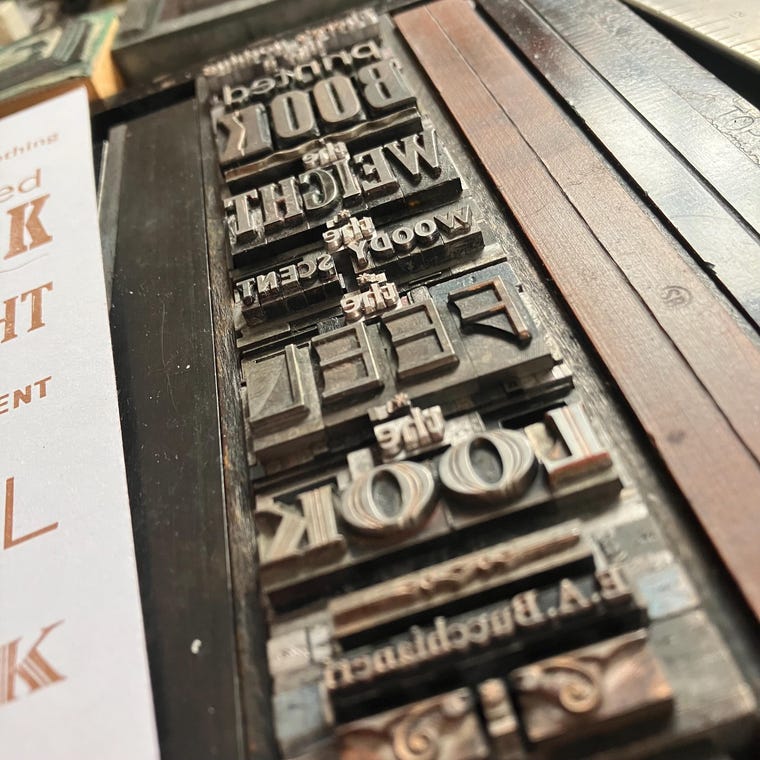
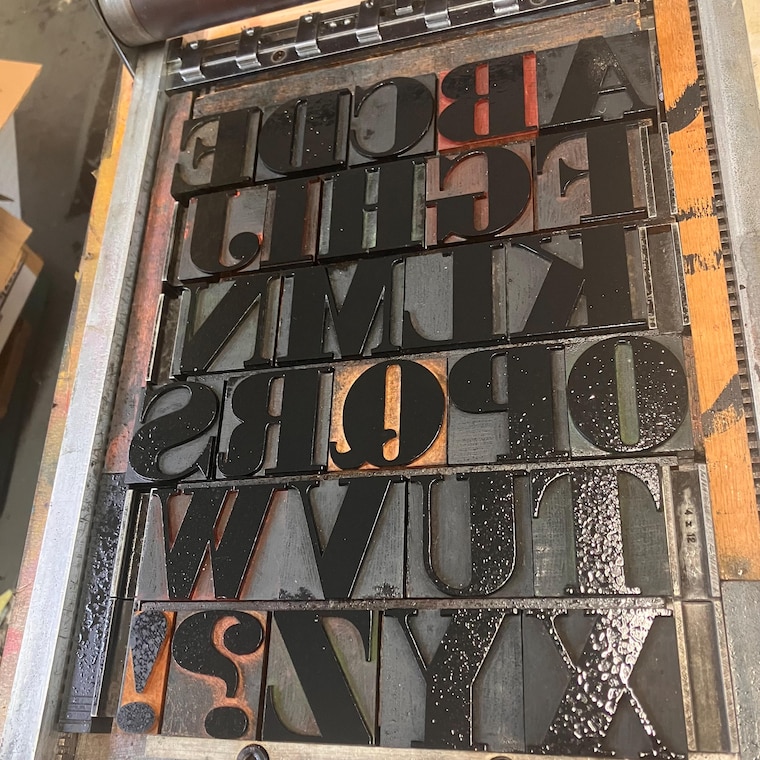
La impresión tipográfica en el mundo occidental fue desarrollada por Gutenberg en 1439, y este método —el uso de tipos móviles para imprimir libros, periódicos y otros materiales informativos— se mantuvo vigente hasta el siglo XX. El artista compone el texto, fija los tipos móviles (letras individuales) en la base de la prensa, los entinta y presiona el papel contra ellos para transferir la tinta.
Con la llegada de los ordenadores, muchos talleres de imprenta cerraron sus puertas y, lamentablemente, gran parte de sus tipos y equipos se perdieron. Por suerte, algunos aún sobreviven y muchos artistas están redescubriendo la belleza de este proceso y trayendo la imprenta al siglo XXI.
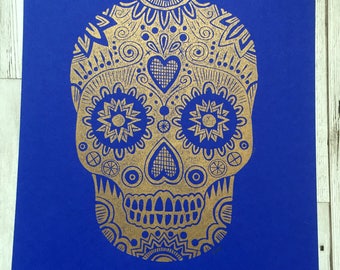
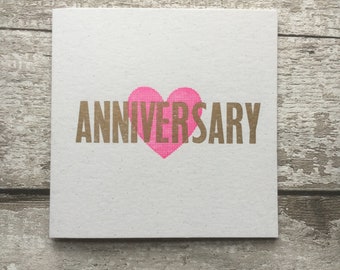
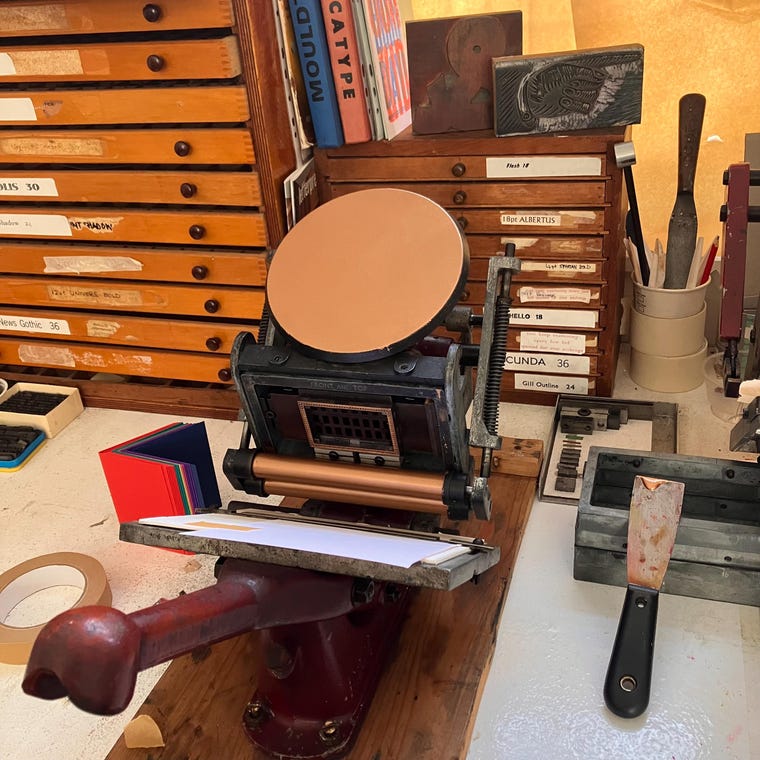
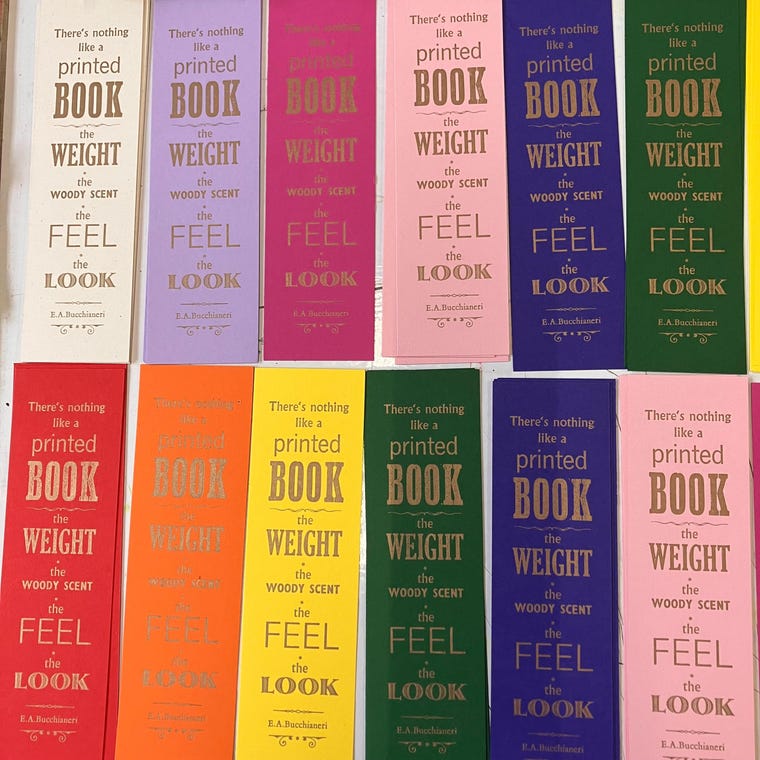
Mis artículos impresos con tipografía tradicional se imprimen utilizando bloques de impresión antiguos junto con tipos de madera y plomo antiguos en mi colección de imprentas rescatadas y restauradas: Ada, Babs, Brian, Ruth, Tom y Farley.
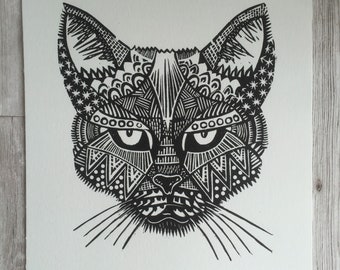
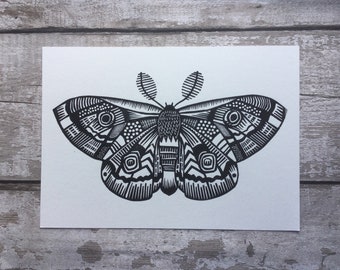
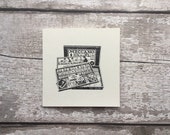
La impresión en linóleo utiliza un bloque hecho de una mezcla de corcho y aceite de linaza, prensado sobre una base de arpillera. Este material se utilizaba y aún se utiliza como revestimiento de suelos. El diseño se graba en la superficie del linóleo con un cuchillo afilado, un cincel en V o una gubia, de modo que las zonas en relieve representan las partes que se van a imprimir. La superficie se entinta con un rodillo y luego se imprime sobre papel o tela. La impresión propiamente dicha puede realizarse a mano o con una prensa.
Actualmente existen en el mercado otros bloques de grabado, a menudo denominados «linóleo», pero están fabricados con diversos plásticos y polímeros. Yo prefiero el auténtico linóleo tradicional de color gris oscuro, que, en mi opinión, ofrece una mejor impresión y es más respetuoso con el medio ambiente.
Gracias por leer. Si quieres saber más, no dudes en escribirme.
Hasta luego....
Karen
incógnita
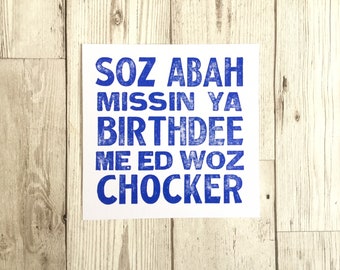
I like to create bright colourful work often with words and phrases designed to inspire, uplift or just make you laugh!
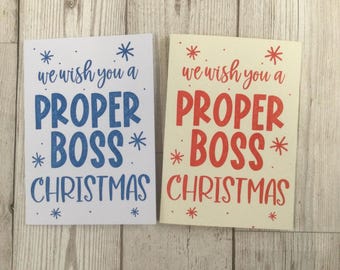
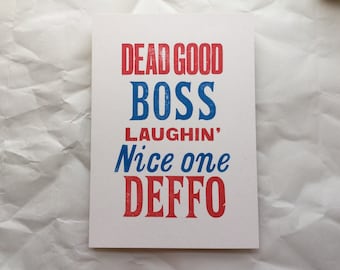
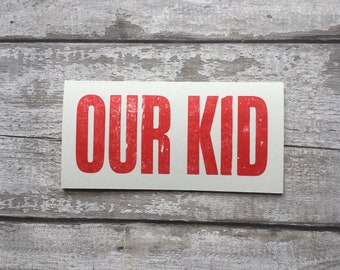
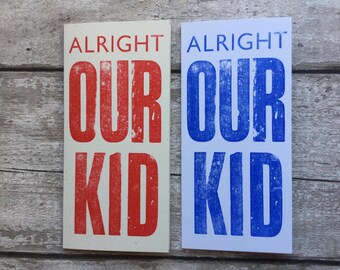
I started my SCOUSE goods way back in 2011 and they were designed in response to the negative stereotypes myself and fellow Scousers have sadly faced over the years. I am proud of my home city - I don't create prints of other cities vernacular - why would I? Your print will be 100% pure Scouse!
LETTERPRESS printing in the Western world was developed by Guttenberg in 1439 and it was this method - of using moveable type to print books and newspapers and other informative ephemera that remained in use until the 20th Century. The artist composes then locks movable type (individual letters) into the bed of a press, inks it, and presses paper against it to transfer the ink from the type.
With the introduction of computers many Letterpress workshops closed down and sadly a lot of their type and equipment was destroyed. Thankfully, a few remain and many artists are realising the beauty of the process and bringing Letterpress into the 21st Century.
My Letterpress items are printed using vintage printing blocks together with old wooden and lead type on my collection of rescued and refurbished printing presses Ada, Babs, Brian, Ruth, Tom and Farley.
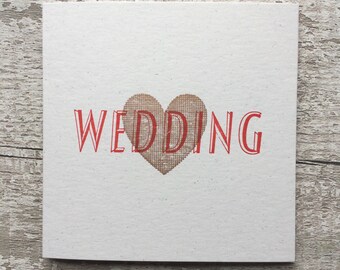
LINOCUT printing uses a block made from a mixture of cork and linseed oil compressed onto a hessian back. It was and still is used as a flooring material. The design is cut into the linoleum surface with a sharp knife, V-shaped chisel or gouge, with the raised (relief) areas representing the parts to be printed. The surface is inked with a roller and then impressed onto paper or fabric. The actual printing can be done by hand or with a press.
There are other carving blocks often called ‘Lino’ on the market nowadays but these are made from various plastics and polymers. I prefer the traditional ‘battleship grey’ true Lino which I find gives a better print and is more environmentally friendly.
Thanks for reading - please drop me a line if you would like to know more.
Cheerio for now....
Karen
x
