![Tyvek HomeWrap by the foot for camping, ultralight backpacking, tarping, crafts - [3 feet] x [1 foot]](https://i.etsystatic.com/7687366/r/il/b86f4f/3122787325/il_340x270.3122787325_cqth.jpg)
![Campsite Sign [aluminum]](https://i.etsystatic.com/7687366/r/il/a020b7/1966284997/il_340x270.1966284997_2zya.jpg)







Jag startade Trailsigns för att förena min njutning av hantverksskyltar med min kärlek till naturen.
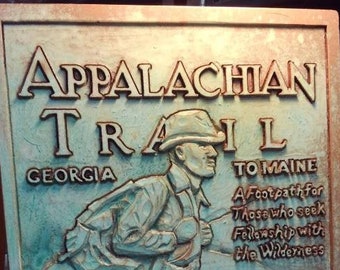
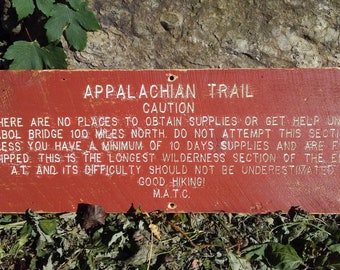
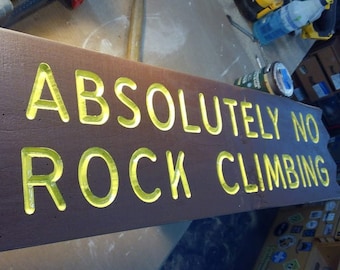
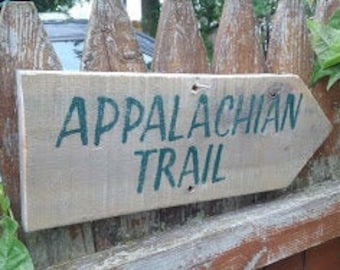
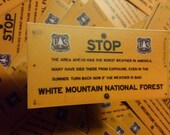
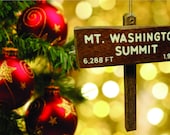
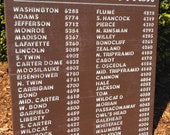
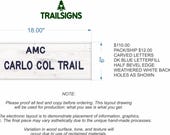
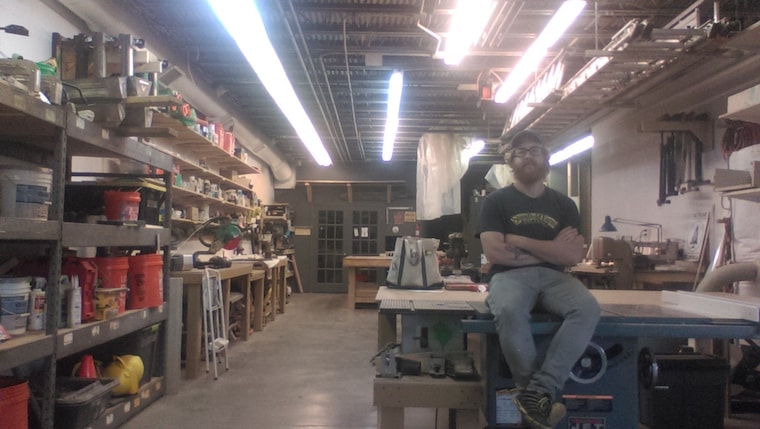
I began Trailsigns to dovetail my enjoyment of handcrafting signs with my love of the outdoors.
(Detta är ett utdrag från en artikel publicerad på den utmärkta vandringsbloggen Trailtosummit.com – läs hela intervjun här: trailtosummit.com/a-closer-look-trailsigns/)
_____
Vad fick dig att bestämma dig för att starta ett företag som tillverkar replikor av ledskyltar [efter din vandring på terrängbanan]?
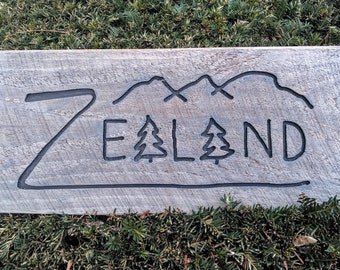
Phillip: Jag hade arbetat i skyltbranschen i 10 år innan jag började med thruhiking. Jag gillar verkligen hantverket att skapa något som är både estetiskt tilltalande och funktionellt; att konstruera skyltar som klarar de brutala vintrarna i New England är en rolig utmaning. Min vän John, som ursprungligen fick mig intresserad av seriös backpacking, beställde en skylt av mig som julklapp till sin pappa, en kopia av Zealand Hut-skylten. Det blev bra, och jag öppnade en Etsy-butik för att göra mer. Jag fick många beställningar från hela landet och upptäckte att jag verkligen tyckte om att göra dem.
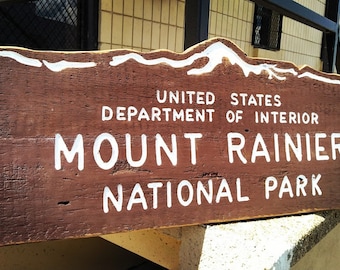
Jag känner att det finns en verklig koppling till skyltarna på leden. Att se den där skylten med vindskydd efter att ha vandrat flera kilometer i kallt regn är bara den vackraste synen man kan tänka sig. Eller den där skylten på toppen, och man vet att den svåra klättringen är över (för ett tag). Skyltar är milstolpar, landmärken, en indikation på att man går framåt eller in i en ny del av sin resa. Det finns den där sjunkande känslan när man tror att det är skylten för toppen och att det bara är en skylt som säger "alpin zon, håll dig på leden"! Skyltar markerar korsningar, de visar de stigar vi tar och de vi hoppar över, de vyer som är för långt borta. Ändpunkterna är markerade med skyltar; vi tar bilder bredvid dem för att dokumentera vår position på leden. De är exceptionellt viktiga. "Välkommen till Damascus" var en viktig fråga för mig, tillsammans med skylten som välkomnade mig till New Hampshire, och den vid gränsen mellan Tennessee och Virginia, när vi visste att vår oändliga vandring genom den längsta delstaten var över. Så att göra dessa reproduktioner är tillfredsställande för mig, tror jag, eftersom skyltar har en så känslomässig koppling till vår resa, de väcker lite av de där intensiva känslorna från vår tid på leden.
_____
Var lärde du dig att snida trä?
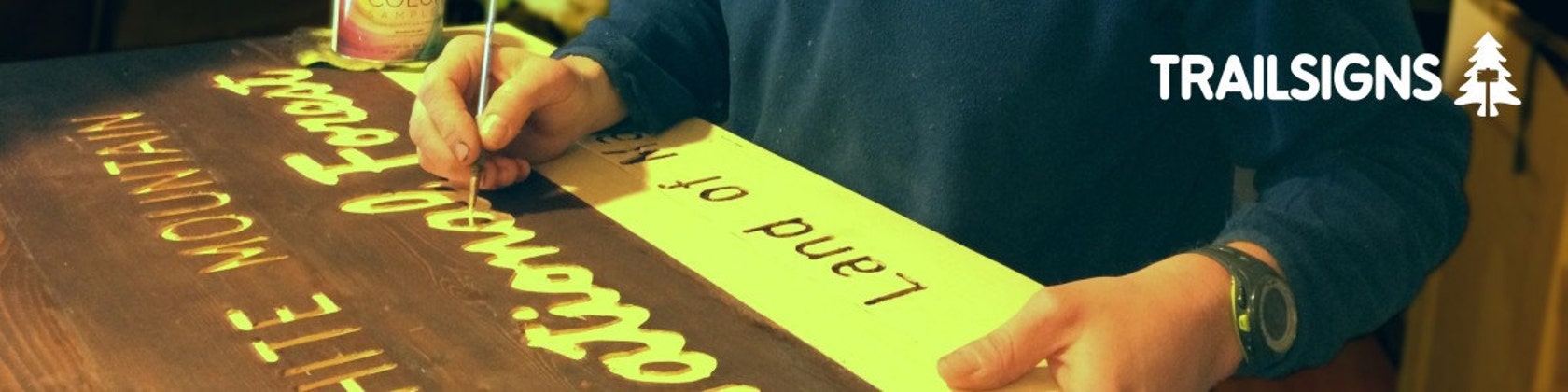
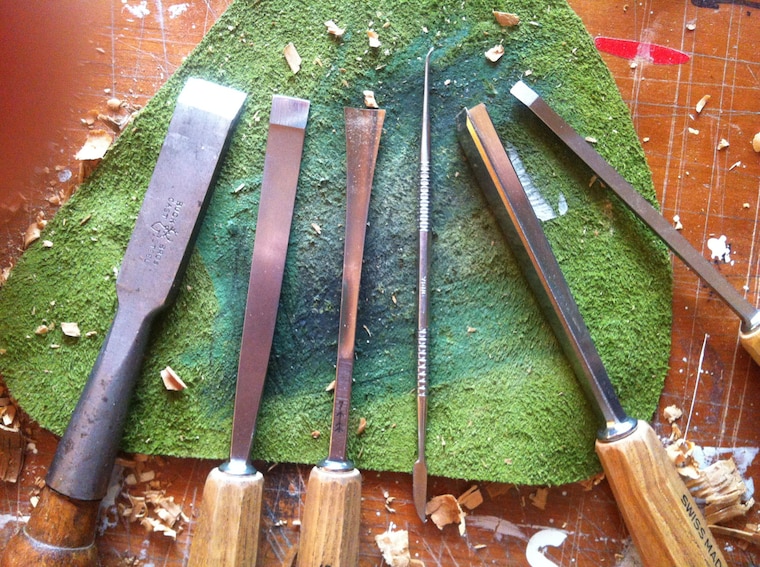
Phillip: Jag har arbetat med trä och många andra byggmaterial i 15 år, som snickare, målare och skyltmakare. Eftersom vinylskärare och CNC-fräsar är rimligt prisvärda nuförtiden, vilket är fantastiskt, är konsten att handsnida och handmåla så gott som förlorad. Jag deltog i en workshop i bokstavssnida på North Bennet Street School för ett par år sedan, eftersom jag ville veta hur man gör det. För er som inte vet är NBSS en fantastisk institution i North End, specialiserad på hantverk som fiolbygge, pianolagning, skåpssnidarskap, träsnideri – verkligen gammaldags. Jag är inte på något sätt en expertsnidare, jag har många års övning kvar innan jag kan påstå det, men jag tycker oerhört mycket om det, och att gå vilse när man snider i trä är fantastiskt; det är meditativt och lugnande… lite som att vandra. Jag tycker också om själva reproduktionshantverket, att titta på ett verk och bestämma hur man gör en övertygande kopia kräver kunskap om tekniker, processer och material. Jag gör även skyltar med modernare automatiserade metoder, men att snida för hand är en speciell – och tidskrävande – sak.
_____
Vilket har varit ditt favoritprojekt hittills?
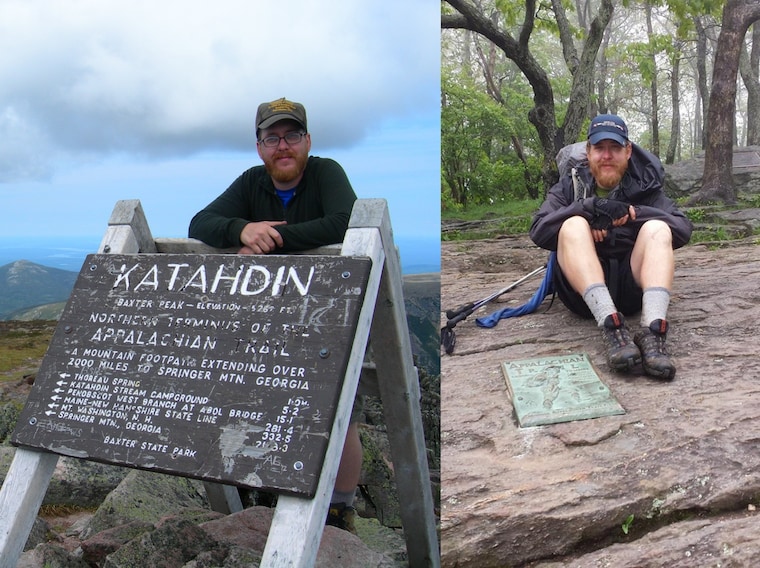
Phillip: Jag älskar att göra Katahdin-skyltarna; jag har gjort flera till folk över hela landet, mestadels tidigare vandrare. Jag fick en beställning till ett par som vandrade tillsammans för några år sedan och nu väntar en pojke. Hans mellannamn blir Katahdin, och de beställde en skylt att hänga i hans barnrum. Att veta att skylten jag gjorde kommer att finnas där när han växer upp, och förhoppningsvis kommer han alltid att behålla den, var ett ganska fantastiskt koncept, och jag var väldigt glad över att göra den.
(This is an excerpt from an article published on an outstanding hiking blog, Trailtosummit.com - read full interview here: http://trailtosummit.com/a-closer-look-trailsigns/)
_____
What made you decide to start a business making replica trail signs [after your AT thruhike]?
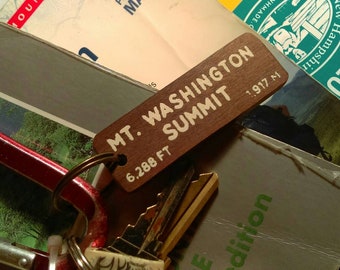
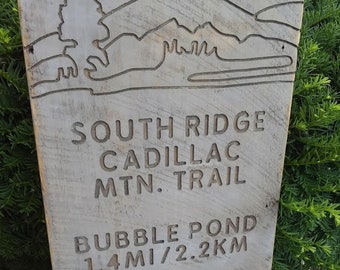
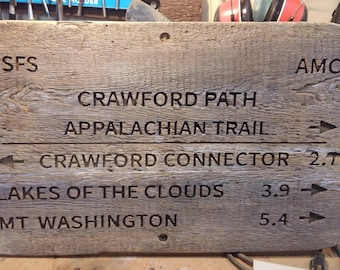
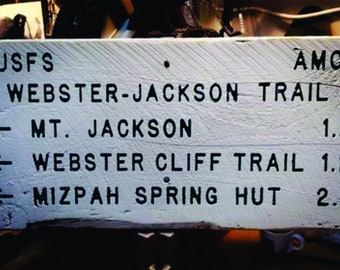
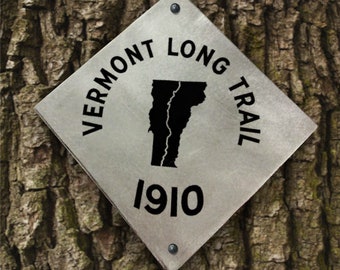
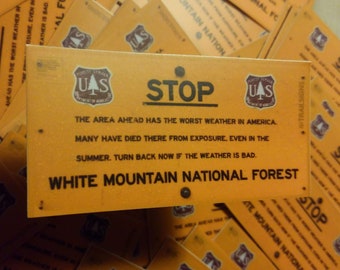
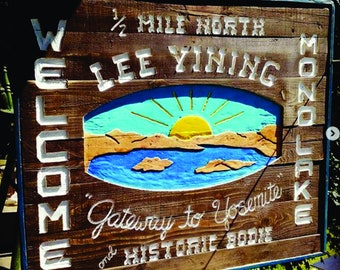
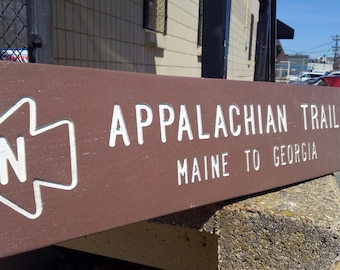
Phillip: I had worked in the sign business for 10 years prior to thruhiking. I really like the craft of creating something that is both aesthetically pleasing and functional; engineering signs to withstand the brutal winters of New England is a fun challenge. My friend John, who originally got me interested in serious backpacking, commissioned a sign from me as a Christmas present to his dad, a copy of the Zealand Hut sign. It turned out well, and I opened an Etsy store to do more. I got a lot of orders from all over the country, and found that I really enjoyed making them.
I feel like there’s a real connection to signs on the trail. Seeing that shelter sign after hiking for miles in the cold rain is just about the most beautiful sight you can imagine. Or that sign at the summit, and you know your hard climb is over (for a while). Signs are milestones, landmarks, an indication you’re moving forward or moving into a new part of your journey. There’s that sinking feeling when you think it’s the summit sign and it’s just a sign that says “alpine zone, stay on the trail”! Signs mark crossroads, they show the paths we take and the ones we skip, the views that are too far away. The termini are marked by signs; we take pictures next to them to document our position on the trail. They are exceptionally important. “Welcome to Damascus” was a big one for me, along with the sign welcoming me to New Hampshire, and the one at the border of Tennessee and Virginia, when we knew our unending trek through the longest state was over. So making these reproductions is fulfilling for me, I think, because signs have such an emotional connection to our journey, they bring back a little of those intense feelings from our time on the trail.
_____
Where did you learn to carve wood?
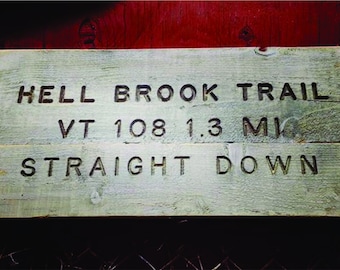
Phillip: I’ve worked with wood and a lot of other building materials for 15 years, working as a carpenter, painter, and signmaker. Since vinyl cutters and CNC routers are reasonably affordable these days, which is great, the art of hand-carving and hand-painting is all but lost. I took an incised letter-carving workshop at the North Bennet Street School a couple of years ago, because I wanted to know how to do it. For those who don’t know, NBSS is an amazing institution in the North End, specializing in crafts like violin making, piano repair, cabinet making, wood carving – truly old-school. I am by no means an expert carver, I have many more years of practice before I could claim that, but I enjoy it immensely, and getting lost carving wood is great; it’s meditative and calming… a bit like hiking. I also enjoy the craft of reproduction itself, looking at a piece and deciding how to make a convincing copy requires a knowledge of techniques, processes, and materials. I also make signs with more modern automated methods, but hand-carving is a special – and time-consuming – thing.
_____
What has been your favorite project so far?
Phillip: I love making the Katahdin signs; I’ve made several for people all over the country, mostly former thru hikers. I got an order for a couple who thruhiked together a few years ago and are now expecting a baby boy. His middle name will be Katahdin, and they ordered a sign to hang in his nursery. Knowing that the piece I made will be there as he grows up, and hopefully he will always keep, was a pretty awesome concept, and I was very happy making that one.
