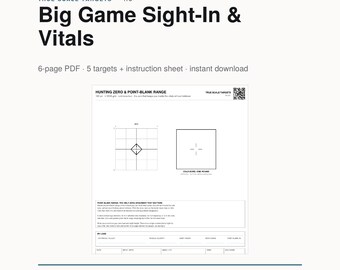
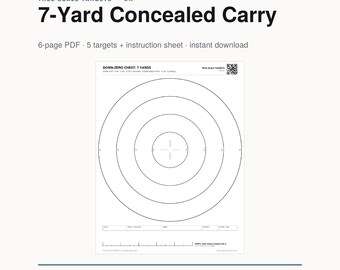
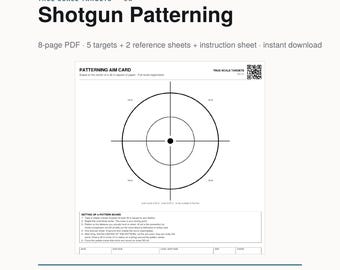
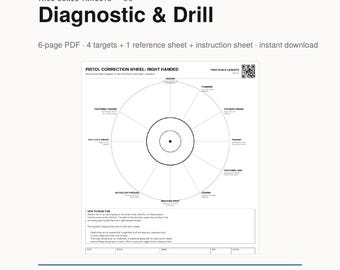
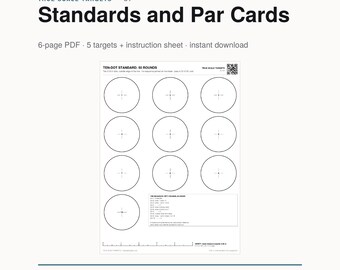
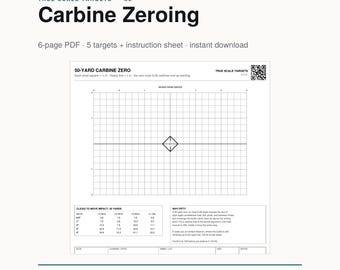
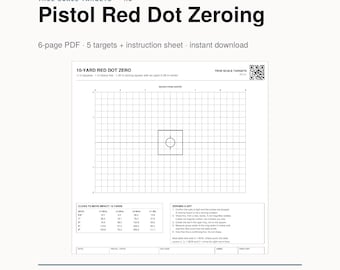
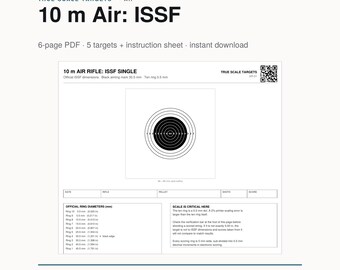
Most printable targets are pictures of targets. The rings are whatever size the designer's drawing program made them, and when your printer quietly shrinks the page to fit, nobody finds out until a zero refuses to settle.
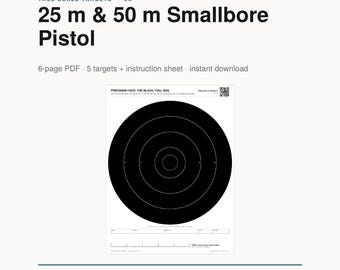
These are built from measurements instead. Every ring, grid and scoring zone is computed from real angular units, true MOA at 1.047 inches per hundred yards, not the rounded inch most sheets use. The 10-metre air targets are drawn to the published ISSF rule-book dimensions, measured to the outside edge of the ring line the way the rules actually specify.
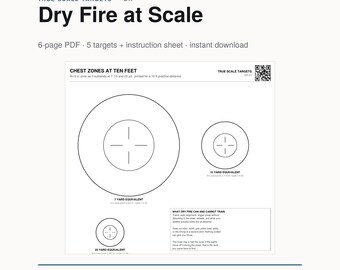
In practice that means this: download the pack, print it at 100% on whatever paper you like, plain copy paper is fine for grids, card stock earns its money on anything you will staple up and shoot twice — then put a ruler on the 5-inch bar once, on the first sheet out of the tray. If it reads 5.00 inches your settings are right and you can print the rest of the stack without thinking about it. Then go shooting.
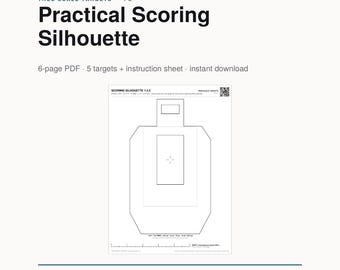
The designs also use open outlines wherever competition rules don't demand a solid black aiming mark. That is not a style choice, it means a sheet costs you a fraction of the toner, so you can print a target per string instead of rationing them.
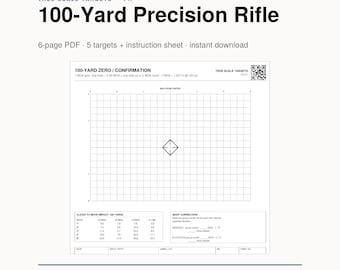
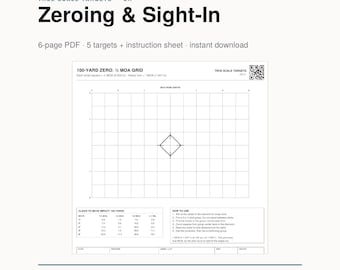
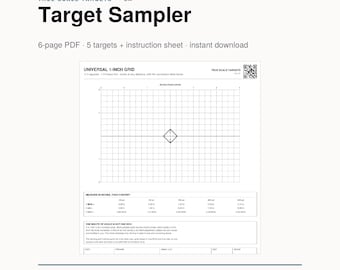
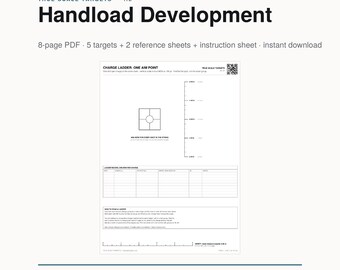
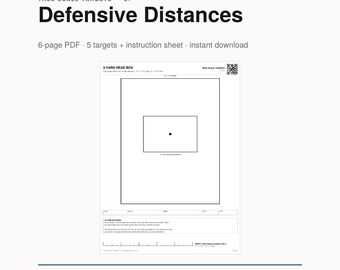
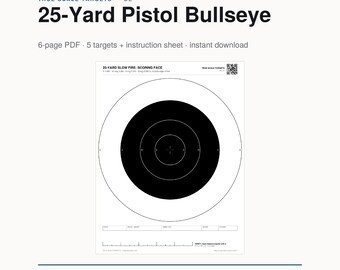
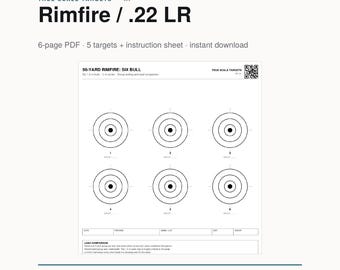
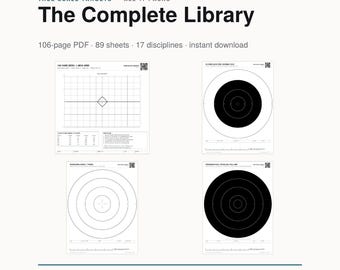
Every pack opens with an instruction sheet: how to print it so the dimensions survive, what each of the five targets is for and at what distance, and how to read what you shot. Nobody else puts that in the download, and it is the page that decides whether the rest of the pack is worth anything.
Built by a shooter who got tired of guessing whether the target was lying.