




Jewelry you can trust from a professional piercer
The number one question my clients ask me is "where can I buy jewelry?". And I try to give them good recommendations, but there are just hardly any reputable body jewelry retailers out there (not including piercing studios). So the majority of them end up ordering things from Amazon or one of the numerous disreputable online retailers. This results in said clients bringing in jewelry they've ordered for me to change for them. And a good portion of the time, what they've ordered either isn't what they initially wanted, they accidentally ordered the wrong gauge or length, the style of jewelry just doesn't work for the placement of the piercing, or they come back in a few weeks later because the metal is tarnishing or chipping and irritating the shit out of their skin.
So, I've started my shop for the purpose of providing my clients with a trustworthy source for high quality jewelry, and making the process of online jewelry shopping a bit easier.
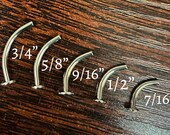
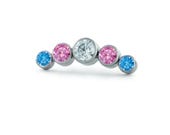
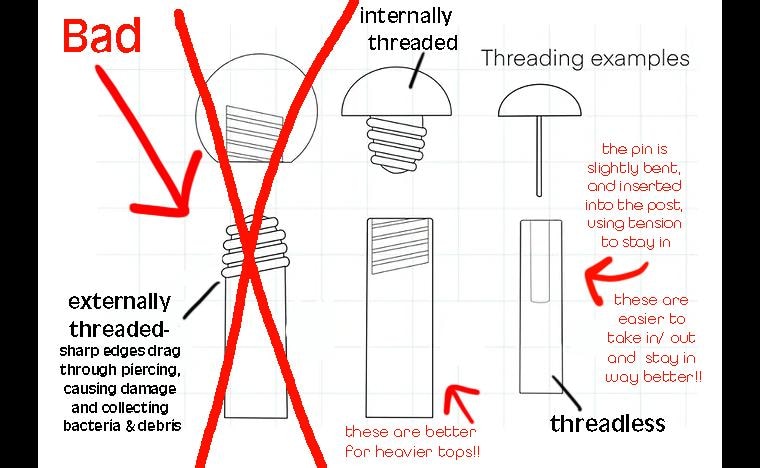
Buying body jewelry online can be very confusing for the average client who isn't a piercer or piercing enthusiast. And that's okay, that's my job!! You have to know what gauge you need, what length labret or barbell you need, what diameter top you need, the difference between threadless, externally threaded, and internally threaded jewelry, and which jewelry styles work for which piercings. For example, you need a ring with front facing gems for a septum or daith, while you'd want a ring with side facing gems for a helix or conch. That big curved gem cluster you've been eyeing for your conch piercing may be too long or not curved enough and not lay correctly in your ear. 20 gauge is too thin for a nostril or cartilage piercing. Butterfly back earring studs should never be worn in cartilage. And on and on. It's much easier to consult first with someone who can ensure you're buying exactly what you want.
Most body jewelry retailers do not have to prove what their jewelry is made of. Spoiler: just because it's titanium or "surgical steel" doesn't mean it's good quality!! It is the alloy's grade & the polish of the jewelry that's important. Implant grade Titanium is given the designation ASTM F-136. Implant grade stainless steel is ASTM F-138. These are both deemed safe to be in the body for long periods of time and are used in certain surgical applications. High quality body jewelry is also polished to a mirror finish. Miniscule nicks, scratches, burs, and other imperfections on the surface of your jewelry can severely irritate the inside of your piercing.
I sell implant grade titanium and stainless steel, conflict free solid 18k and 14k gold, niobium, and borosillicate glass, which are all considered biocompatible materials. Prices do reflect the quality of the jewelry. On the lower end, I have some jewelry made of 316L stainless steel, including some with a PVD gold or black coating. PVD coating can wear off over time! These pieces should be worn in healed piercings only.
Body jewelry verification comes in the form of mill certificates, which are provided by companies who sell wholesale body jewelry to piercers. Mill certificates require companies to document the entire jewelry making process, from melting raw elements to polishing a finished piece. This ensures that piercers can trust that the jewelry they are purchasing is safe for their clients to wear.
