









Un piccolo laser per hobby è un incredibile generatore di idee!
A Small Hobby Laser Is an Incredible Idea Generator!
Tutto è iniziato con un piccolo kit a punto croce che ho acquistato mentre visitavo il Regno Unito.
È stato realizzato da Heritage Crafts ed era un'immagine del Taj Mahal. Non avevo idea di come fare il punto croce e non avevo idea che mi avrebbe portato nella direzione di creare una piccola attività artigianale per la casa. Il kit è stato fornito con 14 tessuti Aida, circa 25 fili colorati e istruzioni su come creare l'immagine utilizzando semplici punti "x". Mi ci sono voluti alcuni mesi, ma ho completato l'immagine ed ero entusiasta dei risultati. Lungo la strada, ho scoperto che anche se le fibre colorate erano etichettate in base al numero del produttore, spettava a me districarle, etichettarle con il simbolo appropriato secondo il grafico e quindi separarle in 2 fili per ogni volta che cucivo. Mi ci è voluto più tempo per fare questa organizzazione che per cucire davvero l'immagine. Il supporto in fibra di cartone sottile e fragile non ha resistito alla mia costante manipolazione, piegatura e avvolgimento delle fibre. Presto l'ho sostituito con un pezzo di carta più spesso, ma un seme di un'idea è stato posto nella mia mente sul miglioramento di un portafili.
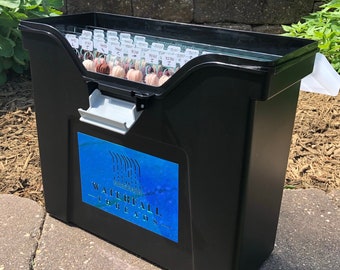
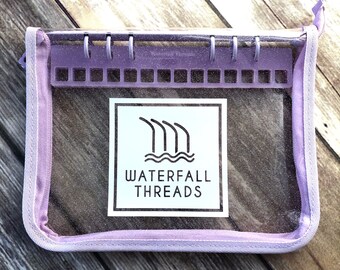
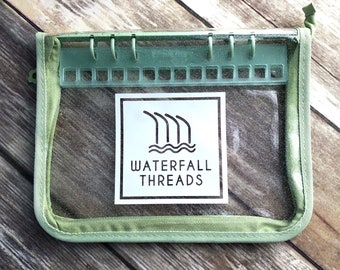
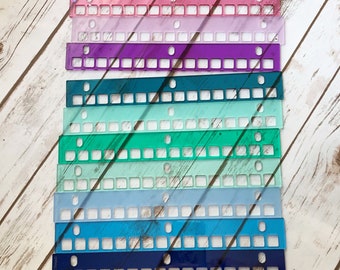
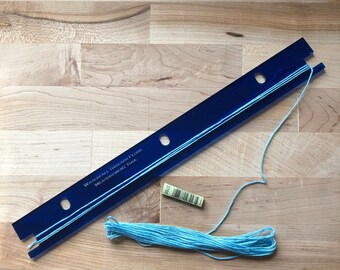
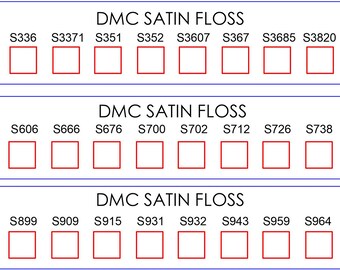
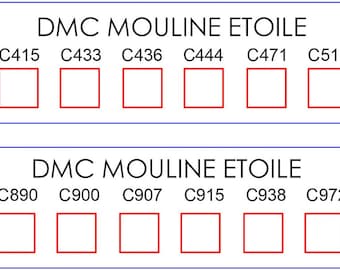
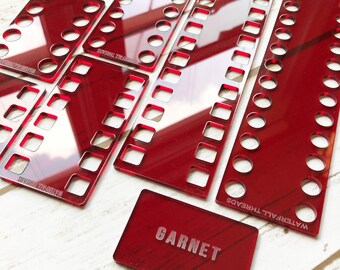
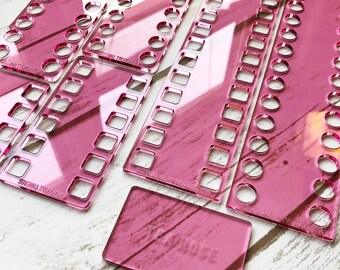
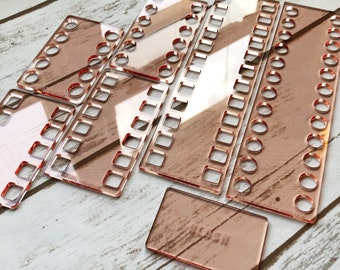
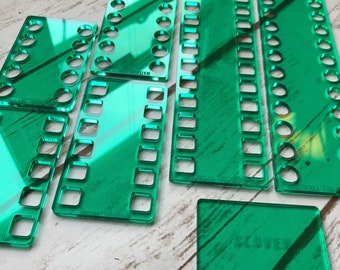
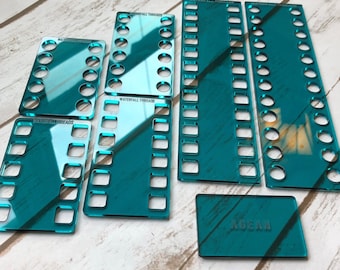
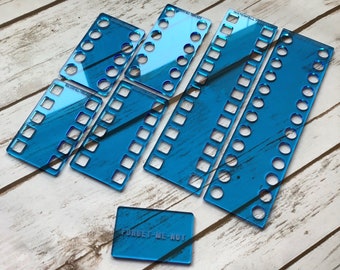
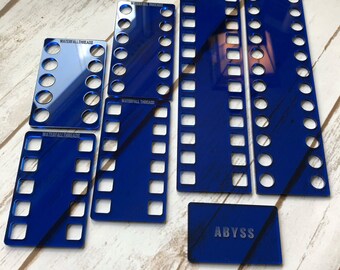
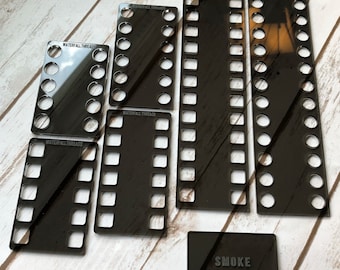
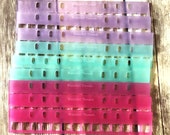
Da allora ho completato molti kit a punto croce e mi sono interessato a realizzare una grande serie di arazzi raffiguranti l'epica saga di Star Wars usando lana di arazzo e immagini che ho convertito in modelli a punto croce usando un programma software che ho scoperto dall'Australia. Ogni immagine è stata creata con 35-40 colori e avevo bisogno di un modo per organizzare, etichettare e memorizzare tutte le diverse fibre. Non c'erano sistemi di stoccaggio in fibra adatti in nessun negozio di artigianato locale, quindi mi è venuta l'idea di utilizzare una scatola di cartelle di file appesa, una acquistata in qualsiasi Staples o Office Depot. I file appesi sarebbero stati sostituiti da barre della stessa lunghezza, ma abbastanza larghe da avere fori per contenere le spesse fibre dell'arazzo e un'etichetta per il numero del produttore e il simbolo del grafico.
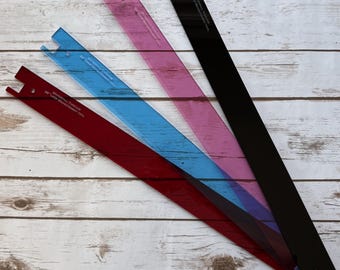
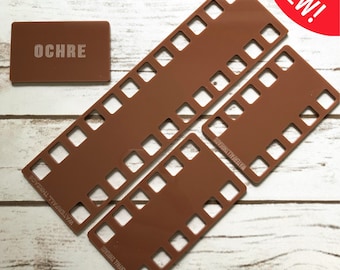
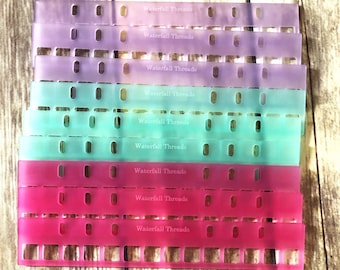
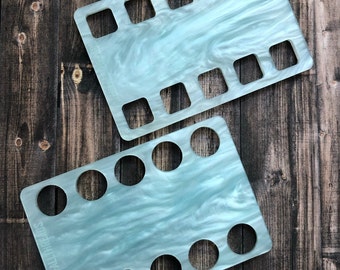
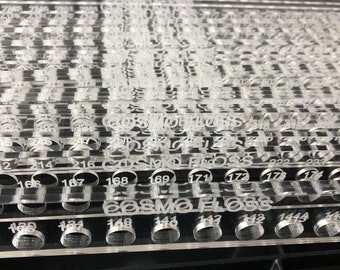
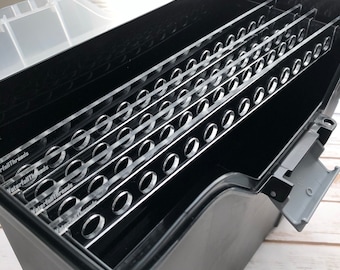
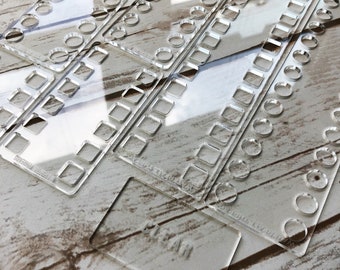
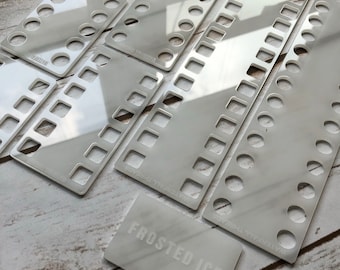
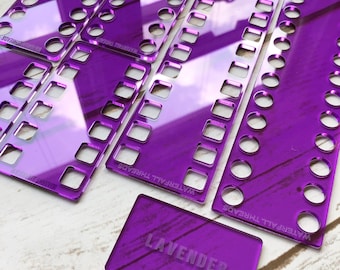
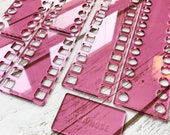
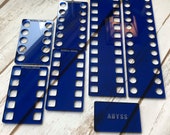
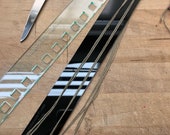
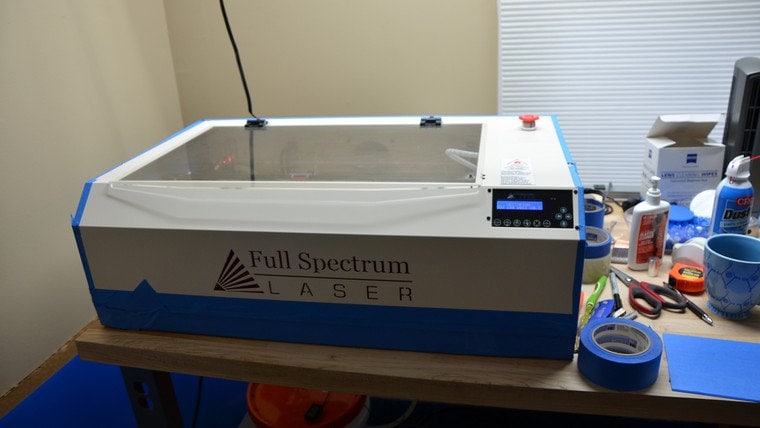
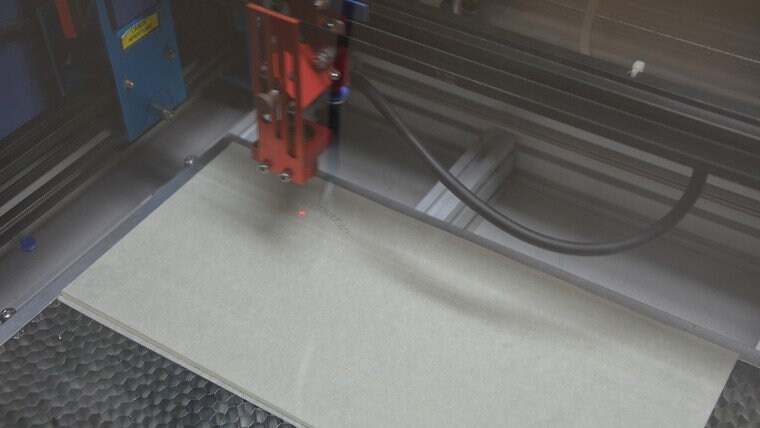
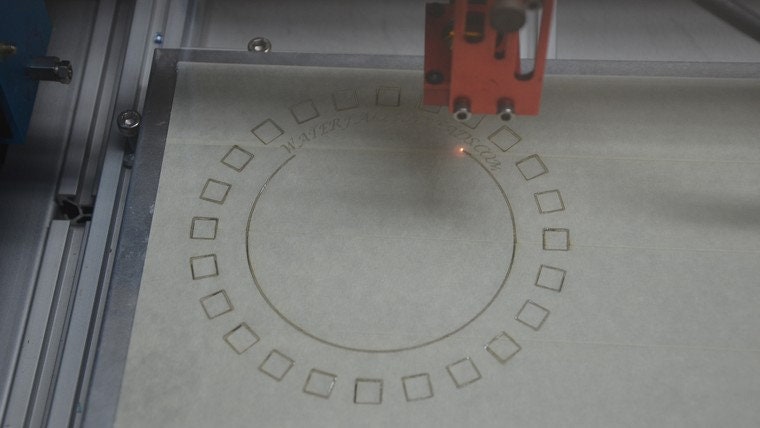
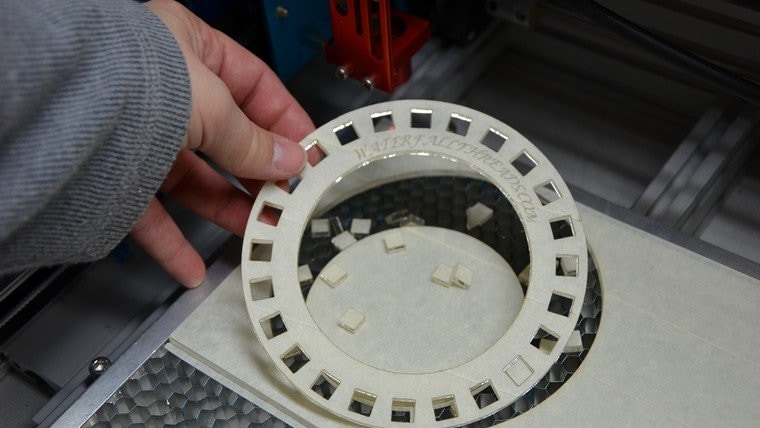
Con l'aiuto di mio marito, ho realizzato alcune barre rudimentali da una sottile plastica acrilica che mio marito aveva in giro nel seminterrato usando le dimensioni di larghezza di una cartella di file appesa, ma aggiungendo fori per le fibre. Ho usato una sega a taglio, una sega a scorrimento e un trapano con una punta larga 1 ". Voilà!! Hanno funzionato incredibilmente bene. Dato che sono uno scienziato dei materiali, ero consapevole che c'erano piccoli laser per hobby sul mercato e sono andato alla ricerca di uno. Ho trovato un piccolo laser Full Spectrum da 40 watt in vendita su Craigslist e io e mio marito abbiamo trascorso molti mesi con fogli di tecniche di taglio di perfezionamento acrilico.
Anni fa gli unici mercati per l'artigianato erano le chiese locali con spettacoli di artigianato stagionale, o le fiere di strada che si svolgevano in estate. Ora, l'incredibile potere di Internet e di siti come Etsy, Ebay, Amazon e altri raggiungono clienti in tutto il mondo, in particolare gli artigiani di aghi, che sono alla ricerca di articoli e strumenti speciali per aiutare il loro lavoro. Sono felice di essere uno di quei fornitori di strumenti speciali e sono felice di utilizzare la tecnologia del 21 ° secolo per creare quegli strumenti solo per te.
It all started with a small cross-stitch kit I purchased while visiting the United Kingdom.
It was made by Heritage Crafts and was an image of the Taj Mahal. I had no idea how to do cross-stitch stitching and no idea it would lead me in the direction of creating a small home craft business. The kit came with 14 count Aida fabric, about 25 colored threads and instructions on how to create the image using simple 'x' stitches. It took me a few months, but I did complete the image and was thrilled with the results. Along the way, I discovered that even though the colored fibers were labeled according to manufacturer number, it was up to me to untangle them, label them with the appropriate symbol according to the chart, and then separate them into 2 strands for each time I stitched. It took longer for me to do this organization than it did to really stitch the image. The flimsy thin cardboard fiber holder did not stand up to my constant handling, bending and wrapping of the fibers. I soon replaced it with a thicker piece of card weight paper, but a seed of an idea was placed in my mind on improving a thread holder.
I completed many cross-stitch kits since then and became interested in making a large tapestry series depicting the epic saga of Star Wars using tapestry wool and images I converted into cross-stitch patterns using a software program I discovered from Australia. Each image was created with 35-40 colors and I needed a way to organize, label and store all of the different fibers. There were no suitable fiber storage systems at any local craft stores, so I came up with the idea of using a hanging file folder box, one purchased at any Staples or Office Depot. The hanging files would be replaced by bars of the same length, but wide enough to have holes to hold the thick tapestry fibers and a label for the manufacturer's number and chart symbol.
With my husband's help, I made some rudimentary bars from some thin acrylic plastic my husband had lying around in the basement using the width dimensions of a hanging file folder, but adding holes for the fibers. I used a hack saw, a scroll saw and a drill with a 1" wide bit. Voila!! They worked incredibly well. Since I am a Material Scientist, I was aware there were small hobby lasers on the market and went in search of one. I found a small 40 watt Full Spectrum laser for sale on Craigslist, and my husband and I spent many months with sheets of acrylic perfecting cutting techniques.
Years ago the only markets for crafts were local churches with seasonal craft shows, or street fairs which came around in the summer. Now, the incredible power of the internet and sites such as Etsy, Ebay, Amazon and others reach worldwide customers, especially needle crafters, who are looking for specialty items and tools to assist their work. I am happy to be one of those providers of specialty tools and I am happy to use 21st century technology to create those tools just for you.
