


"Non seguire i sentieri battuti, traccia il tuo sentiero!"
"Don't follow the beaten trail, Blaze your own Path!"
-Chi siamo:
Siamo surfisti, yogi, artisti, escursionisti e tutti intorno fun-havers. Siamo noi che urliamo alla tua buona onda, e siamo l'amico che ti fa salire in cima alla montagna. Siamo gli amanti della natura, i lustri vaganti e gli hippy scalzi della tua vita. Siamo West Path, i tuoi amici e i tuoi compagni di squadra.
In breve, facciamo parte delle stesse comunità che sei tu. Ed essere parte di queste comunità ci fa sentire come se avessimo l'obbligo di proteggere e restituire a queste cose che amiamo.
-Missione:
In West Path, la nostra missione è fornire la migliore esperienza cliente possibile, fare affari in modo sostenibile ed etico e realizzare i prodotti più fantastici di sempre.
Ciò significa che non vogliamo solo fare e vendere buoni prodotti, vogliamo fare e vendere i migliori prodotti, in un modo che sia salutare per l'ambiente, le persone che li producono e le nostre comunità nel loro complesso.
Ciò significa anche che se pensi che siamo fuori punto in qualsiasi cosa facciamo, vogliamo sentirti. Seriamente, inviaci un'e-mail e faccelo sapere - customerservice@westpath.com
-Come abbiamo iniziato:
Un po' di fortuna, un tocco di grinta e un sacco di stoke.
Abbiamo iniziato West Path con la semplice idea che c'è un'idea migliore per fare affari. Uno in cui l'attenzione principale non era sulla redditività, ma sugli impatti che l'azienda aveva sull'ambiente e sulle comunità con cui era coinvolta.
Abbiamo mirato a creare qualcosa che non solo ci soddisfacesse con un senso di scopo, ma influenzasse anche positivamente l'ambiente e le persone che hanno contribuito a creare i nostri beni.
Non fraintendetemi, l'azienda doveva ancora fare abbastanza per sostenersi e pagare le proprie bollette, ma l'obiettivo principale sarebbe sempre stato quello di creare un modello di business etico e avere un impatto netto positivo sul mondo. Se questo non ha funzionato, oh beh, avevamo il nostro lavoro su cui ripiegare --- il punto era quello di sentirci bene con quello che stavamo facendo, quindi se non potevamo essere all'altezza dei nostri principi, perché farlo affatto?
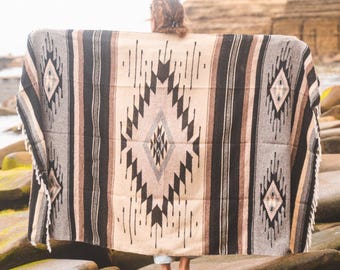
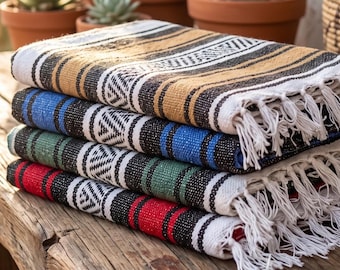
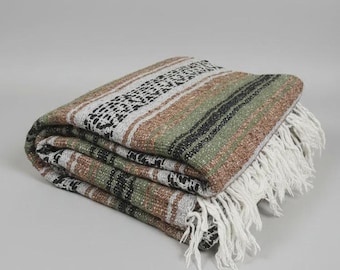
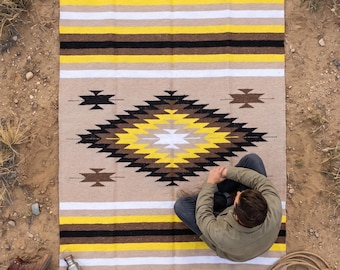
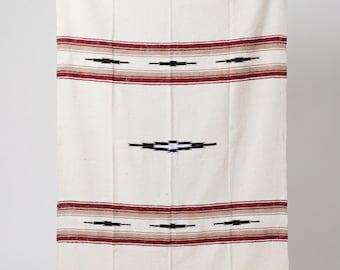
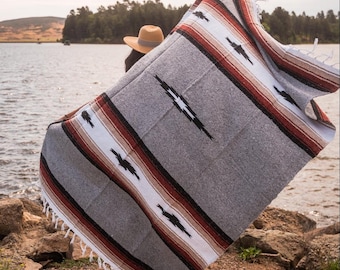
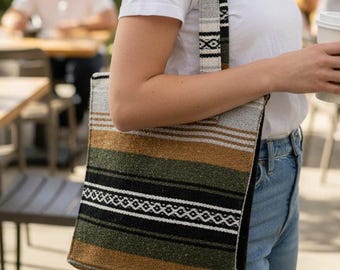
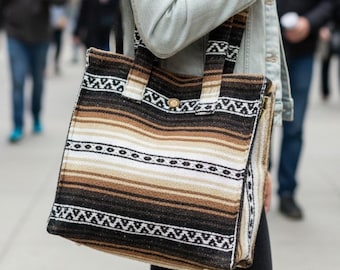
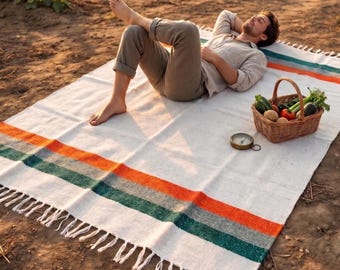
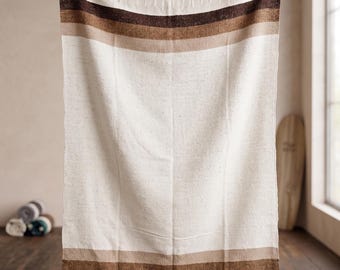
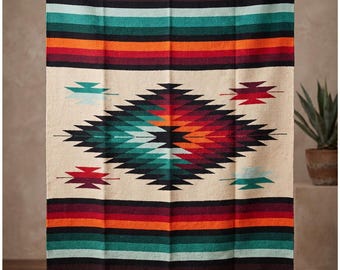
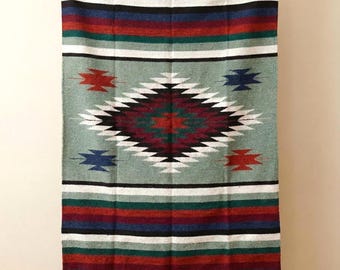
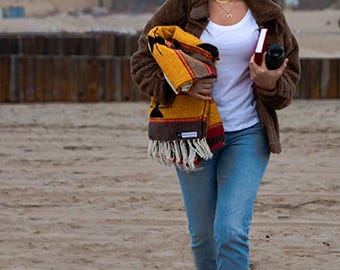
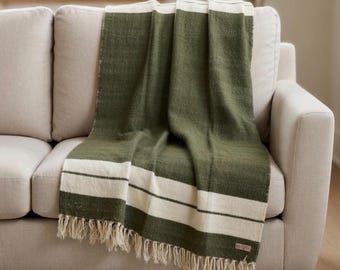
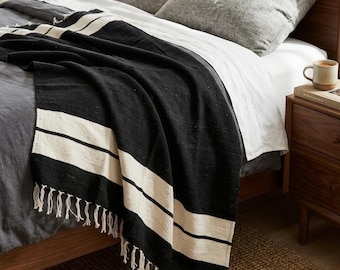
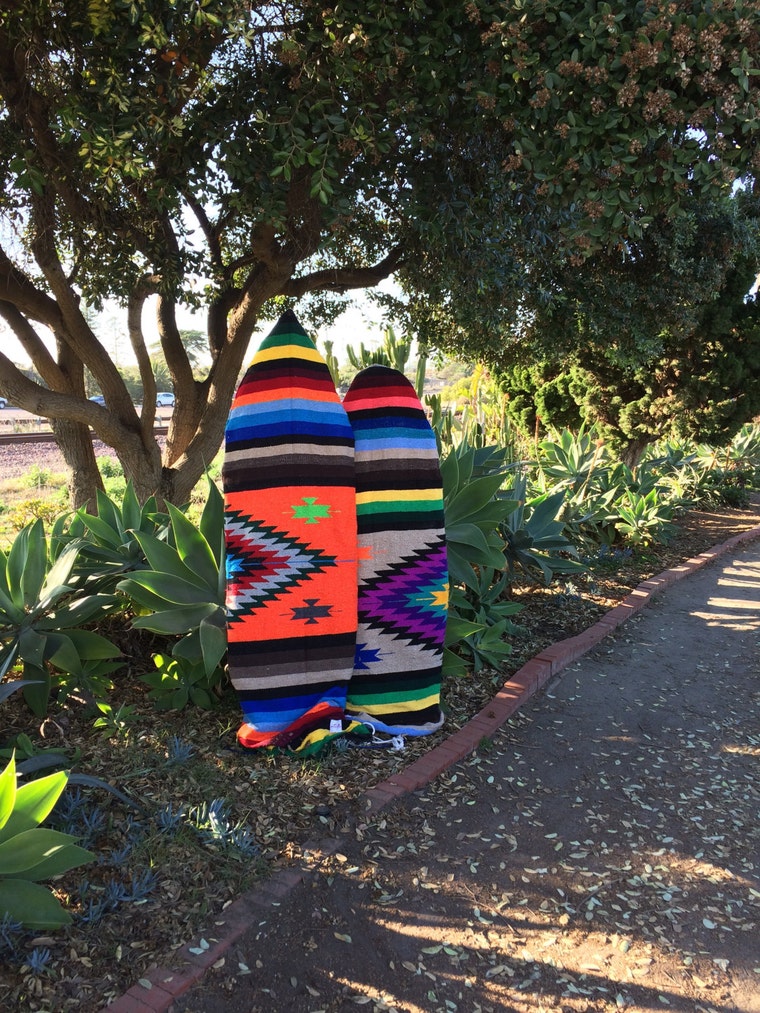
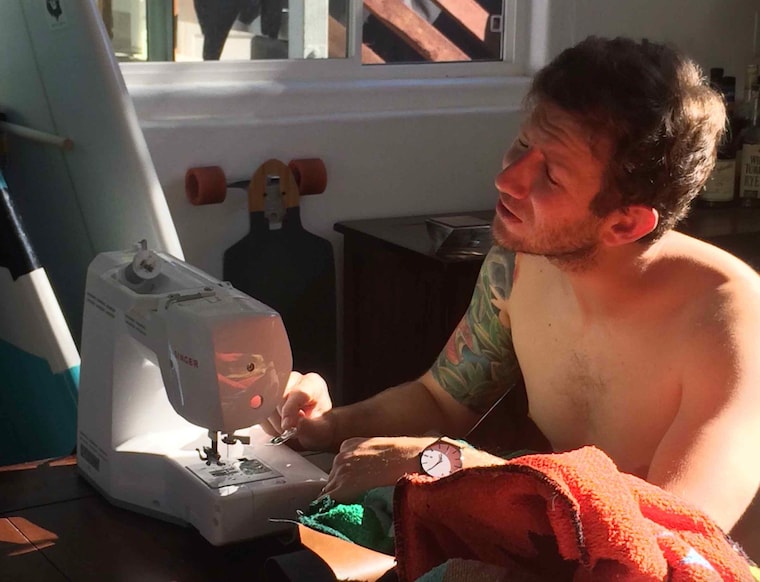
Quindi abbiamo iniziato facendo e vendendo prodotti fatti a mano, poiché sapevamo che questi articoli avrebbero avuto un impatto diretto sui piccoli artigiani indipendenti che li producevano, e i profitti non sarebbero andati a qualche grande conglomerato o gigantesco business. Il nostro primo successo minore è stato con l'acquisto di coperte messicane tessute a mano e poi cucirle in borse da surf nel nostro garage e loft. Abbiamo avuto un buon feedback iniziale da alcuni clienti e abbiamo rapidamente avuto una domanda per le nostre borse superiore alla nostra capacità di cucirle dopo il lavoro.
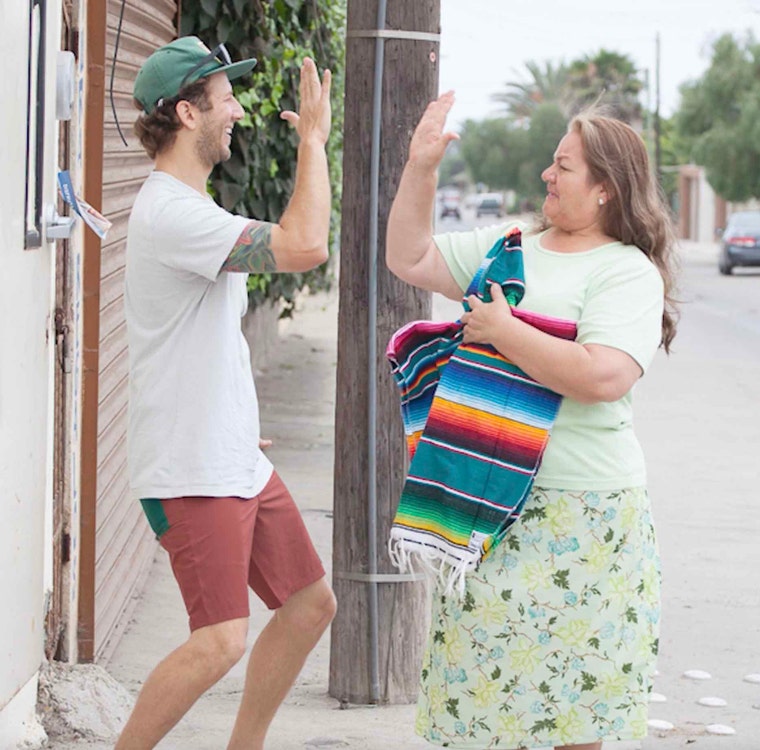
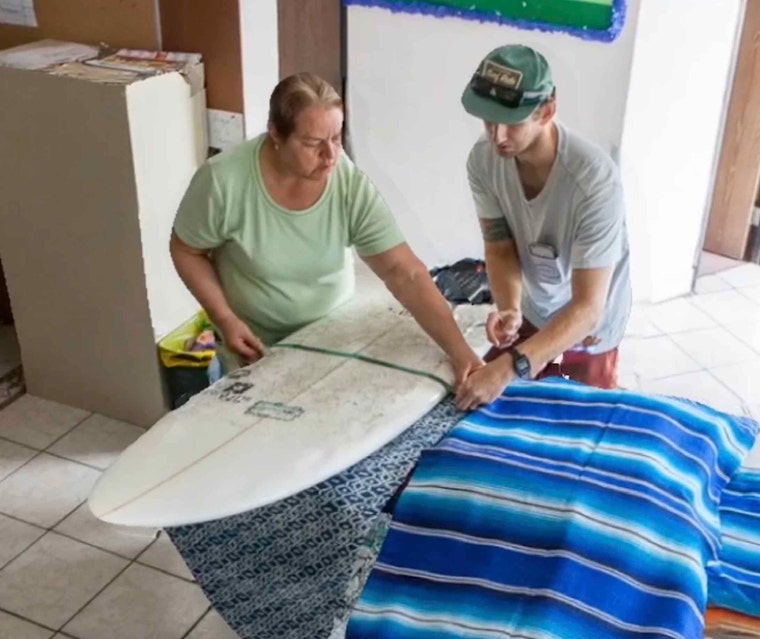
Poi, dopo un fatidico surf trip fino a Rosarito, in Messico, abbiamo deciso di fare un salto di fede e cercare di trovare artigiani per cucire le borse per noi, e per creare la nostra mini-catena di approvvigionamento. Abbiamo finito per collaborare con una chiesa - abbiamo fornito i materiali, le attrezzature e il know-how e avremmo pagato un salario generoso per ogni borsa, e hanno insegnato ai loro congregati come cucire e lasciare che chiunque non riuscisse a trovare lavoro cercasse di fare qualche soldo in più creando le nostre borse da tavola. Questo ha avuto un enorme impatto sulla comunità ecclesiale, e ha anche fatto crescere enormemente la nostra attività - stava cominciando a essere difficile vedere questo come solo un trambusto laterale.
Abbiamo iniziato a scalare questa partnership ecclesiale e abbiamo iniziato a reperire prodotti certificati biologici e certificati per il commercio equo e solidale (dove una parte del nostro prezzo di acquisto delle merci risale direttamente ai lavoratori che producono le merci). Abbiamo trovato fabbriche per realizzare a mano nuovi stili di borse da tavola in altri paesi e abbiamo iniziato a lavorare con organizzazioni non profit certificate per restituire almeno il 10% dei nostri profitti in beneficenza ogni anno.
Mentre siamo cresciuti un po 'dai nostri primi giorni, l'attenzione non è cambiata. I nostri principi fondanti sono come il canone ora e classifichiamo le recensioni annuali dei nostri dipendenti su quanto bene vivono all'altezza di questi ideali.
Mentre la chiesa è ora una parte molto più piccola della nostra attività, lavoriamo ancora con loro quanto vogliono, e ogni anno scendiamo a dare regali di Natale a tutti i bambini della congregazione. Venendo da una famiglia che non poteva permettersi i regali di Natale alcuni anni, ho capito fin troppo bene la gioia che i bambini provavano quando ricevevano regali che non si aspettavano. I loro sorrisi e la loro felicità da soli rendono l'intero sforzo ne vale la pena.
Questa è la nostra storia: dall'agricoltore di cubi di finanza aziendale, al cucitore di garage Oceanside, all'imprenditore sociale. Durante l'intero ciclo di vita, l'attenzione alla sostenibilità è stata ciò che ha continuato a spingerci in avanti. Ci ha fatto superare le notti tarde, ci ha tenuti energici quando eravamo frustrati e ci ha fatto concentrare sulla creazione di qualcosa con uno scopo.
Se non fosse stato per la nostra attenzione alla sostenibilità fin dall'inizio, non avrebbe mai funzionato.
Grazie per aver letto e grazie per aver supportato qualcosa con uno scopo,
~ Dustin ·
-Who we are:
We are surfers, yogis, artists, hikers, and all around fun-havers. We’re the one hollering at your good wave, and we’re the friend high-fiving you at the top of the mountain. We’re the nature lovers, wander lusters, and the barefoot hippies in your life. We are West Path, your friends and your teammates.
In short, We are part of the same communities you are. And being a part of these communities makes us feel like we have the obligation protect and give back to these things we love.
-Mission:
At West Path, our mission is to provide the best customer experience possible, to do business in a sustainable, ethical way, and to make the most awesome products ever.
This means that we don’t want to just make and sell good products, we want to make and sell the best products, in a way that is healthy for the environment, the people who make them, and our communities as a whole.
This also means that if you think we're off point in anything we do, we want to hear from you. Seriously, email us and let us know - customerservice [!at] westpath.com
-How we started:
A little bit of chance, a touch of grit, and a whole lot of stoke.
We started West Path with the simple idea that there is a better idea to do business. One where the primary focus wasn’t on profitability, but on the impacts the business had on the environment and the communities it was involved with.
We aimed to create something that not only fulfilled us with a sense of purpose, but also positively affected the environment and the people who helped create our goods.
Don’t get me wrong, the business still had to make enough to support itself and pay its own bills, but the main goal would always be creating an ethical business model and having a net positive impact on the world. If that didn’t work out, oh well, we had our jobs to fall back on --- the whole point was to feel good about what we were doing, so if we couldn’t live up to our principles, why do it at all?
So we started by making and selling handmade goods, since we knew these items would directly impact the small independent artisans who made them, and the profits wouldn’t’ be going to some big conglomerate or giant business. Our first minor success was with buying handwoven Mexican blankets and then sewing them into surfboard bags in our garage and loft. We had some good early feedback from a few customers and we quickly had demand for our bags outpace our ability to sew them after work.
Then, after a fateful surf trip down to Rosarito, Mexico, we decided to take a leap of faith and try and find artisans to sew the bags for us, and to create our own mini-supply chain. We ended up partnering with a church – we provided the materials, equipment, and know-how and would pay a generous wage for each bag, and they taught their congregants how to sew and let anyone who couldn’t find work try to make some extra money by creating our board bags. This had a huge impact on the church community, and it also grew our business tremendously-- it was beginning to be hard to view this as just a side hustle anymore.
We started scaling up this church partnership, and started sourcing products that were certified organic and certified fair trade (where a portion of our purchase price of the goods goes directly back to the workers who make the goods). We found factories to handmake new board bag styles in other countries, and started working with certified Nonprofits to give back at least 10% of our profits to charity each year.
While we’ve grown quite a bit from our early days, the focus hasn’t changed. Our founding principles are like canon now, and we grade our employee’s yearly reviews on how well they live up to these ideals.
While the church is now a much smaller part of our business, we still work with them as much as they like, and each year we go down to give Christmas presents to all the kids of the congregation. Coming from a family that couldn’t’ afford Christmas presents some years, I understood all too well the joy the kids had when they got presents they weren’t expecting. Their smiles and happiness alone makes this whole endeavor worth it.
So that’s our story – from corporate finance cube farmer, to Oceanside garage seamster, to social entrepreneur. Throughout the whole lifecycle, the focus on sustainability was what kept driving us forward. It got us through the late nights, kept us energized when we were frustrated, and made us focus on creating something with a purpose.
If it wasn’t for our focus on sustainability from the beginning, it never would have worked.
Thanks for reading, and thanks for supporting something with a purpose,
~ Dustin