

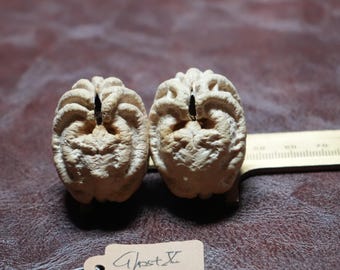
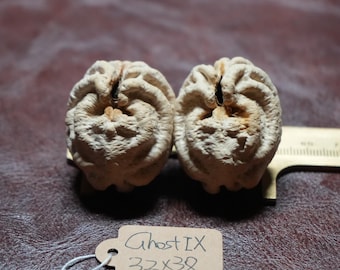
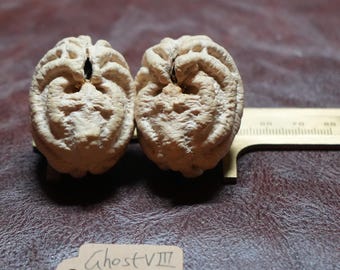
🍂 ZenMu · Poem of the Week 每周一诗 |Nov 15, 2026
Where Silence Meets the Light
Finding beauty in the quietest corners of the world.
返景入深林,
复照青苔上。
Fǎn jǐng rù shēn lín,
Fù zhào qīng tái shàng.
“The fading sunlight enters the forest deep,
And gently lights the moss beneath the trees.”
Poet: Wang Wei (王维, 699–759 CE)
Poem: Lù Zhài (鹿柴) — Deer Enclosure
Period: Tang dynasty, approximately 742–756 CE. The poem belongs to Wang Wei's Wang River Collection, associated with this period; its exact year of composition is unknown.
A Moment of Reflection
Deep in a quiet forest, where few footsteps reach, a gentle beam of sunlight finds its way through the trees.
For a brief moment, the moss-covered ground glows.
More than twelve centuries ago, the Chinese poet Wang Wei captured this simple scene in just ten characters.
There is no grand celebration, no extraordinary event. Only light, trees, and silence.
Yet within this stillness lies a beautiful reminder: not everything precious needs to be seen by the world.
Some of life's most meaningful moments happen quietly, without applause or recognition.
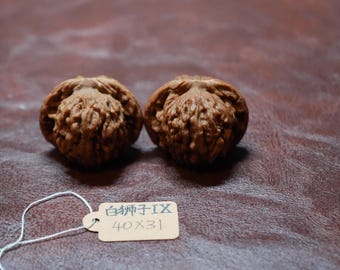
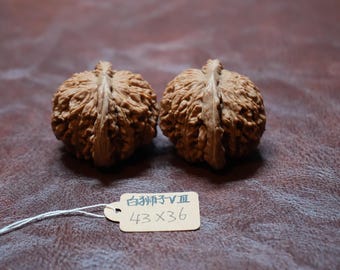
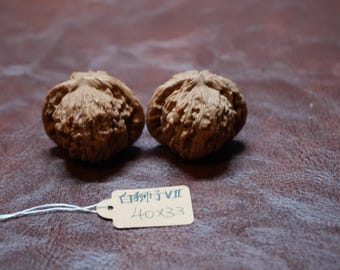
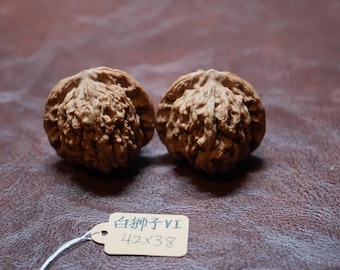
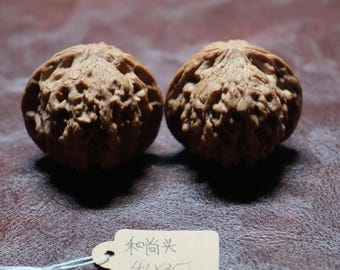
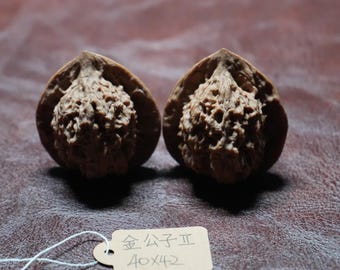
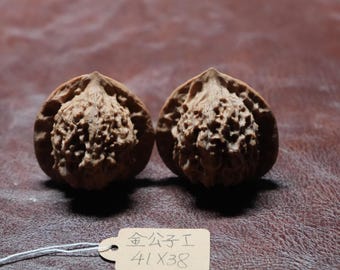
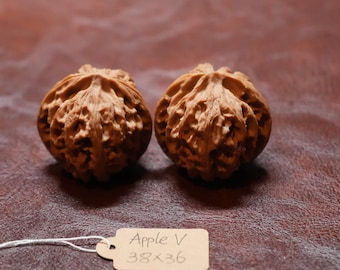
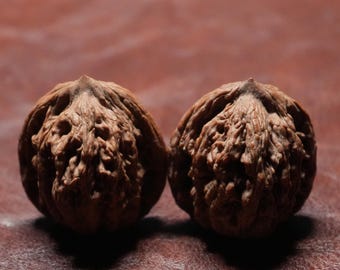
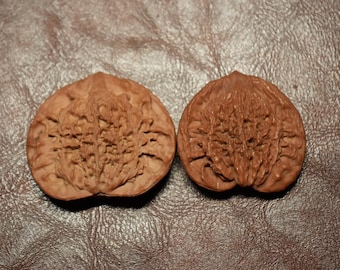
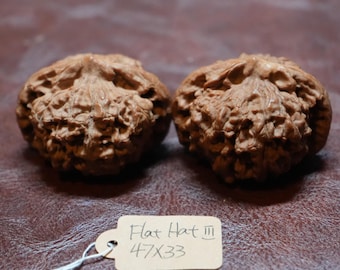
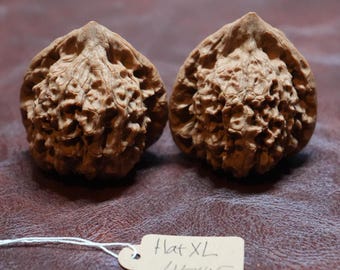
A peaceful morning. A familiar object resting in our hands. A moment when the world feels wonderfully still.
Even in the deepest forest, a little light can find its way through.
🍂 ZenMu · Poem of the Week 每周一诗 |Nov 6, 2026
Beyond the Autumn Clouds
Finding hope and beauty in every season of life.
晴空一鹤排云上,
便引诗情到碧霄。
Qíng kōng yī hè pái yún shàng,
Biàn yǐn shī qíng dào bì xiāo.
A lone crane soars through the clouds into the autumn sky,
And carries my spirit of poetry into the endless blue.
Poet: Liu Yuxi (刘禹锡, 772–842 CE)
Poem: Qiū Cí (秋词·其一) — Autumn Song, No. 1
Period: Tang Dynasty, China, approximately 805–815 CE.
The poem is traditionally associated with Liu Yuxi's exile in Langzhou, which began in 805 CE following the failure of political reforms he supported. Its precise composition year is not securely established.
🍂 A Moment of Reflection
Autumn is often seen as a season of endings.
The leaves fall. The days grow shorter. The warmth of summer slowly fades.
Yet more than 1,200 years ago, the Chinese poet Liu Yuxi saw something entirely different.
During a difficult period of exile, he looked toward the autumn sky and imagined a lone crane rising through the clouds.
Where others saw loneliness, he discovered freedom.
Where others saw the fading of a season, he found a reason to look upward.
His poem reminds us that beauty is not reserved for life's happiest moments.
Sometimes, it appears precisely when we need it most.
🌿 ZenMu · Poem of the Week 每周一诗 |October 30, 2026
When the Ravens Cry at Midnight
An ancient Chinese poem for the season of shadows.
月落乌啼霜满天,
江枫渔火对愁眠。
Yuè luò wū tí shuāng mǎn tiān,
Jiāng fēng yú huǒ duì chóu mián.
“The moon sinks, ravens cry, and frost fills the night.
By riverside maples and fishermen's lights, I lie awake.”
Poet: Zhang Ji (张继)
Poem: 枫桥夜泊 (Fēng Qiáo Yè Bó) — Mooring at Night by Maple Bridge
Period: Tang dynasty, 8th century CE. The exact composition year is uncertain.
A Moment of Reflection
Long before Halloween became a season of ghosts and mysterious stories, a Chinese poet captured the haunting beauty of a sleepless autumn night.
The moon was disappearing. Ravens called through the darkness. A cold mist settled over the river, while distant fishing lights flickered against the shore.
Zhang Ji lay awake in his boat, surrounded by silence and shadows.
And then, from a distant temple, a bell rang through the night.
What makes this poem so memorable is not a ghost or a supernatural encounter. It is the feeling that the darkness itself is alive—with sounds, memories, and emotions we cannot quite explain.
Sometimes, the most haunting moments are also the most beautiful.
Not every shadow hides something to fear. Some simply invite us to listen more closely.
🌿 ZenMu · Poem of the Week 每周一诗 |October 23, 2026
Beyond the Wind and Rain
A lesson in finding peace, whatever life brings.
回首向来萧瑟处,归去,也无风雨也无晴。
Pinyin
Huí shǒu xiàng lái xiāo sè chù,
guī qù, yě wú fēng yǔ yě wú qíng.
English Translation
I look back at the path where wind and rain once swept through.
And turn toward home—beyond both storm and sunshine.
Poet: Su Shi (苏轼, 1037–1101)
Poem: Ding Feng Bo (定风波 · Calming the Wind and Waves)
Year: 1082 CE, Northern Song Dynasty, China.
The poem is traditionally dated to the seventh day of the third lunar month in 1082, during Su Shi's years of political exile in Huangzhou.
A Moment of Reflection
Nearly a thousand years ago, the Chinese poet Su Shi found himself caught in a sudden spring rain.
His companions hurried along, uncomfortable and frustrated by the weather. But Su Shi continued walking, untroubled.
When the rain finally passed and sunlight returned, he looked back at the path he had traveled.
And in that ordinary moment, he discovered something extraordinary.
Life brings both storms and sunshine. We naturally welcome one and resist the other. Yet neither lasts forever.
Perhaps true peace does not come from waiting for the rain to stop, or hoping that every day will be sunny.
Perhaps it comes from learning to walk peacefully through both.
The weather may change. The world may change. But the quiet within us can remain.
🌿 ZenMu · Poem of the Week 每周一诗 |October 16, 2026
A Quiet Night, A Familiar Moon
Finding comfort in the things that connect us, even when we are far from home.
举头望明月,低头思故乡。
Jǔ tóu wàng míng yuè, dī tóu sī gù xiāng.
“I lift my head and gaze at the bright moon,
Then lower it, thinking of home.”
Poet: Li Bai (李白, 701–762 CE)
Poem: Quiet Night Thoughts (静夜思 · Jìng Yè Sī)
Period: Tang Dynasty, 8th century CE. The exact year of composition is uncertain.
A Moment of Reflection
More than twelve centuries ago, the Chinese poet Li Bai captured a feeling that remains familiar to us today: the quiet longing for home.
On a still night, he looks up at the moon. Its light is beautiful, but it also reminds him of the people and places he misses. With just a few words, Li Bai transforms an ordinary moment into something deeply human.
We may live in different countries, speak different languages, and follow different paths, yet we all know what it means to miss someone or somewhere.
And perhaps that is why the moon feels so comforting. No matter how far we travel, the same moon shines over the places we call home.
Sometimes, the things that make us feel far away are also the things that remind us we are connected.
Meanwhile in the Western World
Early 8th century CE
While Li Bai was writing about moonlight and longing for home in Tang Dynasty China, Europe was entering a period of political and cultural change.
The Anglo-Saxon scholar Bede completed The Ecclesiastical History of the English People in 731 CE, preserving stories about England's early history. Meanwhile, the Frankish kingdoms were moving toward the rise of the Carolingian dynasty, which would eventually produce Charlemagne.
Across these distant civilizations, people were preserving stories, remembering their origins, and reflecting on where they belonged.
Different centuries of tradition. Different languages. The same human longing for home.
— ZenMu
🌿 ZenMu · Poem of the Week 每周一诗 |October 9, 2026
The Beauty of Simply Noticing
Finding peace in life's ordinary moments
采菊东篱下,悠然见南山。
Cǎi jú dōng lí xià, yōu rán jiàn nán shān.
“I pick chrysanthemums beside the eastern fence,
and quietly notice the mountains to the south.”
Poet: Tao Yuanming (陶渊明, 365–427 CE)
Poem: Drinking Wine, No. 5 (饮酒·其五)
Period: Eastern Jin dynasty, approximately 417 CE. The exact composition year is uncertain. Gushiji
A Moment of Reflection
More than 1,600 years ago, the Chinese poet Tao Yuanming described a simple moment in his garden. While gathering chrysanthemums beside a fence, he casually looked up and noticed the distant mountains. Nothing extraordinary happened. Yet, in that quiet moment, he discovered something beautiful.
The magic of this poem lies in the word “notice.” Tao was not searching for inspiration or trying to find peace. He was simply living, and beauty revealed itself naturally.
In our busy lives, we often believe happiness is something we must pursue. But perhaps some of life's most meaningful moments are already around us—a flower blooming, the warmth of afternoon sunlight, or a familiar landscape we have passed a hundred times without truly seeing.
Sometimes, peace is not something we find. It is something we finally notice.
*Around the same time, the philosopher St. Augustine was writing The City of God (413–426 CE), reflecting on the nature of civilization, faith, and human existence.
Two different worlds, separated by thousands of miles—yet both searching for meaning in uncertain times.
— ZenMu
🌿ZenMu · Poem of the Week | 每周一诗 Oct 5th
"Where the Water Ends"
In a famous line by the Tang Dynasty poet Wang Wei (王维), he writes:
行到水穷处,坐看云起时。
Xíng dào shuǐ qióng chù, zuò kàn yún qǐ shí.
“I walk until the water ends,
then sit and watch the clouds rise.”
At first, it is simply a quiet scene: a man follows a stream through the mountains until there is nowhere further to go. Instead of turning back in frustration, he sits down. And as he rests, he notices the clouds beginning to rise.
The beauty of the poem lies in this change of perspective. The end of the water is not necessarily the end of the journey. When one path disappears, something else may quietly reveal itself.
Wang Wei does not chase the clouds or try to control what comes next. He simply watches.
It is a gentle reminder that life does not always need to be forced forward. Sometimes, when we reach the end of what we know, the most meaningful thing we can do is become still, pay attention, and allow a new view to emerge.
— ZenMu
Visit https://www.zenmuart.com/ for design ideas. Feel free to contact me for custom order. #DO ONLY GOOD EVERYDAY
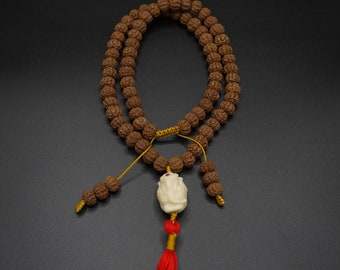
The word ‘bodhi’ (菩提) comes from Sanskrit (梵文). It refers to the final moment of enlightenment when one attains true knowledge, wisdom, or awakened intellect of a Buddha. (无上正等正觉 ; 了却尘世三千烦恼而领悟的无上智慧)