







Our Story: 11 years of Sequin
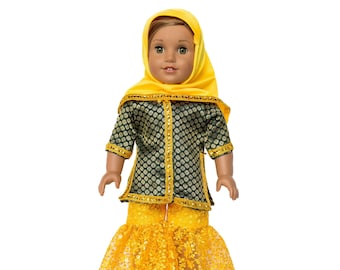
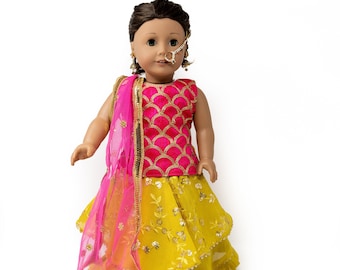
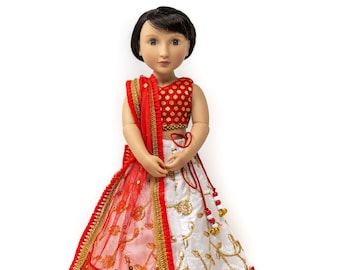
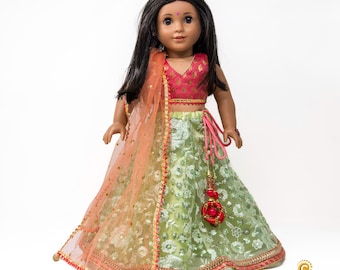
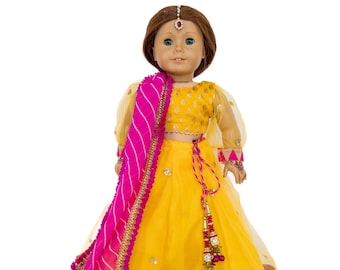
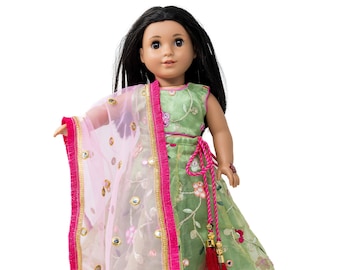
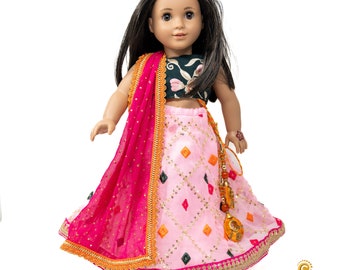
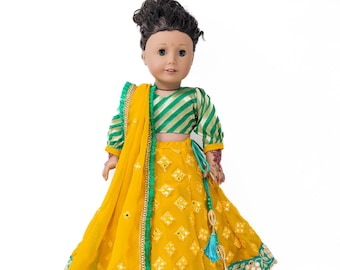
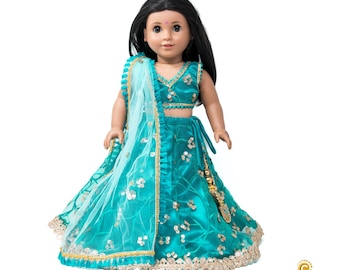
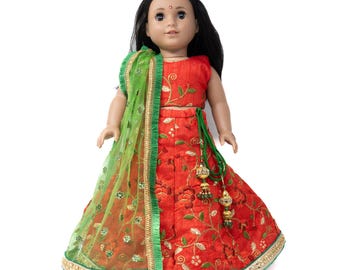
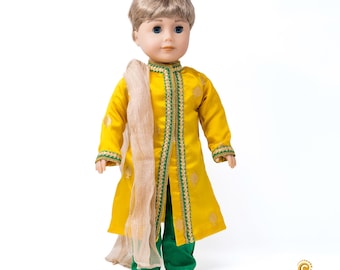
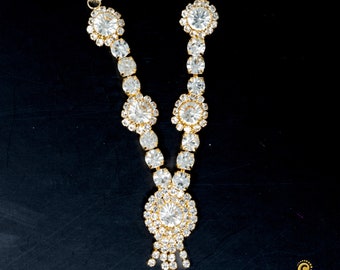
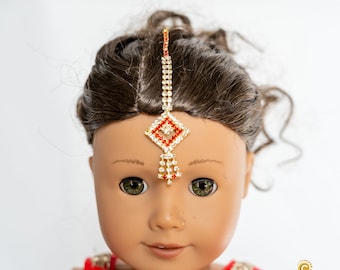
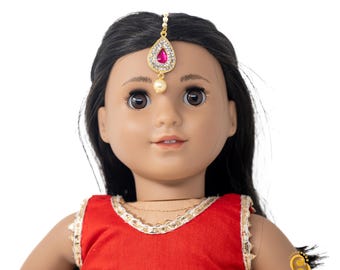
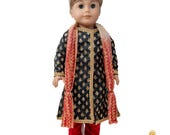
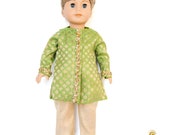
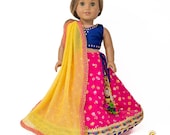
Coming from a Desi background, I have always been exposed to lavish colors with intricate beading and grand fabrics I also loved dolls! I loved their clothes! I loved how their clothes could transform them! Their clothes made them celebrities, doctors, royalty, and anything else I could imagine! But their clothes -- the catalyst for creative ensembles and fashion shows -- were dull. These flavorless colors seeped into my world of youthful excitement and imagination. I was missing outfits that reflected the vibrant beauty of my heritage.
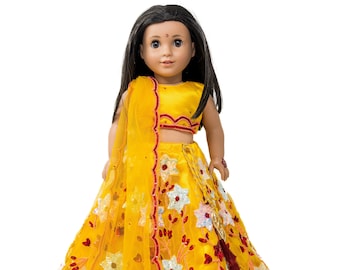
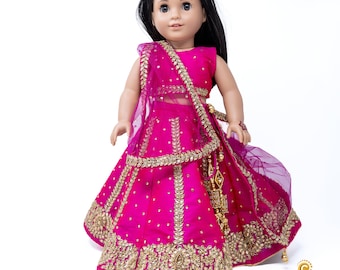
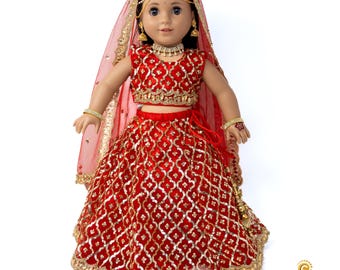
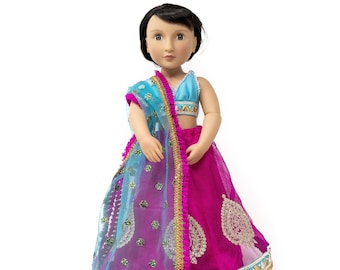
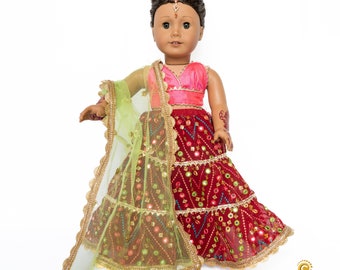
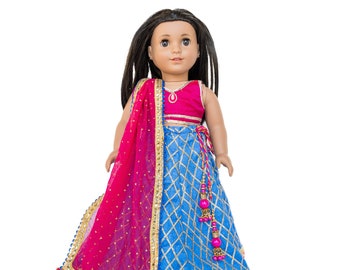
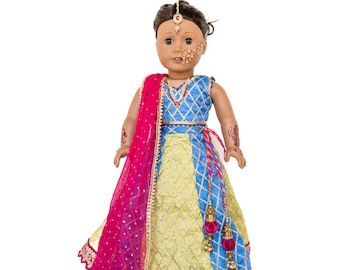
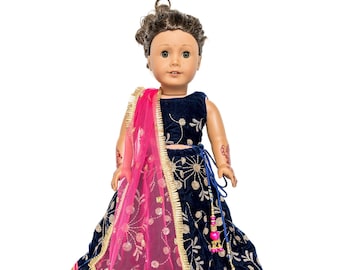
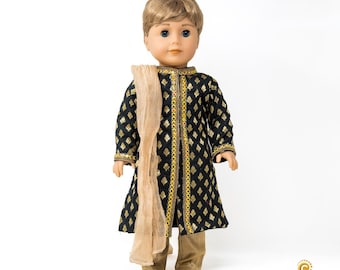
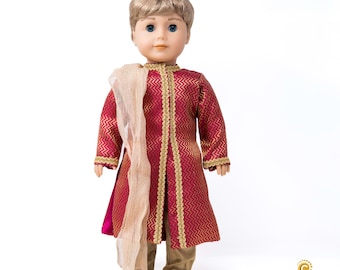
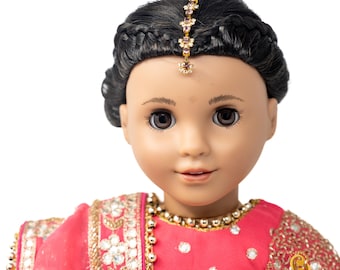
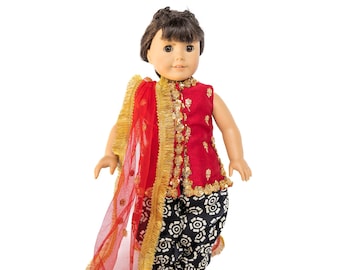
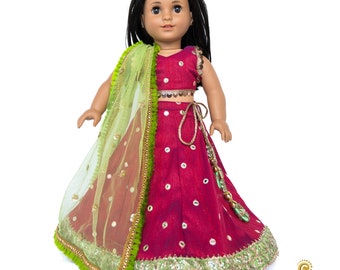
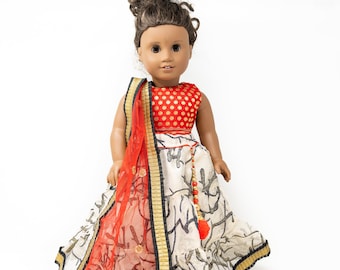
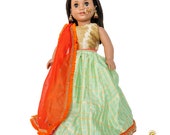
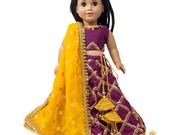
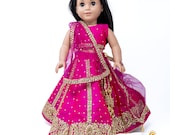
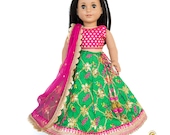
While doll clothes may not be the most pressing issue in today’s world, consider the perspective of a young girl. At seven years old, I marched up to my nani (grandma) to make a lehenga for my doll. I sat cross-legged on the floor of her room for hours, designing the perfect outfit. The whirring of the sewing machine, the Hindi soap operas in the background, and the animated chit-chat between us in broken Hindi and broken English draped everything. A few days later, my dreams became reality. The overwhelming warmth that spread throughout my body when I saw the lehenga on my doll was a rush that I will never forget.
It occurred to me that not everyone had a nani to do this for them. With this in mind, it became my mission to inject much-needed color into society.
In 2013 I enlisted the help of my nani and mother and started a small business called Rhea’s Doll Boutique. Three generations of powerful women came together to make something new. I was the confident designer and CEO, my nani breathed all my ideas to life, and my mother was the headstrong and quick-thinking problem-solver. It was inconceivable to me that a business born in a small town in Pennsylvania would explode to the far reaches of New Zealand, with over 400 sales during its lifespan.
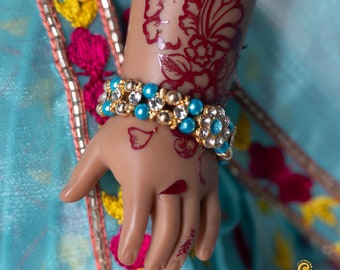
I have learned so much about this culture from which I am one generation removed. Nani's tales are a bridge between worlds, linking the dreams of her past with the possibilities of my future. Each outfit is a canvas for storytelling, representing the intricacies of our techniques, motifs, and historical influences. The art of regional embroidery is passed down from mothers to daughters. It is a world where fabrics are not just fabrics, but treasures that tell stories of wealth and inequality. They become symbols of resistance and empowerment, and a simple textile like khadi becomes a beacon of hope for an entire nation.
As I sit cross-legged on the floor of Nani’s room carefully folding the shimmering outfit for tomorrow’s shipment, for the business that is now Seqquin, I hope that the person on the receiving end also sees that our tapestry is not confined by the patterns set by others. Our palette holds an inexhaustible array of colors, even the beiges, that reflect the threads of our journeys, the vibrancy of our culture, and the ever-changing hues of our growth.
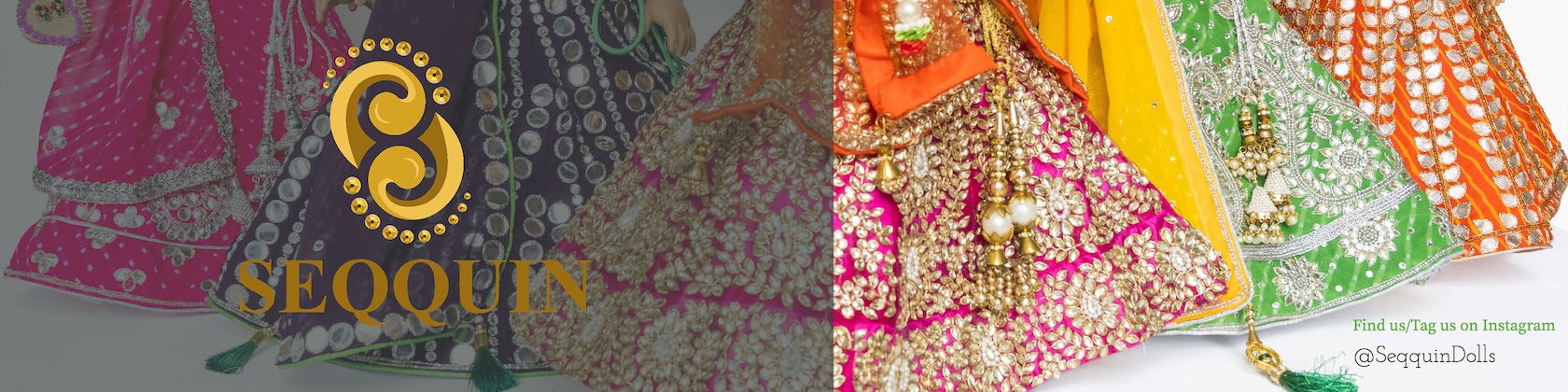
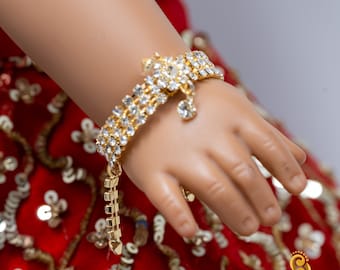
Seqquin is where heritage, imagination, and miniature artistry come together.