




Antiguo erudito cuneiforme mesopotámico y calígrafo de cerámica
Ancient Mesopotamian Cuneiform Scholar and Ceramic Calligrapher
He pasado más de veinte años estudiando el mundo antiguo, especialmente la antigua Roma, Grecia, Egipto y Mesopotamia, comenzando en la Universidad de Purdue a mediados de los años 90. Eventualmente, me especialicé en las antiguas escrituras e idiomas cuneiformes de la antigua Mesopotamia para obtener un doctorado de la Universidad de Pensilvania en 2007, con una especialidad en sumerio, una de las lenguas conocidas más antiguas del mundo. En el camino, pasé mucho tiempo mirando miles de antiguas tablillas de arcilla mesopotámica en el Museo de la Universidad de Filadelfia. Los leí, los reconstruí uniendo fragmentos de tablillas rotas (una unión correcta encaja perfectamente, como piezas de un rompecabezas), los fotografié y dibujé, y publiqué una serie de libros y artículos sobre ellos.
El mundo de la antigua Mesopotamia es un objeto de estudio esquivo, complicado y absolutamente fascinante con una interminable variedad de subtemas para explorar. Ninguna persona puede perseguirlos a todos. He investigado y publicado sobre muchas cosas durante mi carrera académica, como la antigua taxonomía y concepción de animales, dioses y diosas, la educación de los escribas, las canciones de culto, la poesía erótica, una lista de reyes que gobernaron antes del legendario Diluvio, y los conjuros y rituales, como uno diseñado para cambiar el sueño de un rey de un mal sueño a uno bueno. Lo más divertido y satisfactorio que he hecho como investigador fue recuperar textos perdidos durante miles de años reuniendo fragmentos rotos: se sentía como hacer historia de la nada.
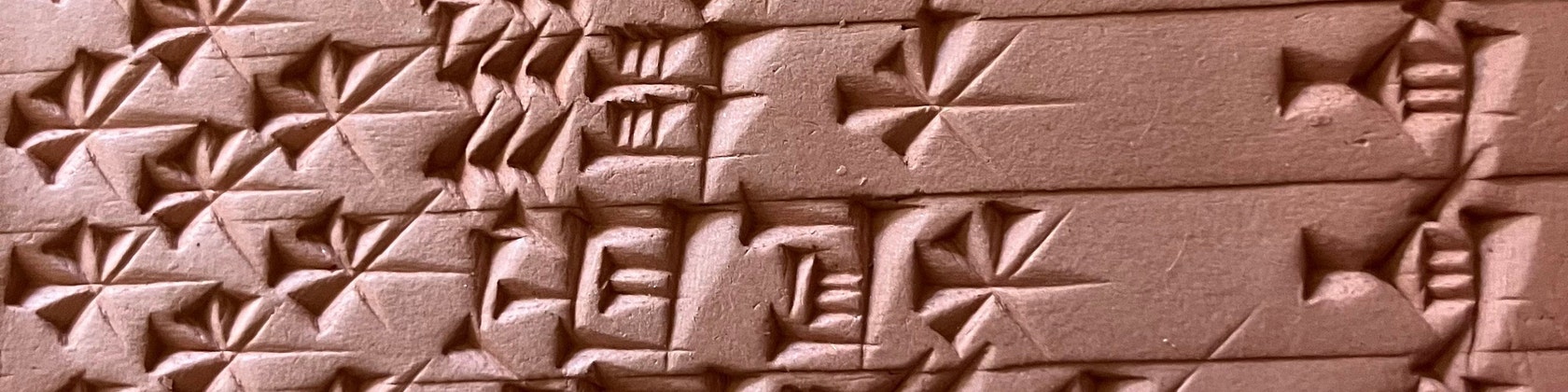
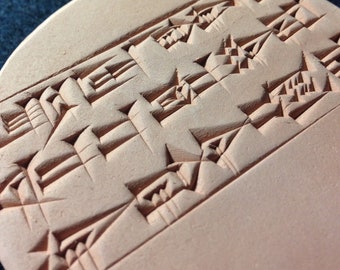
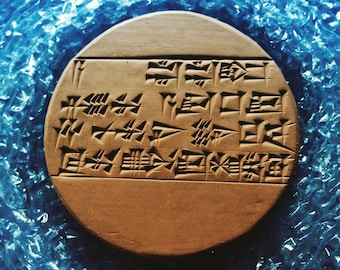
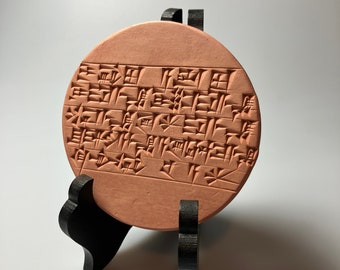
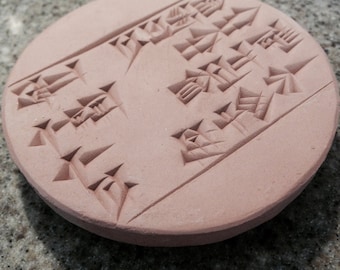
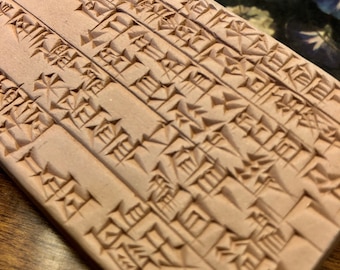
A lo largo de mis estudios, siempre me ha sorprendido y preocupado por la belleza de las tablillas cuneiformes como objetos físicos, por la singularidad de la arcilla como medio de escritura y el aspecto tridimensional de la escritura cuneiforme, que contrasta vívidamente el concepto bidimensional de escritura que prácticamente todos nosotros en el mundo moderno tenemos. Al igual que con cualquier sistema de escritura, los signos cuneiformes cuidadosamente formados son una obra de arte por derecho propio. Los antiguos mesopotámicos tuvieron mucho cuidado en la calidad de su escritura y la preparación de sus manuscritos. La obra de un escriba experimentado, donde cada cuña de cada signo se incide magistralmente con la orientación, el orden y la profundidad adecuados, y cada parte de la superficie de la tableta se planifica y utiliza cuidadosamente, es un espectáculo para la vista.
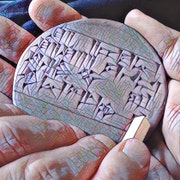
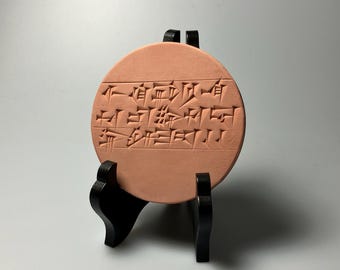
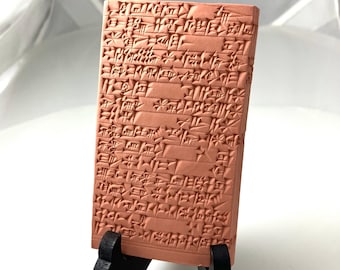
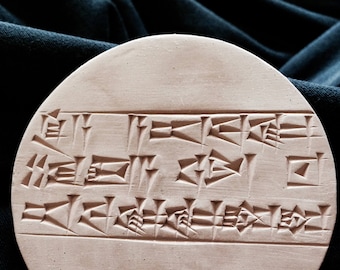
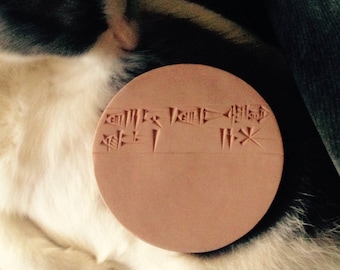
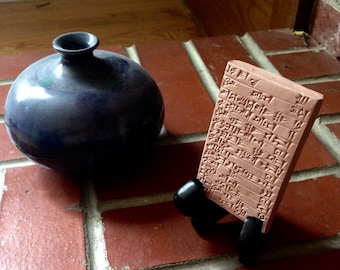
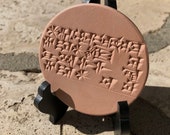
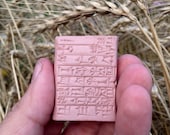
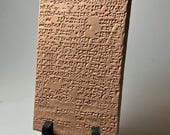
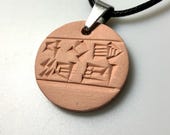
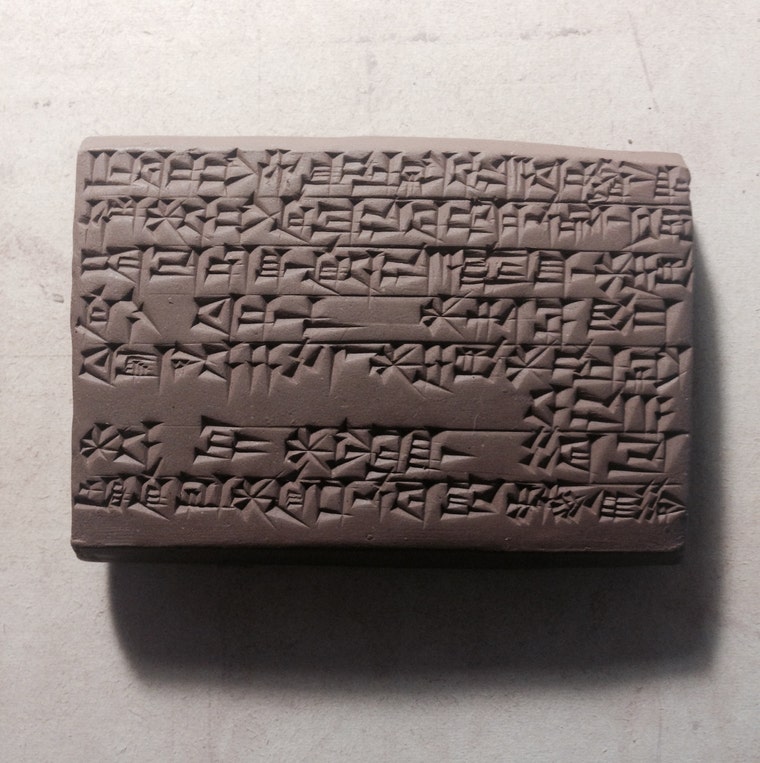
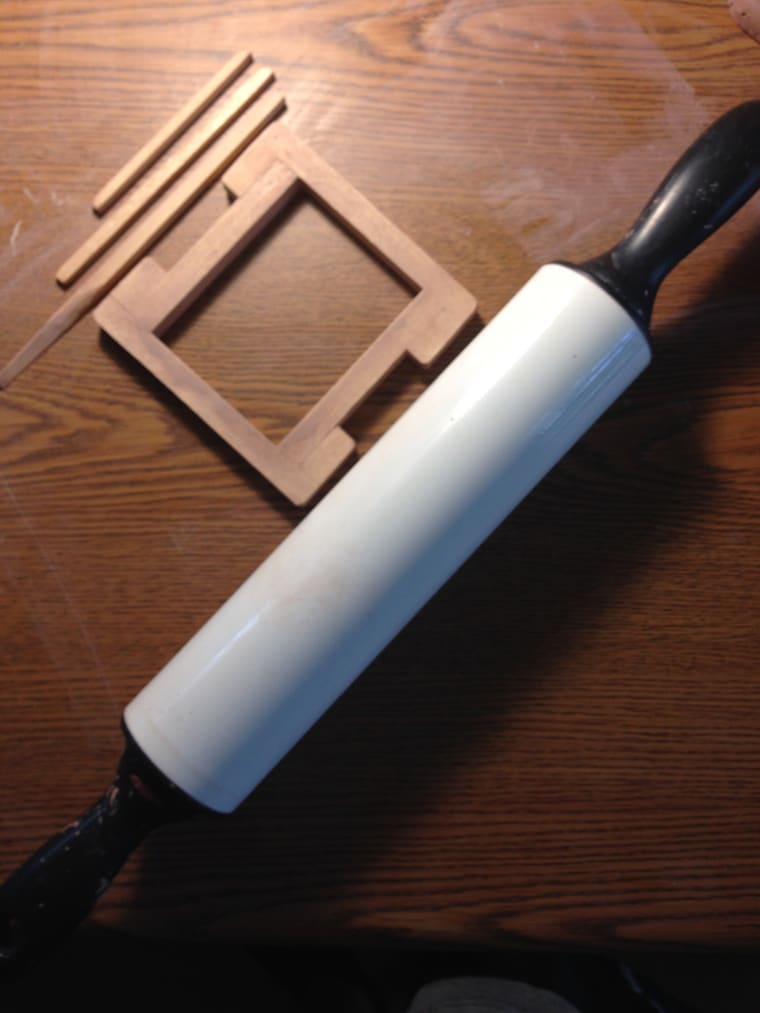
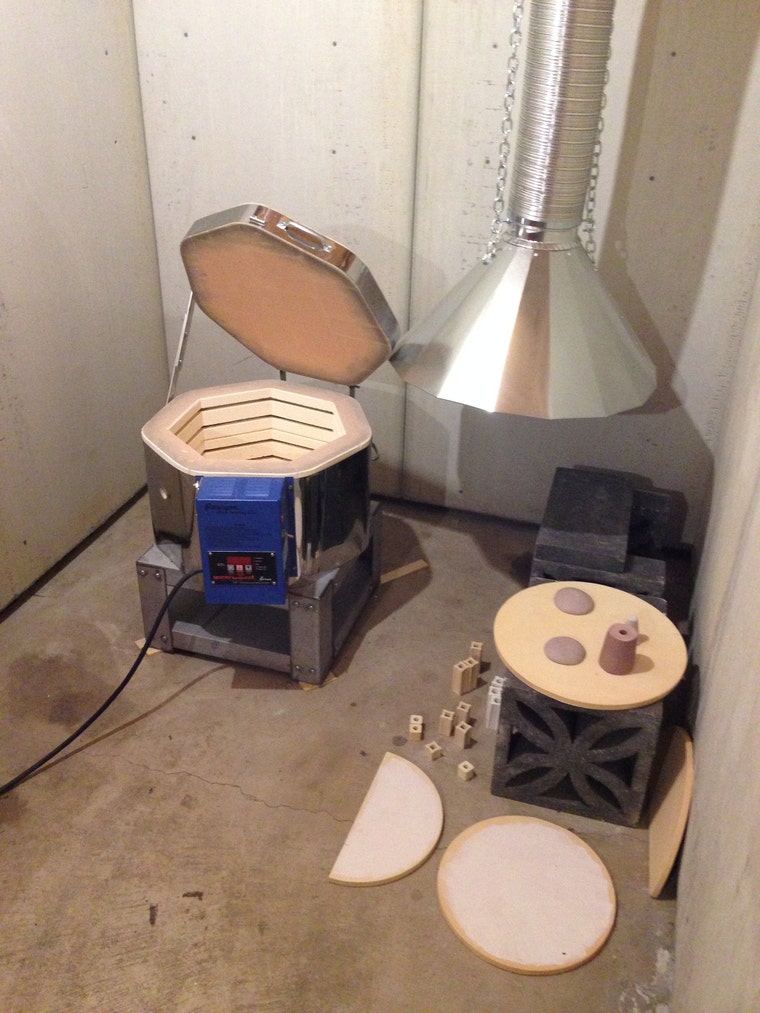
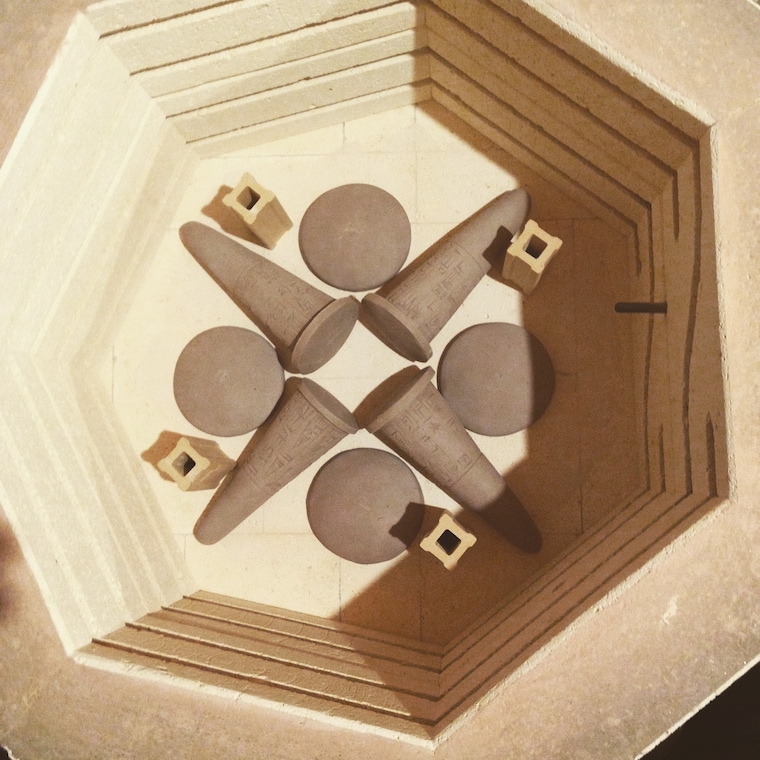
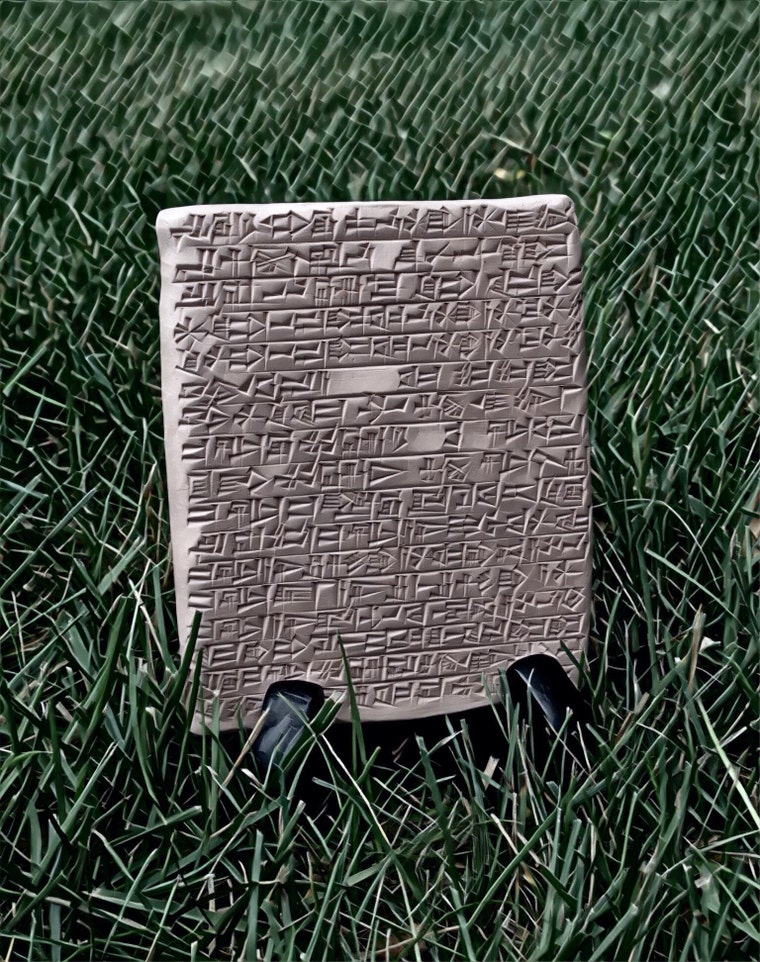
Ancient Text, Modern Tablet es mi forma de hacer que una representación de las antiguas tablillas cuneiformes esté disponible para cualquiera que quiera disfrutarlas, y de hacer que el pensamiento y la cultura de la antigua Mesopotamia, que en muchos sentidos no es tan diferente a la nuestra, estén más disponibles para la cultura dominante. Usando mi mejor aproximación de técnicas antiguas, creo tablillas de arcilla con textos antiguos seleccionados para resonar con una audiencia moderna. Mis creaciones no son copias exactas de artefactos antiguos, sino más bien obras de arte individuales que utilizan tabletas antiguas como su modelo constante. Reflejan un intento de revivir una disciplina y una forma de arte fuera de la práctica durante miles de años. ¡Que Nisaba (la antigua diosa del arte de los escribas) encuentre mi trabajo agradable!
I have spent more than twenty years studying the ancient world, especially ancient Rome, Greece, Egypt and Mesopotamia, starting at Purdue University in the mid-90’s. Eventually, I specialized in the ancient cuneiform scripts and languages of ancient Mesopotamia to earn a PhD from the University of Pennsylvania in 2007, with a specialty in Sumerian, one of the world’s oldest known languages. Along the way, I spent a great deal of time looking at thousands of ancient Mesopotamian clay tablets in the University Museum in Philadelphia. I read them, reconstructed them by joining broken tablet fragments together (a correct join fits together perfectly, like pieces of a jigsaw puzzle), photographed and drew them, and published a number of books and articles about them.
The world of ancient Mesopotamia is an elusive, complicated, and utterly fascinating object of study with an endless array of sub-topics to explore. No one person can pursue all of them. I have researched and published on many things during my academic career, such as the ancient taxonomy and conception of animals, gods and goddesses, scribal education, cultic songs, erotic poetry, a list of kings who ruled before the legendary Flood, and incantations and rituals, such as one designed to change the dream of a king from a bad dream to a good one. The funnest and most satisfying thing that I ever did as a researcher was to recover texts lost for thousands of years by rejoining broken fragments: it felt like making history out of thin air.
Throughout my studies, I have always been amazed by and preoccupied with the beauty of cuneiform tablets as physical objects, by the uniqueness of clay as a writing medium, and the three-dimensional aspect of cuneiform writing, which vividly contrasts the two-dimensional concept of writing that virtually all of us in the modern world have. As with any writing system, carefully formed cuneiform signs are a work of art in their own right. The ancient Mesopotamians took great care in the quality of their handwriting and the preparation of their manuscripts. The handiwork of an experienced scribe, where every wedge of every sign is masterfully incised with the proper orientation, order, and depth, and every part of the tablet surface is carefully planned and utilized, is a sight to behold.
Ancient Text, Modern Tablet is my way of making a representation of ancient cuneiform tablets available to anyone who wants to enjoy them, and to make the thought and culture of ancient Mesopotamia, which in many ways is not so different than our own, more available to mainstream culture. Using my best approximation of ancient techniques, I create clay tablets bearing ancient texts selected to resonate with a modern audience. My creations are not exact copies of ancient artifacts, but rather individual works of art using ancient tablets as their constant model. They reflect an attempt to revive a discipline and art form out of practice for thousands of years. May Nisaba (the ancient goddess of the scribal art) find my work pleasing!
