
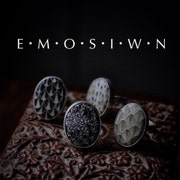
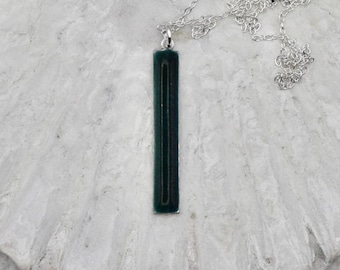
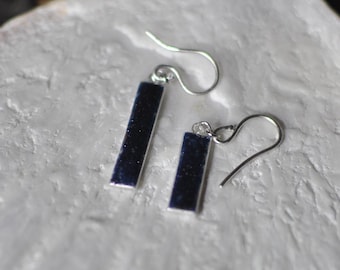
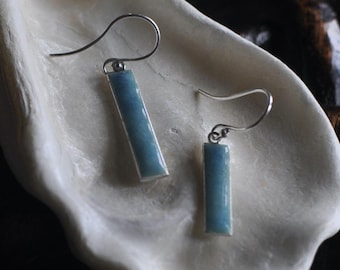
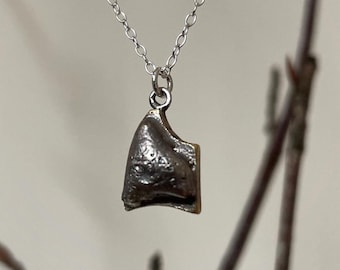


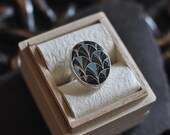

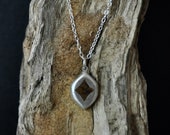

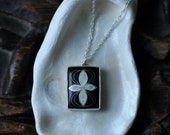


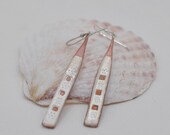
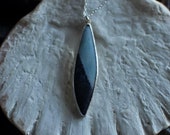


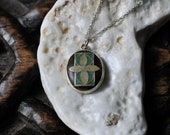
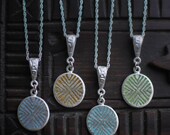

Ancient Enamel Techniques Meet Traditional Japanese Designs and the Nature of Celtic Countries
One of my aunts was an enamel artist and I would visit her studio in the corner of her garden in Tokyo when I was little. This might be the unconscious catalyst for my work with Shippo (enamel), one of the traditional artisan crafts of Japan. However it wasn't till many years later that after being inspired by the work of René Lalique I was lucky enough to study under a master artisan and world renowned enamel artist at her studio in Shibuya, a trendy part of Tokyo. After which for some years I then exhibited both nationally and internationally and sold work produced in my own studio near Mount Fuji.
I’m fascinated by the delicate nature of the effects that can be created by a glass-based medium on metal as well as the fact that its basic technique, creating art work by manipulating fire, hasn’t changed since the ancient Egyptians practiced the art around 2,000 B.C. – I find the continuity of this tradition very romantic.
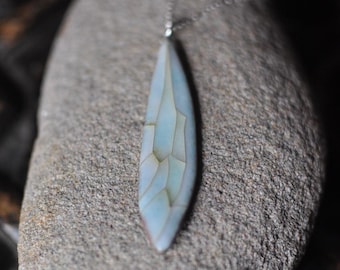
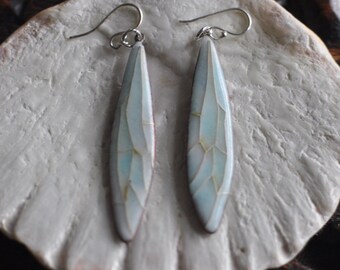
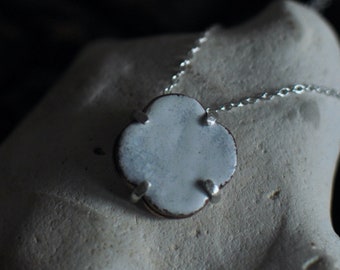
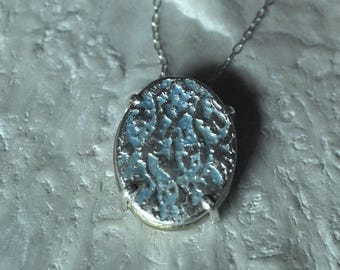
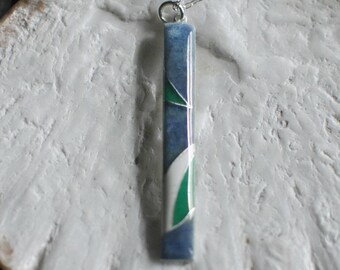
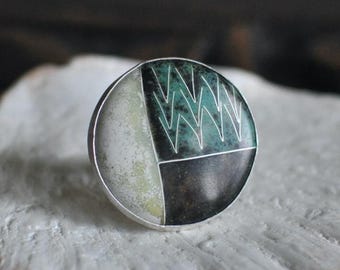
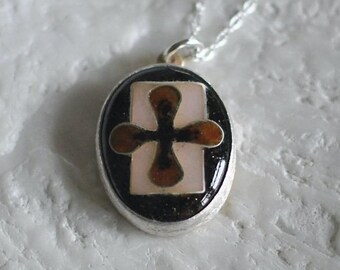
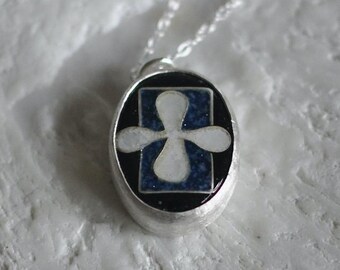
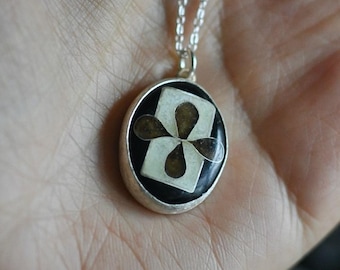
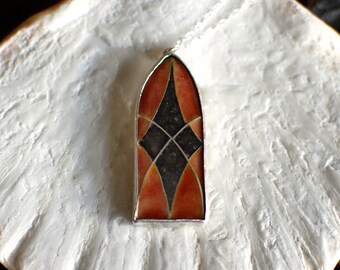
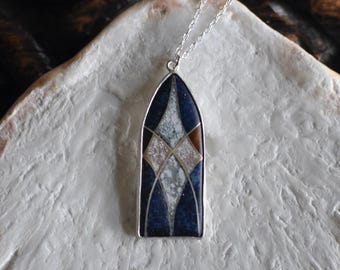
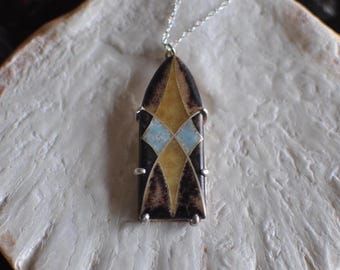
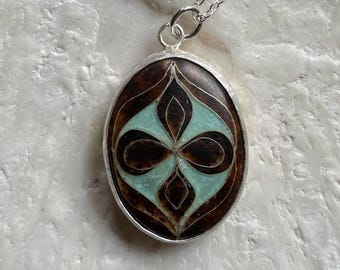
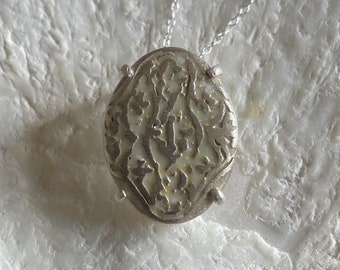
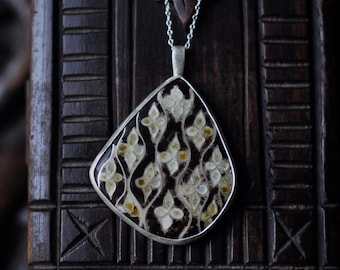
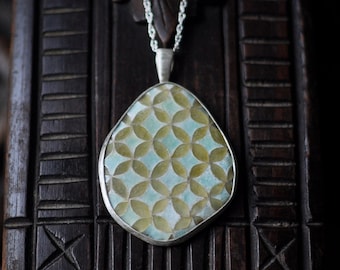
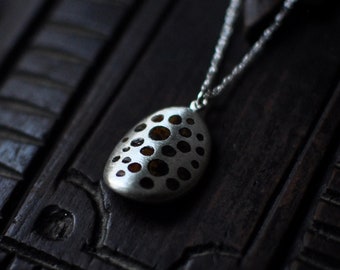
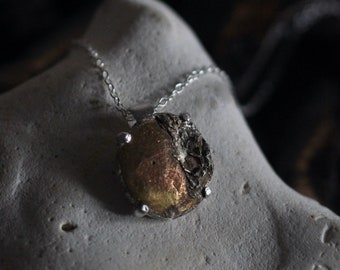
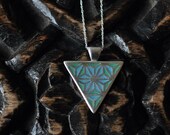
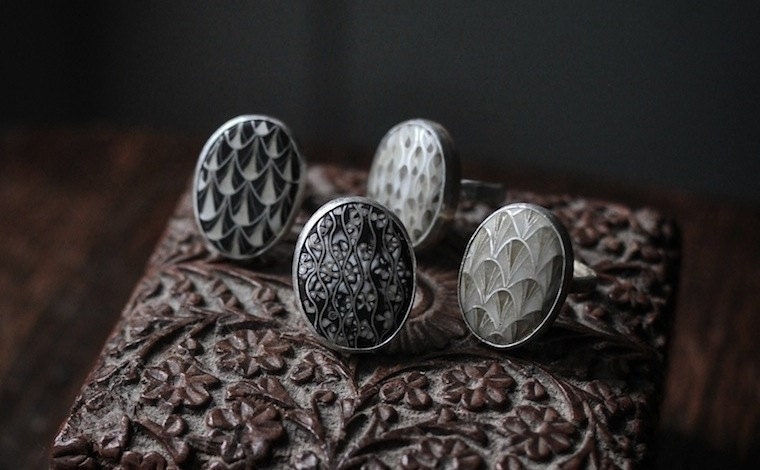
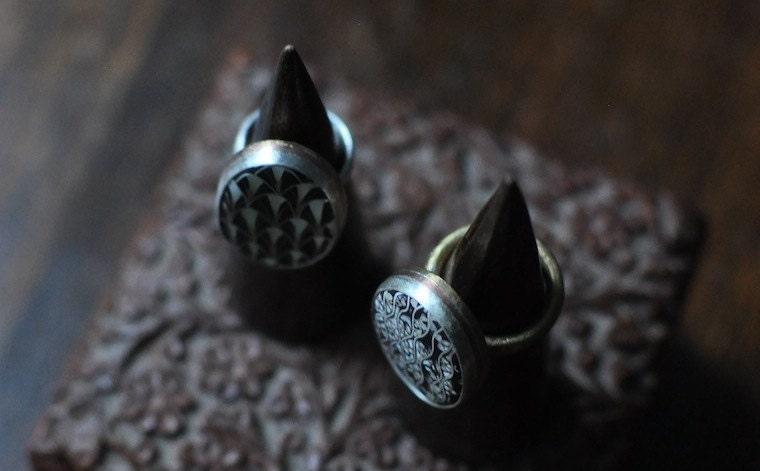
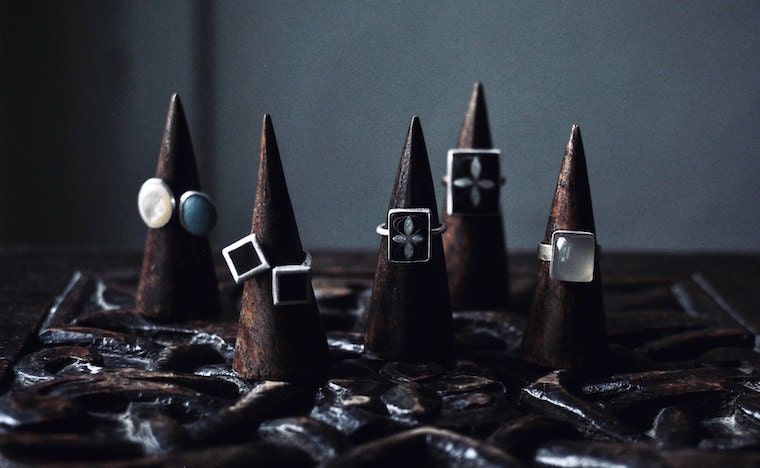
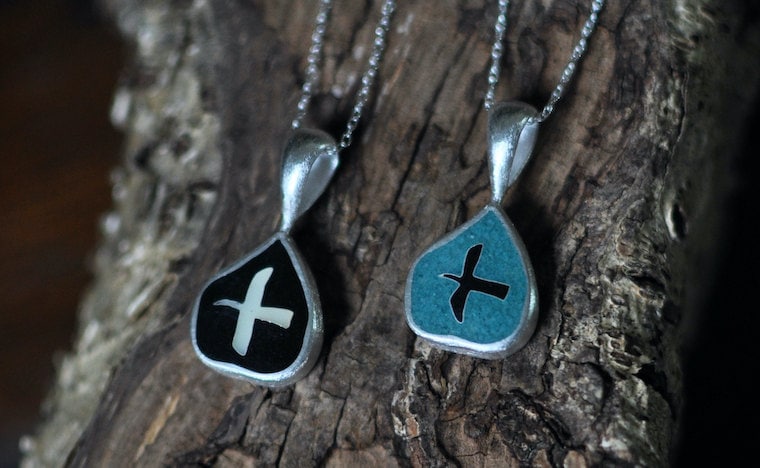
There are several enamelling techniques. Currently my works are similar to the Champlevé style, where you apply enamel into hollows on a metal surface and Cloisonné, where you use metal ribbons to create design motifs to be filled with enamel.
To produce one of my pieces using the Champlevé technique is a long and slow process. Once I’ve created my design I’ll cut out two identical pieces of sheet metal. I’ll trace out my design on the one sheet and then cut the design out before soldering the two sheets together. I then pickle this in an acidic liquid to remove any oxidization on the metal. At this point a rubber mould is created from the original master prototype. A Champlevé style enamel technique requires a cast base for the production process. This is due to the temperature differences required between firing in a kiln and maintaining the integrity of the solder used in making a design prototype. Once a mould is created then a piece can be cast into silver or gold.
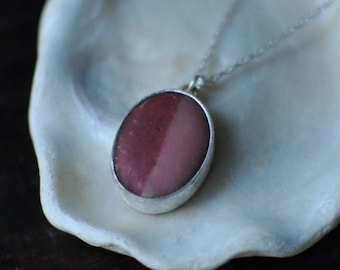
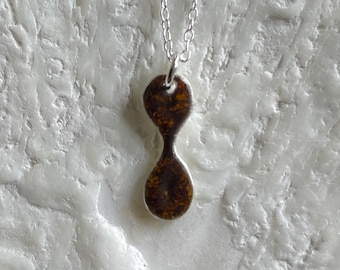
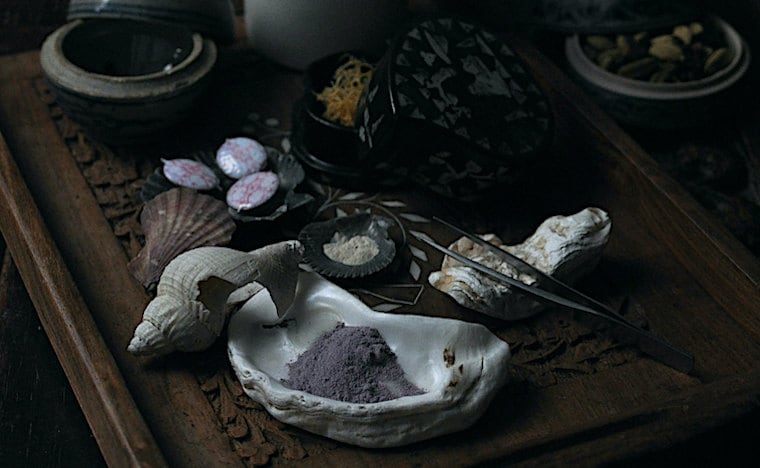
The next stage is to prepare the enamel colours. I use Japanese enamel powders in my work as their unique properties produce a very fine finish. Any fine particles are removed from the powder pigments as they could ‘cloud’ the fired enamel and then I mix any number of pigments together to create my own unique colours. Concentrated glue made from a sea plant called funori is mixed with the enamel powder before it’s applied to the piece and allowed to dry completely.
I then fire it at a temperature of 760 - 780℃ for a several minutes. After cooling it’s pickled in an acidic liquid for about an hour before being washed with bicarbonate soda. I then apply another coat of enamel and go through the process again. I may do this 3 or 4 times before the piece is ready for finishing.
To finish I use a grindstone or a diamond file to clean the surface before firing in a kiln again. I’ll repeat this stage before giving the piece a final polish with a stainless steel brush. I’ll then wash it with a mild detergent and once dry a new piece is finally ready for someone to love.
Born to a family running a traditional handcrafted kimono business, I have always been familiar with the longstanding heritage of Japanese design, especially patterns called Edo-komon. These designs often represent auspicious symbols, which even today, continue to have an almost spiritual hold over Japanese people. Whilst this design heritage heavily influences my work, since I lived in Wales then Scotland since 2021 I have been working on new designs inspired by the landscape, history and nature of my new home and I am now looking forward to developing these designs into finished pieces.
Looking ahead I wish to continue to improve my skills and learn new techniques so that my work continually evolves technically. I wish to continue to develop ranges inspired by both Japan and Scotland but also works that bring together both cultures. I am also fascinated by the design traditions of the other Celtic nations and I would like to explore that further as a source of inspiration for my work.
I work in enamelling in respect for the old craftsmanship and to preserve the ancient skills, but most importantly I value hand-made works that express the warmth of nature and human touch. I would be happy if my works could play a role in connecting ancient craft and design traditions, which were cherished by people in the past to a modern audience and if my work could be a special part of someone’s life, I would be most honoured.
My blog on EMOSIWN website:https://www.emosiwn.com/
