




La photographie négative, un regard au fond de l'âme
Negative photography, a look into the soul
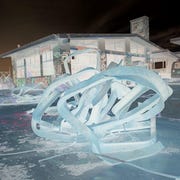
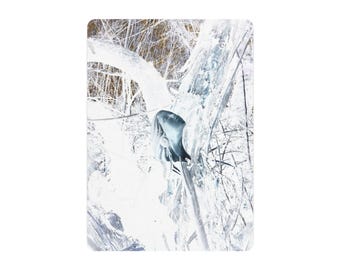
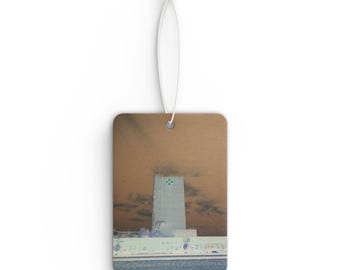
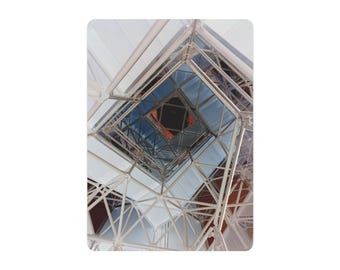
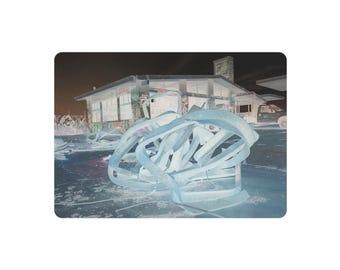
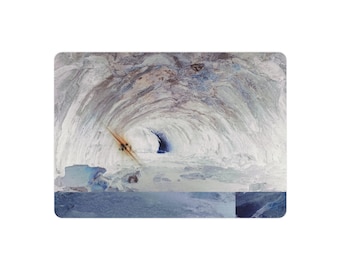
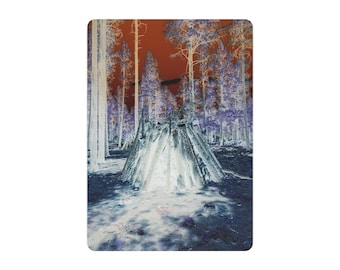
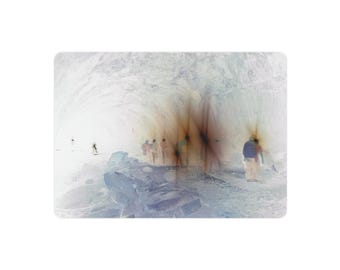
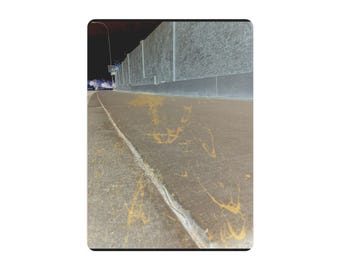
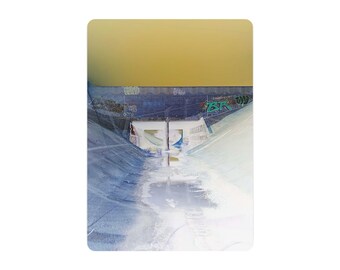
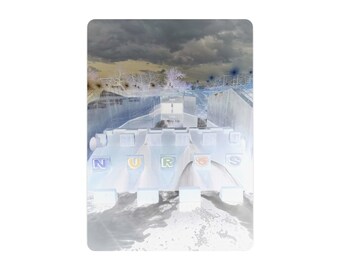
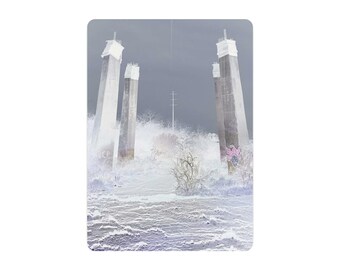
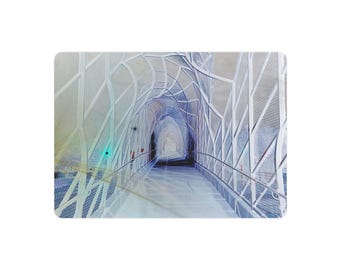
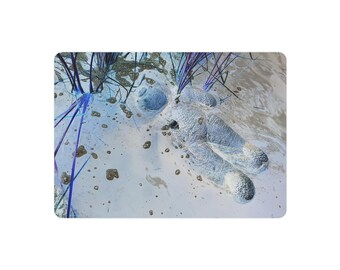
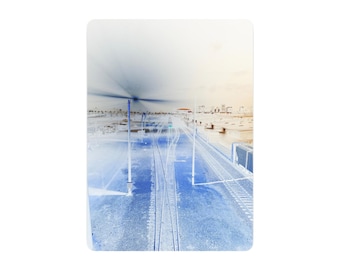
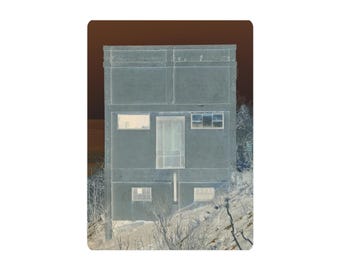
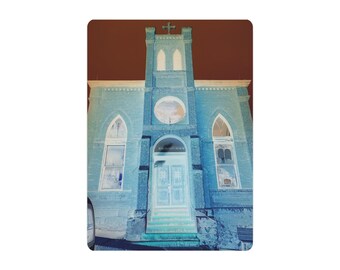
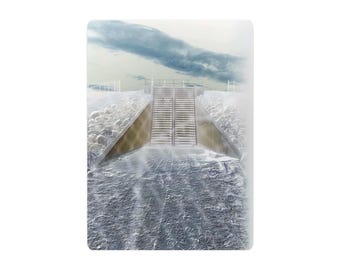
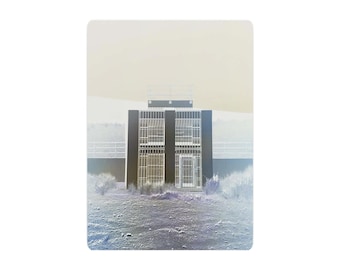
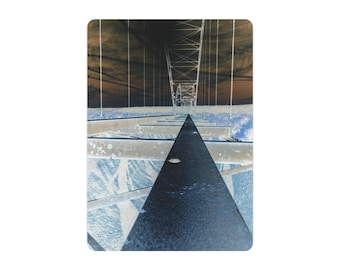
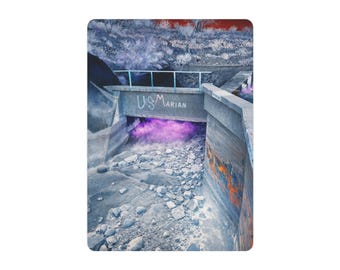
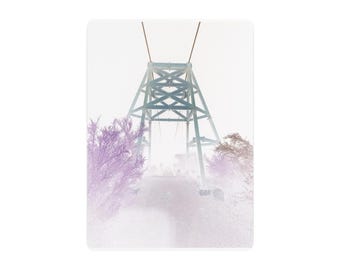
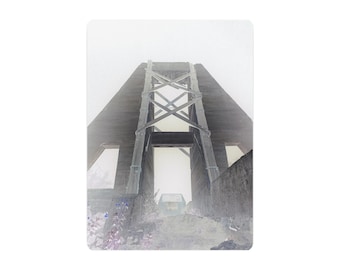
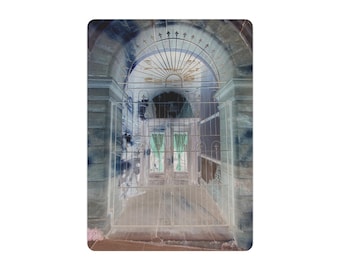
Je suis photographe et je travaille principalement avec l'image négative. Je suis fascinée par la façon dont l'inversion modifie non seulement l'apparence d'une scène, mais aussi l'atmosphère qu'elle dégage. En photographie négative, la lumière et l'ombre sont inversées, les lieux familiers deviennent étranges et des détails cachés, souvent imperceptibles à l'œil nu, apparaissent.
Je perçois le monde d'une manière parfois paradoxalement inversée. Je suis autiste, ce qui influence ma façon de percevoir les motifs, les contrastes, les émotions et mon environnement. Je remarque souvent ce que les autres ne voient pas, ou je me sens profondément en phase avec les espaces empreints de calme, d'isolement ou d'intensité. La photographie en négatif est le langage visuel qui décrit le mieux cette expérience de perception.
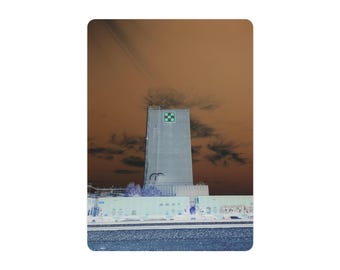
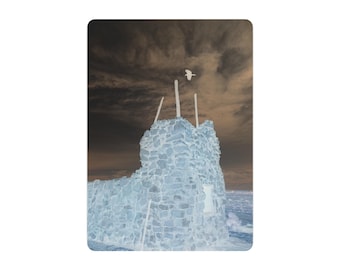
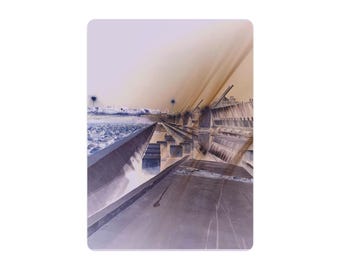
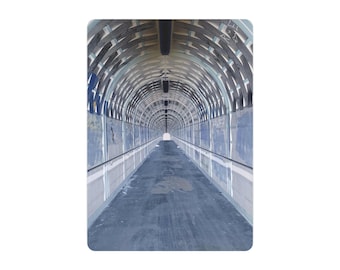
Je suis particulièrement attirée par les environnements désolés ou silencieux, les lieux qui semblent vides, marqués par le temps ou empreints d'une forte charge émotionnelle. Ces espaces reflètent souvent des états intérieurs de solitude ou d'introspection difficiles à exprimer par les mots, mais plus faciles à traduire par l'image. Plutôt que d'éviter ce sentiment, je l'explore à travers la composition, le contraste et l'inversion.
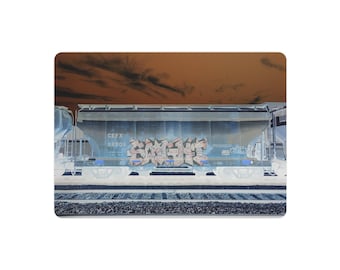
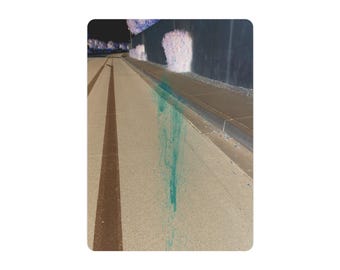
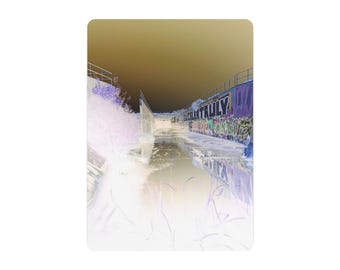
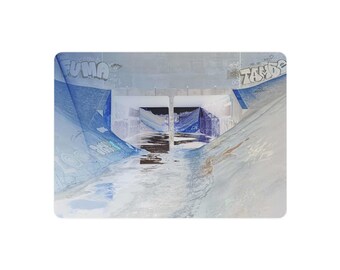
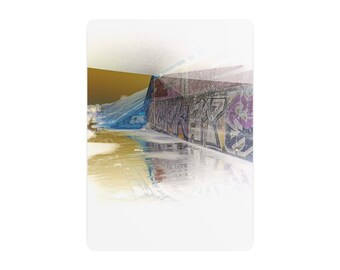
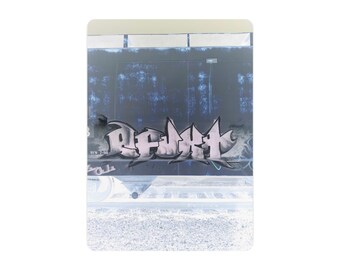
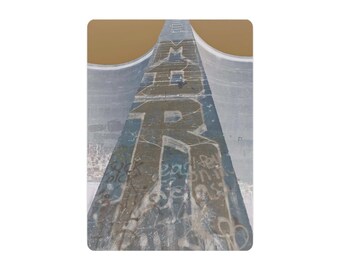
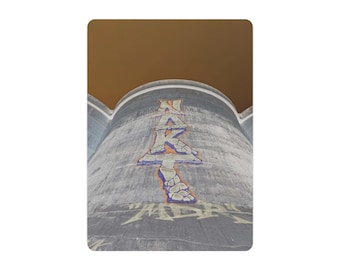
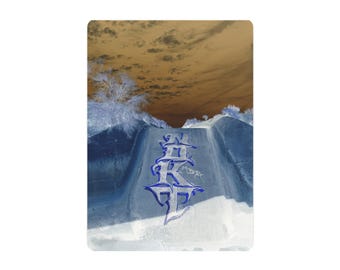
Je photographie également les graffitis et les marquages urbains, notamment pour les préserver comme une forme d'art public éphémère. Ces marques sont en perpétuelle évolution, recouvertes, effacées ou érodées par le temps, et les photographier devient un moyen de documenter des expressions qui, autrement, disparaîtraient. Je m'intéresse à cette tension entre permanence et impermanence, visibilité et effacement.
À travers mon travail, je cherche à présenter des environnements familiers d'une manière légèrement décalée, toujours reconnaissables, mais transformés. L'imagerie négative me permet d'explorer cet espace entre ce qui est vu et ce qui est ressenti, entre documentation et interprétation.
I am a photographer working primarily with negative imagery, drawn to the way inversion changes not just how a scene looks, but how it feels. In negative photography, light and shadow are reversed, familiar places become unfamiliar, and hidden details emerge that are often overlooked in standard viewing.
I experience the world in a way that feels similarly inverted at times. I’m autistic, and that shapes how I perceive patterns, contrast, emotion, and environment. I often notice what others miss, or feel deeply attuned to spaces that carry a sense of stillness, isolation, or intensity. Negative photography is the closest visual language I’ve found to describe that experience of perception.
I am especially drawn to desolate or quiet environments, places that feel empty, weathered, or emotionally heavy. These spaces often reflect internal states of loneliness or introspection that are difficult to put into words but easier to translate through imagery. Rather than avoiding that feeling, I explore it through composition, contrast, and inversion.
I also photograph graffiti and street markings, in part to preserve them as a form of temporary public art. These markings exist in a constant state of change, covered, erased, or weathered by time, and photographing them becomes a way of documenting expressions that might otherwise disappear. I’m interested in that tension between permanence and impermanence, visibility and erasure.
Through my work, I aim to present familiar environments in a way that feels slightly displaced, still recognizable, but altered. Negative imagery allows me to explore that space between what is seen and what is felt, between documentation and interpretation.
