




Epida ist wunderschön
Epida is Beautiful
Seit ich denken kann, nähe, sticke und quilte ich. Als Kind habe ich jedes Buch über diese Dinge aus meiner örtlichen Bibliothek ausgecheckt.
2009 hatte ich die Gelegenheit, mit meiner jungen Familie nach Südkorea zu ziehen. Dort konnte ich eine neue (für mich) Patchwork-Kunst lernen - pojagi. Diese Stitching-Techniken gibt es seit Tausenden von Jahren und beinhalten eine spezielle Methode für reversibles Patchwork.
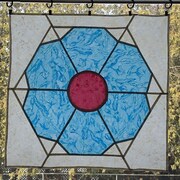
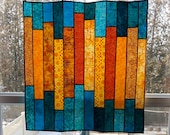
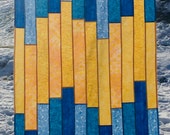
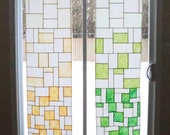
Nach meiner Rückkehr nach Kanada entwickelte ich eine Methode, um reversibles Patchwork maschinell zu nähen. Ich nenne es modernen Pojagi. Das Ergebnis sind Fensterbehänge aus Stoff, die wie Glasmalereien leuchten.
Ich habe mir den Namen "Epida" für mein Studio ausgedacht, weil er ähnlich klingt wie das koreanische Wort für schön. Es ist eine Hommage an die schöne koreanische Kunstform und die Tausenden von namenlosen Frauen, die sie im Laufe der Jahrhunderte entwickelt haben.
Epida Studio
Machen. Schön.
For as long as I can remember, I have been sewing, embroidering and quilting. As a child, I checked out every book about those things from my local library.
In 2009, I had the opportunity to take my young family to live in South Korea. There I was able to learn a new (to me) patchwork art - pojagi. These stitching techniques have been around for thousands of years and include a special method for reversible patchwork.
After returning to Canada, I developed a method to stitch reversible patchwork by machine. I call it modern pojagi. The result is fabric window hangings that glow like stained glass.
I made up the name "Epida" for my studio because it sounds similar to the Korean word for beautiful. It is a tribute to the beautiful Korean art form and the thousands of unnamed women who developed it over the centuries.
Epida Studio
Make. Beautiful.
